
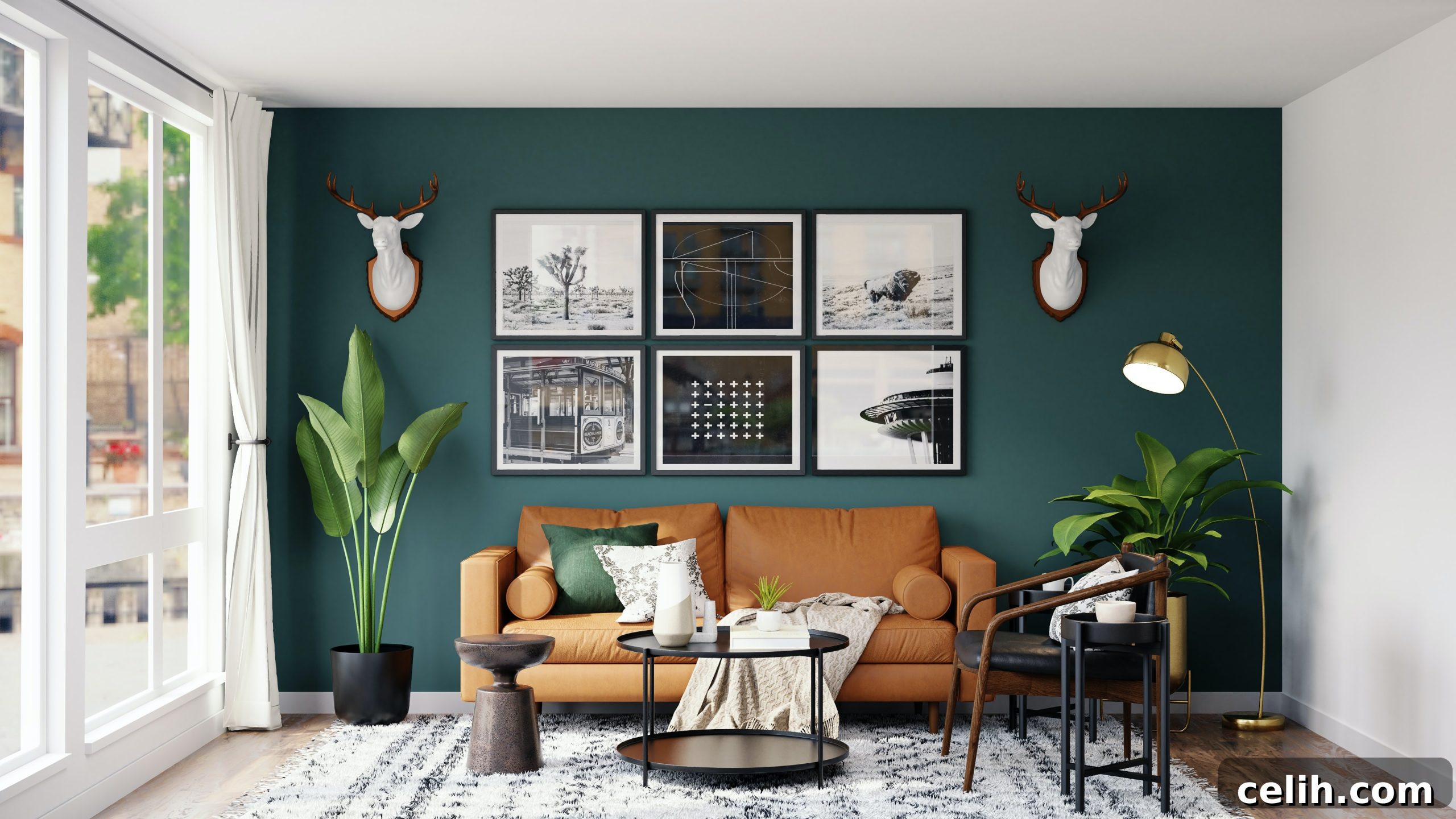
Creating Your Dream Home Together: A Couple’s Comprehensive Guide to Merging Styles and Designing Shared Spaces
Embarking on the journey of moving into a new home with your significant other is an exhilarating milestone, filled with the promise of shared memories and a blank canvas for your collective future. This new chapter offers an incredible opportunity to craft a living space that truly reflects the unique blend of your personalities, experiences, and aspirations. However, this exciting venture can also present its fair share of challenges, particularly when it comes to harmonizing distinct tastes and design preferences into a cohesive and comfortable environment. The process of merging two individual visions into one shared aesthetic can sometimes feel like navigating a maze, but with thoughtful planning and open communication, it transforms into a deeply rewarding experience. If you find yourselves grappling with how to seamlessly integrate your individual styles, these comprehensive tips are designed to guide you through creating a home that both of you will cherish.
Seamlessly Merge Your Unique Styles
The art of compromise is not just a cornerstone of a healthy relationship; it’s also a vital skill in designing a home together. Instead of viewing your differing styles as obstacles, see them as opportunities to create something truly unique and richer than what either of you could achieve alone. Start by identifying the core elements you both love – perhaps it’s a shared appreciation for natural textures, a particular color palette, or a minimalist approach. From this common ground, you can begin to weave your individual preferences. Look for accent pieces that beautifully reflect each of your styles without clashing. For instance, if one partner prefers modern sleekness and the other gravitates towards rustic charm, consider combining a modern sofa with rustic throws and cushions, or minimalist art alongside a vintage wooden console table. The goal is to select items that collectively narrate your story as a couple, celebrating your journey together rather than showcasing two distinct individuals inhabiting the same space. This collaborative approach ensures that your home doesn’t just look good, but also feels like an authentic representation of your partnership.
Cultivate Thoughtful Individual Spaces
While compromise is essential, it’s equally important to recognize that it won’t be the perfect solution in every scenario. In some instances, preserving individual preferences by creating dedicated personal spaces can be incredibly beneficial for both your relationship and the overall functionality of your home. These personal havens offer a sanctuary where each partner can fully express their unique tastes and indulge in their hobbies without concern for aesthetic clashes. For example, if one of you dedicates a significant amount of time to working from home, that office space should primarily reflect the design choices and functional needs of the person who uses it daily. Similarly, if a hobby, such as collecting intricate model trains or pursuing large-scale artistic endeavors, requires considerable room and might conflict with the home’s overarching design, designating a specific area or room for it makes perfect sense. This could be a spare bedroom, a corner of the basement, or even a well-organized closet transformed into a creative nook. These individual spaces foster a sense of personal ownership and freedom, ensuring that neither partner feels entirely subsumed by the other’s preferences. It allows you both to have a cherished corner where personal style reigns supreme, leading to greater harmony throughout the rest of your shared living areas.
Establish Clear Expectations from the Outset
One of the most effective strategies for a smooth design process is to establish clear expectations and “ground rules” early on. Whether you plan to meticulously merge every detail or consciously preserve individual elements, a frank discussion about what can be changed and what remains non-negotiable is paramount. This foundational conversation prevents misunderstandings and potential conflicts down the line. Consider defining “veto power” – agreeing that each partner has a limited number of absolute “no’s” for items or design choices that are truly important to them. This encourages thoughtful consideration and prioritisation, ensuring that vetoes are reserved for significant disagreements rather than minor preferences. Discuss your long-term vision for the home as well as immediate needs. Are there specific pieces of furniture you absolutely cannot part with? Are there certain colors or styles that one of you finds truly unbearable? Laying these cards on the table from the beginning creates a transparent and respectful framework for all subsequent design decisions, setting a positive tone for your collaborative home-making journey.
Collaborate on New Purchases Together
As you navigate the process of blending styles and compromising where necessary, you’ll inevitably encounter the need to purchase new items for your home. This presents a fantastic opportunity to further solidify your joint aesthetic and strengthen your collaborative spirit. Instead of one person making unilateral decisions, approach new purchases as a team effort. This means discussing the function, style, and budget for each item beforehand, allowing both partners to contribute their ideas and preferences. Visit furniture stores, home decor shops, and online retailers together. Use these outings as discovery missions to identify items that resonate with both of you. This shared experience isn’t just about shopping; it’s about actively building a shared style and demonstrating flexibility. When you discuss and agree on purchases together, you’re not just buying furniture or decor; you’re investing in a home that truly represents your composition as a couple, fostering a deeper sense of connection and mutual ownership.
Align Your Priorities and Envision Your Shared Space
Moving in together, undertaking renovations, or redecorating can often be emotionally charged processes, frequently accompanied by stress related to decision-making, financial implications, and differing preferences. To ensure a harmonious outcome, it’s crucial to begin by having an in-depth conversation about how you both envision using each space and what truly matters to each of you. Go beyond just aesthetics; discuss functionality, comfort, and ambiance. What activities will predominantly take place in the living room? Is the kitchen primarily for cooking, entertaining, or both? What defines a truly relaxing bedroom for each of you? Identify points of mutual agreement – shared must-haves, items you both genuinely like, and common functional needs. Building from this foundation of shared priorities makes subsequent design choices much easier and ensures that the final result caters to both your individual and collective needs. This early alignment helps to mitigate potential conflicts by focusing on common ground, making the decorating journey a collaborative pursuit towards a mutually desirable home.
Establish a Realistic Budget Together
One of the most frequent sources of contention for couples decorating a home isn’t usually about conflicting styles, but rather about finances. Unaddressed budgetary differences can quickly sow seeds of resentment, particularly if one partner feels the other’s spending habits are excessive, or conversely, if they perceive their partner as being overly frugal or restrictive. Before you even set foot in a furniture store, browse an online decor site, or consult with an interior designer, it is absolutely vital to sit down and establish a clear, mutually agreed-upon budget. This conversation should cover how much you are collectively comfortable spending on various aspects of your home, from major furniture pieces to smaller decorative accents. Discuss your disposable income, savings goals, and what percentage of your funds you’re willing to allocate to home improvements. Prioritize your purchases: decide which items are essential and which can wait. A well-defined budget ensures transparency, prevents financial surprises, and allows both partners to feel secure and invested in the decorative process without underlying monetary stress.
Actively Share and Explore Each Other’s Styles
It’s common in relationships for one person to have a more pronounced design preference or a deeper vested interest in the aesthetics of the home. If you identify as this person, it’s crucial to resist the urge to unilaterally take over all design decisions. Instead, view this as an opportunity to truly understand and appreciate your partner’s style. Actively engage them in the discovery process. Shop together, pointing out pieces that you both admire, or items that align with each other’s individual tastes. Browsing magazines, creating shared Pinterest boards, or exploring online mood boards are excellent ways to visualize and articulate preferences. These activities can reveal surprising overlaps or highlight areas where your styles diverge significantly. If you find yourselves at opposite ends of the aesthetic spectrum, don’t despair – this is where creativity truly flourishes. The most captivating and personal spaces are often born from the thoughtful combination of seemingly opposing styles, the layering of eclectic textures, the blending of diverse color schemes, and the mixing of unique accessories and art. This collaborative exploration transforms potential conflict into innovative design solutions that are uniquely yours.
Master the Art of Compromise in Design
At the heart of creating a shared home lies the ability to compromise. Begin by evaluating the cherished items that each of you possesses – those pieces you truly love and feel you can’t live without. You’ll likely discover a few such treasures on both sides. While you might not initially adore every single item your partner considers a must-have, pause before issuing a veto. Instead, challenge yourselves to find creative ways to reinvent or integrate these pieces. A fresh coat of paint, updated upholstery, or even repurposing an item for a different context or room can breathe entirely new life into it. For example, a vintage chest of drawers might transform into a stylish bathroom vanity or a unique bar cart with a little imagination. Once each partner feels that their individual needs and cherished possessions are being respected and accommodated, it opens the door for more genuine compromise in areas where opinions differ. This collaborative problem-solving approach not only enhances your home’s design but also strengthens your relationship, fostering mutual respect and understanding.
Consider Engaging a Professional Interior Designer
Despite your best efforts and commitment to resolving design disagreements, some couples might still find themselves at an impasse when it comes to decorating their shared space. In such instances, hiring a professional interior designer can be an incredibly valuable investment. A qualified designer brings a fresh, unbiased perspective and a wealth of experience in navigating the complexities of decorating for couples. They can act as a neutral third party, helping to mediate discussions and translate abstract ideas into tangible design solutions. With their expertise, a designer can skillfully blend disparate styles, anticipate potential problems, offer creative solutions you might not have considered, and present unique style options that harmonize both partners’ visions. What might seem like a daunting challenge can be transformed into an enjoyable and efficient process under professional guidance. Blending two lives, two sets of possessions, and two distinct aesthetics into one cohesive home is inherently complex, and a professional can provide the strategic direction and practical advice needed to hone your shared goals and achieve a truly beautiful, functional, and conflict-free space.
Simplify and Relate Diverse Design Elements
When merging distinct design preferences, the key often lies in finding common ground through simplification and thoughtful juxtaposition. For those who appreciate an eclectic style, contemporary art can surprisingly complement traditional furniture, and modern pieces can beautifully coexist with old-world antiques, provided there’s a discerning eye and some design savvy involved. To achieve this harmonious blend, focus on the silhouettes and underlying forms of your pieces. For example, if you have a curvaceous, traditional settee, simplify its visual impact by upholstering it in a solid, neutral-colored fabric. Then, draw a complementary color from a piece of modern artwork you both love and use that as an accent throughout the room. The elegant curves of the settee can echo shapes found within the abstract art, setting a tone that allows other traditional elements to feel integrated rather than out of place. Always look for unifying elements – be it recurring curved lines, similar material finishes, or a consistent color scheme – to create a sense of cohesion and understated elegance, even amidst diverse styles.
Unify with Architectural Details and Color
Architectural details inherent in your home, such as intricate crown molding, an ornate fireplace, or specific window frames, often reflect the period in which the property was built. Rather than fighting these elements, leverage them to your advantage. If your goal is to infuse a more modern sensibility into a traditionally built space, simplify your furnishings significantly. Opt for pieces with clean, structured shapes and minimalist lines. This approach creates a compelling contrast that gives your rooms a fresh, contemporary vibe while honoring the home’s historic charm. The visual harmony emerges from the interplay of old and new. You can further unify these simplified shapes and diverse elements through a consistent color palette. Furniture with sculptural forms will appeal to those who favor strong, clean lines in their decor, while its placement within a historically rich architectural shell will satisfy a traditionalist’s appreciation for an overall structure anchored in heritage. This thoughtful balance creates a sophisticated and unified aesthetic.
Edit to Achieve Harmonious Compromise
The saying “less is more” often holds true when attempting to blend distinct styles for a couple. While one partner might embrace traditional richness, “fussy” is almost universally a no-go for the other. Sometimes, the most effective strategy for pleasing both partners is to thoughtfully curate a smaller collection of cherished pieces, allowing them to shine in a simpler, more edited setting. In a purely traditional space, patterns are often layered, and embellishments are plentiful. However, rigorous editing can yield a far more pleasing and balanced result when merging styles. Begin by identifying the few “can’t live without” items from each person’s collection and then judiciously edit out the rest. Instead of displaying every beloved collectible, select two or three standout items and give them room to breathe. This disciplined approach celebrates favorite possessions without overwhelming the space, striking a perfect balance that satisfies both a penchant for treasured items and a preference for a more minimalist, uncluttered aesthetic.
Embrace and Push Design Extremes
Creating a truly dynamic and engaging eclectic mix is entirely achievable, even when combining seemingly disparate elements like entirely modern furniture within a traditional architectural setting. The secret lies in applying a few fundamental design principles to intentionally create compelling visual tension. First, clearly identify the fixed, architectural pieces in your space – elements like original light fixtures, ornate ceiling medallions, or a grand fireplace mantel and mirror. Visualize these as integral parts of the home’s historical structure and keep them distinctly traditional. When introducing new items, deliberately choose elements that are starkly different in style. The goal is to avoid a bland “mishmash” of ideas; instead, cultivate a striking contrast. It’s precisely by pushing the design tension between old and new, simple and ornate, that the final result becomes genuinely interesting and memorable. For instance, pair a richly detailed, gold-framed baroque mirror and a dramatic crystal chandelier with ultra-modern, clean-lined chairs. This juxtaposition works beautifully because you are consciously playing a very modern aesthetic against a strong, traditional structural backdrop. Exploring local flea markets, antique shops, and contemporary galleries can be an excellent way to discover unique pieces that contribute to this captivating interplay of styles.
Channel and Enjoy the Creative Tension
Instead of allowing design disagreements to create tension in your relationship, skillfully divert that creative energy into your decor project. Embrace the inherent tension between different styles and use it to craft a visually exciting and deeply personal home. For example, consider placing classic, traditional furniture within a strikingly modern architectural shell, or vice-versa. This effective result is often achieved by remembering to keep your fabric choices relatively simple and streamlined. Allow one or two carefully selected prints or patterns to truly stand out as focal points. Then, choose a strong, bold color as a backdrop or accent to make those prints pop and tie the entire mix together. The overall effect will be both bold and simplified, yet it will still carry a respectful nod to traditional elements. This deliberate interplay of contrasts creates a space that feels sophisticated and intentionally curated, reflecting the dynamic and rich tapestry of your combined personalities. Ultimately, the process of designing your home together, even with its tensions, should be an enjoyable exploration of creativity, compromise, and shared vision, resulting in a sanctuary that truly feels like “home” for both of you.