
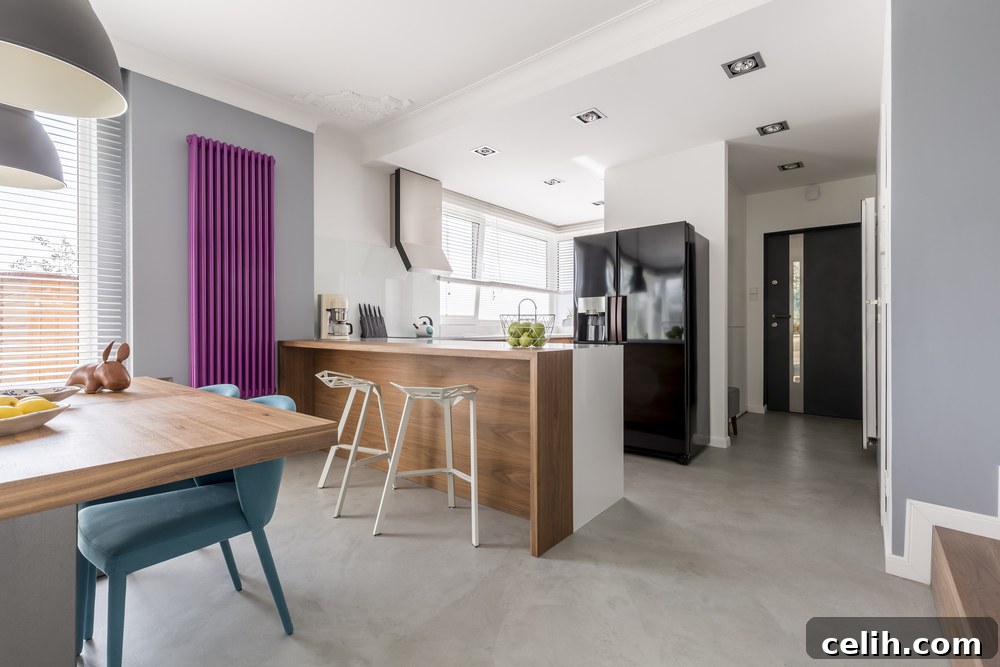
Navigating the vast array of options for home heating can be a daunting task, especially when seeking the perfect balance between warmth, efficiency, and aesthetics. As temperatures drop and energy costs continue to climb, selecting the best radiators for your home becomes more critical than ever. This comprehensive guide will help you understand the nuances of various radiator types, materials, and styles, ensuring you make an informed decision that keeps your living spaces comfortably warm while potentially reducing your energy consumption.
In this in-depth exploration, we’ll delve into the advantages and disadvantages associated with different radiator materials and designs. Whether you’re furnishing a cozy small room, upgrading your kitchen or bathroom, or looking for sophisticated heating solutions for spacious living areas, our aim is to equip you with the knowledge to identify the most appropriate radiators that align with your specific home needs and personal style preferences.
Understanding Radiator Materials: The Core of Efficient Heating
The days when radiators were exclusively bulky, utilitarian cast iron fixtures are long gone. Today’s market offers a diverse range of materials, each bringing unique properties to the table in terms of heat output, durability, and design flexibility. The primary materials you’ll encounter when choosing new radiators are aluminium, mild steel, stainless steel, and cast iron. Your selection will ultimately hinge on a blend of factors, including your budget, desired aesthetic, the architectural style of your property, and the specific room where the radiator will be installed.
Let’s take a closer look at the characteristics, benefits, and drawbacks of these popular radiator materials to help you make an educated choice for your home’s heating system.
Aluminium Radiators: Modern Efficiency and Rapid Heat
Aluminium has emerged as a frontrunner in radiator materials due to its exceptional thermal conductivity. This property allows aluminium radiators to heat up remarkably fast, distributing warmth throughout a room quickly and efficiently. Their superior heat output often means you can effectively warm a space with a smaller unit or even reduce the number of radiators required, contributing to a more streamlined aesthetic and potential energy savings.
For instance, a sleek, vertical aluminium radiator in a compact bathroom can deliver ample heat without occupying valuable wall space, making it an ideal solution for smaller or unconventional layouts. Their responsiveness also makes them highly effective when paired with modern heating controls, allowing for precise temperature management and optimized energy use.
Advantages of Aluminium Radiators
- Rapid Heating and Cooling: Aluminium radiators heat up and cool down much faster than those made from other materials, offering quick comfort and greater control over room temperature.
- High Thermal Conductivity: As a superb conductor, aluminium efficiently transfers heat into your living space, meaning smaller radiators can often achieve the same heat output as larger units made from other materials.
- Excellent Energy Efficiency: Their quick response time and efficient heat transfer contribute to better heat regulation, leading to improved energy efficiency and potentially lower heating bills.
- Lightweight and Easy to Install: The light nature of aluminium makes these radiators easier to handle and install, which can reduce installation costs and complexity.
- Contemporary Design: Aluminium radiators are often available in modern, sleek designs that complement contemporary interiors.
Disadvantages of Aluminium Radiators
- Higher Initial Cost: Aluminium radiators typically come with a higher price tag compared to mild steel alternatives, which can be a significant factor for budget-conscious homeowners.
- Durability Concerns: While robust, aluminium radiators can be thinner than other types, making them potentially more susceptible to damage from impacts or dents.
- System Compatibility: They require specific inhibitors in the heating system water to prevent corrosion, particularly if paired with copper pipes, which can react with aluminium.
Mild Steel Radiators: The Versatile and Budget-Friendly Choice
Mild steel is arguably the most prevalent material used in radiator manufacturing today. Its widespread adoption stems from its affordability and ease of fabrication, which translates into lower production costs and, consequently, more attractive prices for consumers. This makes mild steel radiators an excellent option for those seeking effective heating without breaking the bank.
The market for mild steel radiators is incredibly diverse, offering an extensive selection of styles, sizes, and finishes to complement any interior design. From classic white panels to contemporary anthracite column designs, like the striking Brenton Olympus horizontal radiator, mild steel provides immense flexibility. The visual appeal of such radiators, particularly when contrasting with a light wall, can significantly enhance a room’s aesthetic.
Advantages of Mild Steel Radiators
- Affordability: Mild steel radiators are generally the most budget-friendly option, making them accessible for a wide range of renovation and construction projects.
- Extensive Style and Finish Options: The material’s versatility allows for a vast array of designs, from traditional panel radiators to sleek designer models, available in numerous colours and finishes to suit every taste.
- Solid Construction and Performance: Despite their lower cost, mild steel radiators are solidly built, offering reliable and consistent heating performance.
- Good Heat Output: They provide efficient heat transfer and are suitable for most domestic heating applications.
Disadvantages of Mild Steel Radiators
- Susceptibility to Corrosion: A primary concern with mild steel is its vulnerability to internal rusting, especially in systems with fluctuating water conditions or those connected to combi-boilers. Regular system servicing and the use of corrosion inhibitors are crucial to combat this issue and extend the radiator’s lifespan.
- Heat-Up Time: While efficient, mild steel radiators do not heat up as quickly as aluminium counterparts, though they generally retain heat for a reasonable period.
Stainless Steel Radiators: Durability Meets Modern Elegance
Stainless steel radiators share many characteristics with their mild steel counterparts but with a crucial distinguishing feature: superior corrosion resistance. Unlike mild steel, stainless steel is inherently resistant to rust and oxidation, making it a highly durable and long-lasting choice for home heating.
The aesthetic appeal of stainless steel is undeniable. It lends itself well to contemporary and minimalist designs, offering a sleek, polished, or brushed finish that can effortlessly integrate into modern interiors. Beyond traditional horizontal and double-panel configurations, you’ll find innovative designs such as the “picture-style” square radiator, which blurs the lines between functional heating and decorative wall art, creating a distinctive focal point in any room.
Advantages of Stainless Steel Radiators
- Exceptional Corrosion Resistance: Stainless steel naturally resists rust and corrosion, eliminating the need for internal inhibitors and ensuring a longer lifespan compared to mild steel.
- Good Thermal Conductor: It conducts heat effectively, making it a robust and reliable choice for both standard radiators and heated towel rails.
- High Quality and Durability: Known for its strength and resilience, stainless steel offers a premium feel and provides years of trouble-free service, often backed by extended warranties (up to 25 years).
- Modern Aesthetic Appeal: Stainless steel radiators possess an inherent elegance that perfectly complements contemporary and minimalist home designs.
- Easy to Maintain: The smooth, non-porous surface is easy to clean and keep looking new.
Disadvantages of Stainless Steel Radiators
- Slower Heat-Up and Cool-Down Times: Compared to aluminium, stainless steel radiators can take a longer time to warm up and cool down, which might be a consideration for quick temperature adjustments.
- Higher Price Point: They are typically more expensive than mild steel radiators, reflecting their enhanced durability and aesthetic quality.
- Limited Style Variety (Historically): While growing, the range of styles and finishes available for stainless steel radiators can sometimes be less diverse than for mild steel, though designer options are becoming more common.
Cast Iron Radiators: Timeless Charm and Enduring Warmth
Cast iron was the original material for radiators and remains a cherished option, particularly for homeowners looking to maintain the historical integrity of an older home or period property. These radiators are more than just heat sources; they are significant design elements that evoke a sense of heritage and timeless elegance.
Modern cast iron radiators are available in a delightful array of traditional and contemporary colours and finishes, from classic white to striking antique brass, as seen in The Radiator Company’s Linton model. While cast iron radiators do take a considerable amount of time to heat up due to their high thermal mass, they excel at retaining and radiating heat long after the heating system has turned off, providing a consistent and gentle warmth that is incredibly efficient.
Advantages of Cast Iron Radiators
- Authentic Traditional Style: They are the quintessential choice for older homes, period properties, and those seeking a classic, ornate aesthetic.
- Exceptional Heat Retention: Once hot, cast iron radiators retain and emit heat for a very long time, offering sustained warmth and reducing the frequency with which your boiler needs to cycle.
- Robust and Durable: Known for their incredible strength and longevity, cast iron radiators are built to last for decades, often outliving the properties they heat.
- Consistent, Gentle Heat: They provide a radiant heat that feels very comfortable and even, warming objects and surfaces in a room.
- Adds Character: Beyond their function, they contribute significantly to the character and architectural charm of a space.
Disadvantages of Cast Iron Radiators
- Heavy and Bulky: Cast iron radiators are extremely heavy and often have a chunky design, requiring robust wall fixings and potentially professional installation. This makes them unsuitable for slimline preferences.
- Slow to Heat Up: Their substantial thermal mass means they take a long time to reach operating temperature, which might not be ideal if you need a room to warm up quickly or are heating very large spaces intermittently.
- Higher Cost: Both the units themselves and their installation can be more expensive than other radiator types.
What Colour Radiator Is Best? Blending Function with Style
Beyond material, the colour of your radiator plays a significant role in your home’s interior design. Modern manufacturing techniques have broadened the palette considerably, moving far beyond the traditional white. Today, radiators are available in a kaleidoscopic array of colours and finishes, empowering you to choose a unit that either makes a bold statement or subtly blends into your decor.
For a contemporary home, a dark anthracite or a vibrant orange radiator can become a striking focal point. In a loft-style open-plan apartment, an antique brass finish might add a touch of industrial chic. Conversely, for a meticulously restored traditional period property, a classic white cast iron radiator would perfectly complement the historical aesthetic. Regardless of your interior decor scheme or the specific style of individual rooms, there is undoubtedly a stylish radiator colour waiting to meet your requirements and enhance your home’s ambiance.
White Radiators: The Timeless and Classic Choice
White radiators have long been the quintessential choice, representing a timeless and universally appealing aesthetic. Their crisp, clean appearance makes them an easy fit for virtually any interior style, from ultra-modern to rustic farmhouse. White radiators are not just about aesthetics; they are also practical. They are relatively easy to clean and maintain, and their neutral colour ensures an even distribution of heat without visually dominating the space. When paired with classic white walls, they seamlessly blend into the background, creating a cohesive and understated look.
Advantages of White Radiators
- Universal Appeal and Availability: White is a classic colour that complements any decor, and white radiators are widely available in an extensive range of designs and styles, making choice abundant.
- Clean and Fresh Aesthetic: The colour white inherently projects a sense of cleanliness, crispness, and freshness, contributing to a bright and airy feel in any room.
- Easy to Clean and Maintain: While dirt may be visible, the smooth surface of most white radiators makes them straightforward to wipe down and keep spotless.
- Cost-Effective: White radiators are often among the most affordable options across various material types.
Disadvantages of White Radiators
- Dirt and Dust Visibility: Dirt, dust, and grime can be more noticeable on a white surface, requiring more frequent cleaning to maintain their pristine appearance.
- Potential for Discoloration: Over time, especially if exposed to sunlight or certain chemicals, painted white radiators can develop a yellowy tint, detracting from their initial crispness.
- Lack of Statement: For those seeking a bold design element, a white radiator might feel too subtle or uninspiring.
Anthracite Radiators: The Contemporary Design Statement
Anthracite radiators have become a hallmark of modern home aesthetics, offering a sophisticated and dramatic alternative to traditional white. Their deep, charcoal grey hue allows them to serve as a striking design statement, capable of either toning in with a darker colour scheme or providing a sharp, elegant contrast against lighter walls. Available in both horizontal and vertical configurations, anthracite radiators provide immense flexibility in enhancing your interior decor.
There’s also a common belief that darker colours, like anthracite (or black), are more efficient at absorbing and radiating heat compared to white, which tends to reflect it. While the actual difference in thermal performance between colours is marginal for a central heating system, the perceived warmth and sophisticated appearance of an anthracite radiator are undeniable.
Advantages of Anthracite Radiators
- Modern Aesthetic Appeal: An anthracite radiator is a top choice for achieving a contemporary and sophisticated home interior.
- Elevates Interior Style: The dark, rich colour can significantly enhance the visual appeal of a room, adding depth and a touch of luxury.
- Design Statement: They naturally draw the eye, making them excellent design features that can complement or contrast with your wall colour and other furnishings.
- Less Visible Dirt: Unlike white, dust and minor blemishes are less noticeable on a dark anthracite surface.
Disadvantages of Anthracite Radiators
- Niche Appeal for Resale: Dark radiators may not appeal to all potential home buyers, which could be a consideration if you plan to sell your property in the near future.
- Can Shrink Room Perception: In rooms with dark painted walls or wallpaper, an anthracite radiator can make the space feel smaller or heavier.
- Higher Cost: Anthracite radiators often command a higher price than their white counterparts, which might be a budget constraint for some.
- Specific Design Compatibility: While versatile, they integrate best with certain colour palettes and design themes, potentially clashing with very traditional or bright, airy decors.
Brightly Coloured Radiators: Adding Personality and Flair
For those daring to depart from conventional aesthetics, brightly coloured radiators offer an exciting avenue to inject personality and creative flair into any room. These vibrant units are more than just heat emitters; they are pieces of functional art that can instantly transform a space. Take, for example, The Tap Factory Vibrance vertical radiator in a brilliant orange – its modern, minimalist design is elevated by an undeniable burst of colour, making it a compelling focal point. Such radiators are available in an impressive array of vibrant finishes, allowing for true customization.
It’s important to note that if you choose to paint a radiator yourself, the quality and longevity of the finish can vary. Over time, DIY painted radiators may experience colour fading or peeling, leading to a less polished appearance compared to factory-finished models.
Advantages of Brightly Coloured Radiators
- Bold Design Statement: They act as powerful design elements, adding vivid colour and significant visual interest to a wall, transforming a mundane appliance into a feature.
- Interior Scheme Coordination: Bright radiators can be perfectly coordinated with specific interior design schemes, reinforcing a chosen colour palette or acting as an accent colour.
- Variety of Styles: Available in both horizontal and column radiator styles, these units offer flexibility in placement and design.
- Personal Expression: They provide an excellent opportunity for homeowners to express their unique style and creativity.
Disadvantages of Brightly Coloured Radiators
- Niche Taste: Brightly coloured radiators are not to everyone’s taste and may deter prospective home buyers who prefer neutral interiors.
- Risk of Aesthetic Fatigue: Your preference for a particular bold colour may change over time, making a permanent fixture like a radiator a potentially regrettable choice years down the line.
- Higher Cost: Custom or vibrantly coloured radiators can often be more expensive than standard white or anthracite options.
Best Space-Saving Radiators: Maximizing Your Living Area
In smaller apartments, compact rooms, or areas with limited wall space, choosing the right radiator can significantly impact both functionality and aesthetics. For these situations, vertical radiators, also known as column radiators or upright radiators, are often the optimal solution. By utilizing vertical wall space, they free up valuable horizontal room that might otherwise be taken by furniture or other fixtures.
Vertical radiators come in an impressive variety of shapes, sizes, and finishes, ensuring there’s a design to complement any interior. From tall, slender, and traditional column designs to wider, contemporary designer models, they offer both functionality and style. They can be a practical heating solution for bathrooms, kitchens, hallways, or any room where conventional horizontal radiators would be impractical. For more in-depth advice and specific product recommendations, explore some of the best vertical radiators in our dedicated article.
Key Factors to Consider Before Buying a Radiator
Beyond material and colour, several other crucial factors should influence your radiator purchase to ensure optimal performance and satisfaction:
- BTU Output (Heat Requirement): The most important consideration is ensuring the radiator generates enough heat for the room size. This is measured in British Thermal Units (BTUs). Factors like room dimensions, insulation quality, window size, and even the number of external walls contribute to the BTU calculation. Always use an online BTU calculator or consult a professional to determine your specific needs.
- Room Purpose: A bathroom might benefit from a heated towel rail for warmth and convenience, while a living room might prioritize design and substantial heat output. Bedrooms often require quieter, more consistent heat.
- Heating System Type: Most radiators are designed for wet central heating systems. If you have an electric-only system, you’ll need electric radiators.
- Valve Types: Thermostatic radiator valves (TRVs) allow individual room temperature control, enhancing efficiency. Manual valves offer simpler on/off control.
- Installation and Plumbing: Consider whether the new radiator’s pipework aligns with your existing plumbing, or if modifications will be required. Vertical radiators, for example, may require pipe re-routing.
- Warranty and Brand Reputation: Invest in radiators from reputable brands that offer good warranties, indicating confidence in their product quality and durability.
- Maintenance: Some radiators, like mild steel, require regular system inhibitor checks to prevent internal corrosion. Consider the ease of cleaning the radiator’s exterior.
Maximizing Radiator Efficiency and Longevity
Once you’ve chosen and installed your ideal radiators, proper maintenance and smart usage can further enhance their efficiency and extend their lifespan:
- Bleed Your Radiators: Trapped air can prevent a radiator from heating evenly. Regularly bleed your radiators to release air and ensure efficient operation.
- Use Thermostatic Radiator Valves (TRVs): Install TRVs on most radiators (excluding the room with your main thermostat) to control individual room temperatures, preventing overheating and saving energy.
- Keep Radiators Clear: Avoid placing furniture directly in front of radiators or drying clothes on them, as this can block heat circulation and reduce efficiency.
- Insulate Your Home: Good loft and wall insulation means your radiators won’t have to work as hard to keep your home warm.
- Regular Servicing: Ensure your entire central heating system, including radiators, is serviced annually by a qualified professional. This can catch potential issues like internal corrosion or sludge buildup before they become major problems.
- Consider Smart Thermostats: Pairing your radiators with a smart thermostat allows for advanced scheduling, zone control, and remote access, optimizing your heating around your lifestyle and further reducing energy waste.
Summary: Making the Right Radiator Choice for Your Home
As this guide illustrates, selecting new radiators for your home involves a nuanced decision-making process, extending far beyond simply replacing old units. With an impressive array of materials, styles, colours, and designs now available on the market, informed shopping is key to achieving optimal home comfort and energy efficiency.
By carefully considering factors such as desired heat output (BTU), material properties, aesthetic preferences, room functionality, and budget, you can confidently choose the best and right-sized radiators to perfectly suit your needs. Invest wisely in your home’s heating, and enjoy a warm, inviting, and stylish living environment for years to come.