
Moira Spencer: Crafting Unique Spaces from Dynamic Gyms to Vibrant Homes with Glove & Lotus
In the bustling world of interior design, some professionals carve out a path so distinctive it truly sets them apart. Moira Spencer, the visionary behind Glove & Lotus, is one such designer. Embarking on an unconventional career trajectory, she has masterfully blended a passion for vibrant aesthetics with a surprising specialization, establishing herself as potentially the sole designer in the UK operating within her unique niche. While offering a comprehensive domestic interior design service that transforms homes into personal sanctuaries, Moira also extends her innovative design philosophy to a highly specialized sector: sports clubs and gyms, infusing these dynamic environments with character and strategic appeal.
From Watercolour Artist to Award-Winning Interior Designer
Moira’s journey into interior design was far from linear, yet deeply rooted in a lifelong appreciation for art and colour. “I’ve always been interested in colour, and I’m a keen watercolour artist,” she shares, reflecting on her foundational passions. Her artistic pursuits gained significant momentum about seven years ago, leading to exhibitions, successful sales, and published works. This early artistic confidence proved invaluable, laying the groundwork for her next venture. Simultaneously, Moira undertook the ambitious task of redesigning her own home, a project that garnered widespread admiration from friends and acquaintances. Her bold choices, rejecting conventional beige palettes in favour of rich colours and varied textures, sparked an epiphany: “The response I got from friends was what really got me thinking I could do this as a career.”
With three decades of experience in the demanding publishing industry, Moira possessed an innate understanding of creative design, particularly from her work on magazines. This background provided a robust foundation as she pursued a Professional Interior Design diploma with the National Design Academy. Juggling a full-time job with 15 hours of weekly study, she dedicated herself to her new calling, qualifying in April 2018 after a year of intensive work. The profound enjoyment she found in her studies solidified her conviction. “I enjoyed it so much that I realised this was where my interest really lay,” she recounts. This realization fueled a courageous decision: to “jump off a cliff,” leave her established career, and fully commit to launching Glove & Lotus.
Glove & Lotus: Pioneering Design for Sports & Martial Arts Facilities
What truly distinguishes Glove & Lotus, and Moira Spencer, is her groundbreaking specialization in interior design for sports clubs and gyms. Drawing upon her extensive background working on martial arts and sports magazines, Moira identified a significant, underserved market. These establishments, she argues, often underestimate their own potential and the power of a thoughtfully designed space.
Unlocking Potential: Beyond the Functional
“Organisations like martial arts clubs don’t realise how much they have to offer,” Moira emphasizes. Many operate with a purely functional mindset, overlooking opportunities to create an environment that enhances member experience, fosters community, and strengthens brand identity. These facilities are incredibly diverse, catering to a wide range of ages and demographics, yet their design often fails to capitalize on their unique selling proposition (USP). Moira advocates for developing a distinctive style that permeates every aspect of the space, “from the matting to the logo.” This holistic approach ensures consistency and reinforces the club’s identity.
Designing for the Demographics: Engaging Younger Audiences
A critical insight Moira brings to her sports club projects is the prevalent demographic. “For martial arts clubs, 70% of the clientele are normally children and young people, and that’s often not factored into the design,” she notes. This statistic highlights a significant oversight. Designing a space that resonates with children and teenagers goes beyond just safety; it involves creating an engaging, inspiring, and age-appropriate atmosphere that encourages participation and fosters a sense of belonging. Colour schemes, durable materials, interactive elements, and clever storage solutions can all contribute to making these spaces more welcoming and functional for younger users, ultimately boosting retention and attracting new members.
The Power of Sensory Interior Design in Commercial Spaces
Moira’s design philosophy extends beyond the visual, deeply integrating sensory experiences to create truly immersive environments. “I like to design a product that engages as many senses as possible, from touch to smell,” she explains. This is particularly crucial in environments like gyms and martial arts studios, where sensory perceptions can significantly impact user experience. The classic example she offers is the unwelcome smell often associated with gyms: “If you walk into a gym and all you can smell is rancid sweat, that’s pretty off-putting!”
To counteract such negative perceptions and cultivate a more inviting atmosphere, Moira recommends thoughtful sensory interventions. “I’d always recommend something like incense burning to suggest a sense of place, as smell is so strongly linked to memory.” Beyond scent, texture plays a vital role. Incorporating specific textures in flooring, wall coverings, or even equipment can subtly influence mood and perception. Imagine a martial arts studio with soft, natural textures in relaxation areas versus robust, impact-absorbing materials in training zones. This meticulous attention to sensory details elevates the space from merely functional to profoundly experiential, leaving a lasting positive impression on members.
Transforming Homes: Intuitive Domestic Interior Design Services
While Moira’s commercial niche is certainly unique, her expertise seamlessly translates to the domestic sphere. “The same ideas carry forward into a domestic space, as well,” she confirms. Many homeowners face challenges in visualizing the full potential of their living environments, often becoming accustomed to existing layouts and functions. A professional interior designer like Moira offers an invaluable objective perspective.
Unlocking Your Home’s Potential: The Designer’s Perspective
“When you live in a house, it’s surprisingly difficult to see how you could use your rooms differently!” Moira observes. Homeowners might struggle with “problem spaces” – rooms that feel awkward, underutilized, or simply don’t function effectively. They might also possess cherished pieces of furniture they are keen to incorporate into a new scheme but aren’t sure how. This is precisely where a designer adds immense value. Moira can help homeowners rethink layouts, optimize flow, and unlock hidden potential in their spaces, creating environments that are both beautiful and highly functional, perfectly tailored to their lifestyle.
Accessible Design: Services for Every Budget and Vision
For many, the idea of hiring an interior designer seems like an unattainable luxury. Moira, however, challenges this perception, emphasizing the accessibility of her design services. “If you haven’t considered using a design service, it’s much more accessible than you might think, and you can start at any level you want.” A consultation can be a modest investment, offering significant returns in clarity and direction. Clients have the flexibility to determine their level of involvement, from a foundational spark of inspiration to a comprehensive, fully managed project.
Moira offers a spectrum of services tailored to individual needs and budgets. This includes:
- Mood Boards: To kickstart your own creative process and define a cohesive aesthetic.
- Concept Development: Exploring various design directions.
- Material Selection: Guidance on samples and swatches for fabrics, finishes, and furnishings.
- Window Treatments: Ideas and sourcing for blinds, curtains, and shutters.
- Surface Solutions: Recommendations for wallpaper and flooring options.
- Visualizations: Mocking up wall elevations to help clients visualize the final look.
- Technical Planning: Drawing up detailed lighting schematics.
- Sourcing & Procurement: Identifying and recommending trusted suppliers.
- Cost Savings: Offering valuable trade discounts on products and materials.
This tiered approach ensures that professional design advice is within reach for a wider audience, helping them avoid costly mistakes and achieve their dream interiors.
Embracing Colour and Texture: Moira’s Design Philosophy
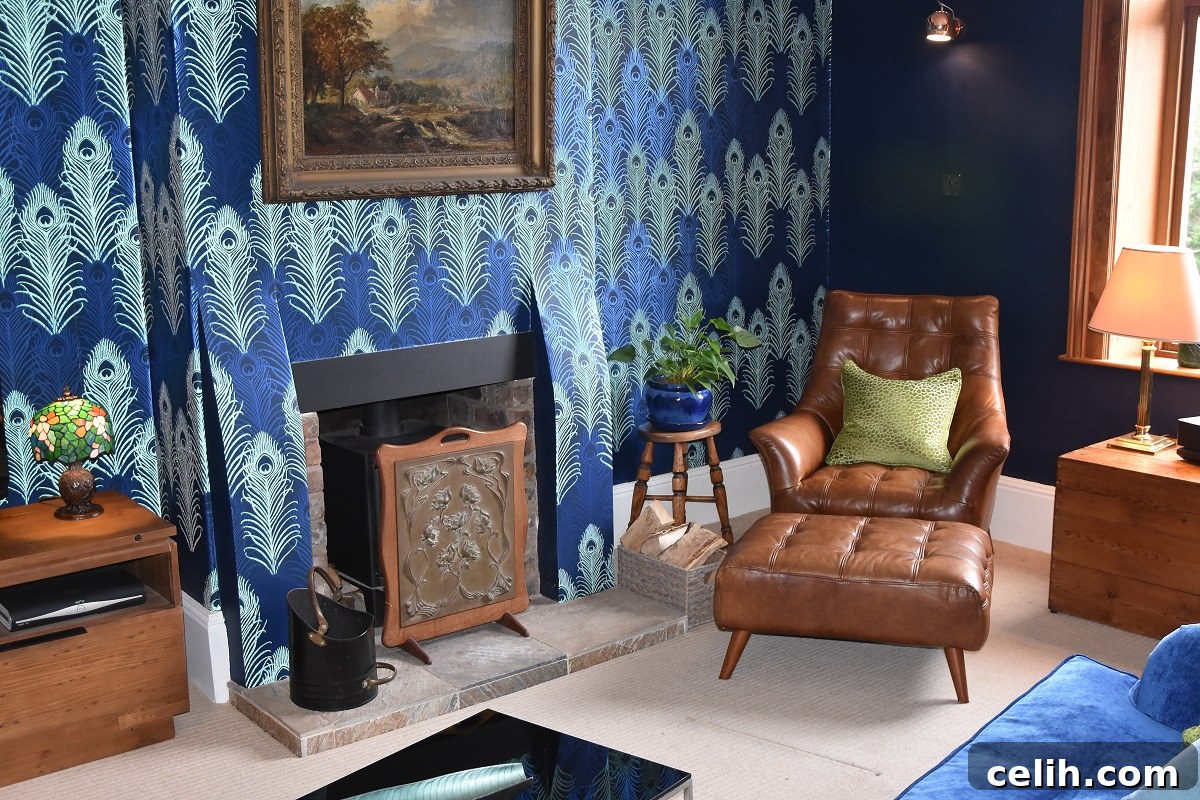
At the heart of Moira Spencer’s design philosophy is a bold and unequivocal endorsement of colour and texture. She believes that many people are unnecessarily apprehensive about incorporating vibrant hues into their homes, a fear she actively seeks to dispel.
Conquering the Fear of Colour: A Non-Permanent Expression
“In my experience, people are frightened of colour and they really shouldn’t be – after all, paint isn’t permanent!” Moira asserts with a reassuring laugh. This simple truth underscores her belief that your home is the ultimate canvas for self-expression. Instead of defaulting to safe, neutral palettes, she encourages homeowners to trust their instincts and let their personalities shine through. “Your home is the one place you can really express your personality, so go with your gut instinct.” If a particular colour, like purple, resonates deeply, she advises embracing it, perhaps by starting with smaller touches before committing to larger applications. The key is to find “the right amount of colour to create the mood you want.”
The Psychology and Impact of Colour
Moira emphasizes that colour is far more than just an aesthetic choice; it’s a powerful psychological tool. “Colour has a huge effect on mood, so don’t pick it for how it looks but rather for how it makes you feel.” Understanding the emotional impact of different hues – how blues can be calming, yellows uplifting, or reds energizing – is central to creating a harmonious and psychologically supportive environment. This nuanced approach ensures that spaces not only look good but also feel right.
Weaving in Texture: Adding Depth and Interest
Beyond colour, texture is Moira’s other secret weapon for adding depth, warmth, and personality to a space. She encourages its liberal use across various elements: “Use texture in rugs, throws, lampshades, even on the walls.” The interplay of different textures – a plush velvet cushion against a rustic wooden table, a smooth ceramic lamp base contrasted with a chunky knit throw – creates visual interest and a tactile experience that elevates a room from ordinary to extraordinary. Texture adds layers, making a space feel more inviting, sophisticated, and ultimately, more designed.
Moira leaves us with a memorable, witty reminder: “Remember, friends will rarely walk into your house and say, ‘Oooh, I love what you’ve done with all the beige!’” This playful jab at conventionality perfectly encapsulates her philosophy: design should be personal, expressive, and ultimately, joyful.
For more information about Moira Spencer and her innovative interior design services for both homes and unique commercial spaces like sports clubs, please visit www.gloveandlotus.com.