
Is your home feeling a bit dated, lacking cohesion, or simply not reflecting your current lifestyle and aesthetic? Perhaps you’ve outgrown its current design, or you’re moving into a new space that needs a personal touch. Whatever the reason, if you’re considering a transformation, it might be the perfect time to explore the invaluable expertise an interior designer can offer.
Many homeowners initially hesitate to hire an interior designer, often assuming the cost will be prohibitive. However, this perception frequently overlooks the immense value a professional brings to a project. A skilled interior designer can translate your vision into reality, create a space that is not only beautiful but also highly functional, and often help you avoid costly mistakes. The result is a home you genuinely adore, one that you might never have achieved on your own. This successful transformation often proves to be a wise investment, enhancing your daily living experience and potentially adding significant market value to your property.
A reputable interior designer understands the importance of budget constraints. They should be transparent about their fees and committed to working within your pre-determined financial framework. Before commencing any work, a good designer will candidly assess your budget and inform you if they believe it’s unrealistic for your aspirations. In fact, some designers embrace a modest budget as an exciting creative challenge, demonstrating their ingenuity in delivering stunning results efficiently and economically. Regardless of your budget size, engaging a professional will involve a significant investment, making thorough preparation and careful selection paramount.
Choosing the right interior designer is a crucial step towards realizing your dream home. It’s a decision that requires thoughtful consideration, research, and clear communication. To help guide you through this process, we’ve compiled our top tips for selecting the perfect interior designer who aligns with your style, needs, and vision for your cherished living space.
Strategic Preparation: Before You Engage an Interior Designer
Embarking on an interior design project requires more than just a desire for change; it demands clarity on your part regarding your expectations and requirements. Before you even begin interviewing designers, dedicating time to self-reflection and detailed planning will streamline the entire process and ensure a smoother collaboration. This preparatory phase is vital for articulating your vision and understanding the scope of work.
-
Define Your Level of Involvement: How hands-on do you wish to be throughout the design journey? Some clients prefer to be deeply involved, reviewing every fabric swatch, furniture piece, and color palette. They might want the designer to run every single detail past them for approval. Others are happy to provide a comprehensive brief and general guidelines, then trust the designer to execute the project with minimal day-to-day oversight. Consider if you’ll be actively sourcing materials and furnishings yourself, or if you expect the designer to handle all procurement. Being clear about your preferred level of involvement from the outset will help you find a designer whose working style complements yours and establishes realistic expectations for both parties.
-
Identify Your Service Needs: Do you require a comprehensive, end-to-end design service that covers everything from conceptualization and space planning to material selection, project management, and final installation? Or are you simply seeking expert advice on specific elements, such as color schemes, lighting solutions, furniture layouts, or recommendations for reputable tradespeople and resources? Understanding the breadth of service you need will influence the type of designer you seek and their fee structure.
-
Establish Your Timeline Expectations: How quickly do you anticipate seeing tangible results? Are you working with a strict deadline, perhaps for an upcoming event or a move-in date? Interior design projects can range from quick makeovers to extensive renovations, each with varying timeframes. Communicating your desired pace and any critical deadlines upfront is essential for the designer to assess feasibility and plan accordingly.
-
Set a Realistic Budget and Prioritize: One of the most critical aspects of preparation is defining your financial parameters. What is your absolute maximum budget for the entire project, including designer fees, materials, furnishings, contractor labor, and any unforeseen contingencies? It’s also crucial to identify areas where you are prepared to compromise if necessary. Are there certain elements you consider non-negotiable, while others offer flexibility? Having a clear budget and a hierarchy of priorities will enable the designer to allocate resources effectively and present options that align with your financial comfort zone.
-
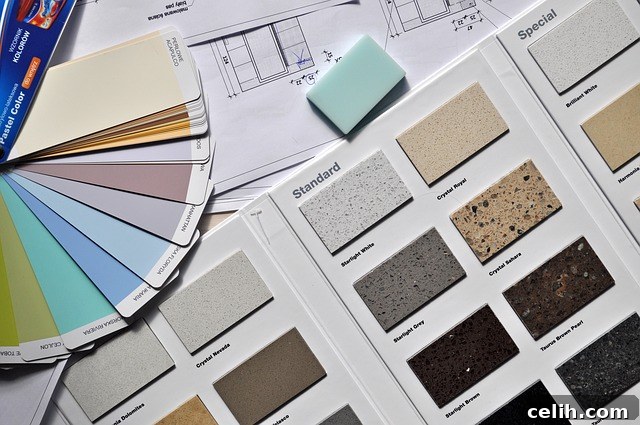
Gather Your Inspirations and Ideas: Even if you’re hiring a designer for their creative vision, having a clear understanding of your personal preferences is invaluable. Collect and organize any ideas you have, no matter how disparate they seem. This could include fabric swatches, photographs from magazines or online platforms like Pinterest and Houzz, paint color samples, architectural styles you admire, or images of furniture you love. The more detailed and visually rich your collection, the easier it will be for the designer to grasp your aesthetic and translate it into a cohesive design concept.
-
Determine Project Management Responsibilities: Who will be the primary project manager for the renovation or redesign? Will you take on the role of overseeing contractors and timelines yourself? Will the interior designer manage the entire project, coordinating all trades and ensuring smooth execution? Or will a third-party project manager be brought in for larger, more complex undertakings? Clarifying this responsibility prevents confusion and ensures accountability throughout the process.
-
Identify the User and Purpose of the Space: For whom is the space being designed, and what is its primary function? Is it a family living room designed for entertaining and relaxation, a child’s bedroom that needs to be both playful and practical, a serene master suite, or a highly functional home office? Understanding the occupants and their activities within the space will significantly influence design choices, from durability of materials to ergonomic considerations and overall ambiance.
-
Consider Existing Features: Are there architectural elements, heirlooms, or existing pieces of furniture that you wish to incorporate into the new design, perhaps to highlight them as focal points or discreetly blend them in? Conversely, are there features you’d prefer to conceal or modify? Clearly articulating these preferences allows the designer to weave existing elements seamlessly into the finished look, respecting the history and character of your home while introducing fresh perspectives.
-
Explore Environmentally Friendly Options: Is sustainability a priority for you? Are you interested in incorporating eco-friendly materials, energy-efficient lighting, or furniture crafted from recycled or sustainably sourced resources? Many designers specialize in green design and can advise on options that align with environmental consciousness without compromising on style or quality. Discussing this early allows them to integrate sustainable practices into the design proposal.
-
Articulate Your Personal Style: While designers help refine your style, it’s beneficial to have a foundational understanding of your aesthetic preferences. Do you gravitate towards traditional elegance, sleek contemporary lines, cozy rustic charm, minimalist simplicity, eclectic bohemian vibes, or industrial chic? Providing examples of what you like and dislike—even styles you wouldn’t consider for your own home—helps the designer pinpoint your taste and create a design that authentically reflects you.
Identifying the Ideal Interior Designer for Your Home
The relationship you build with an interior designer is quite unique. This professional will enter your personal space, delve into your lifestyle, and aim to understand your deepest desires for your home. Given this intimate dynamic, it is absolutely vital to find someone with whom you feel a strong personal connection and can communicate openly and honestly. The best place to start your search is often through personal recommendations from friends, family, or colleagues who have had positive experiences. Alternatively, actively seeking out and reviewing examples of a designer’s previous work can provide invaluable insight into their style and capabilities.
Beyond personal endorsements, professional accreditation serves as a strong indicator of a designer’s competence and adherence to industry standards. For instance, accreditation with the British Institute of Interior Design (BIID) signifies that a designer has met the most rigorous national professional standards available for interior design in the UK. The BIID website is an excellent resource, allowing you to search for accredited professionals in your local area, giving you peace of mind that you’re considering qualified and ethical practitioners. Similar professional bodies exist in other countries, such as the American Society of Interior Designers (ASID) in the United States, which uphold high standards for their members.
Once you have a shortlist of potential designers, take advantage of the initial consultation many professionals offer. This ‘meet and greet’ session is an invaluable opportunity for both you and the designer to assess compatibility. It’s a chance to discuss your project informally, gauge their personality, communication style, and overall approach. Use this time to ask questions about their process, listen to their initial thoughts on your project, and determine if their vision aligns with yours. Don’t hesitate to meet with several designers until you find that perfect match – someone whose expertise, personality, and working methods resonate with your expectations.
Key Questions to Ask an Interior Designer Before Hiring
Once you’ve identified a few promising candidates, it’s time to conduct more in-depth interviews. To help you evaluate whether a particular designer is the right fit for your specific project and personality, consider using the following checklist of questions. Their answers will provide crucial insights into their experience, capabilities, and professional practices.
-
“Could I see your portfolio and photographs of previous projects?” Reviewing a designer’s portfolio is non-negotiable. This visual evidence will give you a clear understanding of their aesthetic range, quality of work, and professional style. Pay attention to projects that are similar in scope or style to what you envision for your own home. Ask about the challenges faced in those projects and how the designer overcame them. If they have clients in your local area, don’t hesitate to ask if it would be possible to visit some of their finished projects to see their work firsthand. This offers an unparalleled perspective on their design execution and attention to detail.
-
“Do you work with a regular team of contractors and tradespeople?” Most experienced interior designers cultivate a trusted network of contractors, builders, electricians, plumbers, and other trades they frequently collaborate with. Working with a designer’s established team can offer significant advantages, as they are accustomed to the designer’s standards, communication methods, and workflow. This often results in smoother project execution and higher quality craftsmanship. If the designer prefers to work with their own team, ask about their vetting process for these contractors. If you prefer to use your own contractors, discuss how the designer typically integrates with external teams.
-
“Are you fully insured?” Professional indemnity insurance and public liability insurance are absolute necessities for any reputable interior designer. Professional indemnity covers claims made against the designer for negligence or errors in their advice or design work, while public liability covers incidents that may occur on your property during the project. Always ask for proof of their current insurance certification to ensure you are adequately protected in unforeseen circumstances.
-
“What is your current availability and typical project lead time?” Highly sought-after designers often have busy schedules. It’s important to understand their current workload and when they would realistically be able to commence work on your project. This question also provides insight into their capacity to dedicate sufficient time and attention to your project. Good designers are in demand, and knowing their availability helps manage your expectations regarding start dates and overall project duration.
-
“What is the estimated timescale for my project?” Gaining a clear understanding of the projected timeline from the outset is crucial for planning. Discuss key milestones, phases of the project, and realistic completion dates. A transparent designer will provide a detailed schedule, outlining design phases, procurement periods, construction/installation times, and buffer periods for unexpected delays. This helps you to manage your own expectations and coordinate any necessary arrangements, such as temporary living solutions if extensive renovations are planned.
-
“What is your communication style and preferred method of contact?” Clear and consistent communication is the cornerstone of a successful design project. Ask how often they will communicate updates, through what channels (email, phone, in-person meetings), and what their response time typically is. This establishes expectations for ongoing dialogue and ensures you feel informed throughout the process.
-
“How do you handle revisions and changes to the design?” It’s common for ideas to evolve as a project progresses. Understand the designer’s policy on revisions. Are there a certain number of revisions included in their fee? How are additional revisions handled and charged? Clarifying this upfront prevents misunderstandings and potential extra costs down the line.
-
“Could you explain your purchasing and procurement process?” Designers often have access to trade discounts on furniture, materials, and accessories. Understand how they handle purchasing: do they pass on discounts, charge a markup, or use a combination? How will items be ordered, tracked, and delivered? Will you be directly involved in approving every purchase?
Understanding Interior Designer Fees and Contracts
Transparency regarding fees is paramount to a successful client-designer relationship. Interior designers employ various fee structures, and it’s imperative that you fully understand how you will be charged before signing any agreement. Do not hesitate to ask for a detailed breakdown and clarification on any aspect of their proposed charges.
Common fee structures include:
-
Flat Hourly Rate: The designer charges a set rate for every hour they spend on your project. This is often suitable for smaller projects, consultations, or when you need advice on specific design dilemmas. Ensure you understand what activities are included in the hourly rate (e.g., meetings, drawing time, sourcing, communication).
-
Flat Project Fee: A single, fixed fee is charged for the entire scope of work, irrespective of the hours spent. This provides cost predictability for the client but requires a very clear and detailed scope of work established upfront. Any changes to the scope (scope creep) will typically incur additional fees.
-
Percentage of Project Value: Some designers charge a percentage of the total project cost, which includes the cost of all materials, furnishings, and contractor labor. This model often incentivizes the designer to maximize the project’s overall aesthetic and quality, but it’s important to clarify how “project value” is defined.
-
Cost-Plus / Mark-up: The designer purchases items (furniture, fabrics, accessories) at their trade discount and then sells them to the client at a mark-up (which can be retail price or a percentage above trade). This covers their time for sourcing, ordering, and managing deliveries. Clarify what percentage markup will be applied.
-
Retainer Fee: An upfront payment or deposit made to secure the designer’s services, which is then typically credited against future invoices. This ensures commitment from both parties.
Beyond the primary fee structure, it’s crucial to clarify what additional costs may or may not be included. Always ask if Value Added Tax (VAT) or other local taxes are incorporated into their quoted fees. Furthermore, inquire about expenses like materials, furnishings, shipping and delivery costs, travel expenses for site visits outside a certain radius, professional photography of the completed project, and administrative charges. These ancillary costs can significantly impact your overall budget, so a clear understanding prevents unexpected surprises.
Request a firm schedule outlining project milestones and a corresponding payment schedule. This transparent document should detail when payments are due, linked to specific deliverables or phases of the project. Also, discuss any potential penalty fees that might apply in the event of serious delays, whether caused by the client, the designer, or unforeseen circumstances. A well-drafted contract should cover these eventualities, offering protection and clarity to both parties.
Ultimately, hiring an interior designer is an investment in your home and your quality of life. By understanding their fee structures, preparing thoroughly, and asking the right questions, you can select a professional who not only transforms your space but also makes the entire process enjoyable and rewarding. The value they bring, from conceptual vision to meticulous execution, often far outweighs the initial cost, resulting in a beautifully designed, functional, and deeply personalized home that you will cherish for years to come.