
For countless individuals, the journey of homeownership represents far more than just acquiring a structure; it embodies a profound sense of pride, security, and achievement. It’s a significant personal milestone and often a tangible symbol of success and stability. Owning a home provides a sanctuary you can truly call your own, a place to settle down, nurture a family, and create lasting memories. Beyond its emotional value, a home stands as one of the most substantial investments many Americans will make. Unlike many depreciating assets, residential real estate typically appreciates in value over time, making it a critical component of long-term financial planning and wealth accumulation. Consequently, for homeowners contemplating selling their property, the question of how to maximize its market value becomes paramount. Understanding the various factors that influence property appraisal is key, from macro-economic conditions and the local real estate market to the specific characteristics and condition of the home itself. Among these crucial determinants, strategic home renovation stands out as an incredibly effective way to significantly boost your property’s appeal and selling price. In this comprehensive guide, we will delve into the most impactful home renovation projects that consistently deliver excellent returns on investment, helping you navigate the path to a profitable sale.
Kitchen Upgrades: The Heart of Home Value
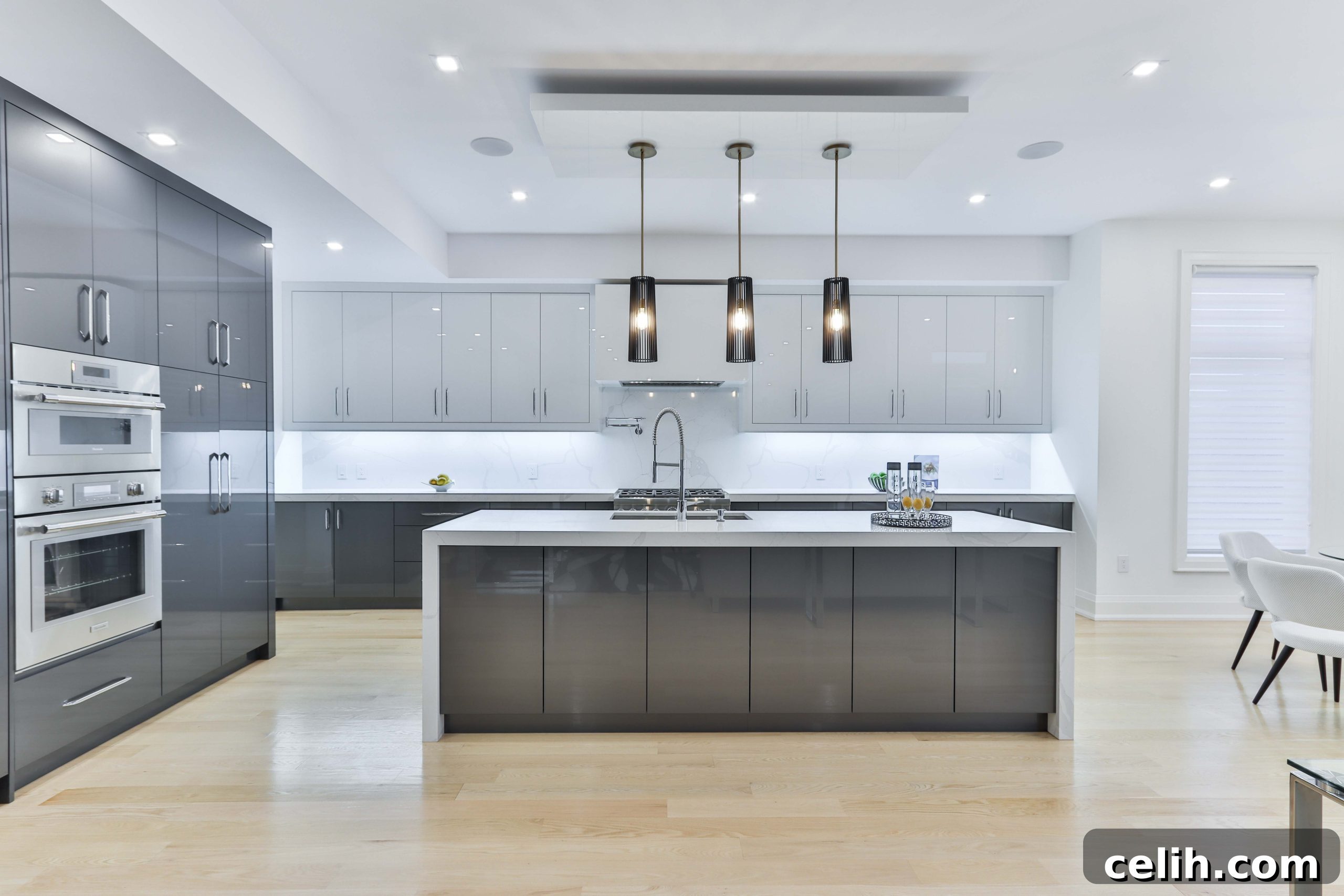
While the idea of a full-scale home renovation might be appealing, the reality is that such extensive projects often yield a lower return on investment (ROI) compared to targeted upgrades. This is precisely why focusing your renovation efforts on specific, high-impact areas makes the most financial sense, especially when the goal is to increase property value for resale. Research consistently indicates that kitchen remodels are among the smartest investments, frequently offering an impressive return of 70% to 80% or even higher on your initial outlay. The reason for this high ROI is simple: kitchens are universally regarded as the true heart of a home. They are more than just spaces for meal preparation; they serve as central gathering spots for families, entertaining guests, and even informal workspaces.
Prospective homebuyers are acutely aware of the kitchen’s significance, often prioritizing its condition and aesthetic during their search. They are inherently drawn to kitchens that feature modern, up-to-date designs, high-quality finishes, and visually appealing elements that suggest both functionality and style. Specific features that can dramatically influence a buyer’s perception of value include sleek, stylish cabinetry that offers ample storage, durable and attractive countertops (such as quartz or granite), contemporary backsplashes that add a touch of elegance, and robust, appealing flooring options. Beyond these visible elements, thoughtful kitchen layouts, efficient appliance placement, and good lighting also play a crucial role. Investing in energy-efficient appliances can also be a significant draw, appealing to eco-conscious buyers and promising lower utility bills. Ultimately, a well-executed kitchen renovation doesn’t just improve a single room; it elevates the entire perceived value of the home, making it a primary selling point that can command a top dollar in a competitive real estate market. From open-concept designs to smart home integration, keeping abreast of current kitchen trends can further amplify your investment.
Bathroom Upgrades: Enhancing Comfort and Value
Alongside kitchens, bathroom renovations are another strategic home improvement project known for delivering a favorable return on investment. In today’s dynamic real estate market, buyer expectations for bathrooms have significantly evolved. With median home prices across the country often inching close to half a million dollars, even in areas outside major metropolitan hubs, potential homeowners are seeking features and finishes that clearly provide value commensurate with their substantial investment. A modern, well-appointed bathroom suggests comfort, cleanliness, and a well-cared-for home.
Bathroom renovations can frequently offer returns of 50% or more, making them a worthwhile endeavor for homeowners looking to boost their property’s appeal. However, it’s crucial to understand that simply spending a large sum of money on a remodel does not automatically guarantee a greater ROI. The key lies in striking the right balance between cost, quality, and market appropriateness. For instance, if your existing bathroom is already in excellent condition, boasts contemporary fixtures, and is functionally sound, undertaking a lavish $5,000 renovation might be an unnecessary expenditure with diminishing returns. Conversely, a more modest $2,500 remodel for a bathroom that is visibly dated, poorly maintained, or suffering from functional issues can yield substantial returns, dramatically improving its presentation and perceived value. The goal is to transform the space into an attractive, functional, and inviting environment without over-improving for the neighborhood or investing in ultra-luxury features that only a niche buyer might appreciate. Focus on upgrades like updated vanities, energy-efficient toilets, modern tiling, improved lighting, fresh paint, and perhaps a new showerhead or faucet. For master bathrooms, creating a spa-like atmosphere with features such as walk-in showers, freestanding tubs, and dual vanities can be particularly appealing. Ultimately, it’s about presenting a clean, contemporary, and efficient bathroom that resonates with a broad range of buyers, signaling a home that offers both comfort and enduring quality.
Elevating Curb Appeal: First Impressions That Last
The importance of curb appeal cannot be overstated in the realm of real estate. A well-maintained and visually appealing exterior creates an immediate and profoundly positive first impression, effectively setting the tone for the rest of your home. This is because the exterior is literally the first thing potential buyers encounter, often before they even step foot inside. When the curb of a property presents as meticulously cared for, it instantly conveys an impression that the entire property has received consistent attention and proper maintenance. This psychological effect is powerful: buyers are more likely to perceive such a home as requiring fewer immediate repairs and less ongoing maintenance, a factor that can genuinely justify a higher asking price.
A property boasting excellent curb appeal also naturally attracts significantly more buyer interest. This heightened interest translates into a greater number of inquiries, more scheduled showings, and ultimately, a larger pool of potential offers. The increased competition among buyers can drive up the sale price, dramatically increasing the chances of securing a successful sale at a premium. Simple, yet effective, improvements can make a world of difference. Consider revitalizing your landscaping with fresh mulch, vibrant flowers, and well-trimmed shrubs. A freshly painted front door, updated exterior light fixtures, and clean, well-maintained windows can instantly refresh the look. Ensure walkways and driveways are clean and free of cracks. Even something as simple as a new mailbox or house numbers can contribute to a polished appearance. For a larger impact, consider exterior paint, power washing the siding, or repairing any visible damage to the roof or gutters. These improvements demonstrate pride of ownership and signal to buyers that the interior of the home is likely just as well cared for, making curb appeal a cost-effective and high-impact strategy for boosting your home’s market value.
Strategic Considerations Before You Renovate
Before you enthusiastically dive into upgrading your kitchen, bathroom, or enhancing your home’s curb appeal, thorough preparation is absolutely essential. Home remodels, even seemingly simple ones, are significant undertakings that demand careful planning and financial foresight. Without proper consideration, they can quickly become expensive endeavors, potentially draining your finances without delivering the anticipated return. A strategic approach ensures your efforts are both effective and financially sound.
Funding Your Home Renovation Project
Securing the necessary funds is often the first major hurdle for any home renovation project. For many homeowners, a cash-out refinancing of their existing mortgage can be a viable and attractive option to access the capital needed. This process involves taking out a new, larger mortgage to pay off your current one, with the difference paid out to you in cash. It’s a strategy that can consolidate debt and provide funds for improvements, but it’s crucial to understand both its benefits and inherent risks. You can find numerous tips on refinancing your mortgage online, but always consult with a financial advisor to ensure it aligns with your long-term goals. One of the most opportune times for a cash-out refinance is when current interest rates are significantly lower than your existing mortgage rate, allowing you to not only extract cash but also potentially lower your monthly payments or reduce the total interest paid over the life of the loan. Similarly, refinancing can be a good option if you wish to adjust your loan terms, such as shortening the payback period to save on interest or lengthening it to reduce monthly payments. Other financing options include a Home Equity Line of Credit (HELOC), which offers flexible access to funds as needed, or a home equity loan, which provides a lump sum. Personal loans or even credit cards might be considered for smaller projects, but these typically come with higher interest rates. Thoroughly evaluate each option based on interest rates, repayment terms, and your financial situation to choose the most responsible funding method.
Assessing Market Dynamics and Practicality
As briefly mentioned earlier, practicality and market awareness are paramount, and you should pay close attention to these aspects. If your primary motivation for renovating is to boost your property’s value for resale, diligent research is non-negotiable. It’s a common pitfall for homeowners to invest thousands of dollars into extensive remodels, only to find that broader market conditions or other external factors negate the financial benefits. For instance, if the overall real estate market is experiencing a significant downturn, characterized by low buyer demand and declining property values, even the most exquisite renovation might struggle to yield a positive return. During such times, potential buyers may simply not be in a position or mood to purchase a home, regardless of its upgrades. Similarly, the condition of the rest of your home relative to your renovation budget is critical. If your property requires extensive structural work, such as roof repairs, foundation fixes, or updated electrical systems, but your budget only allows for cosmetic upgrades to a single area like the kitchen, the overall impact on property value might be limited. Buyers will likely factor in the cost of necessary major repairs, overshadowing the benefits of a newly remodeled kitchen. Always consider the “comps” – comparable properties in your neighborhood – to ensure your renovations are in line with local market expectations and won’t result in an “over-improvement” that pushes your home’s value far beyond what the neighborhood can support. A professional appraisal before and after considering renovations can provide valuable insights.
Planning for Success: Budgeting and Professional Help
Successful home renovation, particularly when aimed at increasing property value, hinges on meticulous planning and smart execution. The first and most critical step is to establish a detailed budget. This budget should encompass not just the cost of materials and labor, but also account for potential contingencies, typically 10-20% of the total project cost, to cover unforeseen issues. Research material costs, get multiple quotes from suppliers, and be realistic about what your funds can achieve. Trying to cut corners excessively can lead to shoddy workmanship or materials that detract from value rather than adding to it. Once your budget is firm, carefully plan the scope of your project. What exactly will be renovated? What style will you pursue? Will it complement the existing aesthetic of your home and the preferences of potential buyers in your area? Generic, neutral styles often appeal to a broader audience than highly personalized ones.
Hiring qualified professionals is another non-negotiable aspect of maximizing your ROI. While DIY projects can save on labor costs, complex renovations like kitchen and bathroom remodels often require specialized skills in plumbing, electrical work, tiling, and carpentry. A poorly executed DIY renovation can actually decrease property value and deter buyers due to visible flaws or safety concerns. Seek out reputable contractors, obtain multiple bids, check references, and ensure they are licensed and insured. A good contractor will help you navigate permits, ensure code compliance, and manage the project efficiently. Clear communication with your contractor throughout the process is vital to keep the project on track and within budget. By thoroughly planning, budgeting wisely, and engaging skilled professionals, you set the stage for a renovation that not only transforms your living space but also strategically positions your home to command top dollar in the real estate market.
Conclusion
In essence, strategically remodeling parts of your home can indeed be a remarkably smart investment that yields dual benefits: it significantly enhances your personal living space, creating a more enjoyable and functional environment for you and your family, and it concurrently boosts your property’s market value, paving the way for a more profitable sale. However, it’s imperative to approach renovations with a clear understanding that while they can deliver a positive return on investment, the ultimate success lies in striking a delicate balance. This balance involves harmonizing your personal tastes and preferences with the broader appeal and potential resale value that the market demands. Your home should undoubtedly reflect your unique style and comfort, but when preparing for sale, its ability to attract and appeal to a wide audience of potential buyers becomes paramount.
By focusing on high-impact areas like kitchen upgrades, bathroom renovations, and enhancing curb appeal, you target the features that resonate most strongly with buyers and consistently offer excellent ROI. Furthermore, by meticulously planning your project, securing appropriate funding, carefully assessing market conditions, and engaging skilled professionals, you mitigate risks and optimize your investment. With thoughtful consideration, strategic planning, and a keen eye on market trends, you too can transform your home into a highly desirable property, not just a place you love, but a valuable asset poised to command top dollar in the competitive real estate market.