
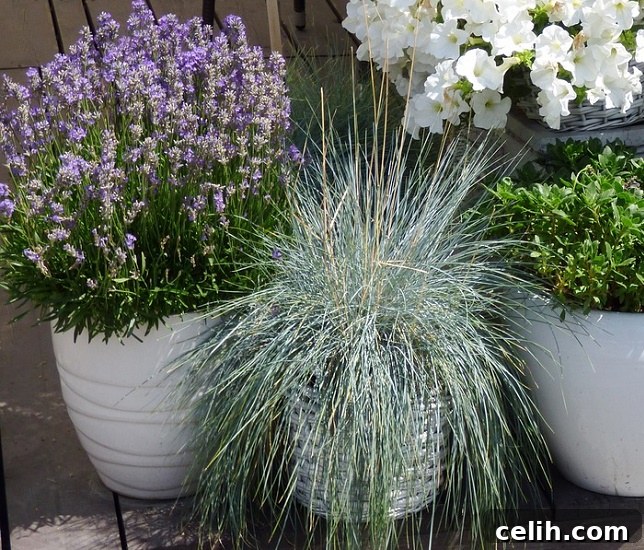
Create a Breathtaking Scented Container Garden for Your Small Space
Imagine stepping onto your patio or balcony and being greeted by an intoxicating blend of natural perfumes. Even with the most modest outdoor area, you can cultivate a vibrant and aromatic haven. A scented container garden is not only a feast for the eyes but also a delightful sensory experience, transforming tiny spaces into personal retreats. By strategically selecting fragrant shrubs and flowers and arranging them in containers of varying sizes and styles, you can create visual depth and a continuous tapestry of summer scents. This comprehensive guide will walk you through everything you need to know to design, plant, and maintain your very own perfumed paradise, no matter how small your outdoor footprint.
Planning Your Aromatic Sanctuary: Design & Preparation
Before you even think about planting, a little planning goes a long way. Creating a truly enchanting scented garden starts with understanding your space and preparing it for new life. This foundational stage ensures your plants thrive and your garden remains a joy to behold.
Assess Your Space and Sun Exposure
Begin by observing your outdoor area. How much sun does it receive throughout the day? Note areas that get full sun (6+ hours), partial sun (3-6 hours), and shade (less than 3 hours). This crucial information will guide your plant selection, as different aromatic plants have varying light requirements. Consider prevailing winds, which can either disperse fragrance beautifully or dry out your plants too quickly. Also, think about the primary use of your space – is it for morning coffee, evening relaxation, or casual entertaining? This helps in positioning plants for maximum enjoyment of their scent.
Patio and Balcony Preparation: The Essential Cleanup
A tidy foundation is key to a beautiful garden. If your patio or balcony has been neglected over the colder months, now is the time for a thorough cleanup. Start by sweeping away accumulated dead leaves, soil, and debris. Secure any loose paving stones or deck boards to ensure a safe and stable environment for your containers.
Winter weather can often leave surfaces looking a bit green and slimy due to algae and moss growth, especially in areas that receive less sunlight. For a quick and effective clean, consider using a patio cleaner containing sodium hypochlorite, a strong bleach available at garden centers or agricultural merchants. Always dilute it according to the manufacturer’s instructions and apply it carefully using a watering can or sprayer. The slime and grime will typically melt away without the need for vigorous scrubbing. However, if you have pets or small children, or prefer a chemical-free approach, it’s best to opt for very hot water, a generous amount of washing-up liquid, and a sturdy yard brush. A good dose of ‘elbow grease’ will get your patio sparkling clean and safe for everyone.
Choosing and Preparing Your Containers
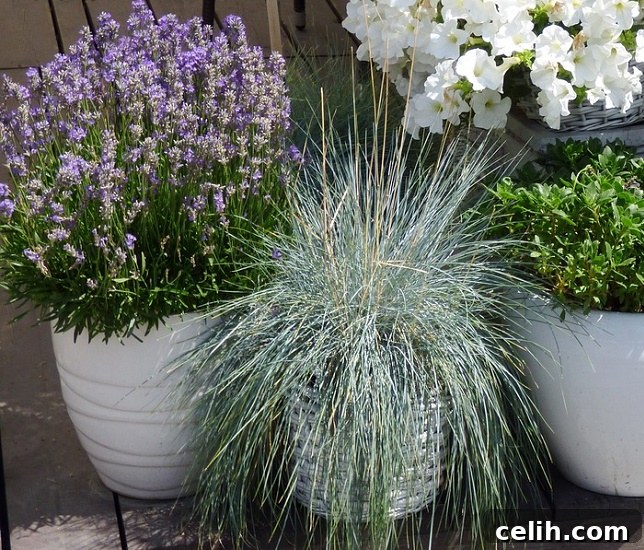
The right containers are essential for both aesthetics and plant health. Begin by thoroughly cleaning any existing pots, discarding old soil to prevent disease and nutrient depletion. If you need new containers, explore options that complement your outdoor decor. A thoughtful mix of different heights, materials, colors, and sizes will add visual interest and perspective to your garden, ensuring each plant gets adequate sunlight and contributes to an overall lush display.
When selecting pots, consider the material: terracotta offers a classic look and excellent breathability but dries out quickly; plastic is lightweight and retains moisture but can look less natural; ceramic pots are beautiful but heavy; and wooden planters provide a rustic charm but require proper sealing. Regardless of the material, ensure every pot has adequate drainage holes at the bottom to prevent waterlogging, which can be fatal to most plants. To further enhance drainage and prevent soil from escaping, place a layer of stones, gravel, or broken pot shards at the bottom of each container before adding your potting mix.
The Ideal Potting Mix for Fragrant Plants
The foundation of healthy container plants is a high-quality potting mix. While compost is excellent for nutrients, using it alone in containers can lead to rapid drying and nutrient depletion. A good strategy is to use a specific container potting mix, which is formulated to offer better drainage, aeration, and moisture retention than garden soil. Many premium mixes contain perlite or vermiculite for drainage, and slow-release fertilizers for sustained nutrient supply. You can also mix in some well-rotted garden compost or a general-purpose peat-free compost to enrich the medium. Aim for a mix that is loose, well-draining, yet capable of holding moisture. Regularly check the moisture levels, especially during warmer months, as container plants tend to dry out much faster than those in the ground.
Selecting Your Aromatic Palette: The Art of Fragrance
Choosing the right plants is where your scented garden truly comes alive. The goal is to create a symphony of scents that delight throughout the seasons and even at different times of the day. Consider not just the bloom, but also the foliage, which can often be just as aromatic.
Creating Continuous Scent: Staggering Bloom Times
To enjoy a continuous aromatic experience from spring through autumn, carefully select plants with staggered flowering times. By combining early bloomers with mid-summer stars and late-season beauties, you can ensure that your garden always has something fragrant to offer. Research the bloom periods of your chosen plants and plan your arrangement accordingly to maintain a succession of delightful aromas.
Embracing Evening Fragrances
If your outdoor space is primarily used in the evenings, focus on plants that release their most potent fragrances after dusk. These ‘night bloomers’ are specifically evolved to attract nocturnal pollinators like moths and will fill your twilight garden with enchanting aromas, creating a truly magical atmosphere for evening relaxation.
Beyond Flowers: The Beauty of Fragrant Foliage
While flowers are often the star of a scented garden, many plants offer delightful fragrances through their leaves. Herbs like rosemary, thyme, and mint, as well as plants like scented geraniums, release their aromas when touched or brushed against, adding another layer to your sensory garden. These can provide consistent fragrance even when flowering plants are resting.
Top Picks for Your Breathtaking Scented Container Garden
Here’s a curated list of some of the most captivating fragrant plants that thrive in containers, perfect for transforming any small space into an aromatic oasis. We’ll delve into their characteristics, care tips, and what makes them ideal candidates for your scented sanctuary.
Lavender (Lavandula)
- Fragrance Profile: Sweet, herbaceous, calming.
- Ideal Conditions: Everyone’s favorite for a reason, lavender is remarkably easy to grow and loves a nice, sunny position where it won’t get too damp. Good air circulation is key to prevent fungal issues.
- Bloom Time: Flowers typically peak between June and August, but in a very sunny and sheltered spot, they may continue to bloom until September.
- Container Care: Choose a well-draining potting mix, ideally slightly alkaline. Water sparingly once established, allowing the soil to dry out between waterings. Prune after flowering to maintain shape and encourage new growth. Dwarf varieties like ‘Hidcote’ or ‘Munstead’ are excellent choices for pots.
Evening Primrose (Oenothera biennis)
- Fragrance Profile: Delicate, sweet, most potent at night.
- Ideal Conditions: This enchanting plant is perfect for those who enjoy their outdoor space in the evenings. It thrives in full sun to partial shade and is adaptable to various soil types, as long as they are well-draining.
- Bloom Time: Bright yellow flowers unfurl in the late afternoon or early evening, releasing their fragrance and attracting night-flying insects, lasting from mid-summer into early autumn.
- Container Care: Ideal for borders and small containers. Ensure consistent moisture, especially during dry spells, but avoid waterlogging. Deadhead spent flowers to encourage more blooms.
Jasmine (Jasminum)
- Fragrance Profile: Rich, sweet, exotic, intensely floral.
- Ideal Conditions: Possibly one of the most fragrant garden plants, especially varieties like *Jasminum officinale* (Common Jasmine) or *Jasminum sambac* (Arabian Jasmine). They prefer a sunny, sheltered spot and well-draining soil.
- Bloom Time: Common Jasmine produces star-shaped white flowers from around July until September or October, filling the air with its intoxicating scent.
- Container Care: As a climbing plant, jasmine will need robust support from a trellis, an obelisk, or by being positioned against a wall. Ensure ample water during its growing season and protect from frost in colder climates by moving indoors or insulating the pot. Pruning after flowering helps manage its vigorous growth.
Fragrant Herbs (Rosemary, Thyme, Mint)
- Fragrance Profile:
- Rosemary: Piney, woody, slightly camphorous.
- Thyme: Earthy, savory, slightly lemon or minty depending on variety.
- Mint: Refreshing, cool, various notes (peppermint, spearmint, chocolate).
- Ideal Conditions: Herbs like rosemary and thyme are Mediterranean natives, making them ideal for sunny containers with well-draining soil. Mint is incredibly vigorous and best kept in its own pot to prevent it from taking over.
- Bloom Time: Most herbs flower in late spring to summer, but their primary attraction is their fragrant foliage, which releases scent when brushed or harvested.
- Container Care: Extremely easy to grow, they require minimal fuss. Water when the top inch of soil feels dry. Regular harvesting encourages bushier growth and provides you with fresh ingredients for cooking. Their lovely Mediterranean scent adds a practical and aromatic touch to any container garden.
Lilies (Lilium)
- Fragrance Profile: Rich, sweet, sometimes spicy, very potent.
- Ideal Conditions: Many lily varieties are perfect for containers. They prefer a position where their roots are cool (mulched or shaded by other plants) and their flowers are in the sun.
- Bloom Time: Lilies are among the earliest plants to scent your garden, often at their best from the end of May to July, depending on the variety. *Lilium longiflorum* (Easter Lily) is known for its long, trumpet-shaped, intensely fragrant white flowers.
- Container Care: Plant bulbs deeply in a well-draining, rich potting mix. Keep the soil consistently moist but never waterlogged. Fertilize regularly during the growing season. After flowering, allow the foliage to die back naturally to store energy for next year’s blooms.
Sweet Peas (Lathyrus odoratus)
- Fragrance Profile: Classic, sweet, delicate, intense.
- Ideal Conditions: Don’t overlook the humble yet magnificent sweet pea! They thrive in full sun and rich, well-draining soil.
- Bloom Time: These prolific climbers flower from around June to September, providing a continuous show of beautiful, highly scented blooms.
- Container Care: If you’re growing them in a container, they will definitely need a proper support structure to climb up. This could be a purpose-built trellis, an obelisk, or even a DIY pyramid made from four long bamboo canes pushed into the outer edges of the pot and tied together at the top to form a pyramid shape. Keep the soil consistently moist and deadhead regularly to encourage more flowers. Sweet peas are also fantastic as cut flowers, bringing their delightful fragrance indoors.
Other Notable Fragrant Plants for Containers:
- Roses (Dwarf & Patio Varieties): Classic beauty with an unmistakable fragrance. Choose compact varieties like ‘The Fairy’ or ‘Baby Blanket’. Require regular watering and feeding.
- Gardenia (Gardenia jasminoides): Exquisite, creamy white flowers with a famously intense, sweet scent. Needs acidic soil and consistent moisture; can be temperamental but rewarding. Often grown as a tender perennial in cooler climates, brought indoors for winter.
- Honeysuckle (Lonicera periclymenum ‘Graham Thomas’ or dwarf varieties): Offers a wonderfully sweet, heady scent, especially in the evening. Some varieties are vigorous climbers, requiring strong support, but compact shrub forms or carefully pruned climbers can work in large containers.
- Heliotrope (Heliotropium arborescens): Known for its deep purple flowers and a delightful vanilla-like or cherry pie fragrance. Loves full sun and consistent moisture. A lovely annual in most climates.
- Scented Geraniums (Pelargonium): While their flowers are often small, their foliage comes in an astonishing array of scents – lemon, rose, apple, mint, chocolate. Simply brush against them to release the aroma. Easy to grow and tolerant of drier conditions.
- Nicotiana (Flowering Tobacco): Many varieties, especially *Nicotiana alata*, release a powerful, sweet fragrance in the evening. Tall and elegant, perfect for adding height and evening scent.
Maintenance for a Lasting Fragrant Display
Once your scented container garden is established, regular care will ensure it remains healthy, vibrant, and continuously fragrant throughout the growing season.
Watering and Feeding Schedules
Container plants dry out faster than garden beds. Check soil moisture daily, especially during hot, windy weather. Water thoroughly until water drains from the bottom of the pot. Fertilize regularly with a balanced liquid feed every 2-4 weeks during the active growing season, or incorporate a slow-release granular fertilizer into your potting mix at the beginning of the season. Always follow product instructions.
Pruning and Deadheading
Deadheading (removing spent flowers) is crucial for many fragrant plants as it encourages the plant to produce more blooms instead of putting energy into seed production. This extends the flowering period and thus the scent. Pruning helps maintain the plant’s shape, encourages bushier growth, and removes any dead or diseased branches. For herbs, regular harvesting also acts as a form of pruning, promoting fresh, aromatic growth.
Pest and Disease Management
Inspect your plants regularly for signs of pests or diseases. Early detection makes treatment easier. Many common container plant pests (aphids, spider mites) can be managed with organic solutions like insecticidal soap or neem oil. Ensure good air circulation around your plants to prevent fungal issues.
Winterizing Your Scented Containers
For tender perennials or annuals, consider their fate as winter approaches. Annuals can be composted. Tender perennials (like Gardenia or some Jasmines) can often be brought indoors to a bright, cool spot to overwinter, reducing watering. Hardier perennials and shrubs can remain outdoors, but their pots may need insulation (e.g., wrapping with bubble wrap or burlap) to protect roots from freezing temperatures. Raise pots off the ground to prevent waterlogging.
Conclusion: Your Personal Oasis Awaits
Creating a scented container garden is a deeply rewarding endeavor, offering an accessible way to infuse even the smallest outdoor spaces with beauty, life, and intoxicating fragrances. From the calming notes of lavender to the exotic allure of jasmine, and the fresh zest of herbs, each plant contributes to a unique sensory tapestry. By following these guidelines on planning, plant selection, and ongoing care, you can cultivate a personal oasis that not only captivates the senses but also provides a continuous source of joy and relaxation. So, embrace the possibilities of container gardening, experiment with different scents and textures, and prepare to immerse yourself in the delightful perfumes of your very own fragrant haven.