
Are you looking to transform your urban outdoor space into a vibrant sanctuary for local fauna? Even a compact city garden, balcony, or a small backyard can become a crucial haven for wildlife, contributing significantly to urban biodiversity.
Many urban dwellers mistakenly believe that their small plots are unsuitable for attracting wildlife. However, this couldn’t be further from the truth! Local wildlife, from birds and bees to hedgehogs and small mammals, will gratefully discover a green oasis amidst the concrete jungle. While dedicated nature reserves and large green spaces are vital, private gardens offer interconnected corridors and essential resources that urban creatures desperately need. Creating a wildlife-friendly garden in a town or city center not only supports local ecosystems but also brings immense joy and educational opportunities to gardeners. You’ll be amazed at the diverse array of visitors your garden will attract, enriching your daily life and fostering a deeper connection with nature.
Here are comprehensive and practical tips to guide you in creating an thriving urban wildlife garden, filled with habitats and plants that small mammals, birds, and beneficial insects will absolutely adore.
Urban Wildlife Garden Tip 1: Maximize Your Planting Potential
This might seem like the most obvious piece of advice, but it truly is the cornerstone of any successful urban wildlife garden. Wildlife, by its very nature, seeks cover, shelter, and a reliable food source. If your garden primarily consists of hard surfaces like paving stones or gravel, these essential elements are largely absent, leaving creatures feeling exposed and vulnerable. You don’t need to embark on a massive landscaping project or replace all hardscaping with a lawn. Instead, focus on maximizing the green space you already have and intelligently introducing new planting opportunities.
Begin by looking upwards and outwards. Utilize vertical spaces by growing climbers such as fragrant clematis, honeysuckle, or jasmine up any fences, walls, or trellises. These not only add stunning visual appeal, vibrant color, and delightful scent to your garden but also provide vital cover and nesting sites for birds and insects. Many climbers also offer nectar for pollinators or berries for birds.
If you have existing flowerbeds, no matter how small, cram them full of a diverse array of plants. Think in layers: taller perennial shrubs like buddleias (renowned for attracting butterflies) and spiraea japonica can form the backdrop, providing structure and more substantial shelter. Always check their mature height and spread to ensure they don’t outgrow your space. In front, introduce bright, insect-friendly annuals and shorter perennials such as cosmos, sweet williams, snapdragons, marigolds, and lavenders. Prioritize native plants as they are best adapted to your local climate and provide the most effective food and habitat for native wildlife. Consider dedicating a corner of a bed to “go wild,” allowing native wildflowers to flourish, creating a varied and natural habitat.
For those without traditional flowerbeds, containers are your best friends. Invest in larger pots; they retain moisture better and require less frequent watering than smaller ones. You can create impressive displays by grouping various sizes of pots, or even using a tiered planter. A trough on legs, for example, can be surrounded by smaller terracotta pots underneath, maximizing your plants-for-space ratio. Experiment with different plant types: herbs like rosemary and thyme attract bees, while plants like nasturtiums can provide a food source for caterpillars. The greater the diversity of plants – in terms of flowering times, heights, and types – the more likely you are to attract a wider range of wildlife throughout the year, supporting a healthier urban ecosystem.
Even if you only have a window box, it can make a difference. Fill it with nectar-rich flowers like petunias, fuchsias, or herbs, and you’ll soon observe buzzing bees and other pollinators stopping by.
Urban Wildlife Garden Tip 2: Provide Essential Water Sources
Access to fresh water is fundamental for all living creatures, and in urban environments, natural water sources can be scarce, especially during hot summer months. Adding a water feature, no matter how small, can be incredibly beneficial for local wildlife, providing a vital spot for drinking, bathing, and even breeding.
For a dynamic touch, consider a small fountain. The sound of moving water can be very attractive to birds, and the circulation helps keep the water fresher for longer, reducing the need for constant cleaning. However, simpler solutions are just as effective. A classic bird bath is an excellent choice; ensure it has a shallow edge and a gradual slope to allow smaller birds and insects to access the water safely. Regular cleaning is key to prevent algae buildup and the spread of diseases. Alternatively, even a large, shallow bowl of water, such as an old baking tray or a plant pot saucer, placed directly on the ground or on a low pedestal, can serve as a lifeline. To ensure insects like bees and butterflies can drink without drowning, add a few pebbles or marbles to provide safe landing and climbing spots.
If your urban garden has a bit more space, introducing a small garden pond with a few native water plants can transform your garden into a truly diverse habitat. Ponds attract a myriad of creatures, including frogs, newts, dragonflies, and a host of aquatic insects, all of which contribute to a healthy ecosystem. Make sure the pond has gently sloping sides or a ramp to allow creatures to enter and exit safely.
Urban Wildlife Garden Tip 3: Offer Reliable Food Sources
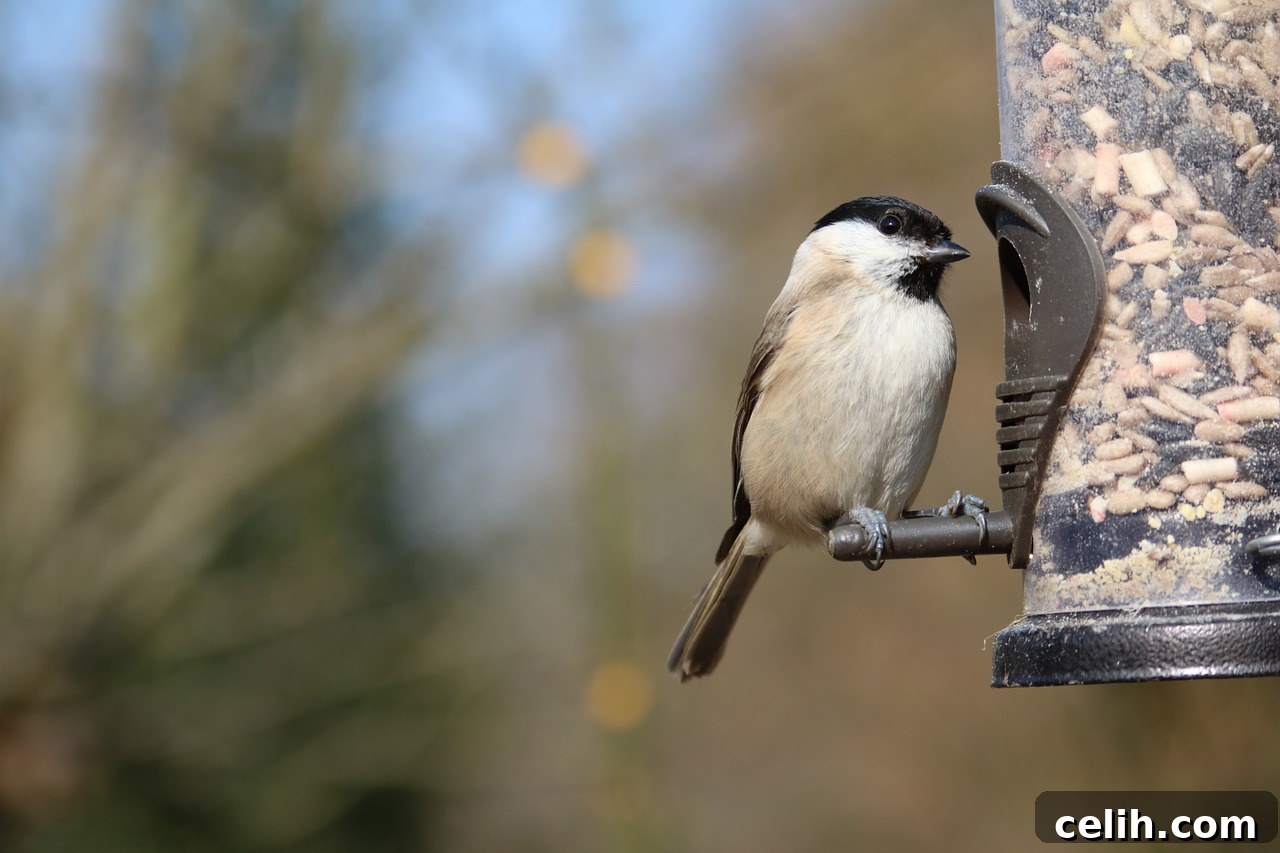
Providing food is another critical component of an urban wildlife garden, though it can sometimes be a bit more challenging in areas with a high density of domestic cats. Despite this, it’s entirely possible to safely put out bird feeders, ensuring they are positioned strategically to minimize risk to feeding birds.
Placement is crucial. An ideal spot is in a mature tree, as the branches offer natural cover and a quick escape route from predators. If a tree isn’t available, mount feeders on a high fence post or against the wall of your house, at a height that makes it difficult for cats to reach. Consider using baffle plates above or below feeders to deter squirrels and other pests. Regularly top up your feeders with a varied offering to attract a wider range of avian visitors. A mix of sunflower hearts, nyjer seeds, suet fat balls (especially in winter), dried fruit, peanuts, and even fresh fruit (like apples or oranges) can cater to different species’ dietary needs. Remember to clean feeders regularly to prevent the spread of diseases.
Beyond feeders, integrate plants that naturally provide food. Native berry-producing shrubs such as hawthorn, elder, cotoneaster, or pyracantha offer crucial sustenance for birds in autumn and winter. If you have the space, planting a small fruit tree like a cherry, crabapple, or even a serviceberry (amelanchier) will be an invaluable resource for wildlife, providing both food and shelter. Plus, these trees offer beautiful blossoms in spring and often stunning autumn foliage, adding aesthetic value to your garden.
Don’t forget the importance of insect life as a food source. By cultivating a diverse range of flowering plants, you’re not just providing nectar for pollinators; you’re also creating a healthy population of insects that birds and other creatures rely on for food, especially during breeding season.
Urban Wildlife Garden Tip 4: Embrace Organic Practices – Say No to Pesticides
Committing to an organic approach might initially seem like more effort than using chemical solutions, but in a relatively compact urban garden, it’s far from onerous. Moreover, the benefits for wildlife and the overall health of your garden ecosystem are immeasurable. The immediate impact of pesticides extends far beyond the pests you’re targeting, disrupting the delicate balance of the entire food chain.
For instance, using slug pellets doesn’t just harm slugs; birds and hedgehogs that consume these poisoned slugs can become seriously ill or even die. Similarly, insecticides can indiscriminately kill beneficial insects like ladybugs (which prey on aphids) and bees (essential pollinators), leading to a collapse in the garden’s natural pest control mechanisms. Instead of reaching for chemicals, adopt simple, manual, and natural methods:
- Weed Control: Instead of spraying, pull weeds up by hand or use a hoe. Regular weeding, especially when weeds are young, makes this task manageable.
- Slug and Snail Management: Hand-pick slugs and snails in the evening and relocate them far from your garden, or consider humane traps. Create barriers with crushed eggshells or copper tape.
- Aphid Control: Attract natural predators like ladybugs, lacewings, and hoverflies by planting their favorite flowers (e.g., dill, fennel, calendula). A strong jet of water can also dislodge aphids from plants.
If you absolutely must use a commercial product, always ensure it is certified organic and specifically labelled as wildlife-friendly. By nurturing a balanced ecosystem in your garden, you empower nature to manage its own “pests,” fostering a robust and resilient environment where all creatures can thrive without exposure to harmful chemicals.
Urban Wildlife Garden Tip 5: Cultivate Shady Retreats and Hiding Places
Beyond food and water, wildlife requires safe spaces to rest, hide from predators, escape harsh weather, and raise their young. Shady areas and dense cover are incredibly valuable in an urban wildlife garden, providing essential security and microclimates.
Incorporate a variety of plants that offer dense foliage. Small evergreen shrubs, for example, provide year-round cover. Herbaceous borders packed with perennial plants create a thick undergrowth that small creatures can navigate and hide within. Native trees are an obvious choice for providing significant shade and shelter, offering nesting sites for birds and refuge for insects. If a large tree isn’t feasible, consider a multi-stemmed shrub or a compact ornamental tree that still provides substantial cover.
Beyond living plants, you can construct artificial habitats. For hedgehogs, creating a dedicated hideaway is a wonderful gesture. This could be a purpose-built hedgehog house, or simply an inverted sturdy crate with an entrance hole, covered with leaves, logs, and soil to make it inviting. Log piles (see Tip 7) and rockeries also create cool, dark, and damp environments that are perfect for insects, amphibians, and even small reptiles like slow worms. Strategically placed dense plant groupings can also create ‘corridors’ or ‘tunnels’ that small mammals and birds can use to move safely across your garden, reducing their exposure to predators.
Urban Wildlife Garden Tip 6: Install Bespoke Bird and Bee Boxes
To truly encourage wildlife to not just visit but also take up residence in your garden, providing dedicated nesting and roosting sites is a crucial step. Artificial shelters can fill the void where natural nesting spots might be scarce in urban settings.
Bird boxes are an excellent addition. They can be securely attached to existing trees, mounted high on a sturdy fence, or even nestled discreetly within a dense bush. To maximize your chances of attracting specific bird species, consider their preferences. For example, open-fronted boxes are preferred by robins and wrens, while boxes with a small, circular entrance hole are suitable for blue tits, great tits, and sparrows. Sparrows are social birds and often prefer to nest in communities, so a large sparrow box with multiple nesting compartments could attract a whole family. Ensure boxes are positioned away from prevailing winds and direct sunlight, and cleaned annually after the nesting season. If you’re a DIY enthusiast, crafting your own bird boxes from recycled materials can be a rewarding project.
Beyond birds, don’t forget the vital role of pollinators and beneficial insects. Installing bee boxes (or ‘bee hotels’) is a fantastic way to attract solitary bees, which are excellent pollinators and rarely sting. These structures usually consist of hollow stems or drilled blocks of wood. Similarly, dedicated insect hotels, made from various natural materials like bamboo canes, pinecones, and straw, can attract a wider range of beneficial insects such as lacewings and ladybugs. Place these in a sunny, sheltered spot.
Furthermore, create natural shelters: simple log piles arranged in a quiet corner of the garden offer invaluable habitat for a multitude of invertebrates, including beetles, spiders, woodlice, and snails. These creatures play crucial roles in decomposition and form part of the food web. Similarly, if you have pebbles or stones, arranging them into rock piles can provide cool, damp hiding spots for insects, as well as amphibians and small reptiles like slow worms, which are beneficial predators in the garden.
Urban Wildlife Garden Tip 7: Establish a Compost System
If you have the space, even a small corner, installing a compost heap or a dedicated compost bin for your kitchen scraps and garden waste is a remarkably beneficial practice for everyone involved – the planet, you, and especially the wildlife. It’s a cornerstone of sustainable gardening that yields multiple dividends.
Firstly, from an environmental perspective, composting significantly reduces your household waste sent to landfills, lowering your carbon footprint. Secondly, for you, it provides a continuous supply of rich, free organic compost that will dramatically improve your soil structure, fertility, and water retention, leading to healthier plants without the need for chemical fertilizers. This closed-loop system truly embodies the spirit of sustainable living.
Thirdly, and crucially for our urban wildlife mission, a compost heap or bin, particularly if placed directly onto the earth, quickly transforms into a bustling “insect hotel” and a mini-ecosystem in its own right. As organic matter breaks down, it attracts a multitude of decomposers: earthworms, woodlice, various beetles, and countless other invertebrates will move in, thriving in the warm, moist, and nutrient-rich environment. This teeming population of insects and grubs then becomes a prime food source for other wildlife, such as ground-feeding birds (like blackbirds and robins) and, most notably, hedgehogs, which feast on slugs, worms, and beetles found within and around the compost pile.
Beyond a formal compost system, you can also practice passive composting. Simply leaving logs to decay naturally at the back of flowerbeds or in a wilder corner of the garden offers a long-term haven for insects and fungi. As the wood slowly breaks down, it creates a unique microhabitat that supports a diverse range of organisms, further enriching your garden’s biodiversity.
Summary: Cultivating Your Urban Wildlife Oasis
Urban gardens, regardless of their size, possess an incredible potential to become vital havens for wildlife, offering essential habitats and resources throughout the year. By focusing on fundamental needs – shelter, food, and water – you can transform even the smallest outdoor space into a thriving ecosystem that supports local biodiversity.
The strategic planting of native trees, shrubs, and nectar-rich flowers provides not only aesthetic beauty but also critical sustenance and cover. Offering clean water sources and supplementing with feeders ensures that birds and insects have access to what they need, especially during challenging seasons. By embracing organic gardening practices, you protect these delicate creatures from harmful chemicals and foster a healthy, balanced environment.
Ultimately, your efforts in creating an urban wildlife garden will be richly rewarded. As you observe the increasing number of visitors – the buzzing of bees, the flitting of butterflies, the cheerful chirping of birds, and perhaps even the rustle of a hedgehog – you’ll discover a deeper connection to nature right on your doorstep. These safe, welcoming spaces encourage wildlife to stay, contributing significantly to urban ecosystems and bringing immense joy and tranquility to your daily life. Start today, and watch your garden blossom into a vibrant urban oasis!