
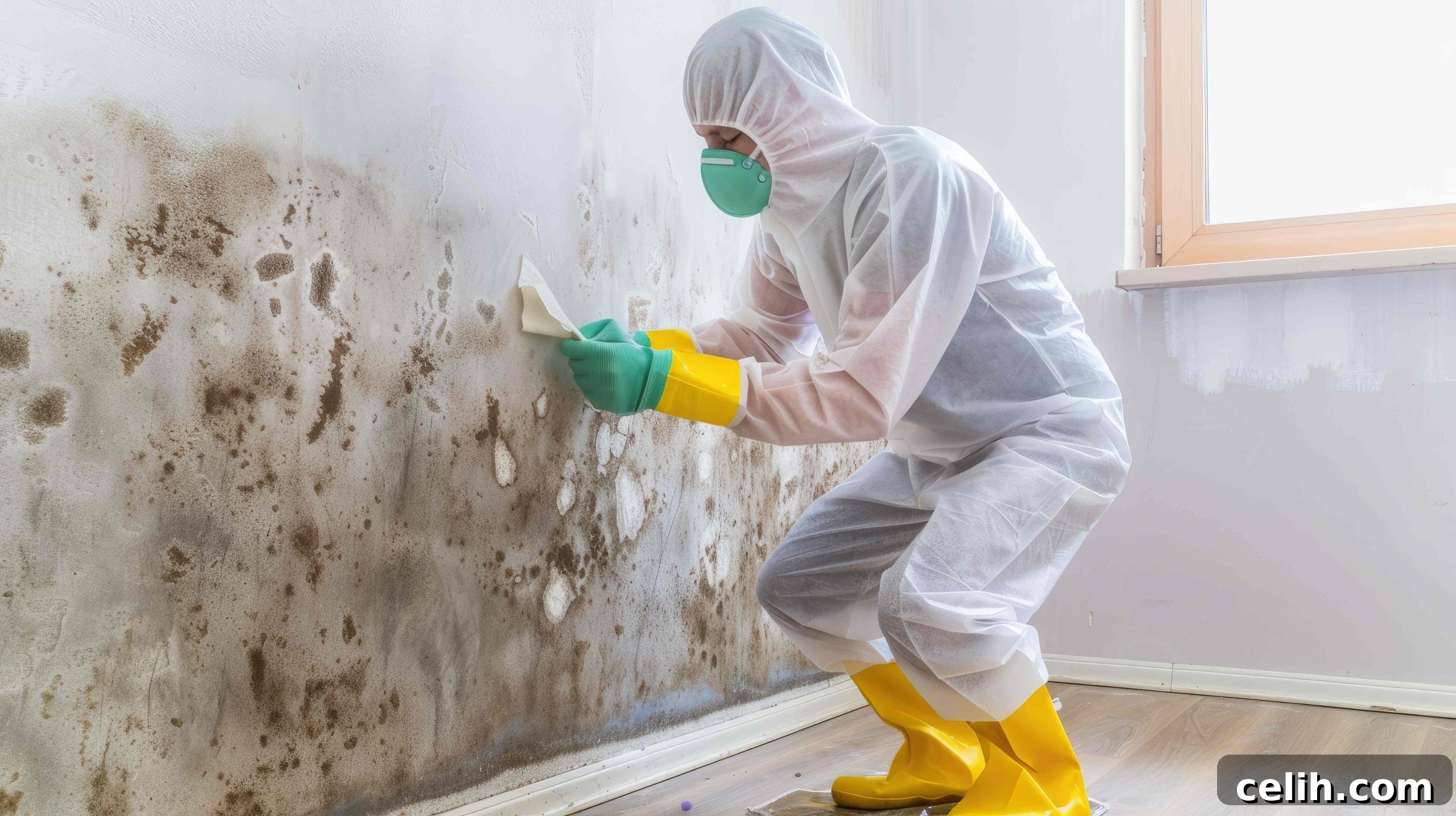
Ensuring Tenant Safety and Property Value: The Essential Role of Biohazard Remediation for Landlords
As a landlord, your core responsibilities extend beyond collecting rent; they encompass safeguarding your tenants’ well-being and maintaining the integrity of your investment property. Among the most critical, yet often overlooked, aspects of property management is addressing biohazard incidents. Events like unattended deaths, crime scenes, extensive hoarding, or exposure to infectious diseases can leave behind dangerous contaminants, posing severe health risks to current and future occupants if not handled with expert care. Biohazard remediation is not merely a cleanup service; it is a vital process that ensures the complete removal, disinfection, and restoration of affected areas, making properties safe and habitable once more. Partnering with specialized professionals, such as certified crime scene cleaners, is indispensable for navigating these complex and sensitive situations effectively. This comprehensive guide will explore nine compelling reasons why professional biohazard remediation is an absolute necessity for landlords committed to protecting their tenants, preserving property value, and mitigating potential liabilities.
1. Expert Removal of Hazardous Substances
When a biohazard incident occurs, properties can be left with a range of dangerous materials, from bodily fluids and tissues to chemical residues and infectious waste. These substances are inherently unsafe for untrained individuals to handle, requiring specific protocols and equipment to ensure their complete eradication. Biohazard remediation professionals are rigorously trained and certified to identify, contain, and remove these hazardous materials with precision. They utilize industry-grade personal protective equipment (PPE), specialized tools, and advanced cleaning agents to safely extract contaminants that might otherwise linger and pose health threats. By engaging certified experts, landlords can rest assured that all harmful substances are meticulously handled and removed, thereby eliminating immediate and long-term health risks for their tenants and ensuring regulatory compliance.
2. Comprehensive Decontamination and Sanitization Protocols
Beyond the visible removal of hazardous materials, biohazard incidents often leave behind microscopic pathogens that are imperceptible but highly dangerous. These include bacteria, viruses, fungi, and other harmful microorganisms capable of causing serious illnesses or disease transmission. Professional biohazard cleanup services employ extensive decontamination and sanitization procedures that go far beyond standard cleaning. They use hospital-grade disinfectants, often applied with foggers or electrostatic sprayers, to penetrate porous surfaces and neutralize these dangerous pathogens at a molecular level. This rigorous approach ensures that every inch of the affected area is thoroughly disinfected, creating an environment free from biological threats. Such a high level of sanitization is crucial for protecting tenant health, particularly in scenarios involving infectious disease outbreaks or traumatic incidents that can compromise air quality and surface sterility.
3. Critical Prevention of Cross-Contamination
One of the most significant dangers of improper biohazard cleanup is the risk of cross-contamination, where hazardous substances spread from the initial incident site to other areas of the property, expanding the potential health risks. Biohazard removal specialists are extensively trained in advanced containment strategies designed to isolate and prevent the migration of contaminants. This involves setting up critical containment barriers, using negative air pressure systems to control airflow, and meticulously sealing off affected rooms. They also follow strict protocols for equipment disinfection and personal protective equipment management to prevent accidental transfer of pathogens. This proactive and methodical approach ensures that unaffected spaces remain pristine and minimizes any potential tenant exposure to residual biohazards, safeguarding the entire property’s environment.
4. Compliant and Responsible Disposal of Hazardous Waste
Biohazardous materials, from contaminated furnishings and personal items to biofluids and medical waste, cannot be disposed of through conventional means. Incorrect disposal poses severe risks not only to tenants but also to public health and the environment. Certified crime scene and biohazard cleaners are well-versed in the stringent local, state, and federal regulations governing the handling, transportation, and disposal of biohazardous waste. They ensure that all contaminated materials are packaged, labeled, and transported in accordance with strict guidelines, often using specialized biohazard waste containers and approved transportation methods. This meticulous adherence to legal protocols prevents hazardous waste from lingering on the property, contaminating local landfills, or otherwise harming tenants, cleanup crews, or the broader community, thereby protecting landlords from legal and ethical repercussions.
5. Complete Odor Elimination for a Healthy Environment
Biohazard incidents frequently leave behind pervasive and deeply unpleasant odors that can be incredibly difficult, if not impossible, to eliminate with standard cleaning products. These persistent smells are not just a nuisance; they often indicate the continued presence of biological residues, bacteria, or decomposition, which can negatively impact air quality and tenant health. Professional biohazard cleaning services employ specialized odor control and air purification technologies, such as ozone generators, hydroxyl generators, and industrial-grade air scrubbers, to thoroughly neutralize and remove lingering smells at their source. This process doesn’t just mask odors; it breaks down the odor-causing molecules, leaving the property with a truly fresh, neutral, and clean scent. Eliminating these strong odors is vital for ensuring a comfortable, healthy, and inviting environment for returning tenants or prospective renters, signaling that the property has been thoroughly restored.
6. Robust Protection Against Legal Liability
Landlords are legally obligated to provide a safe, sanitary, and habitable living environment for their tenants. Failing to adequately address biohazard incidents through professional remediation can expose landlords to significant legal risks and liabilities. If a tenant suffers harm, illness, or psychological distress due to exposure to unmitigated contaminants, landlords could face severe legal consequences, including lawsuits for negligence, property damage claims, and hefty fines for health code violations. By promptly investing in professional biohazard remediation, landlords demonstrably uphold their commitment to tenant safety and adhere to all relevant health and safety regulations. This proactive approach significantly minimizes the risk of legal challenges, protects against reputational damage, and reinforces a landlord’s standing as a responsible and trustworthy property owner.
7. Enhanced Tenant Trust and Satisfaction
The relationship between a landlord and tenant is built on trust, and how a landlord responds to critical situations significantly impacts that trust. When a landlord swiftly and effectively addresses a biohazard incident with professional remediation, it sends a clear message of responsibility, care, and commitment to tenant welfare. Tenants deeply appreciate landlords who prioritize their safety and well-being, which in turn fosters stronger tenant satisfaction, encourages lease renewals, and can even lead to positive word-of-mouth referrals. Furthermore, potential renters are more likely to be attracted to a property managed by someone with a documented history of responsible property maintenance and thorough biohazard remediation practices, enhancing the property’s appeal and reducing vacancy rates.
8. Sustained Long-Term Property Value and Structural Integrity
Beyond immediate health concerns, neglecting biohazard remediation can inflict severe and lasting damage on the physical structure of a rental property. Biological contaminants, such as blood, bodily fluids, and decomposition residues, can seep into porous materials like drywall, subflooring, carpets, and wooden structures. Over time, this infiltration can lead to irreversible structural deterioration, compromised building materials, mold growth, and persistent odors that become embedded within the property. Such damage often necessitates extensive and costly repairs, potentially devaluing the property significantly. Professional biohazard remediation not only cleans visible contaminants but also treats hidden areas, restoring the property’s structural integrity and preventing costly future repairs. By investing in biohazard cleanup, landlords protect their asset’s long-term value, maintain its market appeal, and ensure it remains a safe and desirable living space for years to come.
9. Mitigating Health Risks from Mold and Bacteria Growth
Biohazard incidents, especially those involving moisture or decomposition, create ideal conditions for the rapid proliferation of mold and dangerous bacteria. These microscopic organisms can quickly spread throughout a property, contaminating air ducts, surfaces, and personal belongings. Such growth poses severe health risks to tenants, particularly those with respiratory conditions, allergies, or compromised immune systems. Symptoms can range from minor irritations to serious respiratory illnesses and infections. Biohazard remediation professionals are equipped to identify and eliminate these secondary biological threats. Their comprehensive approach includes not only disinfecting affected areas but also treating against potential mold and bacteria growth, addressing moisture sources if present, and ensuring thorough drying and ventilation. This holistic strategy prevents mold and bacteria from establishing a foothold, ensuring the property is not only clean but also microbiologically safe for tenant occupancy.
Final Thoughts
Biohazard remediation is far more than a specialized cleaning service; it is an indispensable component of responsible property management that profoundly impacts tenant health, safety, and overall satisfaction. For landlords, partnering with a certified and experienced biohazard cleanup company is an investment in peace of mind and the longevity of their property. It ensures that biohazard incidents, no matter how challenging or sensitive, are handled with the utmost professionalism, thoroughness, and strict adherence to legal and health guidelines. By taking decisive action and collaborating with a trusted biohazard cleanup partner, landlords not only create safer, healthier living environments for their tenants but also secure their valuable investment for the future, fostering a reputation for reliability and care within the community.