
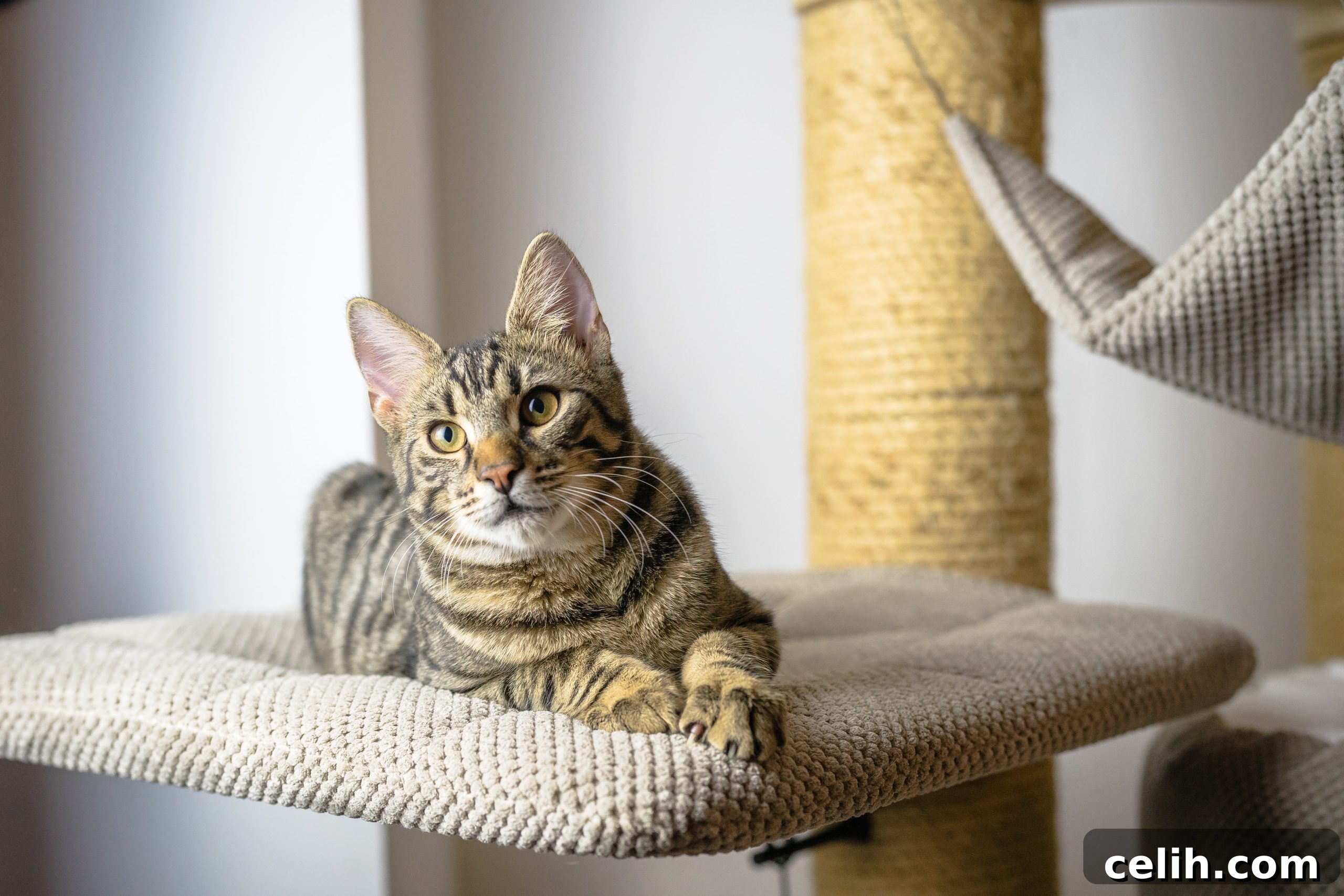
The idea that a stylish, well-kept home and the joyful companionship of pets are mutually exclusive is a common misconception. Many believe that owning a dog or, more specifically, a cat inevitably leads to a chaotic environment, marked by shedding fur, scratched furniture, and general disarray. While it’s true that our feline friends, with their playful antics and natural instincts, can certainly leave their mark, it doesn’t mean you have to sacrifice your aesthetic aspirations. With thoughtful planning and creative design choices, it’s entirely possible to cultivate an elegant living space that perfectly accommodates both your discerning taste and your beloved cat’s needs. This comprehensive guide will explore practical strategies and innovative ideas to help you design a home that is not only beautiful and inviting for humans but also a stimulating, safe, and happy haven for your cat.
Creating a harmonious home environment for both you and your cat involves understanding their natural behaviors and integrating solutions seamlessly into your decor. From dedicated play areas that blend with your furniture to durable materials that withstand feline wear and tear, every decision can contribute to a home that celebrates your pet without compromising on style. Let’s delve into how you can achieve this perfect balance.
Integrate Thoughtful Cat Furniture into Your Design
One of the foundational steps in creating a stylish and cat-friendly home is to strategically incorporate furniture designed specifically for your feline companion. Providing your cats with their own dedicated spaces for sleeping, climbing, and playing is crucial for their well-being and helps redirect their natural instincts away from your human furniture. However, the days of unsightly, bulky cat trees dominating your living room are long gone. Modern interior design offers an abundance of sophisticated solutions that seamlessly blend cat furniture into your home’s overall aesthetic.
The key lies in thinking beyond the floor plan. Utilizing vertical space is an incredibly effective and visually appealing method. Consider installing stylish shelves, wall-mounted cat runs, and elevated sleeping platforms that complement your existing decor. These installations can transform empty wall areas into engaging cat superhighways, offering your cat prime vantage points and opportunities for exercise. When chosen carefully, with attention to materials and finishes, these cat-centric features can appear less like pet accessories and more like architectural elements or unique shelving units, enhancing the room’s design rather than detracting from it. Imagine floating shelves that lead to a cozy, enclosed bed pod high on the wall, or a series of steps that blend into a built-in bookshelf, offering both storage for your books and adventure for your cat.
Furthermore, look for multifunctional furniture pieces. Coffee tables with integrated cat cubbies, ottomans that double as cat beds, or modular shelving systems that can be customized with cat-sized openings are excellent examples of how form and function can converge. These pieces not only save space but also offer your cat a sense of security and belonging within the main living areas without being overtly “cat-themed.” By investing in well-designed cat furniture, you’re not just providing for your pet; you’re making a statement about your commitment to a cohesive and thoughtful home environment.
Discover Stylish and Functional Pet Products
Beyond larger furniture pieces, every pet product you bring into your home offers an opportunity to enhance your interior design rather than detract from it. From the humble food bowl to the essential cat tree, there’s a growing market for pet products that prioritize aesthetics as much as functionality. The key is to be discerning in your choices, opting for items that resonate with your personal style and contribute to the overall ambiance of your living space.
When selecting pet products, focus on high-quality materials that are durable, easy to clean, and visually appealing. Steer clear of flimsy plastic items or cat trees covered in cheap carpet or synthetic faux fur, which often look dated and wear out quickly. Instead, seek out natural materials like solid wood, bamboo, ceramic, metal, and natural fibers such as sisal or jute. A sleek, minimalist ceramic bowl set, for instance, can elevate your cat’s dining experience while blending seamlessly with your kitchen or dining decor. Similarly, a modern wooden cat tree with clean lines and sturdy construction can serve as a sculptural element in a room, offering both entertainment for your cat and a visual focal point.
Consider products that feature innovative designs, such as hidden litter box enclosures that look like stylish end tables or plant stands. These ingenious solutions discreetly conceal necessities while providing functional pieces of furniture. Cat beds are another area where style can shine; look for cozy yet chic designs made from plush, washable fabrics in colors and patterns that complement your interior palette. Even carriers and travel crates can be found in more sophisticated designs that don’t scream “pet travel gear.” By investing a little extra time and perhaps a bit more budget into well-designed pet products, you’ll find that these items become integrated parts of your home’s character, reflecting a thoughtful and cohesive approach to living with cats.
Design a Safe and Engaging Cat-Friendly Garden
For cat owners whose felines enjoy the great outdoors, or for those considering outdoor access, designing a garden that is both safe for your cat and aesthetically pleasing for you is an excellent way to extend your stylish, cat-friendly philosophy beyond the interior walls. The primary concern for outdoor cats is safety from traffic, predators, and wandering too far, while also providing them with stimulating enrichment. This is where the concept of a “catio” or an outdoor cat enclosure comes into play.
Catios can range from small, window-mounted boxes to elaborate, fully enclosed structures that seamlessly integrate into your existing garden landscape. The beauty of modern catio design is its versatility. You can opt for custom-built enclosures that utilize high-quality materials like cedar or aluminum, featuring mesh that is both secure and unobtrusive. These structures can be designed to mirror the architectural style of your home, complete with roofing, shelves for climbing, and comfy perches for sunbathing and bird-watching. A well-designed catio can look like a stylish extension of your home, providing your cat with safe outdoor access without compromising your garden’s visual appeal. Discreet fencing solutions, often employing specialized barriers or rollers, can also be installed around the perimeter of your entire garden, allowing your cat free roam within a defined, safe space without being visibly intrusive.
Beyond enclosures, consider the flora of your garden. It’s paramount to ensure that all plants are non-toxic to cats. Research common garden plants and remove any known hazards. Instead, cultivate cat-friendly plants like catnip, cat grass, or silvervine, which can provide safe and stimulating enrichment. You can also incorporate natural elements like logs for scratching, shallow water features for playful paws, and shaded areas for comfortable naps. By thoughtfully curating your outdoor space, you create a stimulating environment for your cat that remains a serene and beautiful extension of your home.
Select Stylish and Effective Scratching Solutions
Protecting your furniture from your cat’s natural scratching instincts is paramount to maintaining a stylish home. Scratching is not a malicious act; it’s an innate behavior essential for a cat’s paw health, muscle stretching, and territorial marking. The challenge lies in providing attractive and effective scratching alternatives that cats will actually use, thereby diverting their attention from your prized sofa. For too long, scratching posts have been synonymous with bulky, carpet-covered eyesores. However, the market has evolved, offering a plethora of stylish options that can genuinely complement your decor.
When seeking out scratching materials, prioritize those made from natural, durable, and aesthetically pleasing resources. Solid wood scratching posts with sisal rope or woven sisal fabric are excellent choices. Their natural textures and earthy tones allow them to blend seamlessly with various interior styles, from rustic to modern minimalist. Some designs even integrate scratching surfaces directly into cat trees or furniture, making them less conspicuous. Corrugated cardboard scratchers are another popular option; look for designs that are sleek, perhaps even with a sculptural quality, and consider placing them in stylish holders or within decorative trays to elevate their appearance.
Strategic placement is just as important as the design of the scratcher itself. Place scratching posts in prominent areas where your cat typically likes to scratch or near their favorite sleeping spots. Offering a variety of scratching textures and orientations (vertical posts, horizontal pads, angled ramps) will cater to your cat’s preferences and increase the likelihood of them using the designated scratchers. You might even consider investing in furniture protectors made from transparent, durable materials that can be discreetly applied to vulnerable spots, providing a barrier while your cat transitions to their new scratching posts. By understanding your cat’s needs and choosing stylish, high-quality scratching solutions, you can effectively preserve your furniture and maintain the elegant appearance of your home.
Choose Pet-Friendly Materials for Your Home
Beyond cat-specific items, the general materials you choose for your home’s surfaces can significantly impact its pet-friendliness and longevity. Selecting durable, easy-to-clean materials for flooring, upholstery, and walls is crucial for maintaining a stylish home with cats. For flooring, hard surfaces like tile, hardwood, or luxury vinyl plank (LVP) are often superior to carpet. They are easier to sweep or vacuum free of fur, resist odors, and are generally more resilient to spills and accidents. If you prefer the warmth of carpeting, opt for low-pile, tightly woven options in stain-resistant materials and consider patterns that can help camouflage minor imperfections or shed fur.
When it comes to upholstery, certain fabrics are far more pet-friendly than others. Microfiber, for example, is a fantastic choice due to its tightly woven structure that resists cat claws and is remarkably easy to clean – fur doesn’t cling to it, and spills can often be blotted away. Leather is another excellent option; its smooth surface is resistant to fur accumulation, and minor scratches can often be buffed out or blend into the natural patina over time. Performance fabrics designed for outdoor use or busy households are also increasingly popular indoors, offering extreme durability and stain resistance. Avoid delicate fabrics like silk, velvet, or loose weaves that can easily snag and pull. For wall finishes, choose washable paints in a satin or semi-gloss finish, which are more resistant to smudges and easier to wipe clean than matte options.
Smart Storage Solutions for Cat Essentials
A clutter-free home is inherently more stylish. This principle extends to pet supplies. Litter boxes, food bags, toys, and grooming tools can quickly create visual noise if not properly managed. Smart storage solutions are essential for maintaining an organized and aesthetically pleasing home with cats. One of the most significant challenges is the litter box. Consider investing in stylish litter box enclosures that blend in as regular furniture, such as end tables, benches, or cabinets. These not only hide the litter box but also contain odors and litter scatter. Ensure they are well-ventilated and easy for your cat to access and for you to clean.
For food and treats, look for airtight, attractive containers that can be stored in pantries or on shelves. Dispense with bulky original packaging. Cat toys can be kept in decorative baskets or bins that match your decor, making them easily accessible for play but quickly tidied away. Wall-mounted shelves or hooks can be used to store leashes, harnesses, or other small items, keeping them off surfaces and organized. By integrating storage solutions that are both functional and beautiful, you can keep your cat’s necessities out of sight but always within reach, contributing to a serene and uncluttered living environment.
Minimizing Fur, Allergens, and Odors
Even the most stylish cat-friendly home needs practical solutions for managing the inevitable realities of pet ownership: fur, allergens, and occasional odors. Proactive measures can significantly reduce these issues, helping your home stay fresh and clean. Regular grooming is paramount. Brushing your cat frequently (daily or a few times a week, depending on their coat) will dramatically reduce shedding, meaning less fur on your furniture and floors. Invest in good quality grooming tools that are effective for your cat’s specific coat type.
For cleaning, a powerful vacuum cleaner designed for pet hair is a must-have. Look for models with strong suction and specialized attachments for upholstery. Regular vacuuming, especially in high-traffic areas and on upholstered furniture, will keep fur at bay. Air purifiers with HEPA filters can also be highly effective in reducing airborne dander and allergens, improving air quality and minimizing pet odors. Additionally, use washable throws or blankets on your furniture, especially in your cat’s favorite sleeping spots. These can be easily removed and laundered, keeping your main upholstery cleaner and fresher. Finally, using enzyme-based pet odor eliminators for accidents, rather than just masking smells, will ensure your home truly smells clean. By incorporating these habits and tools, you can maintain a fresh, allergen-reduced environment that feels inviting to everyone.
Ensuring Safety: Cat-Proofing Your Stylish Home
While focusing on aesthetics, never overlook the safety of your feline companions. A truly cat-friendly home is one where your cat can explore and play without encountering hazards. Cat-proofing your home means looking at your space from a cat’s perspective. Secure or hide electrical cords to prevent chewing, which can be dangerous for your cat and damaging to your electronics. Use cord covers or secure them behind furniture.
Be mindful of fragile or valuable items placed on open shelves or surfaces. Cats love to climb and explore, and a playful swipe can send a prized possession crashing down. Consider securing display items, placing breakables in cabinets, or ensuring shelves are sturdy and not easily jostled. Pay close attention to plants; many common houseplants are toxic to cats. Research any plants you own or plan to purchase and remove or rehome anything potentially harmful. Lilies, sago palms, and aloe vera are just a few examples of plants to avoid. Keep medications, cleaning supplies, and small objects that could be swallowed out of reach. Ensuring your home is safe allows your cat to thrive and gives you peace of mind, knowing that your stylish sanctuary is also a secure one for your beloved pet.
Ultimately, owning a cat and maintaining a stylish, impeccably designed home are far from incompatible goals. They are, in fact, complementary when approached with intention and creativity. By integrating thoughtful cat furniture, selecting high-quality pet products, creating safe outdoor havens, choosing clever scratching solutions, opting for pet-friendly home materials, implementing smart storage, and prioritizing safety, you can craft a living space that celebrates both human elegance and feline joy. Your home can truly be a beautiful, harmonious sanctuary where you and your cherished cat can thrive together.