
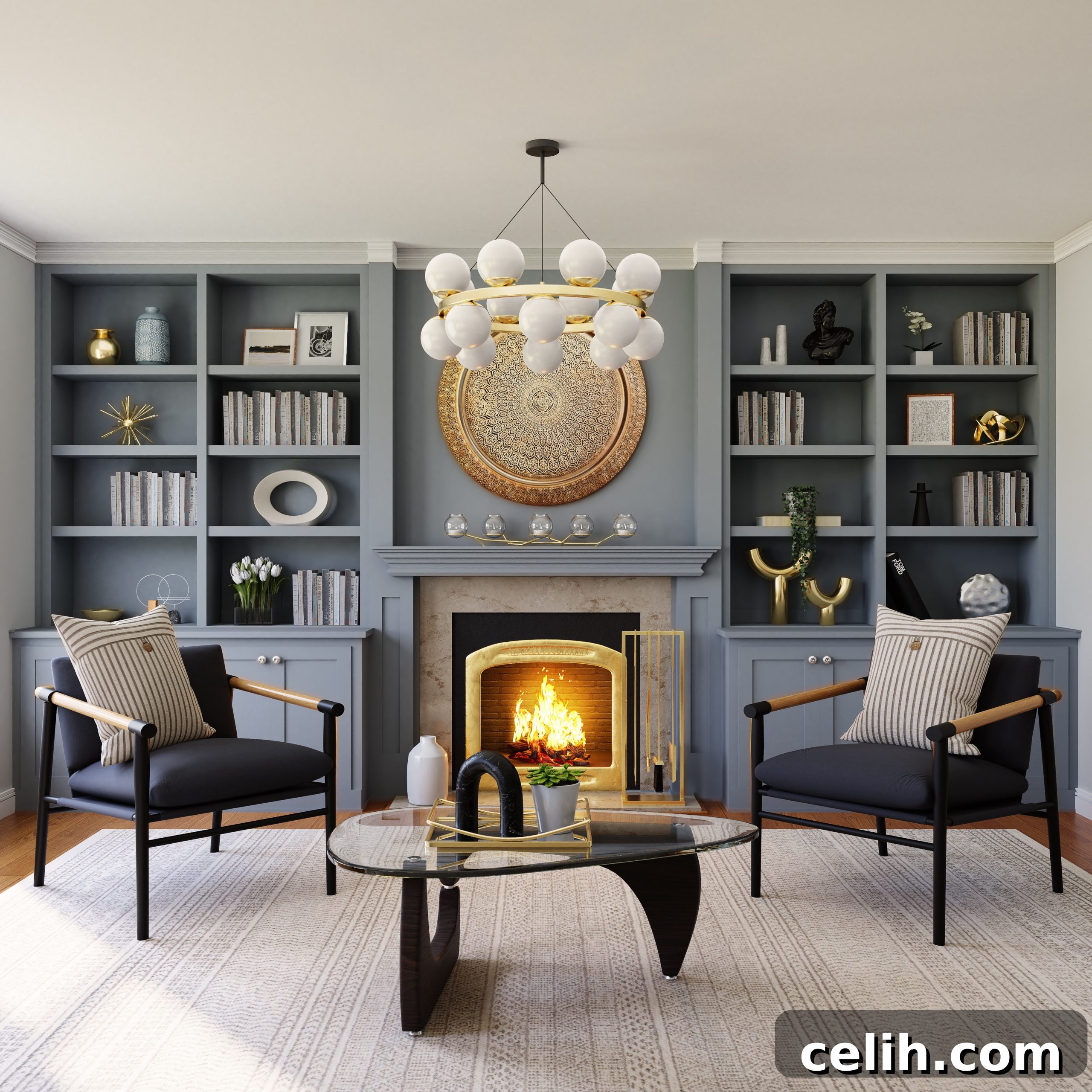
Embarking on the journey of furnishing a new home or refreshing an existing space is an exciting endeavor that blends personal expression with practical considerations. The furniture you select plays a pivotal role, not merely as functional items, but as foundational elements that shape the ambiance, comfort, and overall aesthetic of your living environment. More than just filling a room, well-chosen pieces can transform a house into a haven, a place where memories are made, and daily life unfolds with ease and style. They set the stage for relaxation after a long day, provide ergonomic support for work or leisure, and offer clever storage solutions that help maintain an uncluttered and serene atmosphere. Furthermore, investing in high-quality, durable furniture ensures longevity, saving you time and money in the long run while contributing to a sustainable lifestyle. This comprehensive guide will walk you through the essential steps to select furniture that not only looks good but genuinely enhances your daily living experience.
Understanding Your Space: The Foundation of Furniture Selection
Before you even begin to browse furniture catalogs or showrooms, the most crucial first step is to thoroughly understand the space you’re furnishing. This involves more than just a quick glance; it requires careful planning and precise measurements to ensure every piece fits harmoniously. Consider the architectural nuances, natural light, and existing elements of each room. Understanding these foundational aspects will empower you to make informed decisions, preventing costly mistakes and ensuring your furniture choices truly enhance your home.
Measuring and Mapping Your Layout
Precision is key when it comes to furniture placement. Start by accurately measuring the dimensions of each room – length, width, and ceiling height. Don’t forget to measure doorways, hallways, and stairwells to ensure your chosen pieces can actually be delivered and maneuvered into place. Creating a simple floor plan, either on paper or using online tools, allows you to experiment with different layouts and visualize how furniture will fit. Mark out window locations, electrical outlets, and built-in features like fireplaces or radiators. This visual guide will be invaluable in determining appropriate sizes and shapes for your new items.
Optimizing Traffic Flow and Defining Zones
Furniture should facilitate movement, not impede it. When considering your room’s layout, think about natural pathways and ensure there’s ample space to walk around pieces comfortably. For open-plan living areas, strategic furniture placement can help delineate distinct zones – a cozy reading nook, a productive workspace, or an inviting dining area – without the need for physical walls. Larger, multi-functional pieces often excel in open spaces, serving dual purposes and visually connecting different areas. Conversely, in smaller rooms, opt for compact designs that offer smart storage solutions without overwhelming the footprint. Pieces like a modular sofa or a nesting coffee table can maximize utility in a constrained environment.
Integrating with Architectural Features
Your home’s inherent architectural features are not obstacles but opportunities to enhance your interior design. Consider how furniture will interact with windows, doors, and built-in shelving. Avoid blocking natural light or obstructing pathways. For instance, a low-profile sofa might be perfect under a large window, while a tall bookcase can beautifully frame an entryway. Selecting furniture from reputable companies that offer a wide range of styles and dimensions, like Kasala, can help you find pieces that complement rather than compete with your room’s existing structure. The goal is to create a cohesive look where every element, from the largest sofa to the smallest side table, works in harmony to elevate the overall aesthetic and functionality of your home.
Defining Your Core: Choosing Anchoring Furniture Pieces
Once you have a clear understanding of your space and its functional needs, the next step is to identify the “anchoring pieces” that will serve as the focal points and workhorses of each room. These are typically the largest, most significant items that define the room’s purpose and style, providing the foundation upon which all other decorative elements will build. Choosing these key furniture items wisely is paramount, as they often represent the largest investment and dictate much of the room’s comfort and utility.
Living Room Essentials
In the living room, the sofa often reigns supreme as the primary anchoring piece. Consider its size (sectional, three-seater, loveseat), style (modern, classic, transitional), and material (durable fabrics, luxurious leather, velvet). A comfortable sofa is essential for relaxation and entertaining. Complementing the sofa, a stylish coffee table provides a central point for drinks, books, and decorative accents, while accent chairs offer additional seating and introduce varied textures or colors. For media storage, an entertainment unit or media console can keep electronics organized and out of sight, contributing to a clean, inviting atmosphere.
Dining Room and Bedroom Staples
For the dining room, the dining table is the undisputed anchor. Its size, shape (round, rectangular, square), and material should align with your dining habits and room dimensions. Pair it with comfortable dining chairs that match or thoughtfully contrast its style. A sideboard or buffet can offer valuable storage for dinnerware and serving pieces. In the bedroom, the bed frame is the central anchoring element. Choose a style that resonates with your personal taste and provides a sturdy foundation for restful sleep. Nightstands flanking the bed offer convenient surfaces for lamps and personal items, while a dresser or wardrobe provides essential storage for clothing, maintaining a clutter-free sanctuary.
Beyond the Basics: Functionality and Durability
Beyond these primary pieces, think about other key elements that enhance functionality. Shelving units can display beloved books, photos, and decorative knick-knacks, adding personality and visual interest. Console tables are versatile, perfect for entryways or behind sofas. When selecting these anchoring pieces, prioritize not just aesthetics but also durability and craftsmanship. High-quality construction ensures they will withstand daily use and remain beautiful for years to come. These foundational items are more than just furniture; they are investments in the comfort and character of your home, helping to create an inviting atmosphere that reflects your lifestyle.
Crafting Your Aesthetic: Themes, Styles, and Personal Expression
Once the foundational pieces are considered, the art of decorating lies in weaving together a cohesive design theme that speaks to your personal style and evokes a desired mood. Creating a cohesive look is not about rigid adherence to a single style but rather about thoughtful coordination of elements – colors, textures, shapes, and materials – to achieve a harmonious and visually appealing environment. This process allows your home to tell your story, creating a space that is uniquely yours and truly reflective of your taste.
Exploring Popular Design Styles
There’s a vast world of interior design styles, each with its unique characteristics. Popular themes include:
- Modern: Clean lines, minimalist approach, neutral colors, often uses metal, glass, and concrete.
- Scandinavian: Simplicity, functionality, natural materials (light wood), muted colors, cozy textures (hygge).
- Industrial: Raw and unfinished look, exposed brick, metal accents, reclaimed wood, utilitarian pieces.
- Farmhouse: Rustic charm, natural wood, distressed finishes, comfortable textiles, vintage accents.
- Bohemian: Eclectic mix of patterns, textures, vibrant colors, globally inspired decor, relaxed vibe.
- Traditional: Classic elegance, rich wood tones, ornate details, symmetrical arrangements, luxurious fabrics.
You don’t have to commit to just one; often, blending elements from a few styles creates a more personalized and interesting space, known as “transitional” or “eclectic” design.
Color Palettes and Textures
The chosen color palette forms the emotional backdrop of your room. Warm tones create an inviting and energetic atmosphere, while cool tones promote tranquility and spaciousness. Consider how natural light interacts with your chosen colors throughout the day. Textures add depth and sensory appeal – think the plushness of a velvet sofa, the roughness of a jute rug, or the smoothness of a polished wooden table. Mixing various textures prevents a space from feeling flat and adds a tactile richness that enhances comfort and visual interest.
Materials Matter
The materials of your furniture profoundly influence both its aesthetic and durability. Wood (oak, walnut, pine) offers warmth and timeless appeal, with different finishes affecting its character. Metal (steel, brass, iron) can introduce an industrial edge or sleek modernism. Glass adds lightness and contemporary flair. Upholstery fabrics range from durable cottons and linens to luxurious velvets and easy-to-clean microfibers. Leather offers a sophisticated look that ages beautifully. When choosing materials, consider not just the look but also maintenance requirements, suitability for pets or children, and environmental impact.
Personalizing Your Space with Accent Pieces
Once the main furniture is in place and the theme established, personalize your space with accent pieces. Artwork, mirrors, decorative objects, and plants are essential for adding character and warmth. Lighting, beyond basic function, acts as a decorative element, creating mood and highlighting features. Rugs define areas and add softness and color. These smaller elements are your opportunity to infuse your unique personality, creating a space that is not only welcoming and visually appealing but also deeply personal. A uniform yet personalized style helps prevent visual clutter, making the space feel balanced, tranquil, and easy to navigate for both residents and guests.
Beyond Aesthetics: Practical Considerations for Furniture Shopping
While style and comfort are paramount, the journey of selecting home furniture extends to several practical considerations that ensure long-term satisfaction and smart investment. Overlooking these aspects can lead to regrets, so a holistic approach is always best.
Budgeting for Quality and Longevity
Furniture is an investment in your home and your quality of life. While it’s tempting to opt for the cheapest option, investing in high-quality, well-constructed pieces often pays dividends in durability and aesthetic appeal over time. Establish a realistic budget for each room and item, prioritizing core pieces where longevity is most important. Remember that cheaper furniture might need frequent replacement, ultimately costing more in the long run. Look for sales, clearances, and consider custom-made pieces for specific needs, knowing that quality craftsmanship is worth the expense.
Functionality and Storage Solutions
Modern living often demands furniture that does more than one job. Multi-functional furniture, such as sofa beds, storage ottomans, or coffee tables with hidden compartments, can be invaluable, especially in smaller homes or apartments. Modular furniture offers flexibility, allowing you to reconfigure pieces as your needs change. Vertical storage solutions, like tall bookshelves or wall-mounted cabinets, maximize space without encroaching on floor area. Prioritize pieces that provide adequate storage for books, media, files, or linens, helping you maintain an organized and clutter-free environment.
Ergonomics and Comfort
Comfort is not a luxury; it’s a necessity, particularly for items used frequently like sofas, dining chairs, and office chairs. When choosing seating, consider ergonomic factors. Does the back support your spine? Are your feet flat on the floor? Can you sit comfortably for extended periods? For office furniture, adjustable features are crucial for promoting good posture and productivity. Prioritize pieces that offer the right balance of support and softness, ensuring your furniture contributes to your well-being rather than detracting from it.
Sustainability and Ethical Sourcing
A growing consideration for many homeowners is the environmental and ethical impact of their purchases. Look for furniture made from sustainably harvested wood, recycled materials, or non-toxic finishes. Research brands that prioritize fair labor practices and transparent supply chains. Choosing eco-friendly furniture not only benefits the planet but often also means higher quality and healthier materials for your home.
Delivery and Assembly
Don’t overlook the logistics of getting your furniture from the store to its final spot. Check delivery fees, lead times, and assembly requirements. Some large pieces might require professional assembly, which could be an additional cost. Confirm that the delivery team can navigate your building and room entries, especially for oversized items. Planning ahead for these practicalities will ensure a smooth and stress-free installation process.
The Shopping Journey: Tips for Making the Right Choices
The process of buying furniture can be as enjoyable as it is daunting. With countless options available online and in physical stores, making the right decision requires a blend of research, patience, and a bit of hands-on experience. Here are some key tips to navigate your furniture shopping journey successfully:
Online vs. In-store Experience
Both online retailers and brick-and-mortar stores offer distinct advantages. Online shopping provides a vast selection, competitive pricing, and convenience, but you miss the opportunity to physically interact with the furniture. In-store shopping allows you to sit on sofas, feel textures, and assess the true scale and color of items, which can be invaluable for major purchases. Ideally, blend both approaches: research online for ideas and reviews, then visit stores to see your top choices in person before committing.
Reading Reviews and Checking Dimensions
Before making a purchase, thoroughly read customer reviews. They often provide valuable insights into a product’s comfort, durability, actual color, and assembly challenges. Always double-check product dimensions against your room measurements to ensure a perfect fit. Pay attention to not just length and width, but also depth and height, especially for items like sofas that need to pass through doorways.
Testing Comfort and Durability
If possible, always test seating furniture. Sit on the sofa, recline in the armchair, and try out the dining chairs. Do they offer adequate support? Is the cushioning too soft or too firm? Feel the quality of the materials and examine the construction details. Open drawers, check joints, and assess the overall sturdiness. These tactile experiences are crucial for gauging long-term satisfaction.
Understanding Return Policies and Warranties
Familiarize yourself with the retailer’s return policy, especially for large furniture items, as these can vary significantly. Understand any restocking fees or time limits for returns. Inquire about warranties for craftsmanship, materials, and upholstery, as a good warranty can offer peace of mind and protect your investment against manufacturing defects.
Patience and Avoiding Impulse Buys
Furnishing a home is a marathon, not a sprint. Avoid the temptation of impulse purchases, especially for major pieces. Take your time, compare options, and sleep on your decisions. It’s perfectly acceptable to buy furniture in stages, focusing on the most essential items first and gradually adding accent pieces and decor. This allows you to live in the space, understand its evolving needs, and make more thoughtful, curated choices over time.
Selecting the right furniture for your home is an art that combines aesthetic vision with practical foresight. It requires patience, careful planning, and a deep understanding of your personal style and living needs. By considering your room’s layout, prioritizing anchoring pieces, crafting a cohesive theme, and adhering to practical considerations, you can transform your house into a comfortable, functional, and visually stunning home. With a little diligence and creativity, you can choose trendy yet timeless furniture that not only serves its purpose but truly elevates every day, making your living space feel like a luxurious and personalized retreat.