
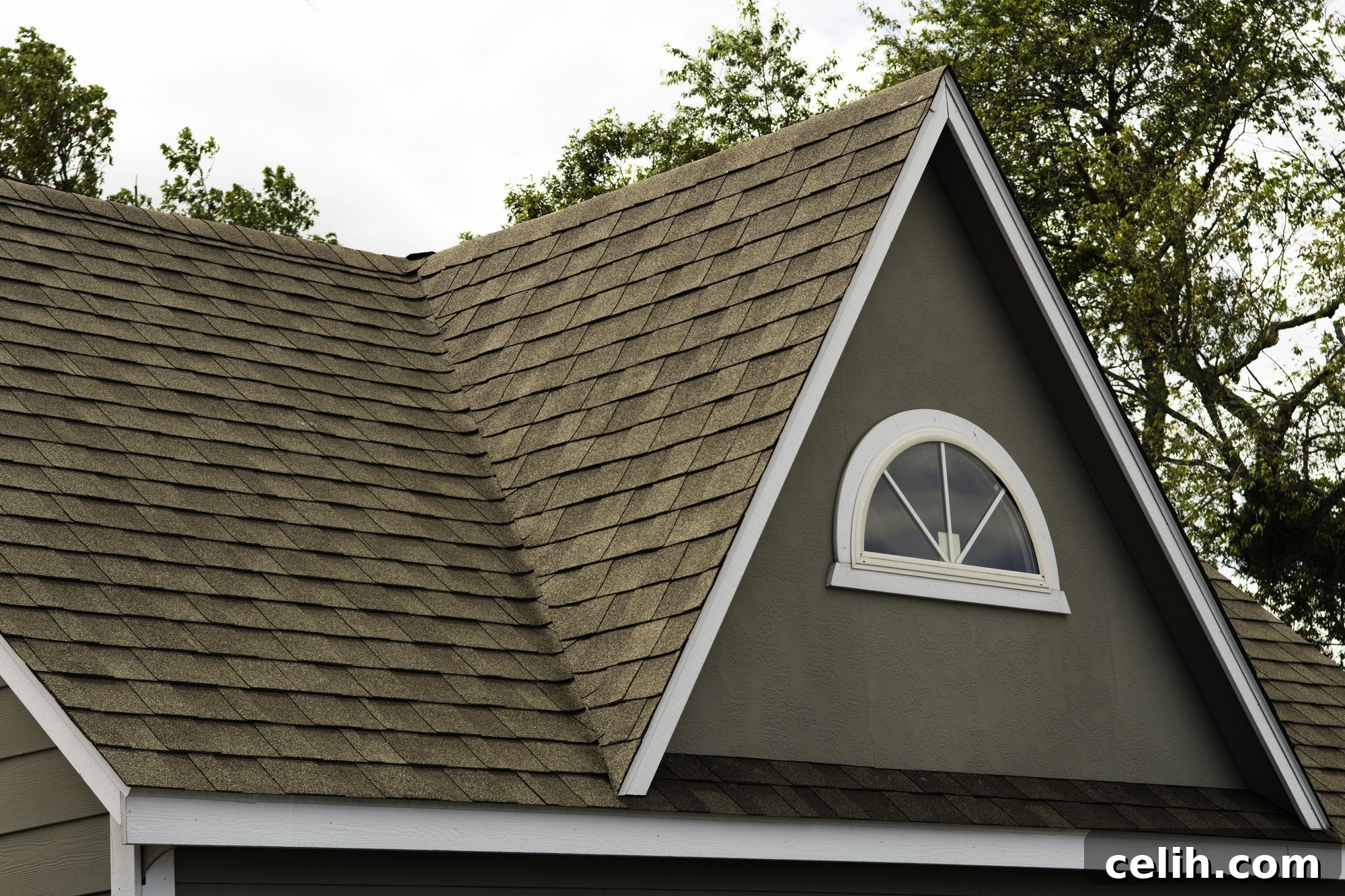
The roof is one of the most noticeable parts of a home’s exterior and often accounts for more than half of the visible facade. Many homeowners underestimate the visual impact of this large surface until they see how a new color or material can transform curb appeal. As the protective cap of the house, the roof sets the tone for first impressions and greatly influences the property’s overall aesthetic.
Moving beyond standard gray opens up opportunities to choose a hue that enhances the property’s character rather than simply blending in. A well-considered roof color can connect siding, trim, and landscaping into a cohesive composition. The right choice reads as intentional and provides an attractive backdrop for the rest of the home’s design.
Exploring different options shows how various shingle colors and textures interact with your home’s architecture. Whether your house is colonial, ranch, or modern, the material’s tone and texture will affect the final appearance. Taking time to evaluate these variables helps ensure your investment delivers lasting visual satisfaction and complements the building’s style.
Coordinating with Permanent Elements
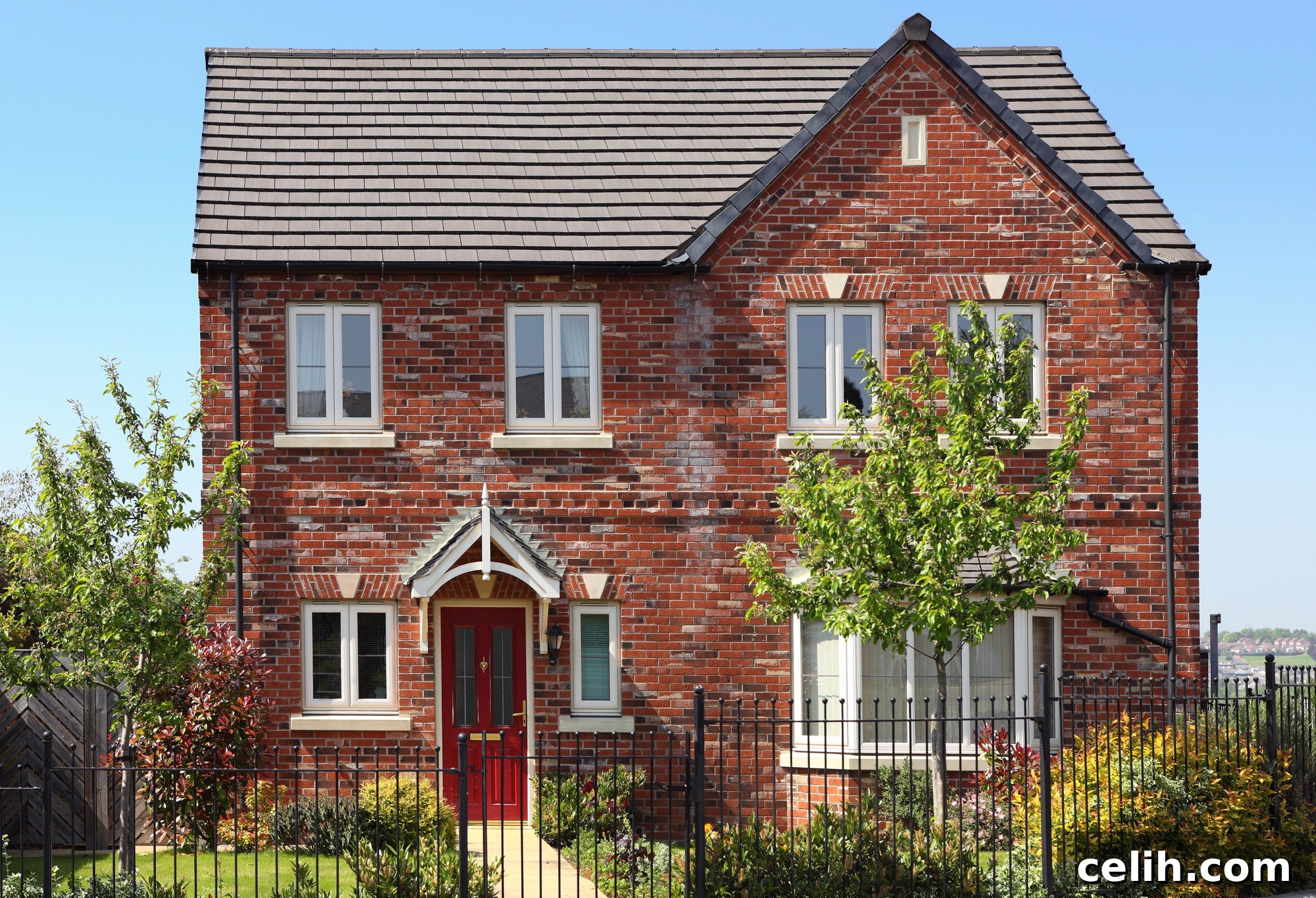
Matching the roof to permanent elements like brick, stone, or masonry is a crucial step. Unlike painted surfaces, masonry is fixed and establishes the underlying palette you should reference. Choosing a roof that complements these fixed tones produces a unified appearance that feels deliberate and well-planned.
High-contrast roof colors can accentuate architectural details and give the house a crisp, contemporary look. For example, a dark roof paired with light siding creates a timeless contrast that reads as classic and refined. Alternatively, selecting similar tones across roof and siding yields a softer, more understated appearance that blends harmoniously with the surroundings.
Consider how the roofline and siding transition appear from a distance and at different times of day. A seamless visual flow between materials can make a smaller home feel larger and more integrated into its lot. Respecting existing materials and tones results in a balanced design that feels natural and professionally curated.
Impact on Energy Efficiency
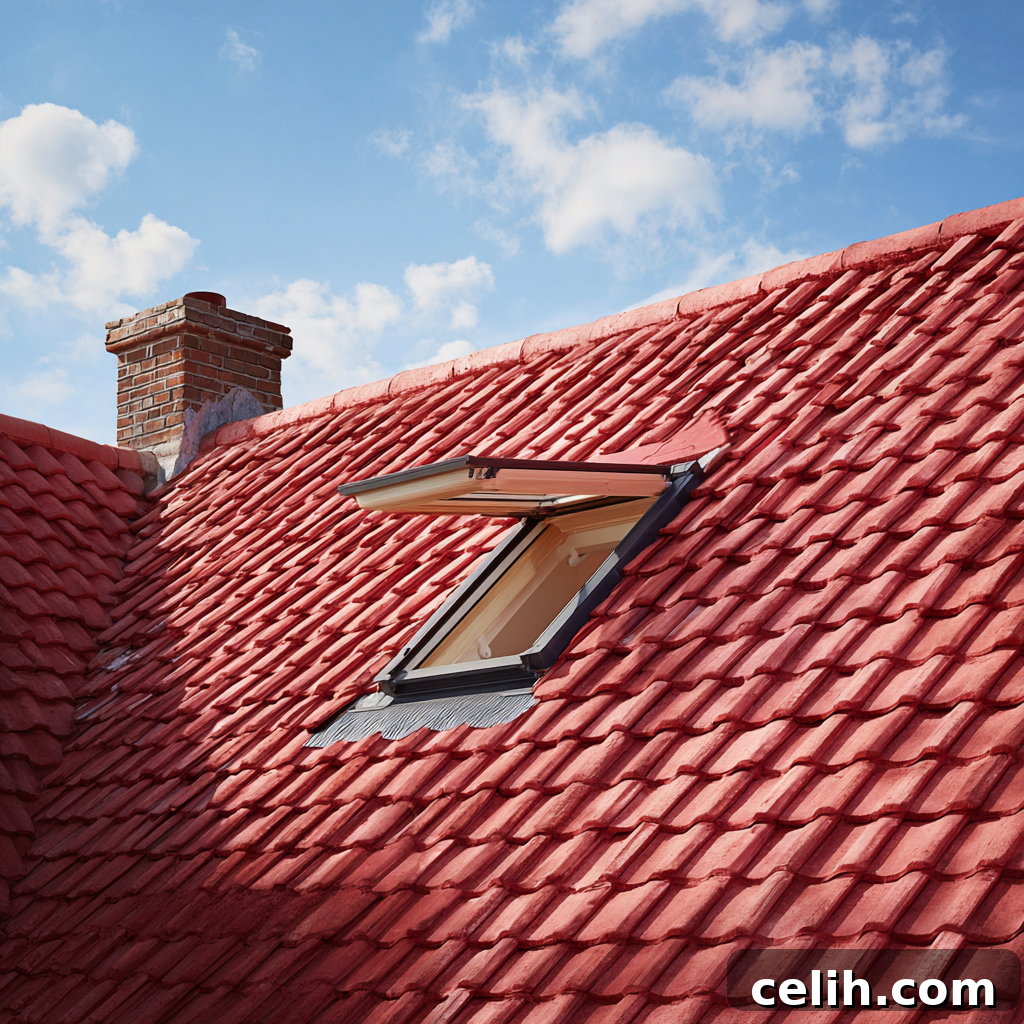
Roof color influences more than aesthetics; it affects thermal performance and energy use. Darker shingles absorb more solar energy, which can raise attic temperatures during hot months and increase cooling loads. In warm climates, this extra heat gain can translate into higher energy bills and more stress on HVAC systems.
Light-colored or reflective roofing materials tend to reflect a larger portion of solar radiation, helping to keep attic and living spaces cooler. This reflective quality contributes to more stable indoor temperatures and can reduce cooling costs over time. Considering a roof’s thermal properties is a practical step that complements the visual decision.
Understanding how color affects heat absorption lets you choose a roof that balances beauty and performance for your specific climate. Prioritizing both style and comfort ensures the new roof will look attractive while contributing to the home’s efficiency and livability.
Trends in Architectural Shingles
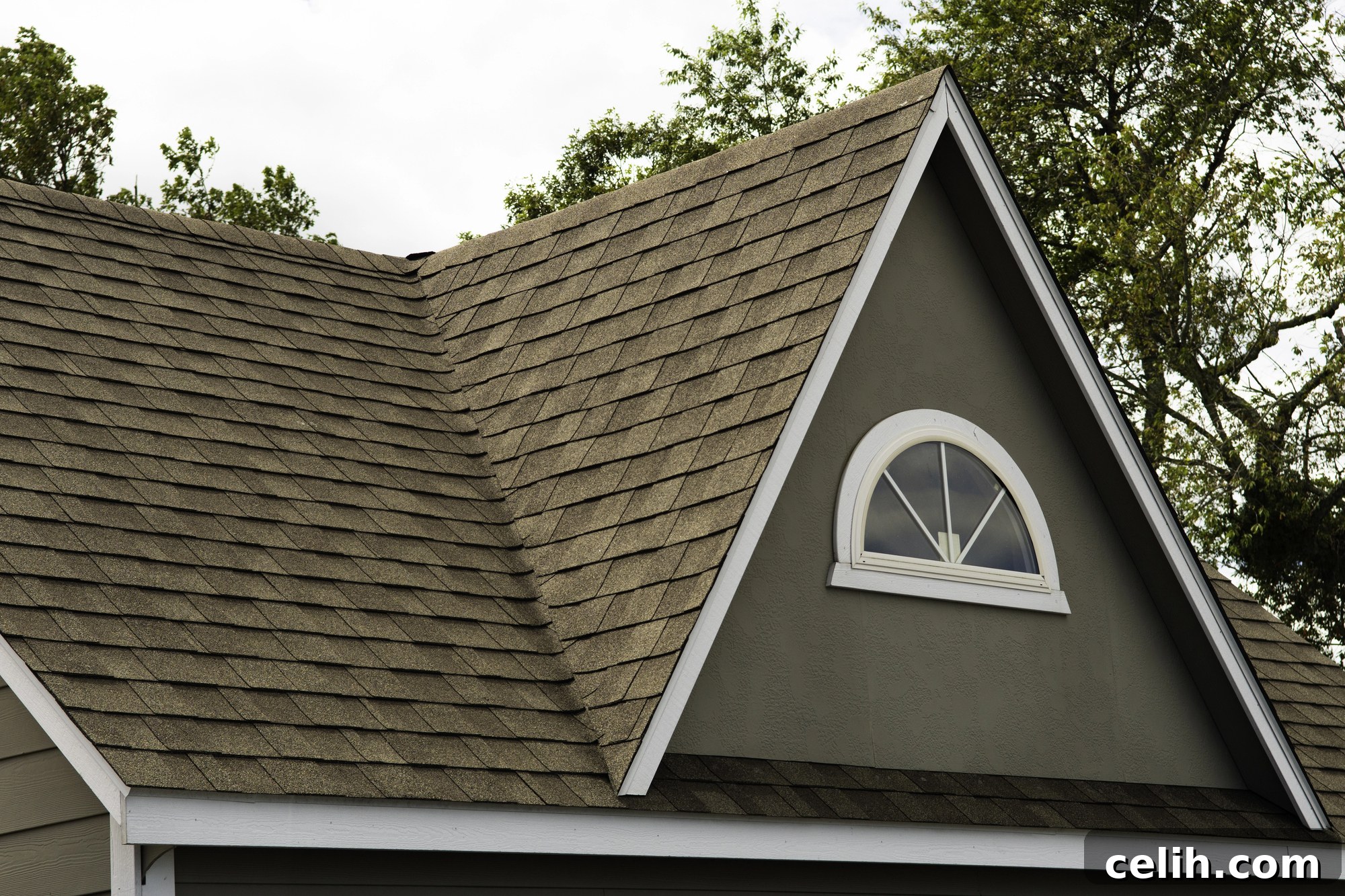
Architectural shingles today offer a broad range of variegated colors and textured profiles that emulate traditional materials like wood shakes and slate. These multi-dimensional shingles add depth and visual interest that standard three-tab shingles struggle to achieve. The varied tones create a natural, layered look that enhances curb appeal.
Light and shadow across textured shingles change as the sun moves, producing a dynamic appearance that keeps the roof from looking flat or monotonous. This interplay of highlights and lowlights adds dimension and helps the roof complement the rest of the home throughout the day.
Variegated shingles also mask minor imperfections and debris better than single-tone products, helping the roof maintain a fresher appearance for longer. Advances in manufacturing have made these premium looks accessible for many residential projects, allowing homeowners to achieve high-end aesthetics without excessive cost.
Conclusion
Selecting the right roof color is a long-term decision that adds value and pride of ownership. Because the roof is a prominent, enduring feature you see every day, investing time in the choice pays off. The appropriate color and material will enhance the entire exterior and protect the home for years to come.
Observe how your color choice appears at different times of day and in various lighting conditions to confirm it complements the architecture and surroundings. What looks appealing in morning light may shift in the evening, so taking these observations into account leads to a more satisfying final result.
Trust your instincts while weighing practical considerations such as climate, existing materials, and energy performance. Striking a balance between aesthetics and functionality will result in a roof that provides lasting protection and elevates your home’s curb appeal.