

We spend roughly a third of our lives asleep. That’s thousands of hours each year lying on a surface that either supports your body properly or works against it. Yet when choosing a new mattress many people research electronics more than the product that bears their full body weight every night. One of the central decisions is the spring vs foam mattress debate — a comparison that seems simple at first but becomes more nuanced once you consider how each type affects sleep quality, comfort, and long-term health.
This guide will help you make an informed choice based on how these mattresses perform in real-life situations.
A Quick History of Both Options
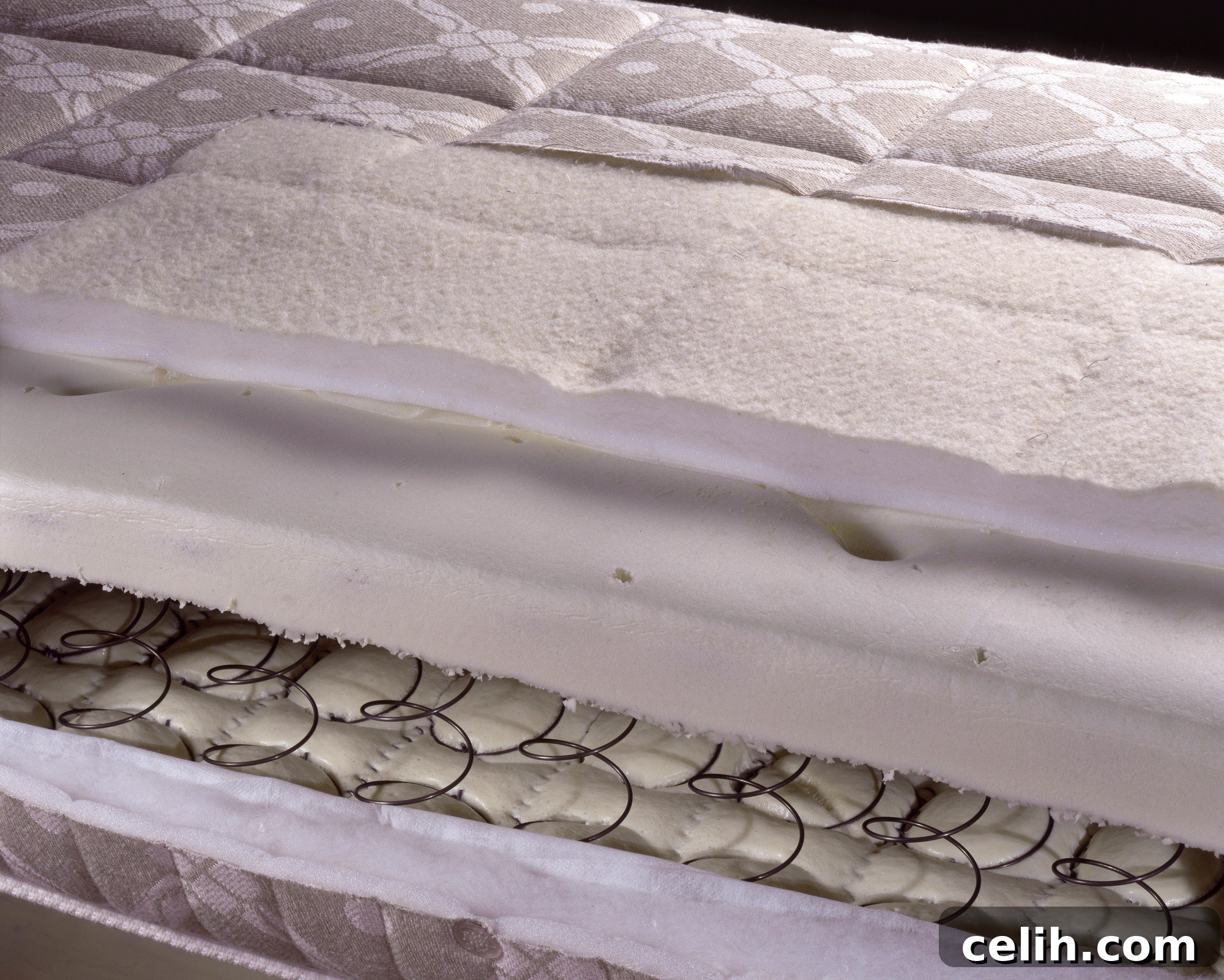
Spring mattresses have a history spanning more than a century. The basic idea — metal coils providing lift and support beneath comfort layers — has evolved considerably, though the core concept remains the same. Early spring systems were simple; modern designs, particularly pocket spring constructions, are engineered to deliver targeted support and responsiveness.
Foam mattresses are a more recent mainstream development. Memory foam, developed for cushioning in the 1960s, entered consumer bedding in the 1990s and has grown in popularity since. Today’s foam options include memory foam, latex, and high-density polyfoam, each offering different feel, support, and durability characteristics.
Knowing the background of each technology clarifies why a straight comparison can miss important differences in materials, construction, and intended performance.
How They Feel Differently (And Why That Matters)
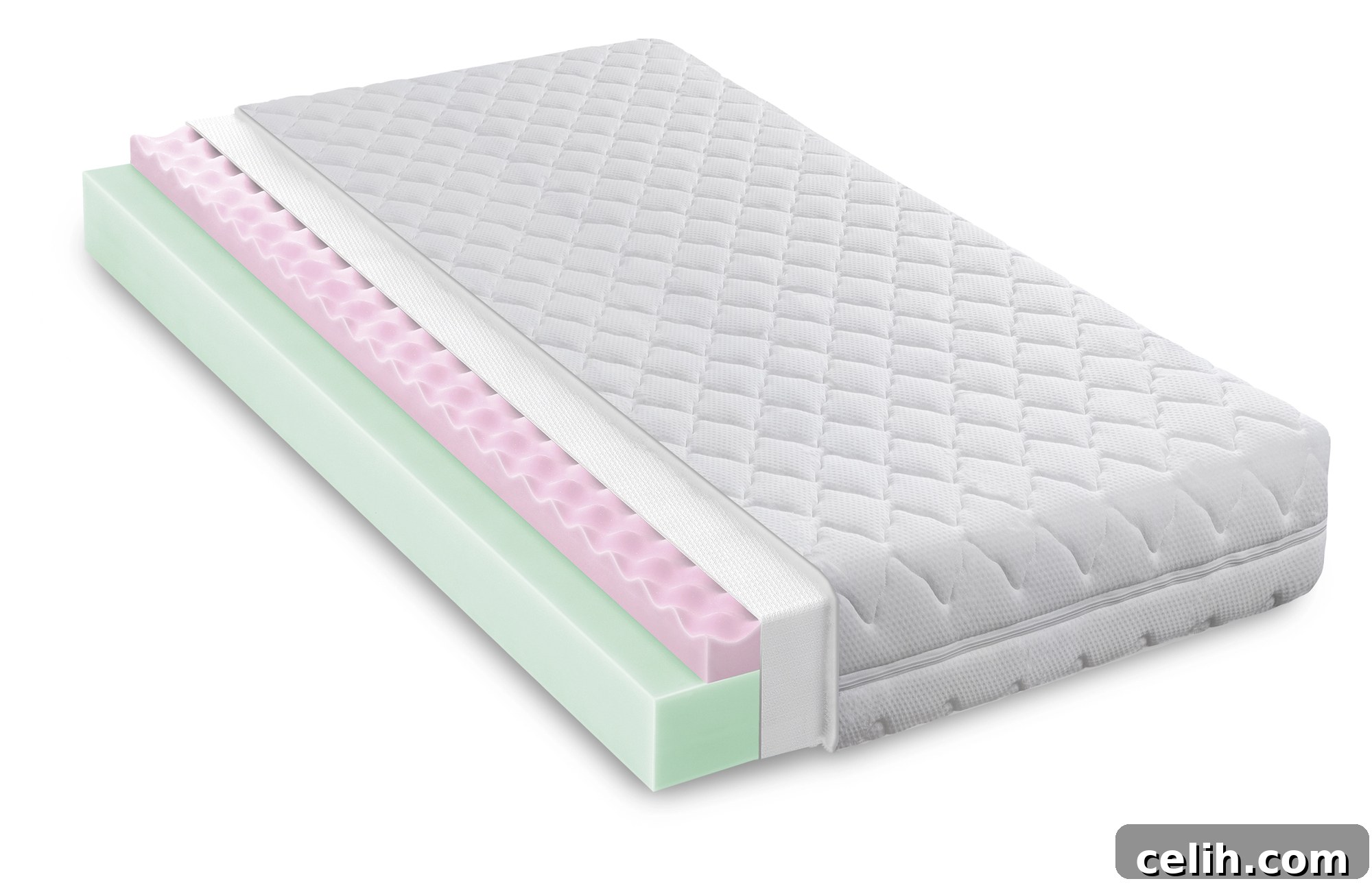
The most noticeable difference is how each mattress responds when you lie down.
Foam mattresses offer contouring and a “sinking in” sensation. The material responds to heat and pressure, moulding to your body to relieve pressure points at the hips, shoulders, and knees. This makes foam particularly comfortable for side sleepers and anyone who needs targeted pressure relief.
Spring mattresses feel more responsive. When you press down, the coils push back, creating the sensation of sleeping “on top of” the mattress rather than sinking into it. This responsiveness supports easier movement during the night and often suits back and stomach sleepers who benefit from a flatter spinal alignment.
Neither feel is inherently better — personal preference and sleep position determine which is right for you.
Temperature Regulation: A Practical Consideration Often Overlooked
If you sleep hot, temperature control is a crucial factor. Traditional memory foam can trap heat; its dense, enveloping nature limits airflow and can cause the surface to warm during the night.
Spring mattresses generally perform better for cooling. The open coil structure allows air to circulate, dissipating heat and maintaining a cooler sleeping surface. This advantage is meaningful for people in warm climates or those who naturally run hot at night.
However, foam technology has advanced. Many modern foams use open-cell designs, gel infusions, and breathable covers to reduce heat retention. The historical advantage of springs for temperature regulation has narrowed, so consider specific mattress construction rather than relying on broad labels alone.
Support and Durability: The Long-Term Picture
A mattress is a long-term purchase, so durability matters as much as initial comfort.
Spring mattresses are often durable. Quality spring systems can retain support for many years, and when they wear out, the signs—sagging, unevenness, or creaking—are usually clear. The mechanical nature of coils makes long-term performance relatively predictable.
Foam durability varies more with material density. Low-density foams tend to break down faster and lose support, while high-density foams can be very resilient. When choosing a foam mattress, check density and construction details; these are the best indicators of how well it will age.
Motion Transfer: A Significant Factor for Couples
Motion transfer — how much movement on one side of the bed is felt on the other — is important for couples and light sleepers.
Foam mattresses excel at isolating motion. Foam absorbs movement, so a partner’s tossing or an early alarm is less likely to disturb you. For many couples, this advantage alone makes foam the preferred option.
Traditional spring mattresses can transfer more motion, though modern pocket spring designs—where each coil works independently—have reduced motion transfer significantly. Understanding whether a spring mattress uses interconnected coils or pocket springs helps clarify how it will perform for shared sleep.
Which One Is Actually Right for You?

There’s no single winner in the spring vs foam mattress debate. The best choice depends on your sleep position, temperature preferences, mobility needs, and whether you share your bed.
Consider a foam mattress if you:
- Sleep mostly on your side
- Experience pressure point or joint discomfort
- Share a bed and want to minimise disturbances
- Prefer a contouring feel that cradles the body
Consider a spring mattress if you:
- Sleep on your back or stomach
- Tend to overheat at night
- Prefer a more responsive surface and easier movement
- Like the sensation of sleeping “on” the mattress rather than “in” it
The Bottom Line
Both spring and foam mattresses can deliver excellent, restorative sleep when chosen to match the sleeper’s needs. The important step is to look beyond marketing and familiarity: consider your sleep position, any physical issues you want to address, and the environment where you sleep.
Because your mattress affects the quality of every day that follows a night’s rest, choose it with care, and prioritise materials and construction details that align with your personal comfort and long-term expectations.