
You have a project in mind — perhaps a rear extension, a loft conversion, or a long-postponed full kitchen and bathroom renovation. You ask neighbours for recommendations, search Google, and soon have a shortlist of five firms that all sound identical: quality work, competitive prices, fully insured, free quote. How do you choose?
One practical step many homeowners miss is treating each firm’s online presence like a CV. Don’t just read the website: examine reviews, project photos, how recently content was updated, and how the company responds to criticism. That wider view usually reveals more than any sales pitch.
Firms worth hiring tend to advertise their strengths online. The ones to avoid often advertise their weaknesses just as clearly.
Why the Website Is a Proxy for How They Run the Business
A builder’s website does not need to be beautiful; it needs to be real, current, and specific. Those three qualities together are a useful proxy for how the firm operates.
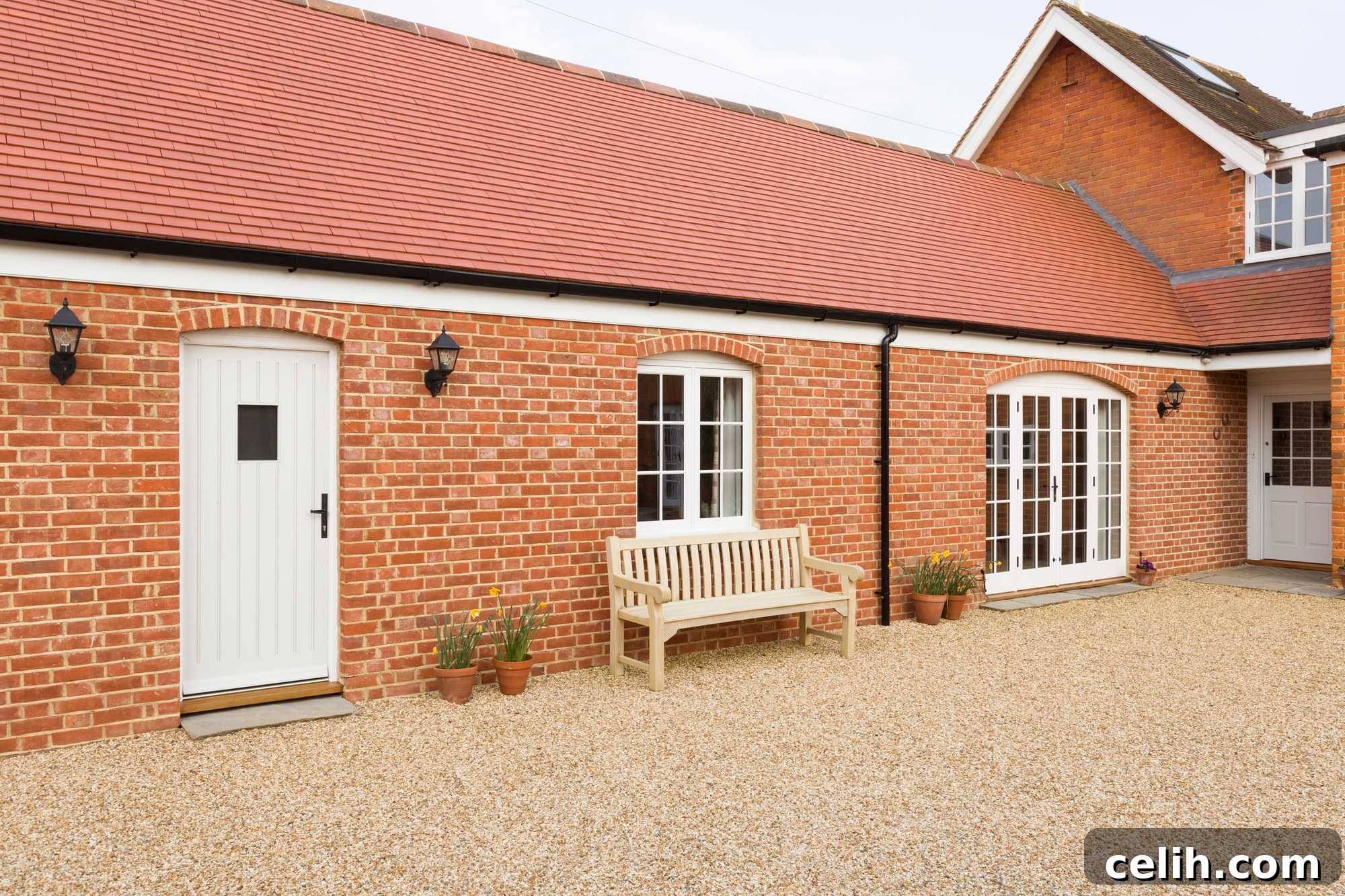
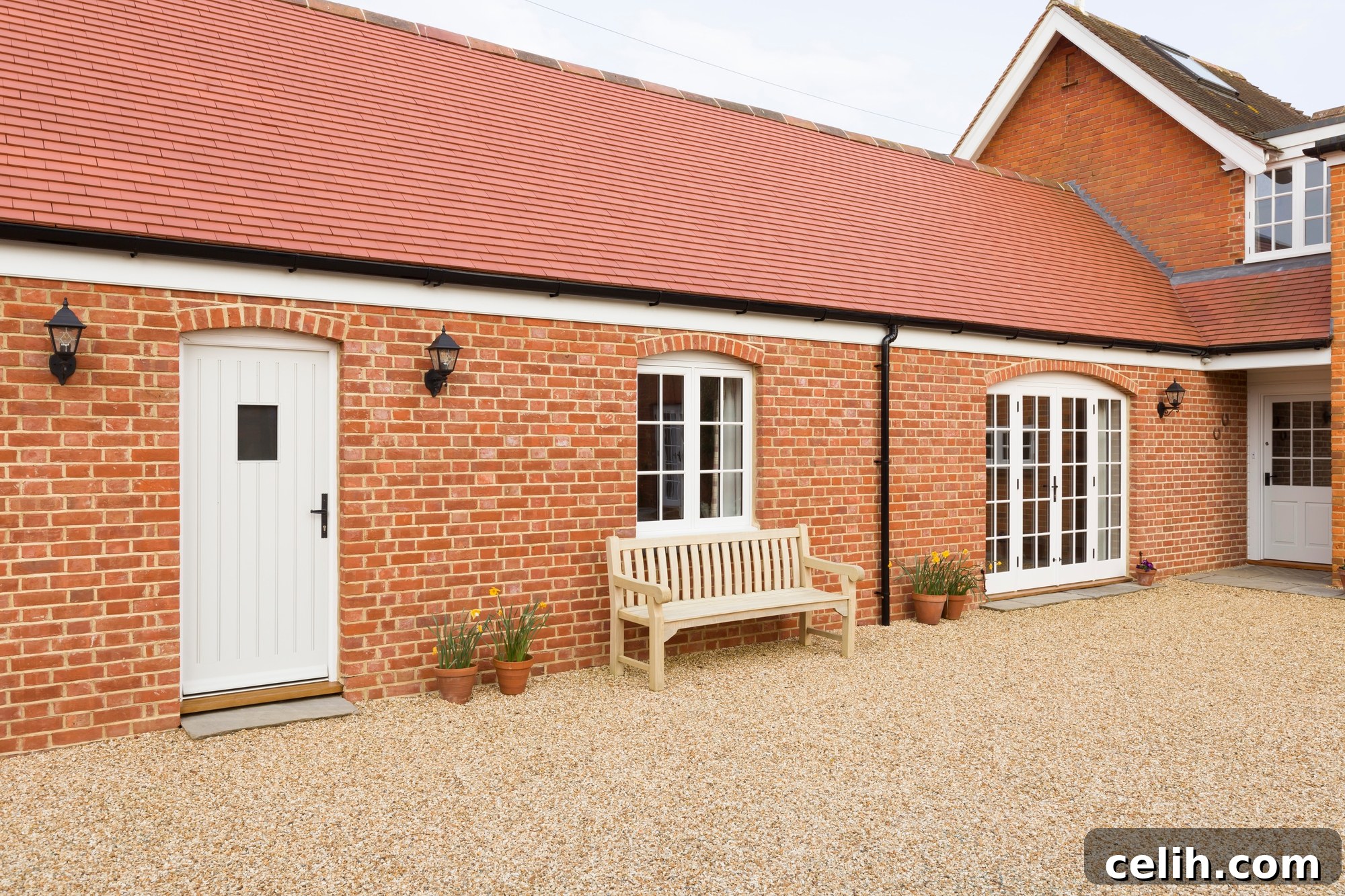
Real means photos of actual projects they have completed, not generic stock images of pristine kitchens or staged construction scenes. Stock photos look too perfect and unconnected to a real site. A company relying on them may be new, camera-shy, or unwilling to show its work — none of which instil confidence when you’re about to hand over a sizeable deposit.
Current means the site looks maintained. Check the dates on project photos or blog posts. A site last updated several years ago isn’t an immediate disqualification, but it suggests lower attention to professional presentation. Firms that keep their sites current tend to respond promptly to enquiries, send timely quotes, and keep appointments.
Specific means the site names towns, describes the types of projects the firm specialises in, and provides concrete details rather than a long, vague list of services. Specificity takes effort and usually signals a firm that takes its work seriously. Generic claims and vague geography are cheap to produce and tell you less.
The Google Business Profile Check
Before calling, search the firm’s name on Google and review their Business Profile — the panel that shows reviews, photos, opening hours, and contact details.
Check how many reviews they have and how recent they are. Forty reviews looks good until you see the most recent one is two years old. That gap is a data point: perhaps they’re not getting feedback, or they’re not doing much work.
Read ten to fifteen reviews rather than relying on the star rating alone. Look for comments about communication, punctuality, site tidiness, whether the final cost matched the quote, and how problems were handled. Specific examples are far more informative than generic praise.
Also observe how the firm responds to reviews, especially critical ones. A calm, professional reply that addresses the issue and explains what happened signals accountability. Defensive or aggressive responses are a warning sign. How a company handles criticism publicly is a good indicator of how it will handle disputes with clients.
What Case Studies and Project Pages Actually Show You
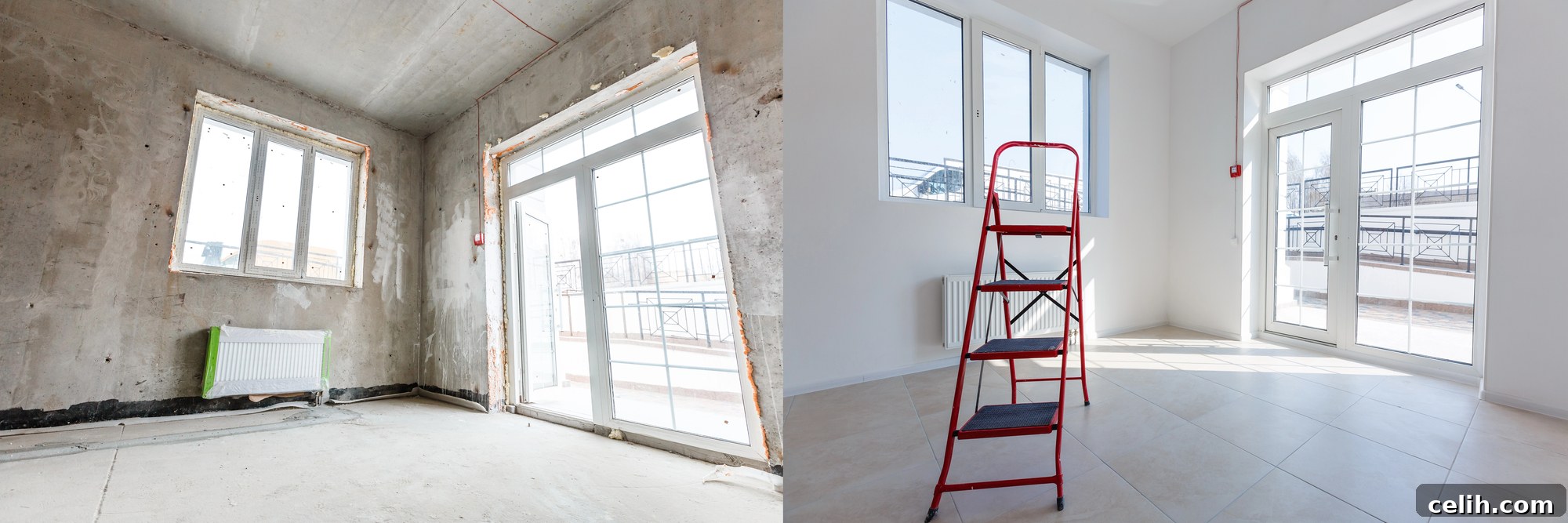
The best websites include project pages or case studies that document the brief, what the project involved, challenges encountered, how they were managed, the outcome, and often a rough cost range or timeframe.
These writeups show the work the firm actually does. A company that has completed many similar projects and documented them demonstrates competence far more convincingly than marketing copy alone.
Honesty matters. A case study that admits a complication — a structural surprise, a supplier delay — and explains how the team resolved it is more credible than one that claims everything went perfectly. Real projects have wrinkles; firms that acknowledge this are easier to work with when issues arise on your job.
For higher-value work, it’s reasonable to ask a prospective builder to point to a recently completed project of similar scope and put you in touch with that client. Confident firms will cooperate; those uncertain of their work may hesitate. That reaction itself is useful information.
Accreditations and What to Do With Them
Many reputable firms display membership or accreditation logos — for example, trade bodies and specialist registrations. These badges are worth verifying. Public tools exist to confirm membership and registration numbers. Taking a minute to check is sensible and expected by legitimate businesses.
Independent verification of trade body membership is one of the most reliable pre-contract checks available. Firms doing the right things welcome this scrutiny.
How Construction Firms Use Digital Marketing (and What It Signals)
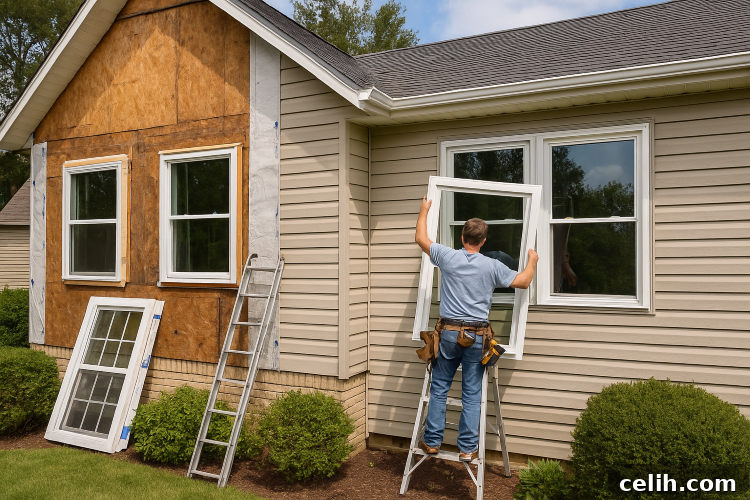
A firm’s approach to its own marketing reflects how it views professionalism and presentation. Companies that document real projects, maintain review profiles, and publish honest case studies tend to communicate well with clients and care about reputation. It’s not a guarantee, but the correlation is strong.
Conversely, a company with no reviews, an outdated two-page website, and no project photos may not be incompetent, but it has chosen not to make its track record visible. That forces you to do extra due diligence you could avoid with a more transparent firm.
Effective digital marketing for construction firms is built around transparency: real project documentation, genuine review generation, and honest case studies. When firms invest in these elements it often reflects confidence in the quality of their work.
Reading the Quote as a Document
After narrowing your list, request detailed quotes. A useful quote breaks down labour, materials, preliminary costs, and provisional sums. This level of detail makes comparisons easier and shows the builder has thought the job through.
Ask how variations will be handled. A clear written process for agreeing changes before work proceeds protects both parties. Payment schedules tied to milestones are standard for larger builds; a large upfront deposit with no staging offers less protection.
Getting scope, price, timeline, and change procedures in writing before work starts is the most reliable protection against disputes. Reputable firms expect this and use written contracts as standard practice.
The Signals That Consistently Predict a Good Outcome
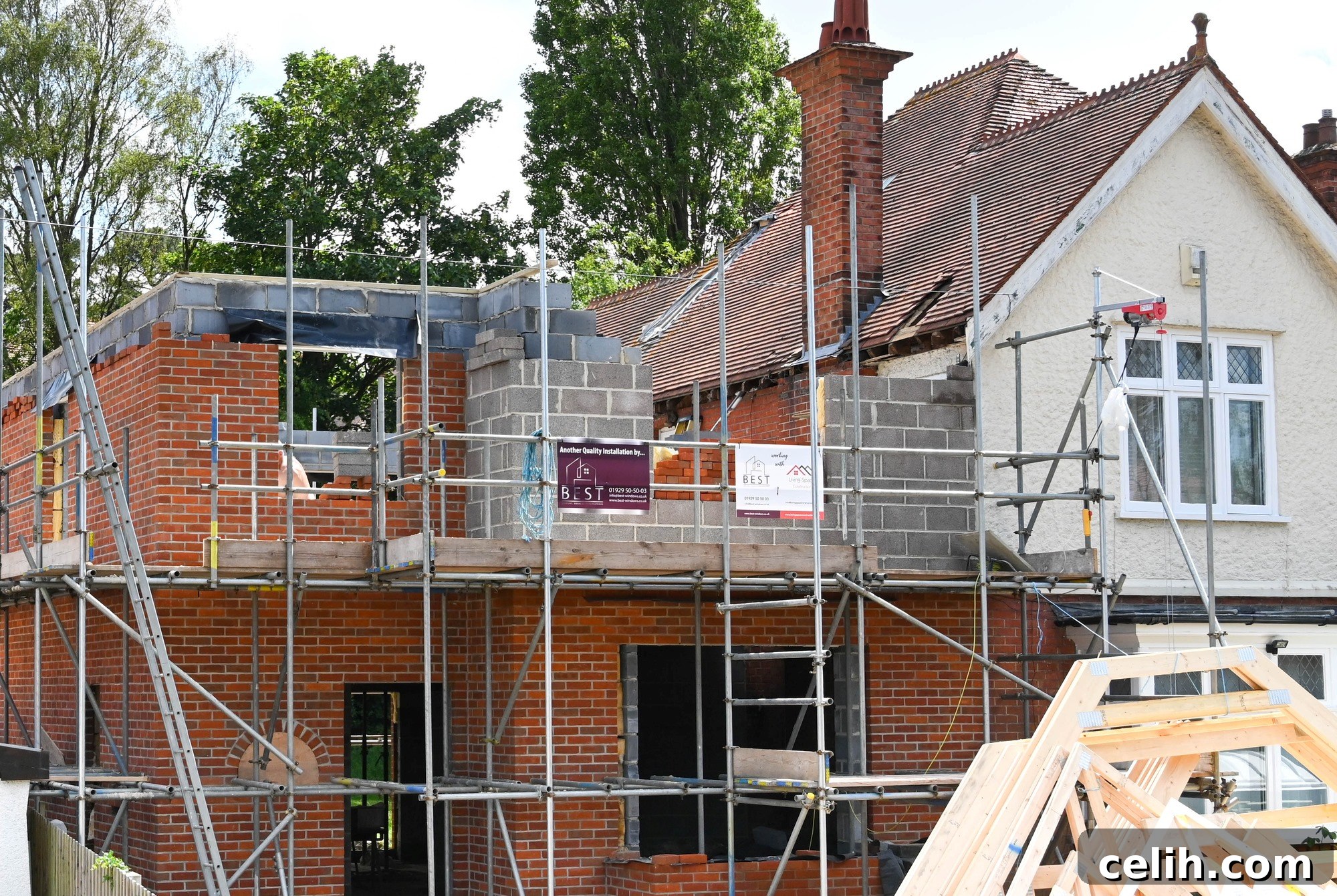
A few signals reliably point toward a builder worth hiring.
Communication at the enquiry stage is highly predictive. Firms that reply within a day or two, answer questions directly, and attend quoting appointments on time are demonstrating reliability. Slow or absent communication before a contract is a warning about what may follow.
Ask for references from recent projects of similar scope — not just a testimonials page, but a named client you can call. Requesting and checking references is a straightforward step that separates confident firms from uncertain ones.
Require a clear written contract before any money changes hands: scope of works, payment terms, start date, expected duration, and a process for variations. Firms that resist putting things in writing are rarely the best choice for work that will keep tradespeople in your house for weeks.
Longevity under the same trading name matters too. A company established locally for eight to ten years has a reputation to protect, which is a meaningful incentive to deliver good work.
One Practical Starting Point
If you’re still compiling a longlist, start with the local Google map pack. The three businesses that appear are typically those that maintain an active profile and genuine reviews. From there, run the checks described above and you’ll reach a clearer shortlist before making the first call.
The research takes an hour. For a project that will occupy your home for months and cost a significant sum, that hour is a sensible investment.