
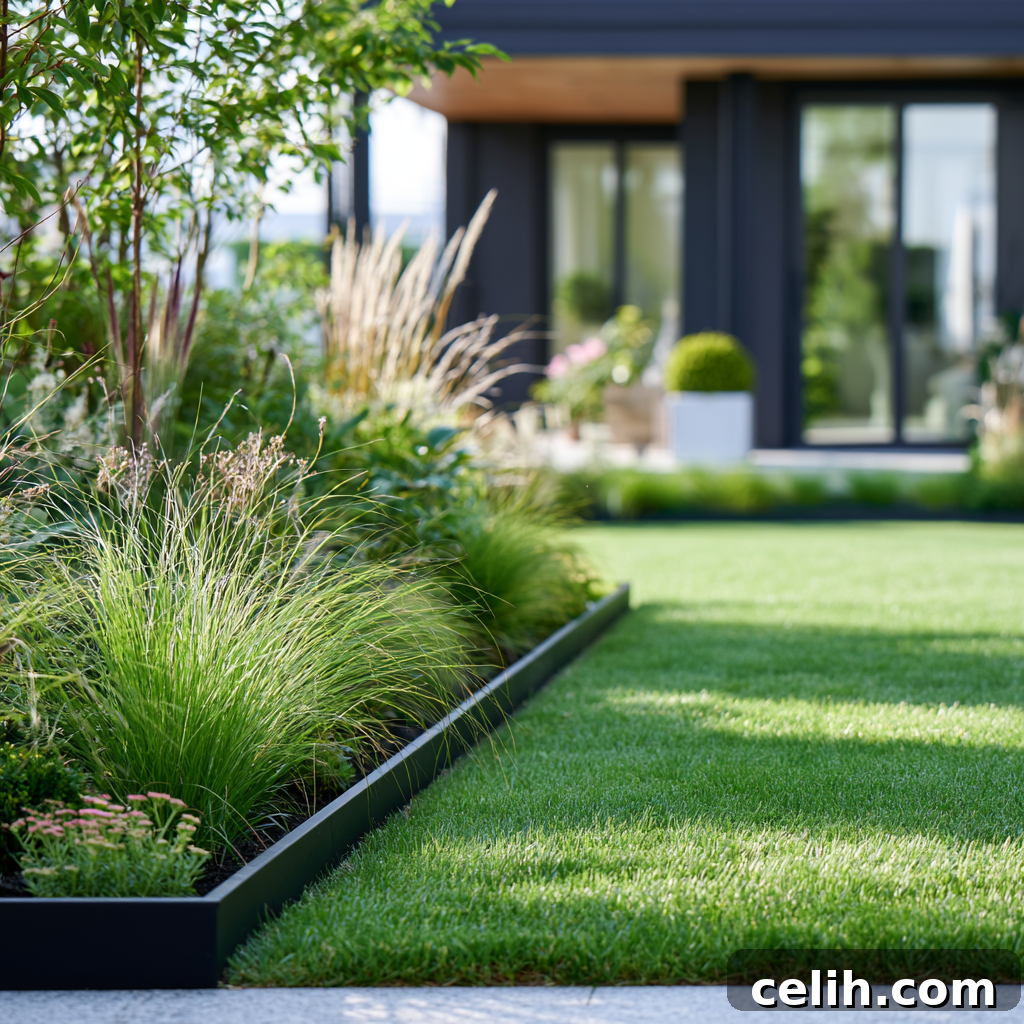
Garden edging may appear like a minor detail, but it plays a major role in shaping the look and function of any outdoor space. Serving as a clear boundary between lawns, flower beds, pathways and patios, edging creates definition, organizes planting schemes and keeps turf from invading borders. Even informal gardens gain a sharper, more intentional appearance when edges are properly defined.
There are countless edging styles, materials and price points to choose from. Traditional brick and natural stone, modern metal and aluminium profiles, timber sleepers, concrete and living plant edges all offer different visual and functional benefits. The right choice complements your garden’s style—whether that’s a formal layout, cottage planting, Mediterranean palette or contemporary minimalism—and can unify the whole landscape.
This guide covers practical garden edging ideas to inspire your next project. It outlines the strengths and limitations of common materials, shows where each works best, and explains how to select edging that suits both your garden and your home exterior. Whether you want a full redesign or a quick refresh of borders and lawn lines, these suggestions will help you create tidy, attractive outdoor spaces.
Why Garden Edging Matters More Than You Think
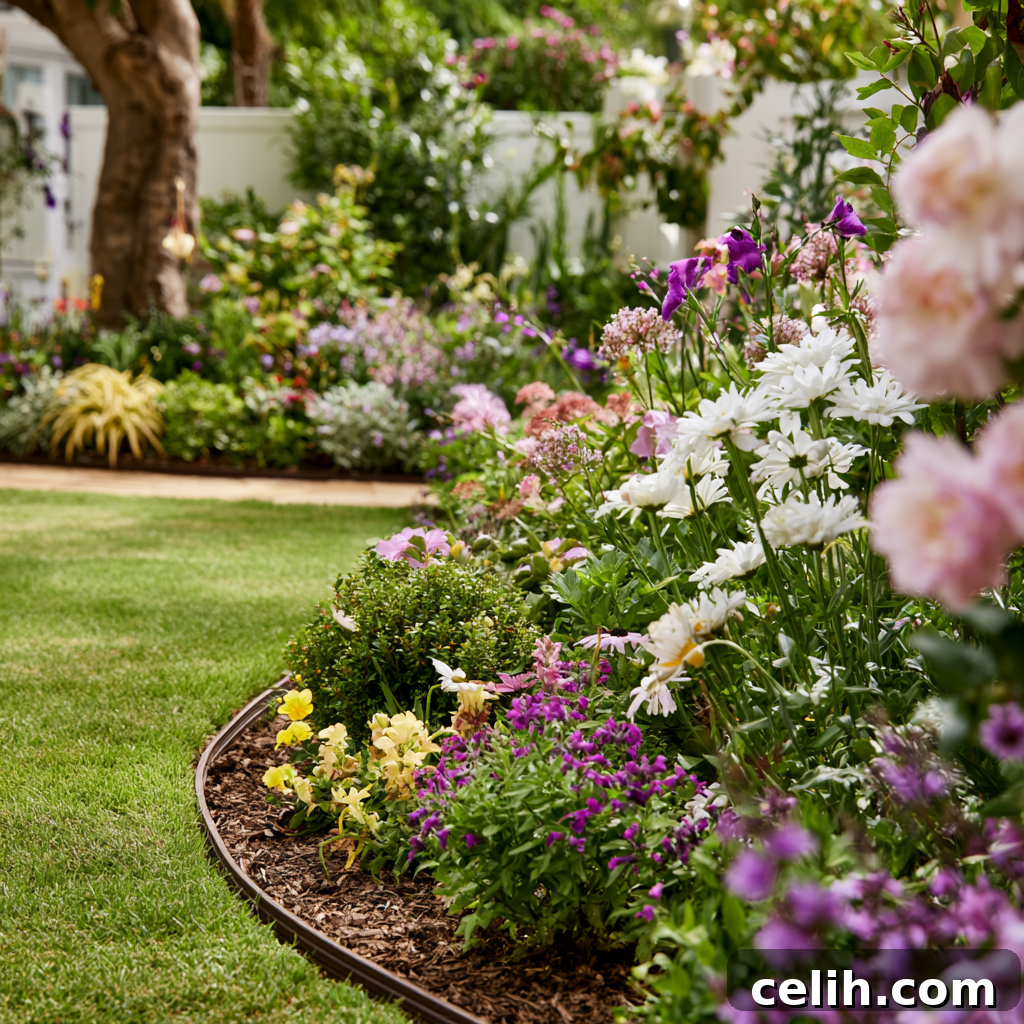
Well-maintained landscapes often catch the eye first with their clean, defined lines rather than a single standout plant. Crisp edges between lawn and beds convey intentional design and regular care.
Without an edge, beds quickly blur: grass creeps in, mulch migrates during rain and trimming tools damage plants while trying to create a neat line. Edging removes these recurring headaches and reduces the time spent on corrective maintenance.
Edging solves four practical problems:
- It creates a physical barrier that prevents grass encroachment.
- It holds mulch and soil in place.
- It guides mowers and protects plants from trimmer damage.
- It adds architectural structure that elevates the overall landscape design.
A relatively small investment in edging can save hours of monthly upkeep and instantly make a property look more polished and intentional.
Matching Garden Edging to Your Garden Style
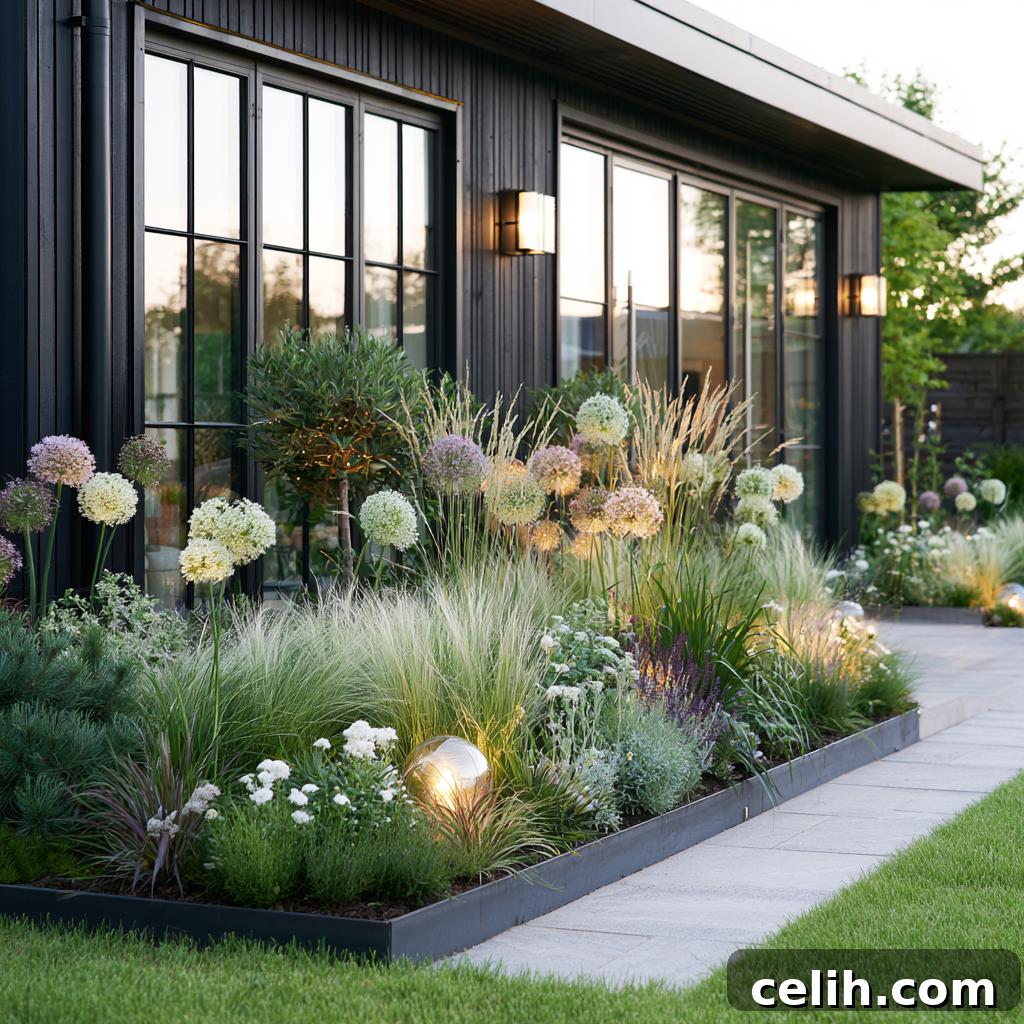
The best edging feels like a natural extension of the surrounding landscape. Selecting materials that harmonize with your garden style will create a cohesive, well-designed appearance.
Cottage Gardens
Reclaimed bricks, weathered timber, natural stone and living plant borders suit the informal, abundant character of cottage gardens.
Contemporary Gardens
Steel, aluminium, concrete and large-format pavers provide the clean lines and minimalist look that modern landscapes demand.
Formal Gardens
Symmetry and precision benefit from soldier-course brick, clipped hedging or neatly laid stone edging to reinforce order and balance.
Mediterranean Gardens
Terracotta, limestone, gravel borders and warm-toned stone suit the relaxed, sun-warmed aesthetic of Mediterranean-style planting.
Woodland and Naturalistic Gardens
Logs, timber rounds, fieldstone and living edges blend into wooded settings and let the plants remain the focal point.
Steel Edging for Modern Clean Lines
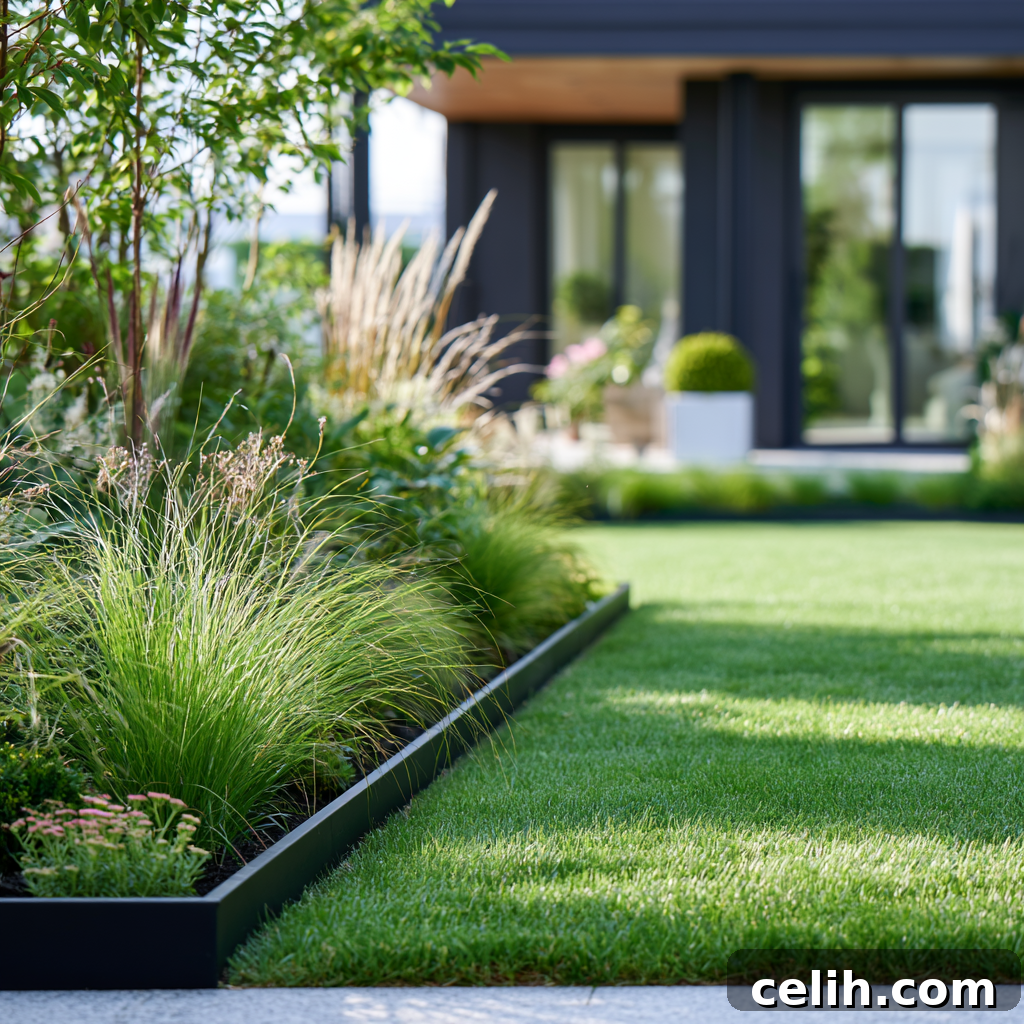
Steel edging creates a razor-sharp separation between lawn and beds with a thin profile that nearly disappears visually. It flexes to curves, installs permanently and needs almost no maintenance.
Weathering steel develops a rust patina that blends with soil and mulch, while powder-coated options offer consistent color for years. Installation involves cutting a narrow trench, pressing the steel into place and backfilling so the top edge sits flush or just above the soil.
Installation tips:
- Overlap sections correctly. Overlap joints and secure with connectors and stakes to prevent gaps.
- Match the curve radius. Use shorter sections or flexible profiles for tight curves to avoid gaps at ground level.
- Stake regularly. Drive stakes at least every three feet to resist ground movement from freeze-thaw cycles.
Although steel costs more upfront, it can last 20+ years without replacement, making it economical over the long term—especially for contemporary and minimalist designs.
Aluminium Garden Edging: Another Modern Alternative
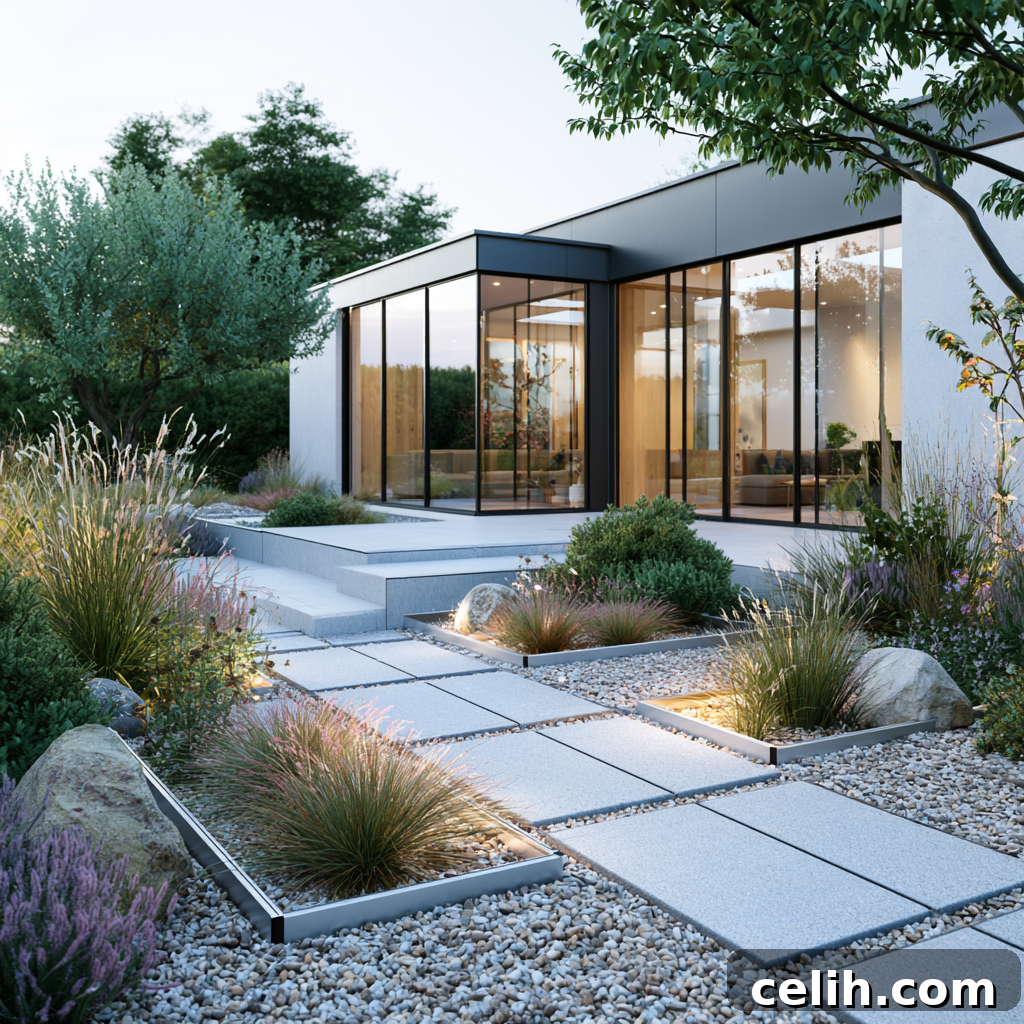
Aluminium provides a similar clean aesthetic to steel but is lightweight, rust-resistant and easier to handle. It curves well and often comes in powder-coated finishes to match modern architecture.
Durable when properly installed, aluminium resists corrosion and requires little upkeep, making it a strong option where rust is a concern and a sleek look is desired.
Brick and Stone Edging for Traditional Charm
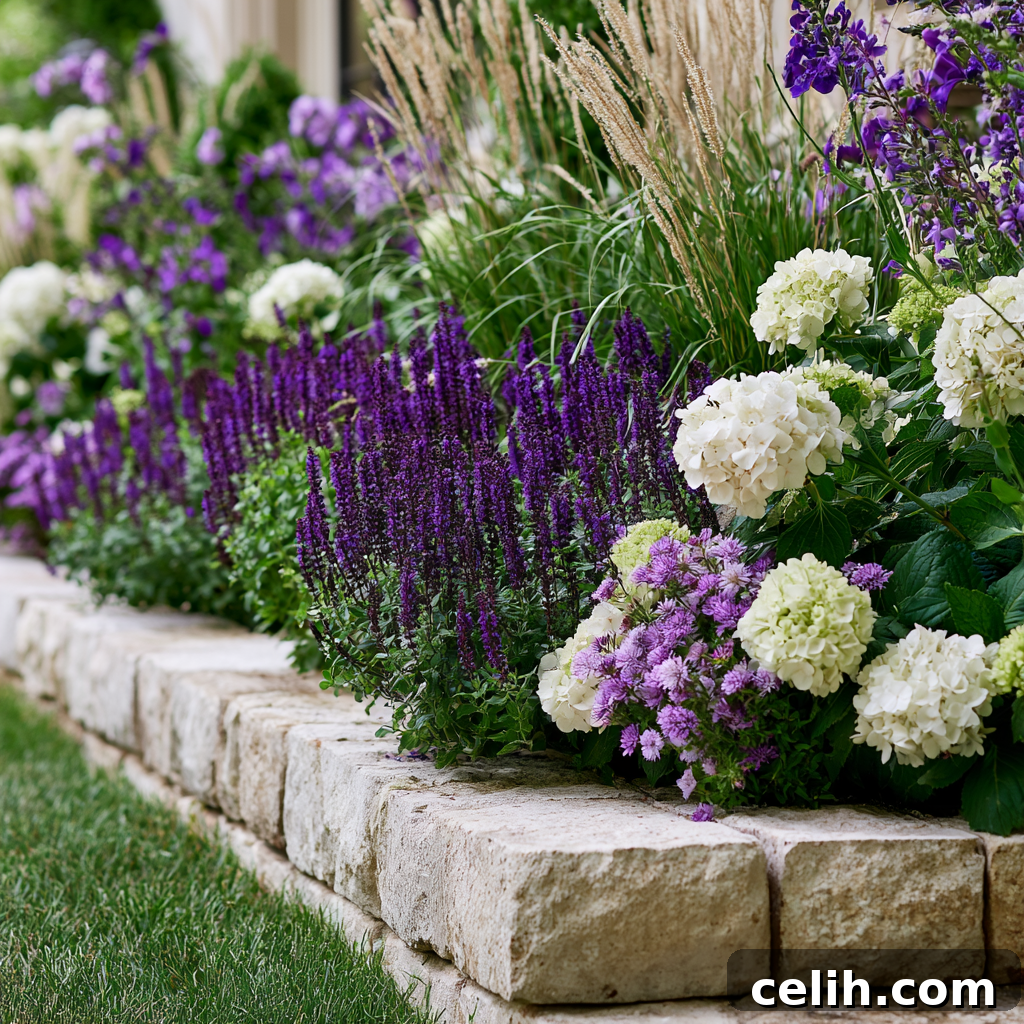
Brick and stone add texture, color variation and permanence that metal and plastic cannot match. They suit cottage gardens, historic properties and traditional landscapes.
Common stone and brick options include:
- Mortared brick: A permanent, formal border requiring a concrete footing and masonry skills—ideal for straight runs and gentle curves.
- Dry-stacked stone: A rustic, organic look for raised beds; it may settle slightly over time and can be adjusted as needed.
- Brick soldier course: Bricks set vertically in a trench create a tidy sawtooth edge without mortar; pack soil tight to prevent tilting.
Stone and brick stay put once installed, so plan bed lines carefully because moving them later requires significant effort.
Plastic and Composite Edging for Quick Installation
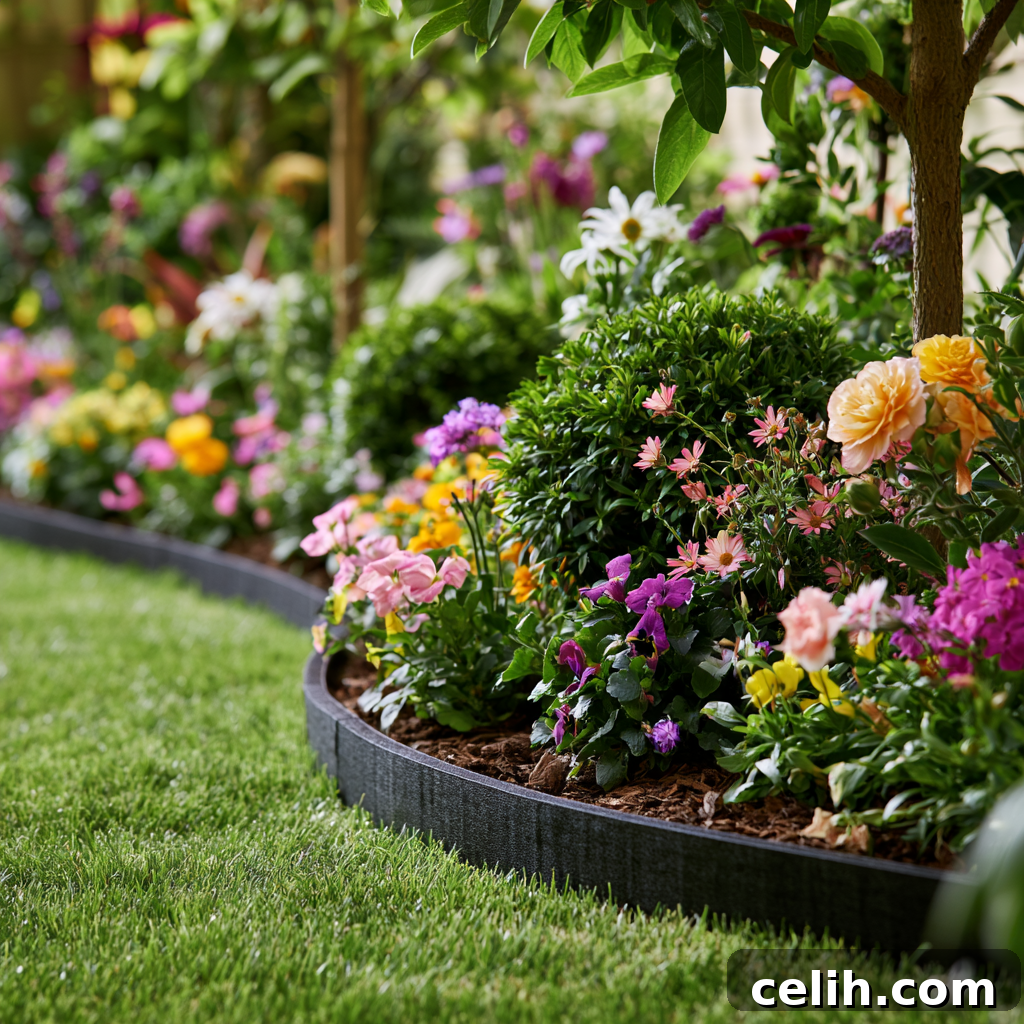
Plastic and composite systems are ideal for fast, affordable installations without heavy tools. Modern composites mimic wood grain, come in natural tones and include robust stakes to hold them in place.
They bend to create smooth curves, are inexpensive enough to edge large areas, and are easy to install. Typical installation: mark the line, cut a trench, press in the edging, drive stakes every 2–3 feet and backfill.
Durability varies: freeze-thaw cycles can shift lightweight plastic and UV exposure can degrade some products after several years. For permanent, high-quality results, choose heavier composite products or opt for metal or stone.
Wood and Timber Garden Edging for Natural Warmth
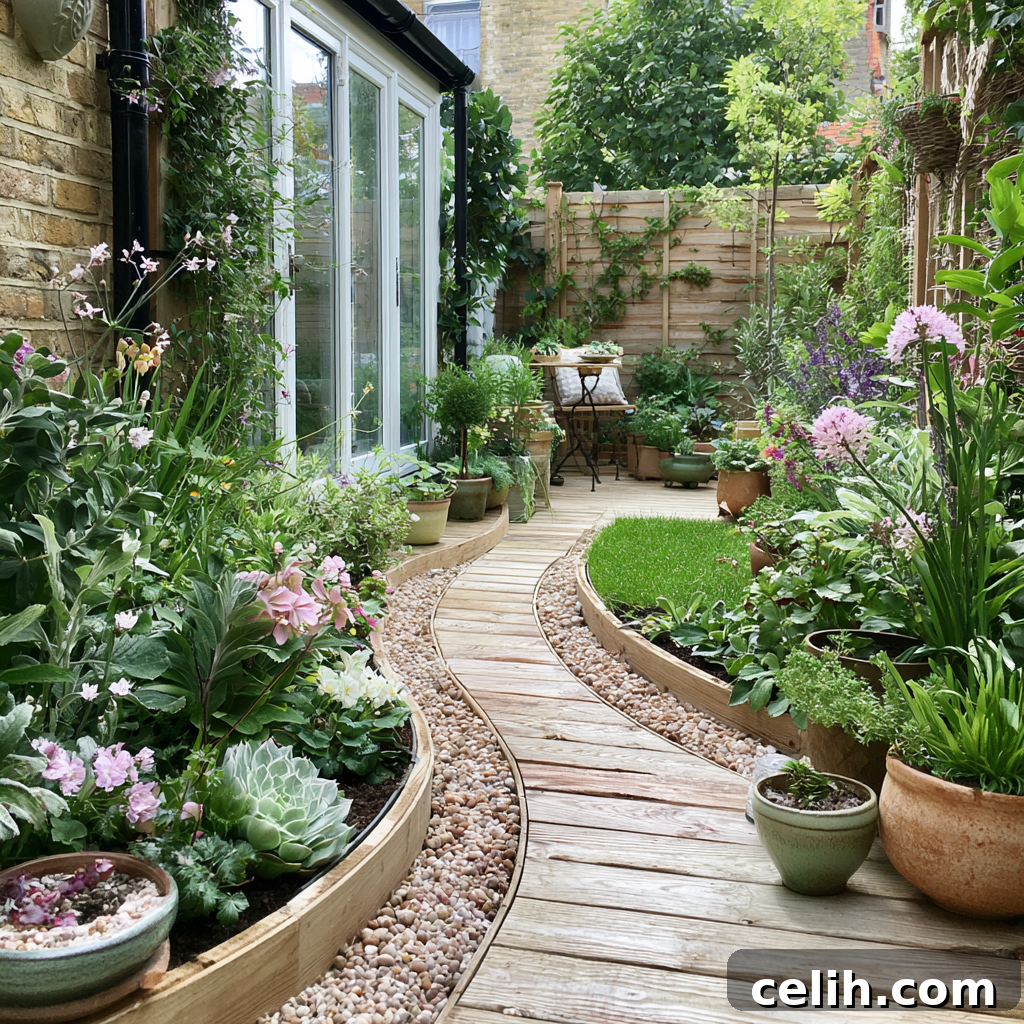
Wood edging brings warmth and a natural look that suits cottage, woodland and informal gardens. Pressure-treated sleepers create strong raised borders; stack timbers 2–3 courses for raised beds and anchor with landscape spikes.
Cedar and redwood resist rot better than many species but still have limited lifespans when in constant soil contact—expect roughly 7–20 years depending on species and treatment. Sleepers make bold statements in larger gardens and can function as low retaining walls on gentle slopes.
Concrete and Paver Edging for Ultimate Permanence
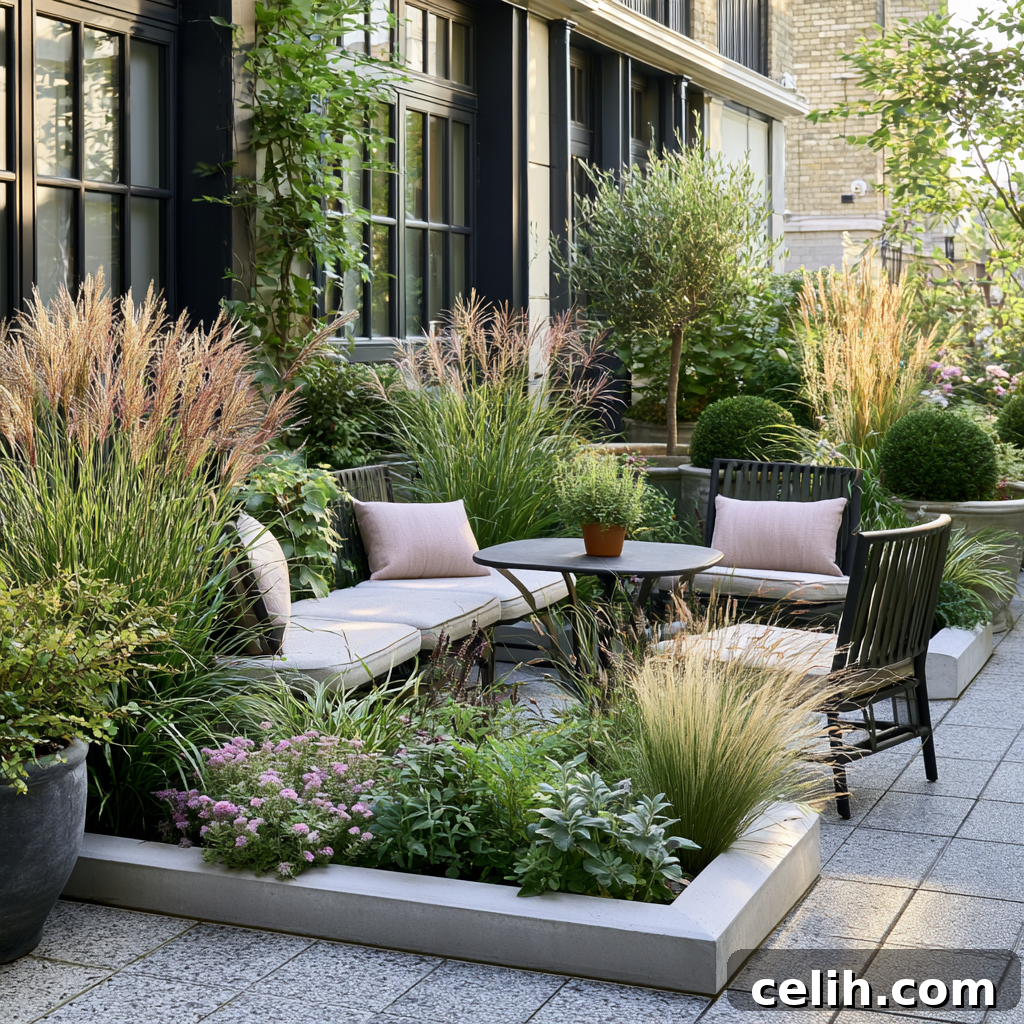
Concrete creates long-lasting, low-maintenance edges. Options range from poured curbing for seamless continuous borders to precast pavers laid in a trench or set in mortar. Concrete is durable and visually weighty, making it ideal for contemporary, Mediterranean or desert-inspired landscapes.
Because concrete is permanent and unforgiving of mistakes, plan and perfect bed lines before installation to avoid time-consuming rework.
Living Edges with Ground Cover Plants
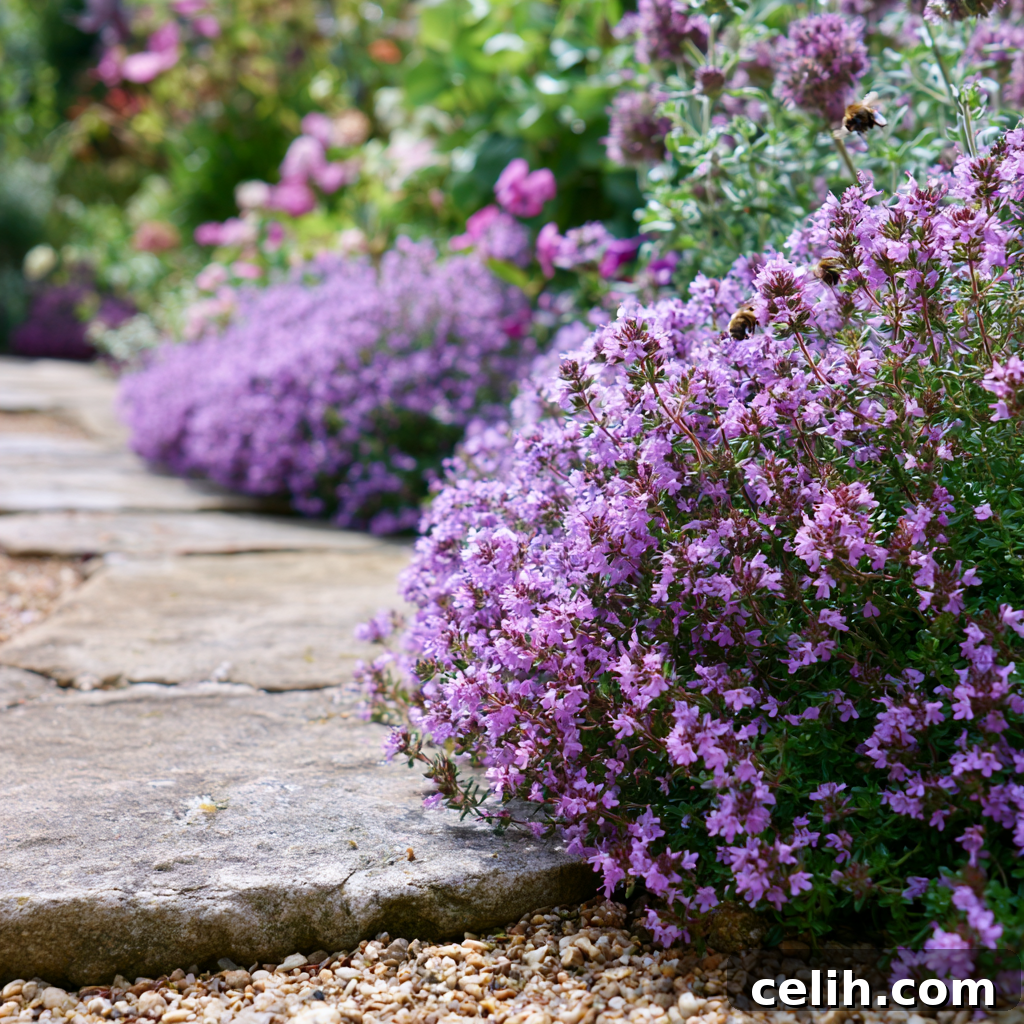
A living edge of low ground cover softens transitions and adds texture, color and ecological value. Good choices include creeping thyme, blue star creeper, mondo grass and low sedums. Plant a band 6–12 inches wide for a clear visual presence rather than a thin line that will be lost against lawn and beds.
Living edges require different maintenance: trimming, dividing and managing spread rather than simply mowing up to a hard barrier. The result is a softer, more natural transition that hard materials cannot replicate.
Wildlife-Friendly Garden Edging
Edging choices can support wildlife. Flowering ground covers provide nectar for pollinators, and natural stone creates crevices for insects. Avoid continuous vertical barriers that block movement for small animals; occasional low gaps help wildlife travel safely through the garden. Permeable edging that allows water infiltration also supports healthier ecosystems.
Trench Edging for Zero-Cost Clean Lines
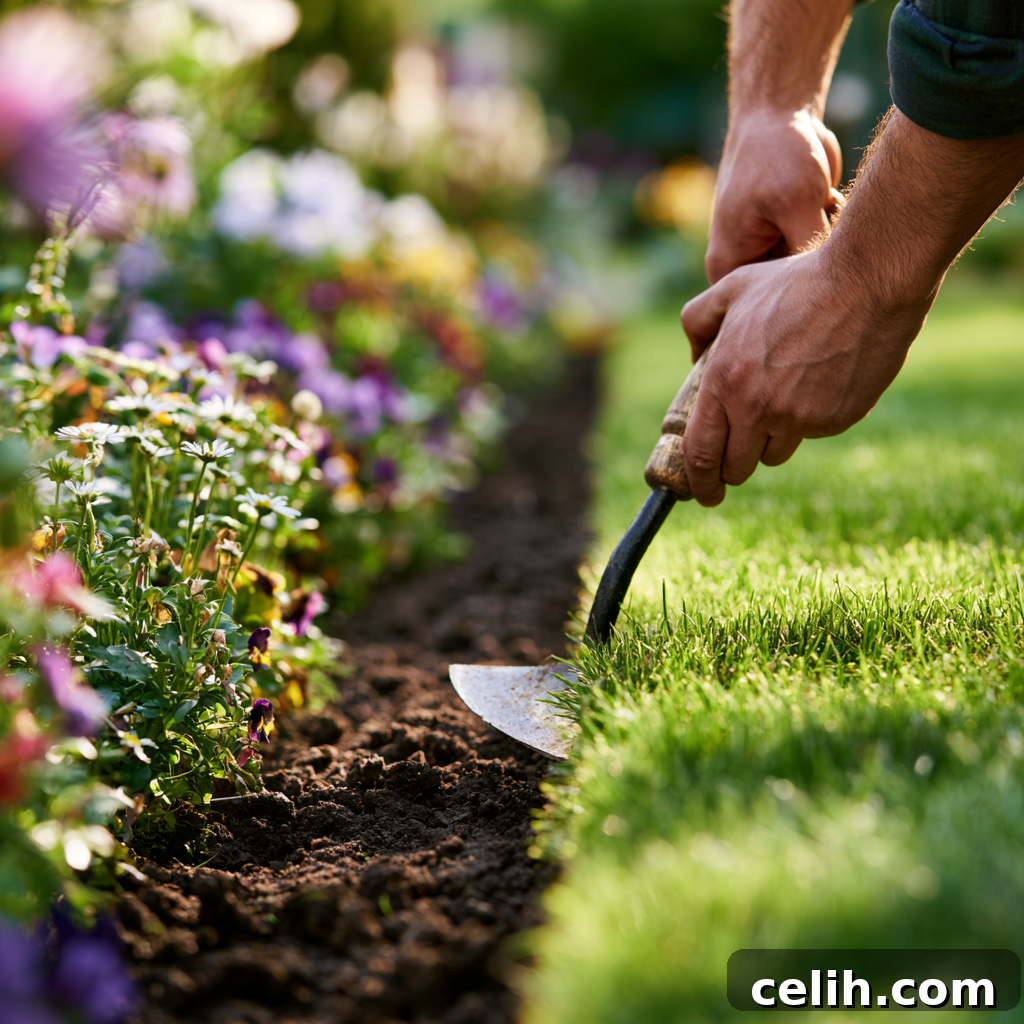
Trench edging costs nothing in materials and can be installed quickly with a flat spade. Cut vertically to spade depth, remove a 2–3 inch wedge from the lawn side and create a vertical wall on the garden side—this produces a neat line and a guide for mower wheels. It requires regular maintenance (re-cutting every 4–6 weeks during the growing season) but offers full flexibility to change bed lines at any time.
Three reasons trenched edges remain useful: zero material cost, a natural appearance and complete flexibility to adjust layouts without wasted materials.
Combining Multiple Edge Types for Maximum Impact
Layering edging materials allows you to meet both functional and aesthetic goals. For example:
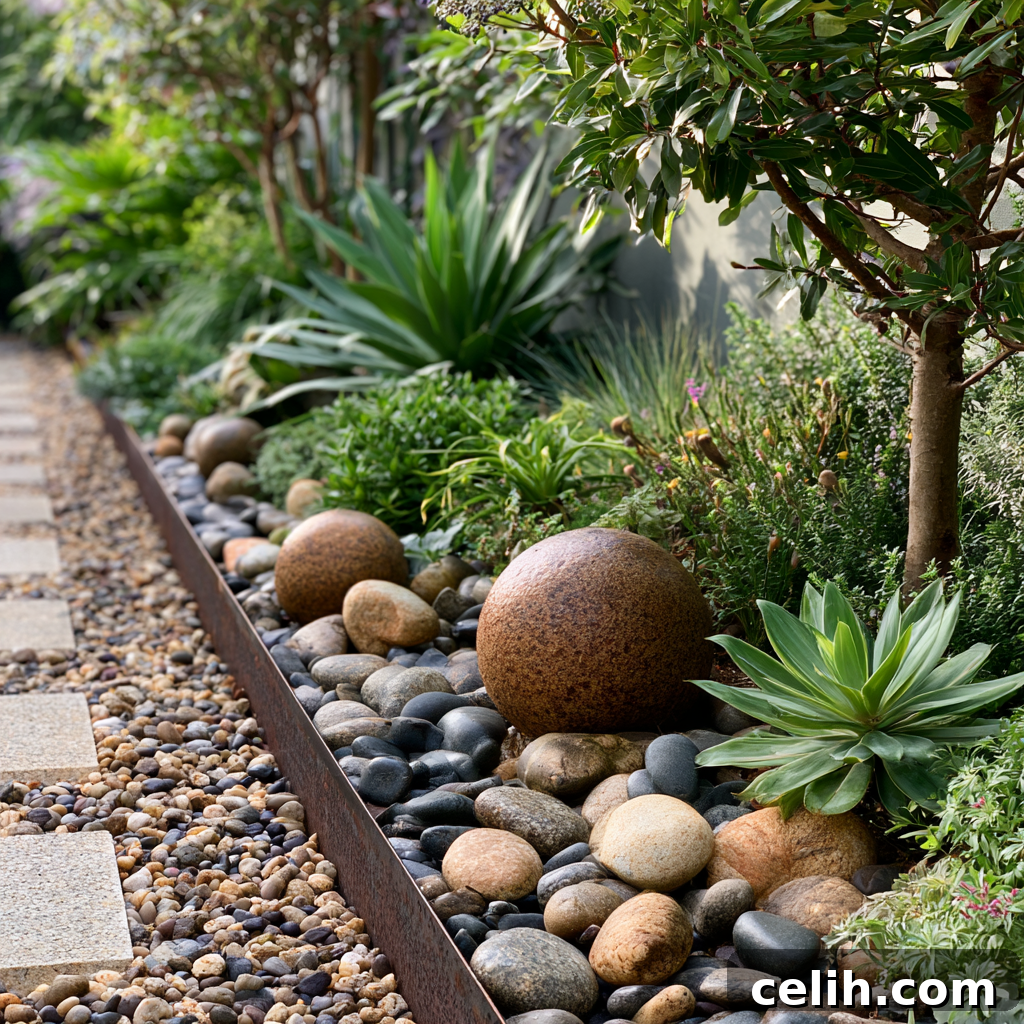
- Steel plus stone: Use steel as the invisible functional barrier and add river rock or boulders on the garden side for texture.
- Trench plus mulch: Cut a maintenance trench then add a contrasting mulch band for a bold visual stripe.
- Timber plus ground cover: Build raised timber edges and plant creeping thyme along the top to soften the wood.
Think in layers: the element that blocks grass does not have to be the one that provides the visual finish. Combining materials optimizes performance and style.
Garden Edging Cost Comparison
Different edging materials vary widely in cost, lifespan and maintenance. Consider upfront expense alongside longevity and how much maintenance you’re willing to perform when choosing the best option for your garden.
| EDGING MATERIAL | COST | LIFESPAN | MAINTENANCE |
|---|---|---|---|
| Trench edging | £ | Ongoing upkeep | High |
| Plastic edging | ££ | 5–10 years | Medium |
| Timber edging | ££ | 7–20 years | Medium |
| Aluminium edging | £££ | 20+ years | Low |
| Steel edging | £££ | 20+ years | Low |
| Brick edging | £££ | 50+ years | Low |
| Stone edging | £££ | 50+ years | Low |
| Concrete edging | £££ | Lifetime | Very low |
| Living edging | ££ | Long-term with care | Medium to High |
Garden Edging for Sloping Gardens
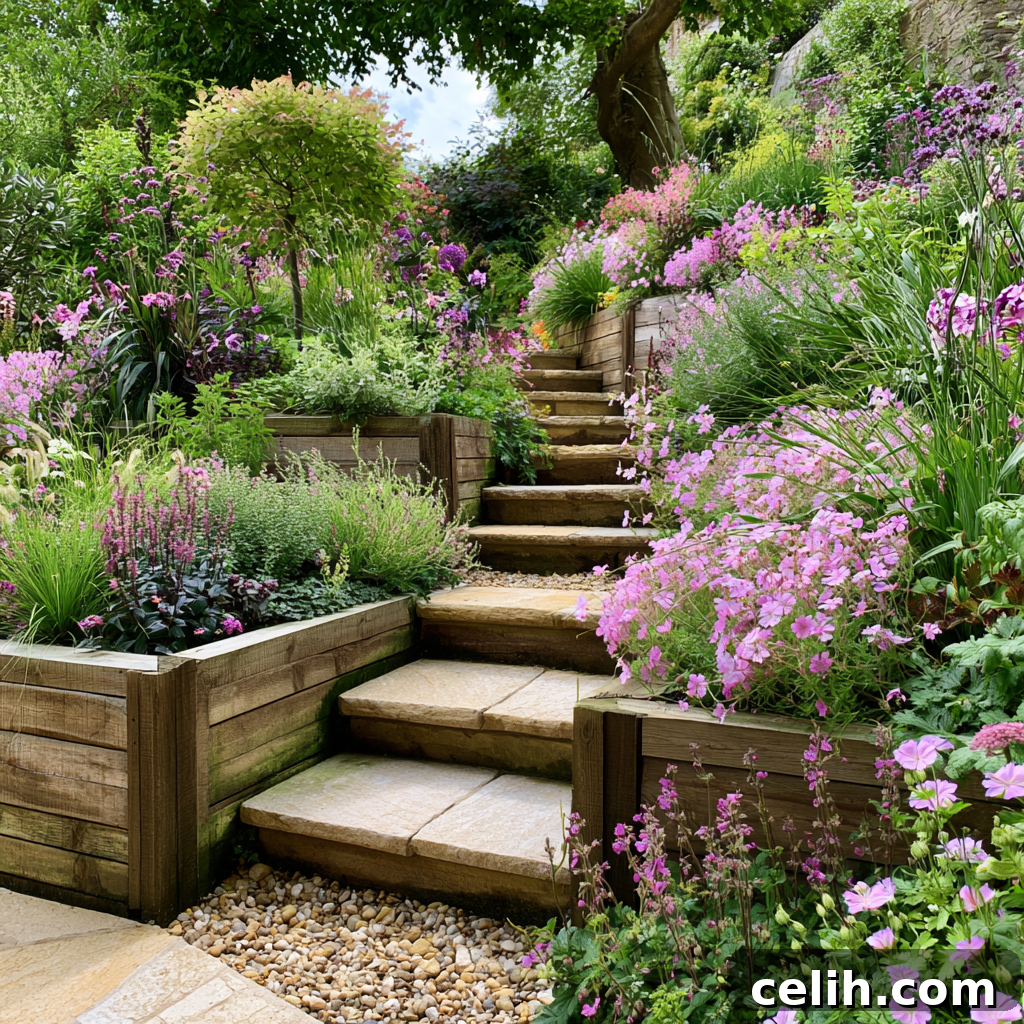
Slopes need edge solutions that stabilise soil and reduce erosion. For gentle inclines, heavy materials such as sleepers, natural stone and large pavers help hold soil in place. Sleepers work well laid horizontally to create low retaining edges and level planting areas.
Steeper sites often benefit from terracing—using sleepers, stone retaining walls or concrete blocks—to create a sequence of smaller, manageable levels that reduce erosion and improve accessibility. Dry-stacked stone blends naturally while offering substantial support; steel can define stepped beds for a contemporary look. Always consider drainage so water can move freely without becoming trapped behind edging.
Maintaining Your Garden Edging

Regular checks extend the life of any edging. Inspect annually for movement, damage or deterioration and replace broken sections promptly. Timber may need periodic staining or treatment; brick and stone require checks for loose units or mortar gaps. Metal edges generally need only clearing of soil and debris, while plastic may need resetting after frost heave. Living edges require trimming and division to keep them from spreading into unwanted areas.
A modest amount of yearly attention preserves the crisp, defined look that makes edging so effective.
Conclusion
When done well, garden edging quietly transforms a landscape—improving appearance, reducing maintenance and protecting planting schemes. Choose the material that best fits your garden style, budget and maintenance preferences. Whether you prefer steel’s clean lines, brick and stone’s timeless character, timber’s warmth or the softness of living edges, the right border will enhance both form and function.
There is no single perfect solution. A contemporary courtyard may be best served by metal profiles, while a cottage garden will often suit reclaimed brick or flowering ground cover. Thoughtful selection and proper installation will create boundaries that look intentional, perform reliably and stand the test of time.
Take the time to plan edging alongside other landscape features—sometimes the smallest details have the greatest effect on the finished design.