
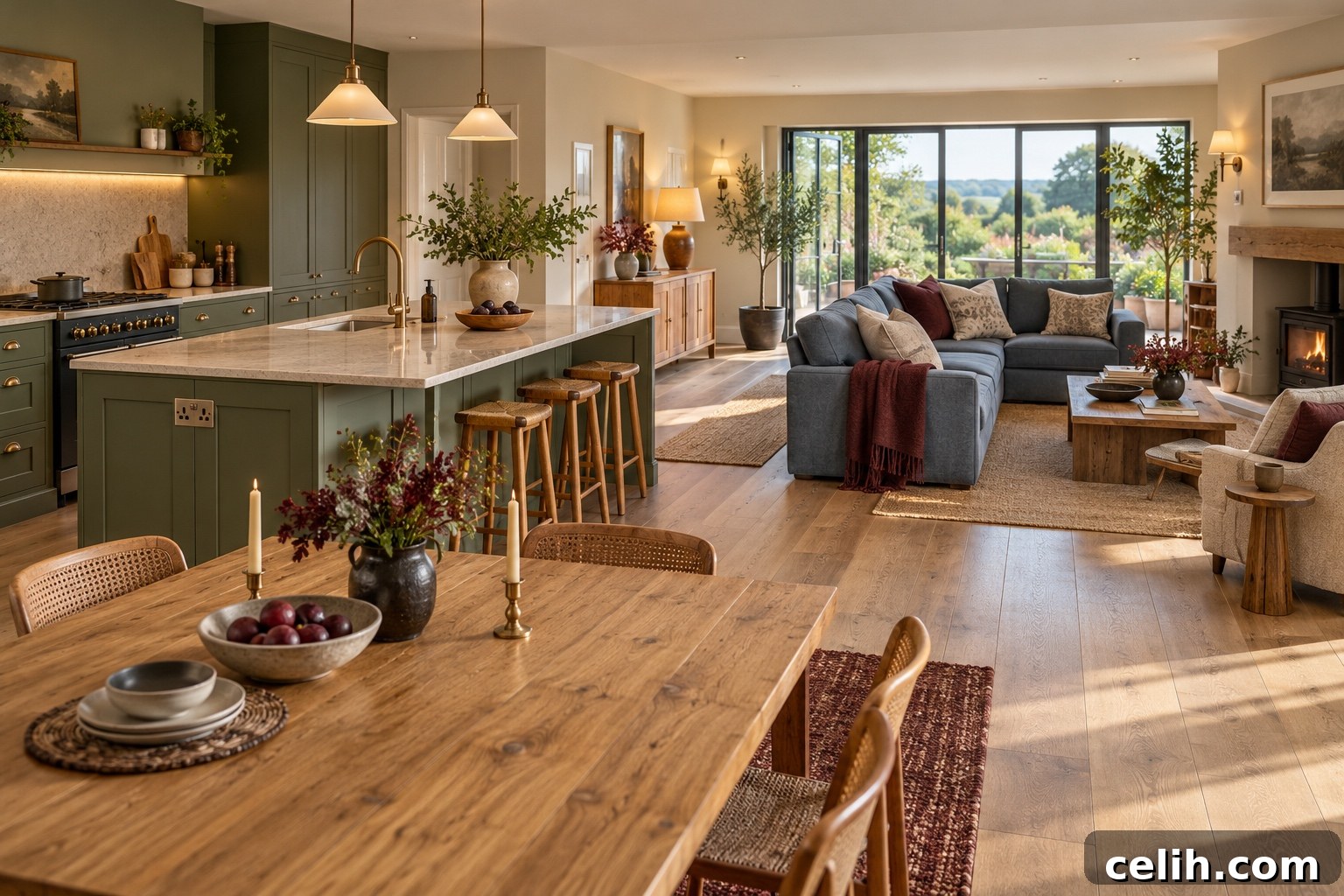
Intentional design transforms everyday spaces into places that genuinely support the people who use them. A well-placed outlet can make a kitchen more convenient, and built-in hallway storage keeps daily essentials organised and easy to reach. These choices may seem small during the planning stage, but they shape comfort, movement and routines for years to come. Thinking carefully about how each feature will be used creates rooms that feel considered rather than merely finished.
Table of Contents
Every Detail Matters
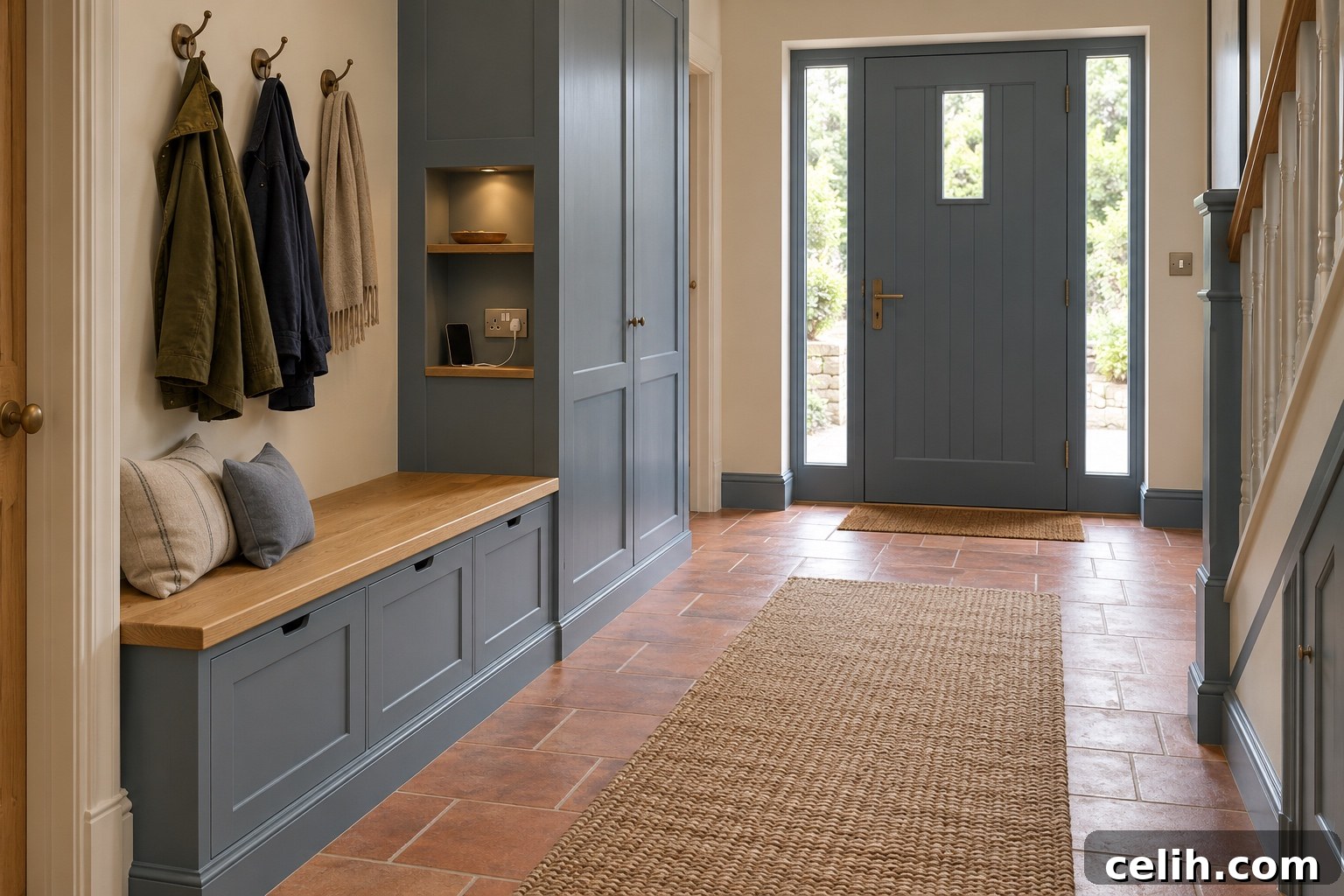
Begin by observing the repeated moments people experience every day. Where will they put keys, charge a phone or switch on a light when entering a room? The core idea of intentional design is to link each decision to a clear user need so the space supports real life.
Small details shape a room’s character. Handles, light switches and trim set a visual rhythm, while changes in texture help define different zones. Even playful elements have value when they support the room’s purpose and mood. For example, whimsical bedside lamps can add personality to a child’s bedroom or a home office while still providing useful task lighting.
Purpose-Driven Design
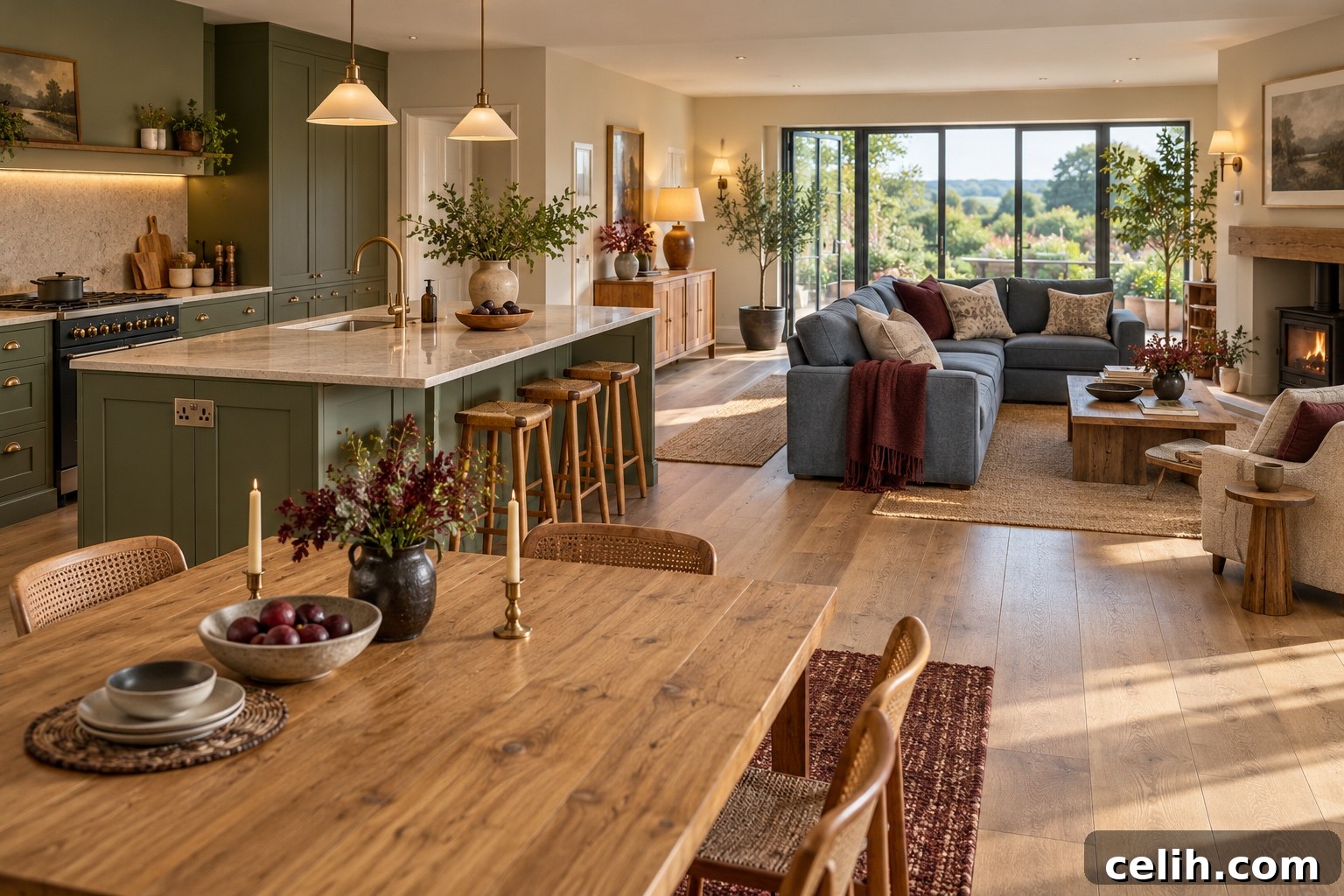
Before selecting finishes, write down what the space needs to achieve. A family kitchen might require clear sightlines to a play area, ample food storage and enough room for two people to work comfortably. An office fit-out could prioritise quiet work zones, accessible meeting rooms and flexible furniture that adapts to different tasks.
A concise brief gives builders and designers a practical foundation for custom residential, commercial or care environments. It also helps clients compare proposals fairly. Purpose-driven design connects choices to their intended impact: when reviewing a plan, ask what each feature contributes and who benefits from it.
Refining the User Journey
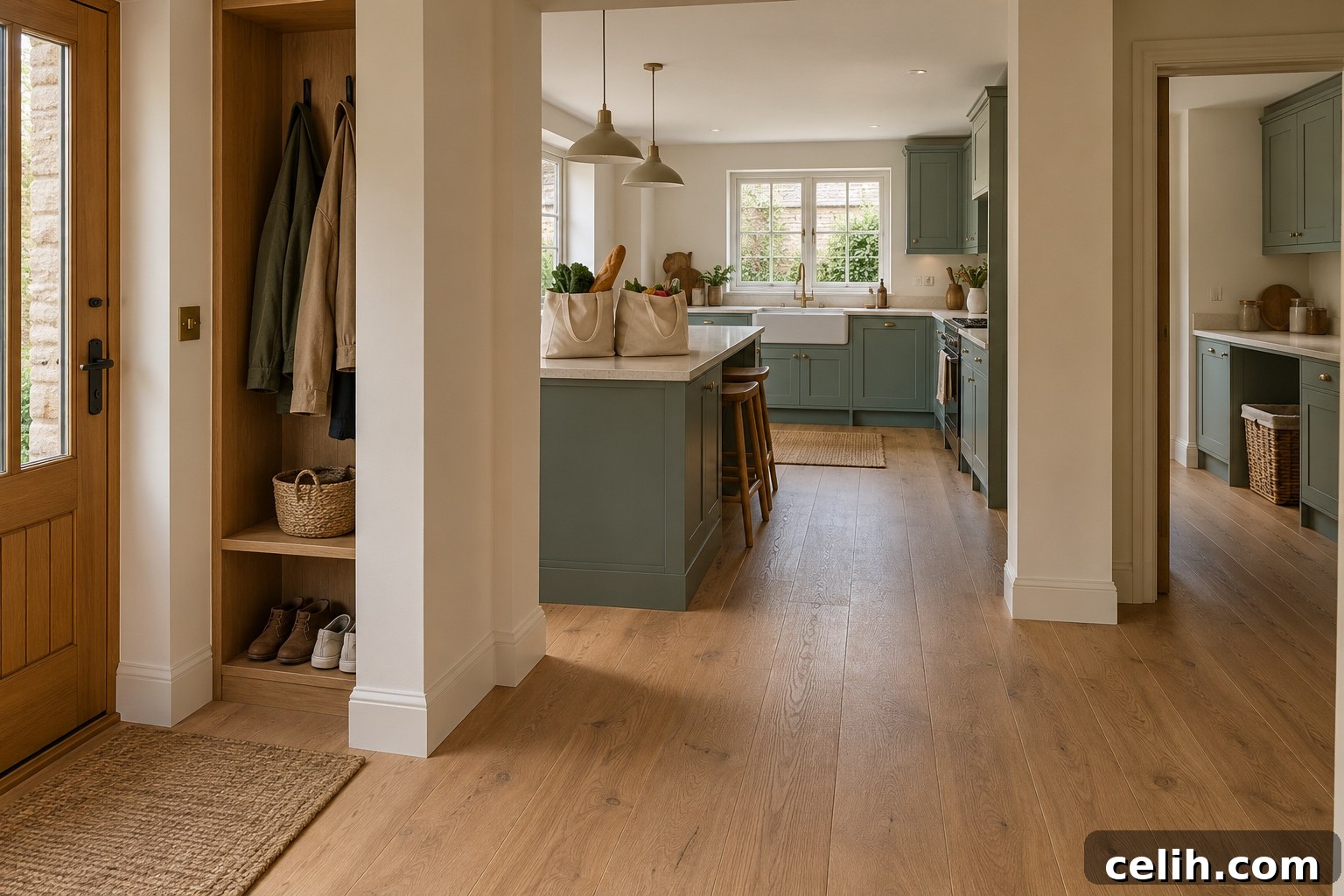
Walk through the floor plan in the order a resident or visitor would experience it. Start at the entrance and trace routes to key destinations such as the kitchen, bathroom or shared workspace. Look for awkward turns, narrow passages and doors that might collide when opened.
Test everyday routines: imagine carrying groceries from the car, moving laundry between rooms or finding a meeting room for the first time. In homes, items used frequently should be stored close to where they’re needed. These practical checks often reveal issues before construction begins, saving time and expense later.
Longevity Through Thoughtfulness
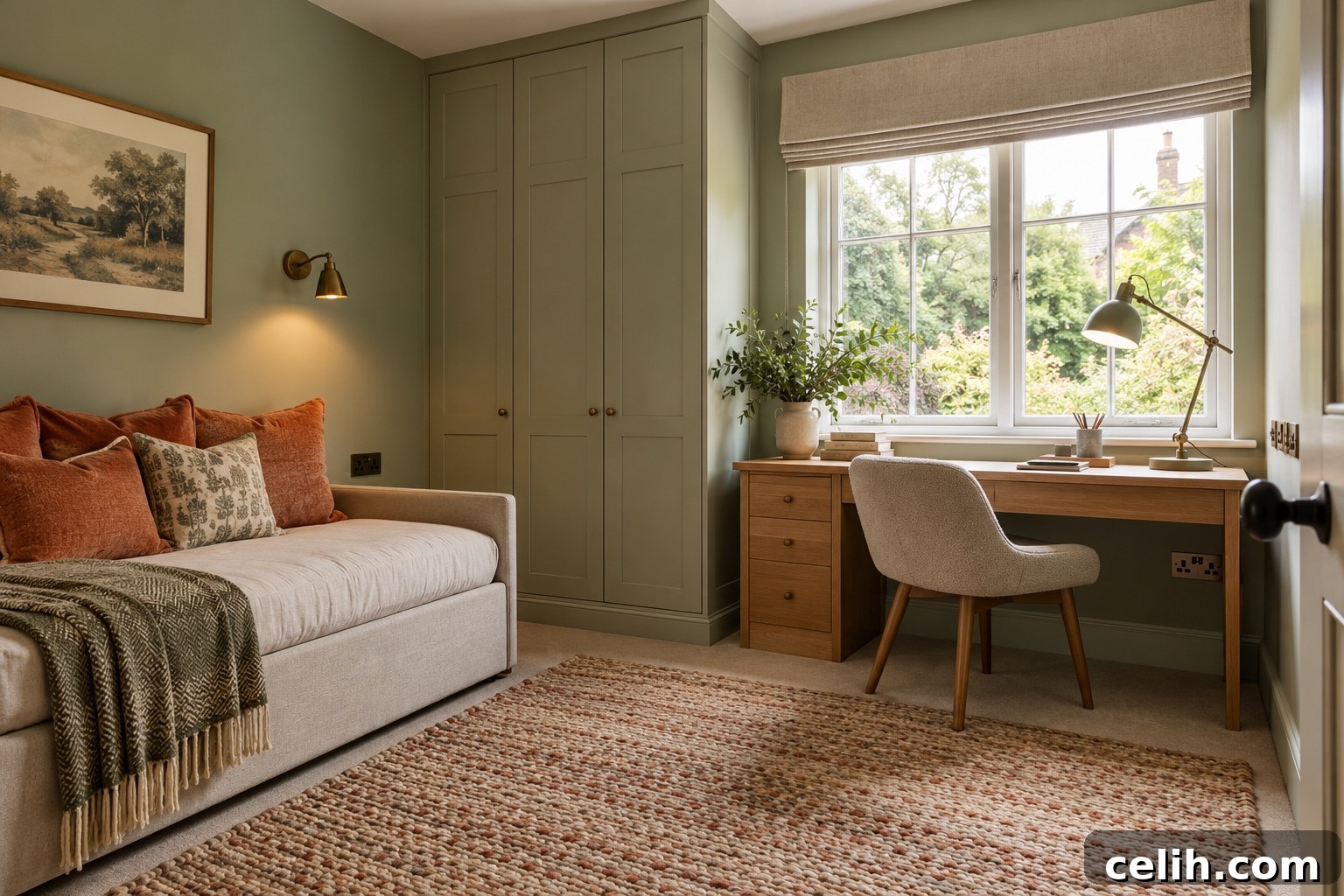
Choose layouts and materials that can adapt to changing needs. A spare room fitted with appropriate power points, storage and lighting can serve as a bedroom today and a study tomorrow. Open shelving may look attractive, but closed cupboards often work better in busy households where visual clutter builds quickly.
Durability comes from using the right material in the right place. Moisture-resistant finishes belong in wet areas, while high-traffic entrances need flooring that stands up to dirt and frequent cleaning. Consider how surfaces will be maintained and how easily damaged parts can be repaired. Thoughtful design leaves room for updates without requiring major structural changes every time needs evolve.
Building Meaningful Environments
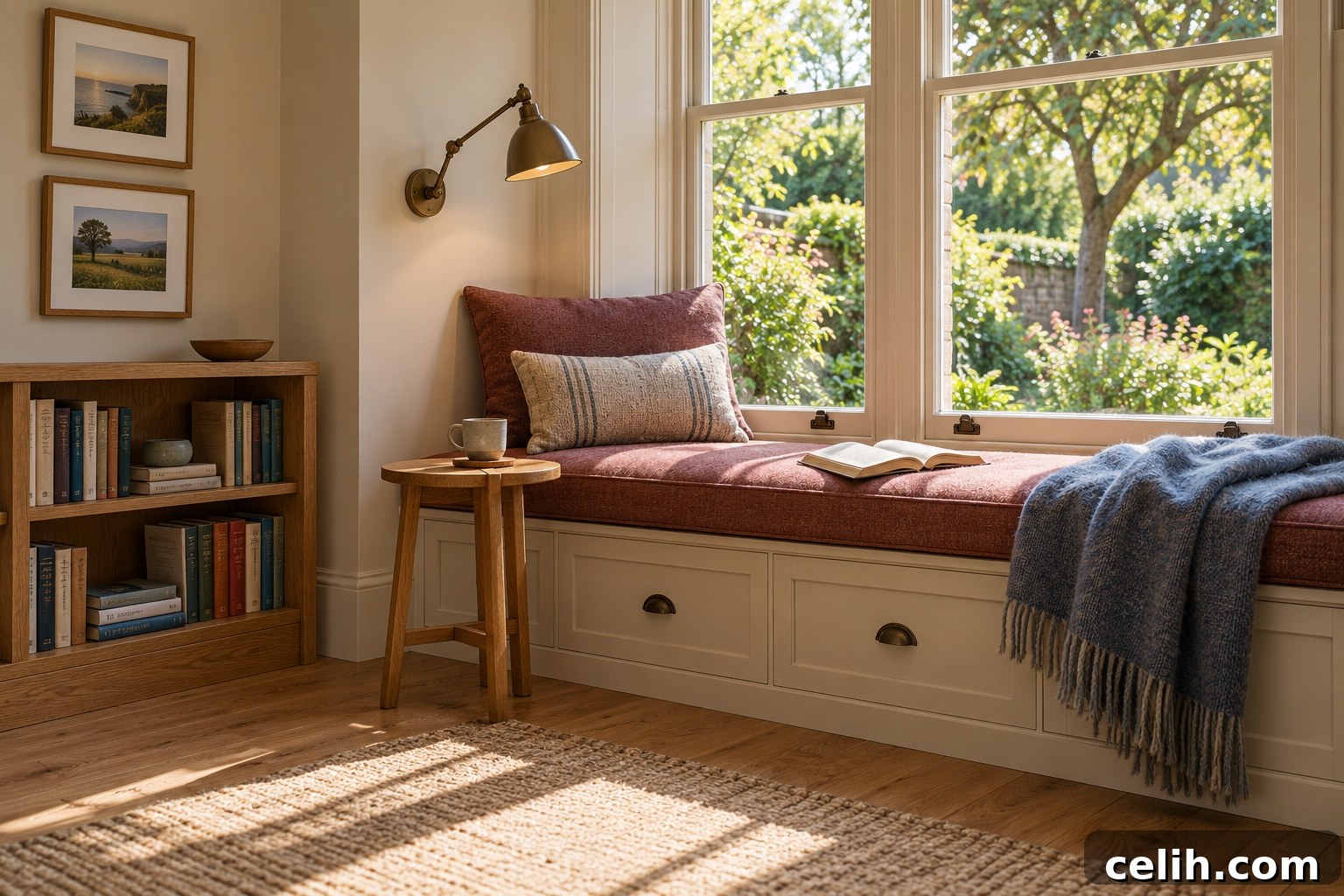
Personal meaning emerges from a combination of practical design and familiar details. A window seat becomes a cherished reading spot because it pairs natural light, storage and comfort. In care settings, clear visual cues and consistent colours help residents recognise rooms and shared areas. Workplaces benefit from spaces that support both focused work and informal conversation.
Keep details aligned with the building’s overall purpose. Too many decorative ideas can compete for attention, so choose a limited palette of materials, colours and shapes that repeat through the interior. The finished environment should feel coherent while reflecting the people who use it.
Before approving a design, imagine one ordinary day from arrival to bedtime or closing time. Points where movement feels awkward, storage falls short or lighting is uncertain are usually the areas where the most valuable improvements can be made. Addressing these moments creates spaces that are not only attractive but genuinely useful and long-lasting.