
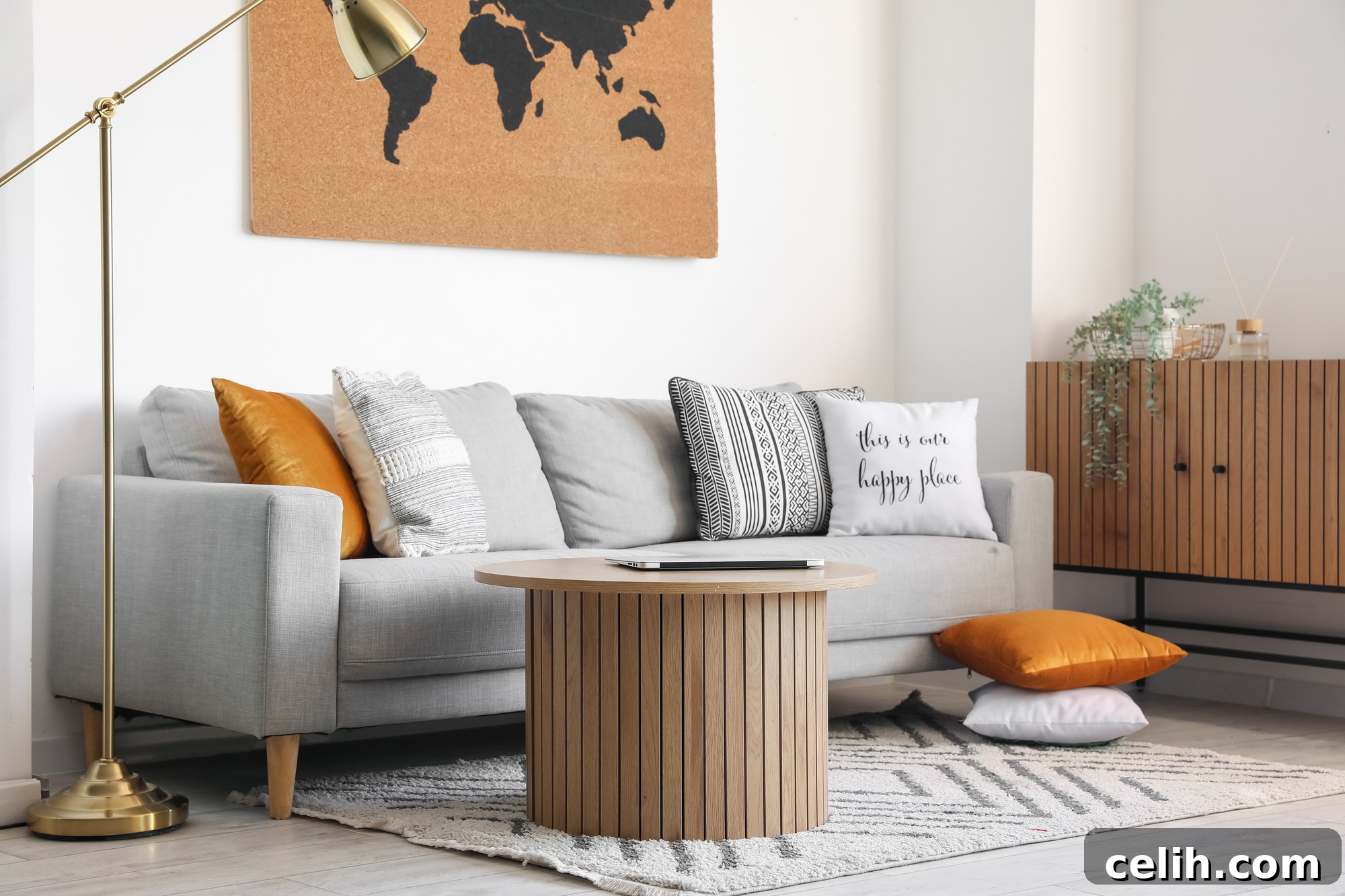
In the heart of bustling cities, life often comes with a distinct trade-off: living in more compact spaces. Yet, instead of viewing this as a limitation, consider it a remarkable opportunity. Small spaces are not merely areas to occupy; they are blank canvases awaiting a blend of creativity, innovative design, and personal style. With a thoughtful approach and a keen eye for detail, even the most modest homes can radiate charm, offer unparalleled functionality, and surprisingly, feel expansive and inviting. Are you ready to transform your petite dwelling into a sanctuary that truly reflects you? Let’s dive into the art of maximizing small spaces!
1. Laying the Foundation: Understanding Your Space
Before any paint is brushed or furniture is moved, the most crucial step in transforming your compact home is to intimately understand its unique characteristics. This goes beyond mere measurements; it involves recognizing the subtle nuances of your environment. Take the time to accurately measure the dimensions of each room, noting ceiling heights, the placement of windows and doors, and any architectural quirks like alcoves or oddly shaped corners. Pay close attention to the flow of natural light throughout the day and how it interacts with different areas. Observe the existing architectural features—whether it’s exposed brick, crown molding, or a specific type of flooring—as these elements can be leveraged or subtly altered to enhance your design vision. By meticulously mapping out your space and understanding its inherent personality, you empower yourself to make informed design choices that not only complement but also significantly enhance the unique attributes of your home, setting the stage for a truly optimized living experience.
Consider creating a simple floor plan or sketch to visualize furniture placement and traffic flow. Think about how each room will be used and by whom. Are you designing for a single occupant, a couple, or a family? What activities will primarily take place in each zone? This foundational understanding will guide every subsequent decision, ensuring that your design choices are both aesthetically pleasing and highly practical for your compact living lifestyle. An intentional start guarantees an efficient and beautiful outcome.
2. The Ingenuity of Multifunctional Furniture for Compact Homes
When living in compact spaces, furniture isn’t just about aesthetics; it’s about intelligence and versatility. Multifunctional furniture is the cornerstone of efficient small space living, acting as a true game-changer. Imagine a sophisticated sofa that, with a simple mechanism, effortlessly converts into a comfortable bed, ready to host unexpected overnight guests without the need for a dedicated guest room. Envision a stylish coffee table that not only serves as a surface for your morning brew but also cleverly conceals ample storage compartments, perfect for tidily stashing away magazines, TV remotes, board games, or extra throws. These pieces are more than just furniture; they are space-saving solutions disguised as elegant design elements.
The magic extends further with pieces like ottomans that offer both seating and hidden storage, nesting tables that expand or contract based on your needs, and modular shelving units that can be reconfigured to fit various room layouts. Choosing such versatile items for your compact home not only allows you to reclaim precious floor space but also ensures that every single inch of your dwelling is utilized to its maximum potential. It’s about investing in pieces that adapt to your evolving needs, offering flexibility and smart design, making your small apartment feel far more spacious and infinitely more functional than its actual footprint suggests. Prioritize quality and durability, as these pieces will work harder for you.
3. Storage Solutions: Beyond Necessity, An Art Form
One of the most persistent challenges of navigating small-space living is the relentless battle against clutter. However, with a dash of ingenuity and a strategic mindset, storage can transcend its utilitarian role and become a seamless, even beautiful, component of your overall decor. The possibilities for integrating clever storage solutions into your compact home are truly endless. Think beyond traditional cupboards and explore every available nook and cranny.
Consider the often-overlooked spaces: custom drawers cleverly built into staircases, transforming a purely functional architectural element into a hidden treasure trove. Wall-mounted shelves and floating cabinets aren’t just for books; they expertly utilize vertical space, drawing the eye upward and freeing up valuable floor area. Don’t forget the prime real estate beneath your bed – an ideal spot for under-bed storage bins, perfect for stashing away seasonal clothing, extra linens, or bulkier items that aren’t needed daily. Even behind doors, over-the-door organizers can provide valuable storage for shoes, toiletries, or cleaning supplies.
Innovative storage can also involve built-in banquette seating with lift-up lids for dining areas, ottomans with removable tops for blankets, or even integrating storage within decorative elements like window seats. The key is to think vertically, think hidden, and think dual-purpose. By adopting this approach, you not only keep your small apartment tidy and organized but also contribute to a serene and uncluttered aesthetic, making your home feel effortlessly expansive and remarkably functional. Every item should have a home, and that home can often be ingeniously concealed.
4. The Transformative Power of Colour and Light in Small Spaces
Colour is far more than a mere decorative choice; it’s a powerful psychological tool capable of dramatically altering the perception of space within a compact home. To create an immediate illusion of expansiveness, gravitate towards soft, neutral shades. Hues like warm beige, calming dove gray, crisp off-white, and muted pastels can make walls recede, reflecting light and making a room feel airier and more open. These light palettes serve as a beautiful backdrop, allowing other elements of your decor to shine without overwhelming the senses.
However, don’t shy away from incorporating bold hues entirely. Strategic use of deeper or more vibrant colours can add incredible depth and character without making a room feel cramped. Consider painting a single feature wall in a rich, saturated shade to create a focal point and add a sense of dimension. Alternatively, introduce splashes of vibrant colour through accessories like plush cushions, a striking piece of artwork, or a carefully chosen rug. This approach adds visual interest and personality while maintaining the overall light and spacious feel. Moreover, the intelligent use of lighting is equally crucial. Maximize natural light by using sheer curtains or blinds that can be fully drawn during the day. For artificial lighting, layer various sources: ambient lighting from ceiling fixtures, task lighting for specific areas (like reading nooks or kitchen counters), and accent lighting from sconces or floor lamps to create warmth and define zones. Proper lighting can illuminate dark corners, expand visual space, and create a welcoming ambiance, making your small space feel larger, brighter, and infinitely more inviting.
5. Elevate Your Space with Smart Design Hacks for Compact Living
Transforming your small space to appear more expansive and functional is an art, fundamentally rooted in how you approach its design. These ingenious hacks are designed to visually enlarge your dwelling while enhancing its practicality:
Reflective Beauty: The Power of Mirrors and Glossy Surfaces
Mirrors are much more than mere decorative items; they are powerful spatial expanders. By strategically reflecting natural and artificial light, along with other parts of the room, mirrors can instantly make any space feel significantly larger, brighter, and more open. Consider a large, full-length mirror placed opposite a window to amplify light and views, or a gallery of smaller, decorative mirrors to add dimension. For a truly unique touch, explore architectural mirror walls or bespoke mirrored murals – have one custom-made by reputable glass artisans like Flickinger Glassworks and position it in an area where you desire to add more depth and visual interest. Beyond mirrors, incorporating other reflective surfaces like glossy furniture finishes, polished metals, or glass tabletops can also contribute to this airy, expansive feel by bouncing light around the room.
Go Vertical: Harnessing Upward Space
For those who yearn for lush greenery but are constrained by limited floor space, vertical gardens are an absolute dream come true, as highlighted by Agritech. These living walls bring a vibrant slice of nature indoors without occupying any precious floor area. But the “go vertical” principle extends beyond plants. Think floor-to-ceiling bookshelves, wall-mounted display units, or tall, narrow cabinets. Utilizing the vertical plane for storage and decor draws the eye upward, creating a perception of greater height and more overall space. Consider vertical shelving for books, art, or even a wall-mounted entertainment unit to keep the floor clear and uncluttered.
Floating Furniture: A Visually Lightweight Approach
Furniture pieces that are mounted off the floor, giving the illusion of floating, can dramatically enhance the sense of spaciousness in a room. Floating vanities in bathrooms, wall-mounted desks in home offices, or suspended media consoles in living areas visually reveal more of the floor area, making the room appear larger and less cluttered. This design choice also makes cleaning much easier, adding to the practical benefits. The absence of legs underneath creates a sense of lightness and openness, preventing the space from feeling weighed down.
Embrace Pegboards: Functional and Aesthetic Wall Storage
No longer relegated solely to garages and workshops, pegboards are stylishly making their way into living rooms, kitchens, and bedrooms. Their inherent versatility makes them perfect for hanging everything from kitchen utensils, crafting supplies, and office essentials to decorative items like small plants, artwork, or personal photos. Pegboards offer an incredibly flexible and customizable storage solution, allowing you to reconfigure shelves and hooks as your needs change, all while adding a unique, functional aesthetic appeal to your walls.
Custom-Built Solutions: Tailored to Perfection
For individuals with a penchant for DIY or those willing to invest in bespoke design, crafting custom-built shelves, cabinets, or seating solutions that fit perfectly into your specific space can be both immensely fulfilling and highly practical. These tailored solutions can seamlessly integrate into awkward nooks, alcoves, or irregular wall dimensions, maximizing every single inch of available space. Imagine built-in window seats with hidden storage beneath, or a desk ingeniously integrated into a wall recess. Custom solutions ensure that no space goes to waste and that your storage and furniture are perfectly aligned with your home’s unique layout and your personal needs, creating a cohesive and highly efficient environment.
Strategic Layouts and Visual Continuity
Beyond individual pieces, the overall layout of your furniture is paramount. Arrange pieces to create clear pathways and define zones in open-plan living. Avoid placing large furniture against doorways or windows. Furthermore, consider visual continuity: using the same flooring throughout an open space, or consistent color schemes, can help rooms flow into each other seamlessly, making the entire dwelling feel larger than distinct, chopped-up sections. Opt for furniture that is proportionate to the room size, avoiding oversized pieces that can overwhelm a compact area.
Lightweight and Transparent Materials
Choosing furniture made from materials like glass, acrylic, or those with open frames can significantly contribute to an airy feel. A glass coffee table, for example, allows light to pass through and doesn’t visually obstruct the floor, making the space feel more open. Similarly, chairs with slender legs or open backs appear less bulky than solid, heavy pieces, enhancing the visual lightness of your compact home.
6. The Art of Intentional Organization in Small Living
In a compact home, mastering the art of effective organization and decluttering is not merely a suggestion; it’s an absolute necessity. Clutter can quickly devour precious square footage, making even a well-designed small apartment feel cramped and chaotic. Embrace these practical tips to organize your home like a true professional, ensuring it remains an oasis of calm and spaciousness.
Embrace the Power of Decluttering
Cultivate a minimalist mindset. Periodically, and with intention, sift through your belongings, asking yourself if each item truly serves a purpose or brings you joy. Keep only what you genuinely need and deeply love. For items that no longer serve you but are still in good condition, consider donating them to charities or selling them, allowing others to put them to better use. This “less is more” philosophy is transformative, not just for your physical space but also for your mental clarity. A decluttered home leads to a decluttered mind.
Organize Like a Pro with Strategic Tools
Investing in a range of clever organizational tools is key to maintaining order. Think beyond basic storage and explore items like decorative baskets, functional bins, drawer dividers, shelf risers, and multi-tiered organizers. Categorize your belongings and assign a designated spot for everything. For instance, use decorative boxes on open shelves to hide odds and ends, or employ drawer dividers to keep utensils and socks neatly separated. When every item has a specific ‘home,’ maintaining a tidy and orderly home becomes an effortless routine, saving you time and reducing stress.
Switch To Digital: Modern Space-Saving
Fully embrace the conveniences of the digital age to minimize physical clutter. Opt for e-books instead of physical paperbacks, subscribe to online magazines rather than collecting print copies, and utilize streaming services for entertainment instead of accumulating DVDs or CDs. Digitally store important documents in cloud-based systems rather than piling up paper files. Consider digital photo frames to display memories without occupying shelf space with numerous photo albums. This modern approach to information and entertainment is not only environmentally friendly but also an incredibly effective space-saving strategy for any compact living arrangement.
Implement Regular Maintenance
Organization isn’t a one-time task; it’s an ongoing habit. Dedicate a few minutes each day to tidying up, putting things back in their designated spots, and clearing surfaces. This consistent effort prevents clutter from accumulating and ensures your home always feels fresh and organized, making it easier to enjoy your compact living space without constant overwhelm.
Conclusion: Crafting Your Cozy and Captivating Compact Home
Compact living presents us with a unique and exciting challenge: to think differently, to be more innovative, and to consciously prioritize what truly matters in our daily lives. It’s an inspiring journey of discovering smart, ingenious solutions, making bold and intentional design choices, and ultimately, creating a home that resonates deeply with your personal style and supports your lifestyle. This process encourages mindful consumption and creative problem-solving, turning perceived limitations into distinctive advantages.
Remember, the true essence of a home is not defined by its square footage, but by the warmth, creativity, and thoughtfulness infused into every corner. It’s about designing a space that feels uniquely yours, a sanctuary where you can relax, entertain, and thrive, regardless of size. By embracing multifunctional furniture, clever storage, strategic color and lighting, and consistent organization, your compact dwelling can easily become a testament to efficient elegance and personal charm. Cheers to creating a space that is both incredibly cozy and undeniably captivating, proving that great design truly knows no bounds!