
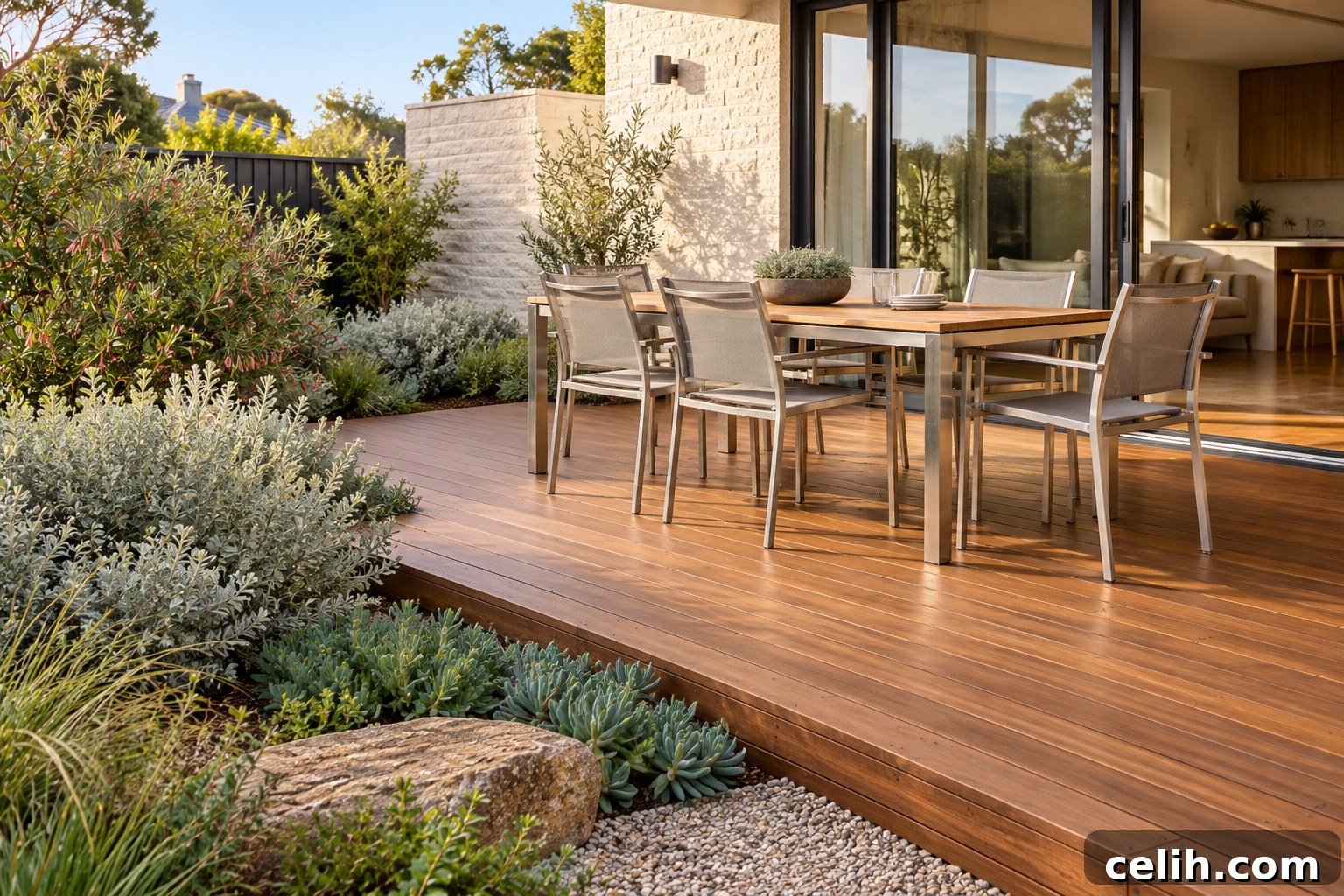
Brighton lies about 11 km south-east of central Melbourne, bordered by Port Phillip Bay on its western edge. Its streets mix Victorian villas, interwar bungalows and crisp new builds, and most properties share a common challenge: gardens must withstand salt-laden winds and fast-draining sandy soil. Those two forces shape what will thrive here far more than the latest planting trends.
Because of those conditions, many homeowners hire local landscape experts in Brighton for retaining walls, decks and planting schemes rather than copying designs suited to inland suburbs. Contractors who work in the bayside environment know how sand moves, how quickly it dries and which plants shrug off sea spray. You can still define the brief yourself; this guide explains the choices that matter most when planning a bayside garden in Brighton.
Table of Contents
What Makes a Brighton Garden Different?
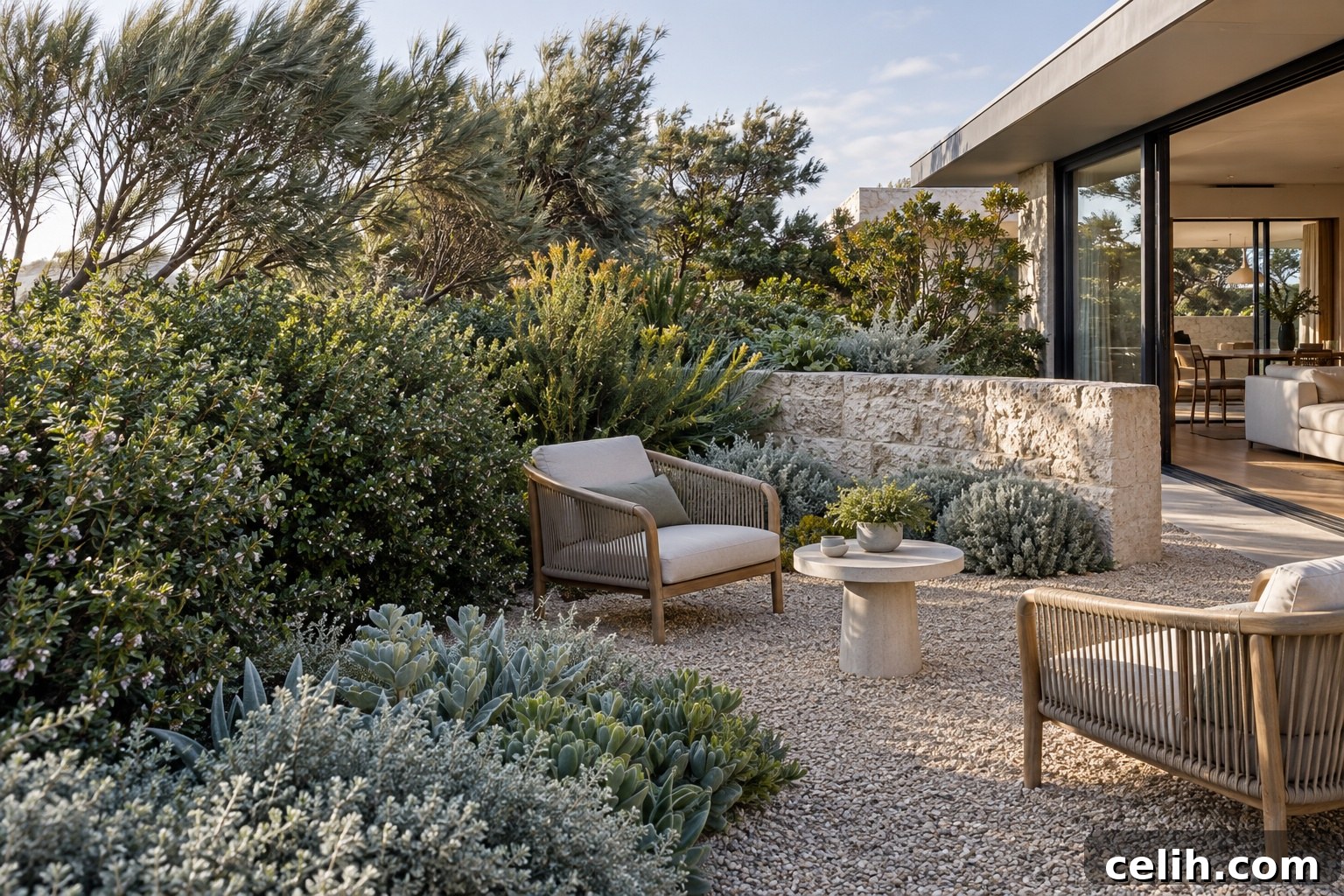
Three factors distinguish a Brighton garden. First, wind: prevailing westerly and south-westerly winds sweep straight off Port Phillip Bay and bring fine salt spray. Tender, soft-leaved plants scorch quickly and many exotic ornamentals struggle within a few streets of the beach.
Second, soil: much of Brighton sits on sand that drains within minutes and holds few nutrients. Water and fertiliser pass through quickly, so roots need to find moisture deeper down. The benefit is excellent drainage—paths and paving stay dry and roots rarely suffer from waterlogging.
Third, setting: Brighton includes notable heritage places and a strong streetscape character. The Dendy Street beach and bathing boxes are part of the local heritage, and many residential streets have planning controls that treat front gardens as an element of public appearance, not just private space.
How Should You Plan the Layout Before Planting?
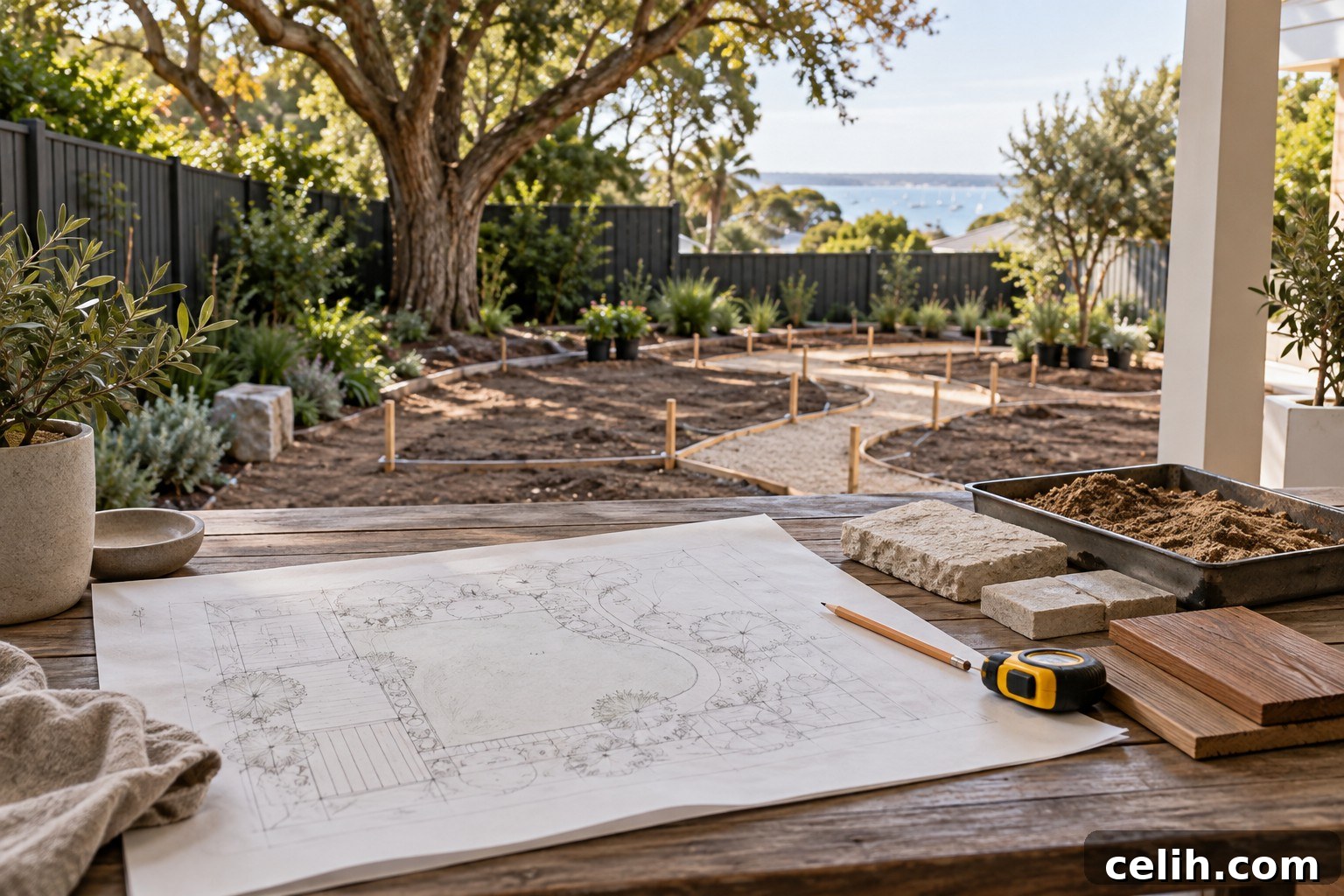
Successful bayside gardens begin with a careful site visit, not a hurried trip to the nursery. Work through these steps in order to design a resilient coastal garden:
- Map the wind. Note where gusts strike the house and where calm pockets form behind walls and fences.
- Test the soil. Dig about 30 cm and pour in a bucket of water to see how fast it drains.
- Mark every large tree on and near the property, including those just beyond the boundary.
- Plan hard surfaces first—paths, decks, retaining walls and pool fencing—so planting follows a settled layout.
- Group plants by water needs: place thirstier beds near the house and drought-tolerant natives on the exposed edge.
- Reserve space for a raingarden near a downpipe; a useful rule of thumb is to size it at roughly 2% of the roof area that drains to it.
Designs that follow this sequence age far better than quick makeovers. Sand shifts under load, so retaining walls and raised beds need proper footings and drainage. Get the structure right and the planting will establish more easily in Brighton’s coastal conditions.
Which Trees Can You Keep, Remove or Plant?
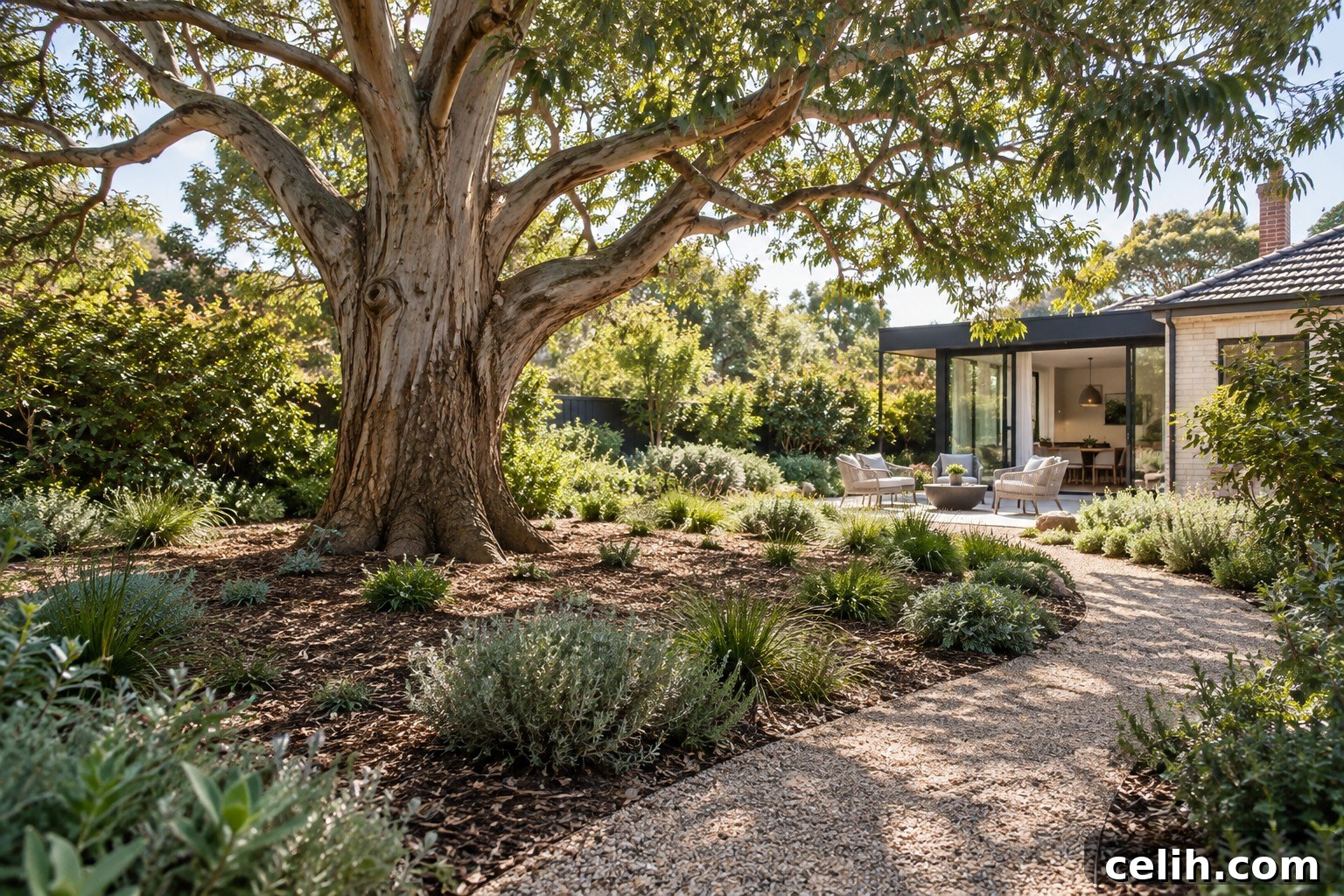
Trees have a major influence on a Brighton garden and are subject to strict local controls. In many cases removing a large tree requires council approval. For example, trees above a certain trunk circumference measured at 1 m are usually protected, and trees listed on a significant register need permission to be removed regardless of size. Palms, ferns and non-woody plants are typically exempt, and pruning by a qualified arborist to Australian Standard 4373 does not usually require a permit.
When removal is allowed, replanting is often required. Replacement planting usually must deliver substantially more canopy than was lost—commonly twice the canopy area at maturity—or include additional shrub and groundcover layers to meet council expectations. If you plan a pool, deck or major change near a large tree, commission an arborist assessment early because the council may refuse removal or impose conditions.
Which Plants and Materials Handle Salt Air?
| Element | Good bayside choice | Why it works |
| Feature tree | Coast banksia | Native to the bay, salt tolerant, feeds birds |
| Hedge or screen | Coast correa | Dense, clips well, grows on exposed cliffs |
| Silver accent | Cushion bush | Compact, drought hardy, soft texture |
| Low shrub | Coast saltbush | Grey foliage that thrives on foredunes |
| Groundcover | Karkalla | Succulent mat that binds loose sand |
| Decking | Hardwood or composite boards | Copes with sun and moisture |
| Fixings and furniture | Marine-grade stainless steel | Resists salt corrosion |
Many of these species are well established as salt-spray tolerant choices for dunes and coastal reserves. Karkalla is a low succulent with pink flowers and edible fruit; coast banksia is a small, robust tree that attracts honeyeaters in cooler months.
A few practical habits help coastal plantings thrive:
- Incorporate plenty of compost into planting holes because sand holds little moisture and few nutrients.
- Apply a thick layer of mulch to keep roots cool and reduce evaporation.
- Rinse outdoor furniture and metal fixings after storms to remove corrosive salt deposits.
- Water deeply and less frequently so roots grow deeper and access moisture below the surface.
With hotter summers and longer dry spells becoming more common, choosing tough, drought-tolerant native species is a sensible long-term approach for Brighton gardens.
Brighton Garden Notes to Keep
- Salt wind and fast-draining sand set the limits—design for both from the start.
- Large trees often need council approval to remove; check local regulations before acting.
- Replacement planting usually needs to provide significantly more canopy than the removed tree.
- Native coastal plants reduce water use and tolerate salt spray better than many exotics.
- Plan hard surfaces, walls and drainage before planting; these structural items shape long-term success.
A Garden Made for the Bay
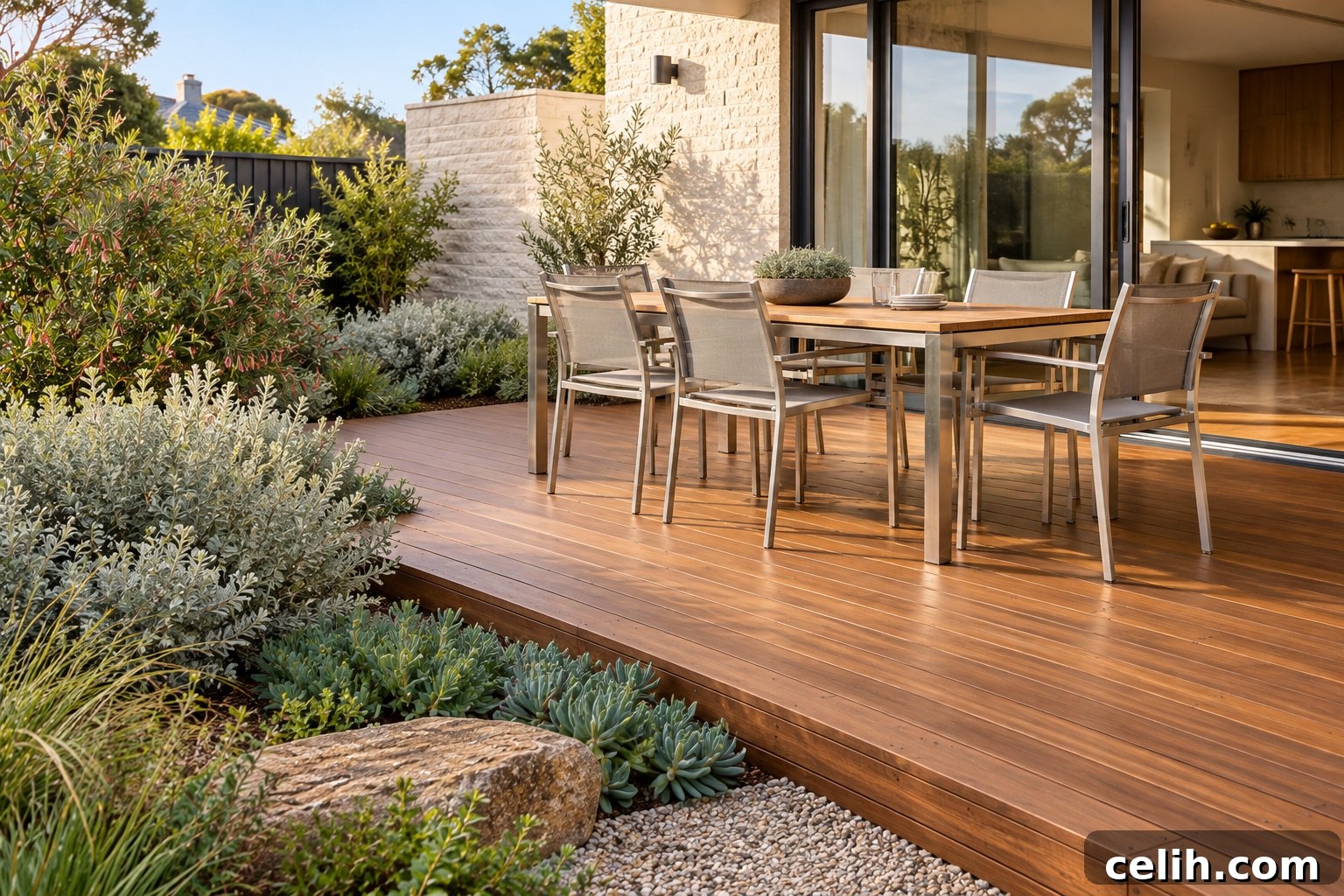
The best Brighton gardens feel like they belong to the coast. They favour local plants, honest materials and sheltered outdoor rooms formed by walls and hedges. They respect mature street trees and the heritage of nearby homes. Even modest measures, such as diverting roof runoff into a small planted bed beside a downpipe, can support healthy plants and reduce mains-water use. Get the bones right—drainage, structure and shelter—and the planting will look after itself for years.
Frequently Asked Questions
Do I Need a Permit to Remove a Tree In Brighton?
Often yes for large trees. Trees that exceed the local size threshold or that are listed on a significant tree register usually require council permission. Exemptions commonly include palms, ferns and declared noxious species, and standard arborist pruning does not typically need approval.
What Plants Grow Well In Brighton’s Sandy Soil?
Coastal native species perform best: coast banksia, coast correa, cushion bush, coast saltbush and karkalla are proven choices that tolerate sand and salt spray. Improve planting success with compost and mulch at the time of planting.
How Do You Protect a Garden From Salt Wind?
Establish a tough, windward screen of coastal shrubs first. Use solid walls, hedges or fences to create calm pockets and then locate softer, more delicate plants in the lee of that shelter. Proper placement and layering of plants reduce wind exposure and prolong plant health.
Is a Raingarden Worth Adding to a Bayside Garden?
Yes, raingardens are valuable where space permits. A shallow, planted rainbed placed near a downpipe helps capture and filter roof runoff, keeping water in the garden. In sandy soil, a raingarden can be especially effective at improving local moisture retention and supporting nearby plantings.