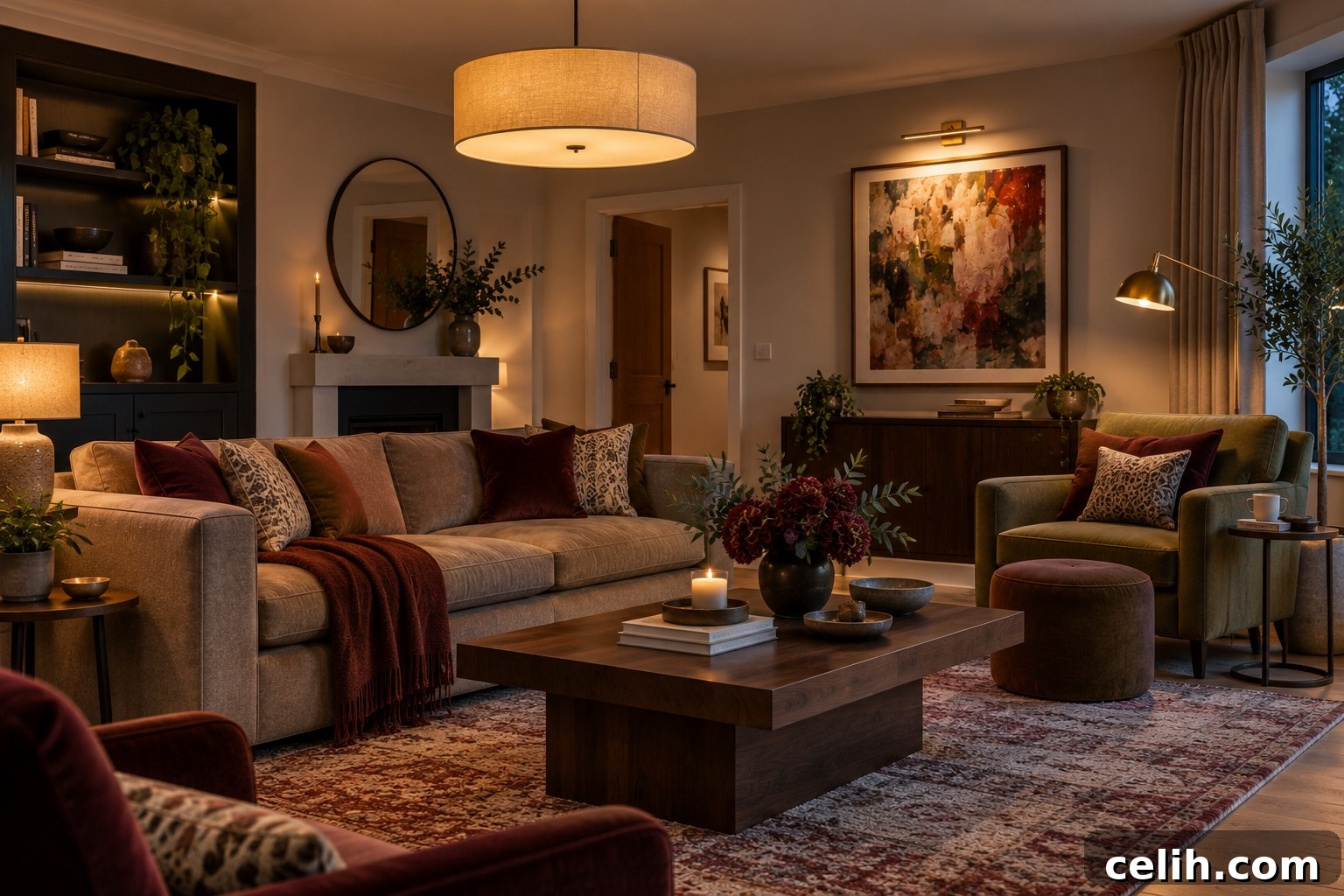
Great lighting in a contemporary home does much more than simply illuminate a space. It shapes mood, defines zones, and becomes an integral element of the décor. We no longer rely on a single ceiling fixture; today’s designs use lighting as an essential design component that combines practicality with personal expression. When you treat light as a creative tool, it opens opportunities to make your home feel lively, refined, and unmistakably yours.
Beyond the Bulb: Thinking of Light as an Artistic Medium
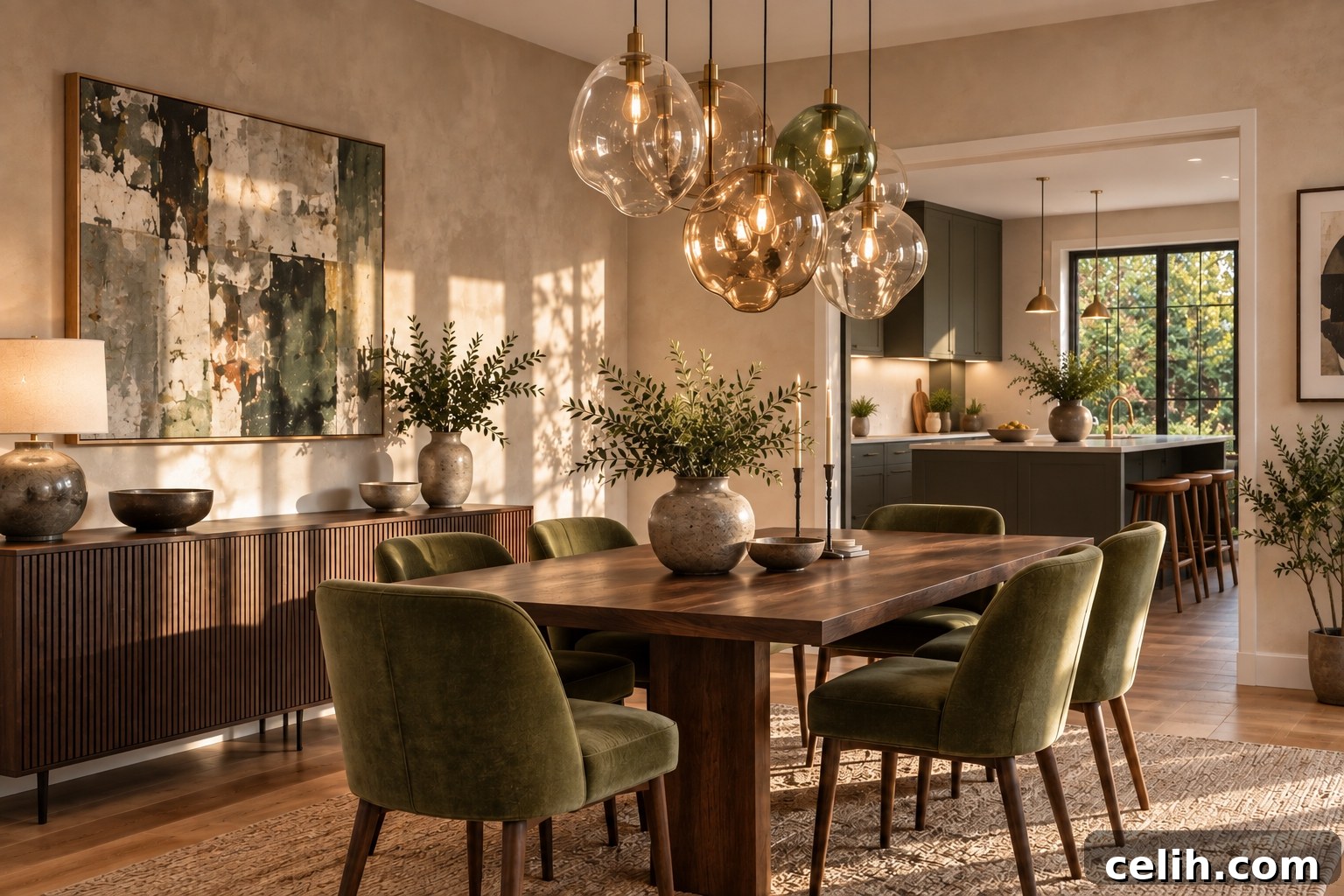
Start by changing how you view fixtures: not as mere hardware but as sculptural pieces that contribute to your home’s aesthetic. A bold pendant over the dining table or a sequence of minimalist sconces along a corridor can act as visual anchors, adding character even when unlit. Selecting fixtures for their form as well as their function builds a cohesive collection of light sources that enhance the space around the clock.
Think of lighting as functional art. A floor lamp with an elegant curve, a chandelier of layered glass, or an oversized pendant can interact with daylight and artificial light to cast interesting shadows, refract color, and add dimension. These choices help communicate the room’s personality and emphasize architectural details, turning lighting into a storytelling element rather than just a utility.
Illuminated Art: The Ultimate Fusion of Form and Function
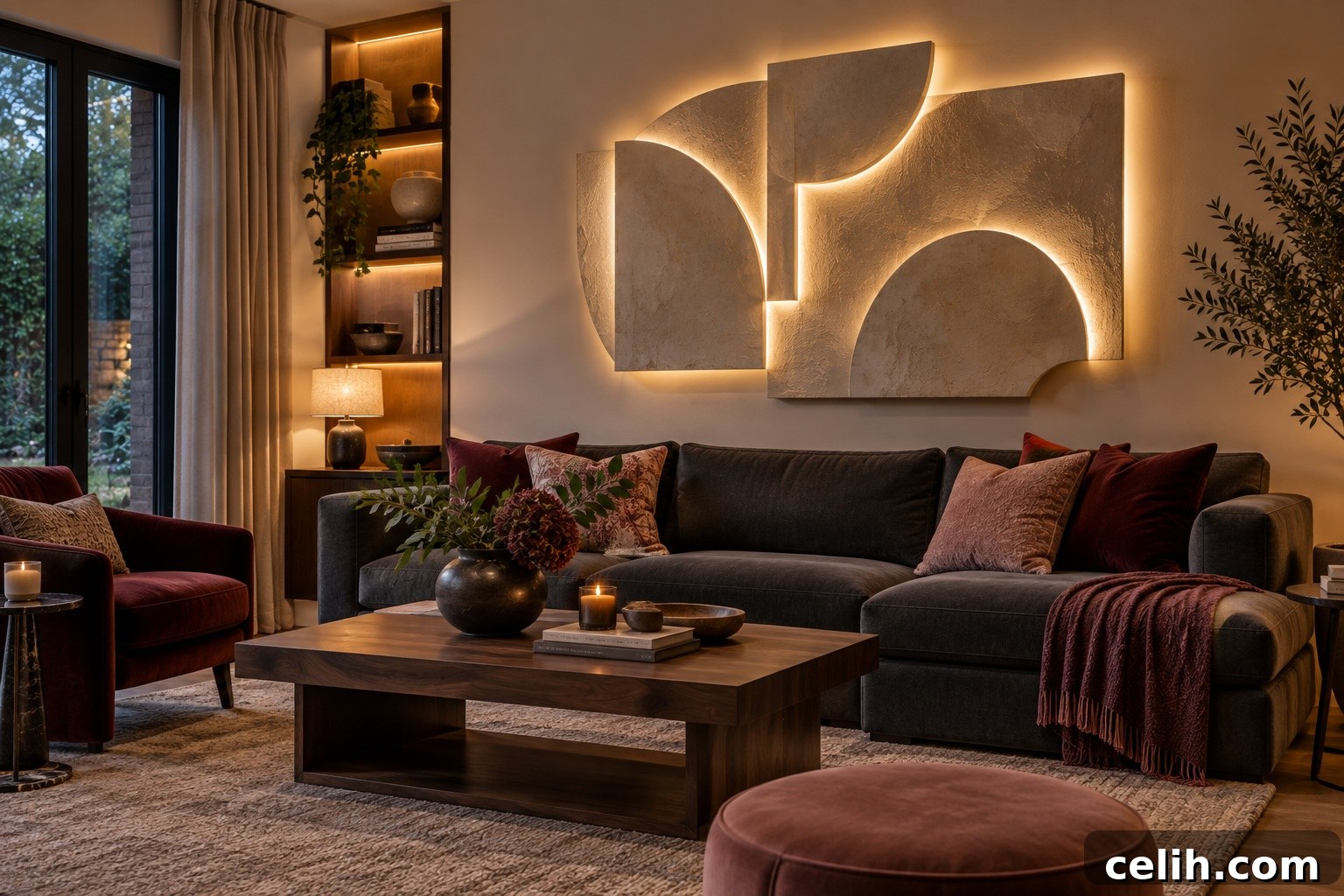
Many contemporary artists and designers now integrate light into the artwork itself. Pieces with built-in LEDs, backlighting, or neon accents change character from day to night: by daylight they read as texture, color, or form; by night they transform into luminous focal points that reveal new details and moods. These works provide both visual interest and ambient illumination, acting as centerpiece features in modern, minimalist interiors.
LED wall art, illuminated panels, or sculptural light installations offer a streamlined alternative to traditional paintings. They work well in entryways, living rooms, and dining areas where you want one strong statement that merges technology with creative expression. Because they serve dual roles—as art and as lighting—they can simplify a room’s design while amplifying its impact.
Strategic Spotlights: Highlighting Your Existing Collection
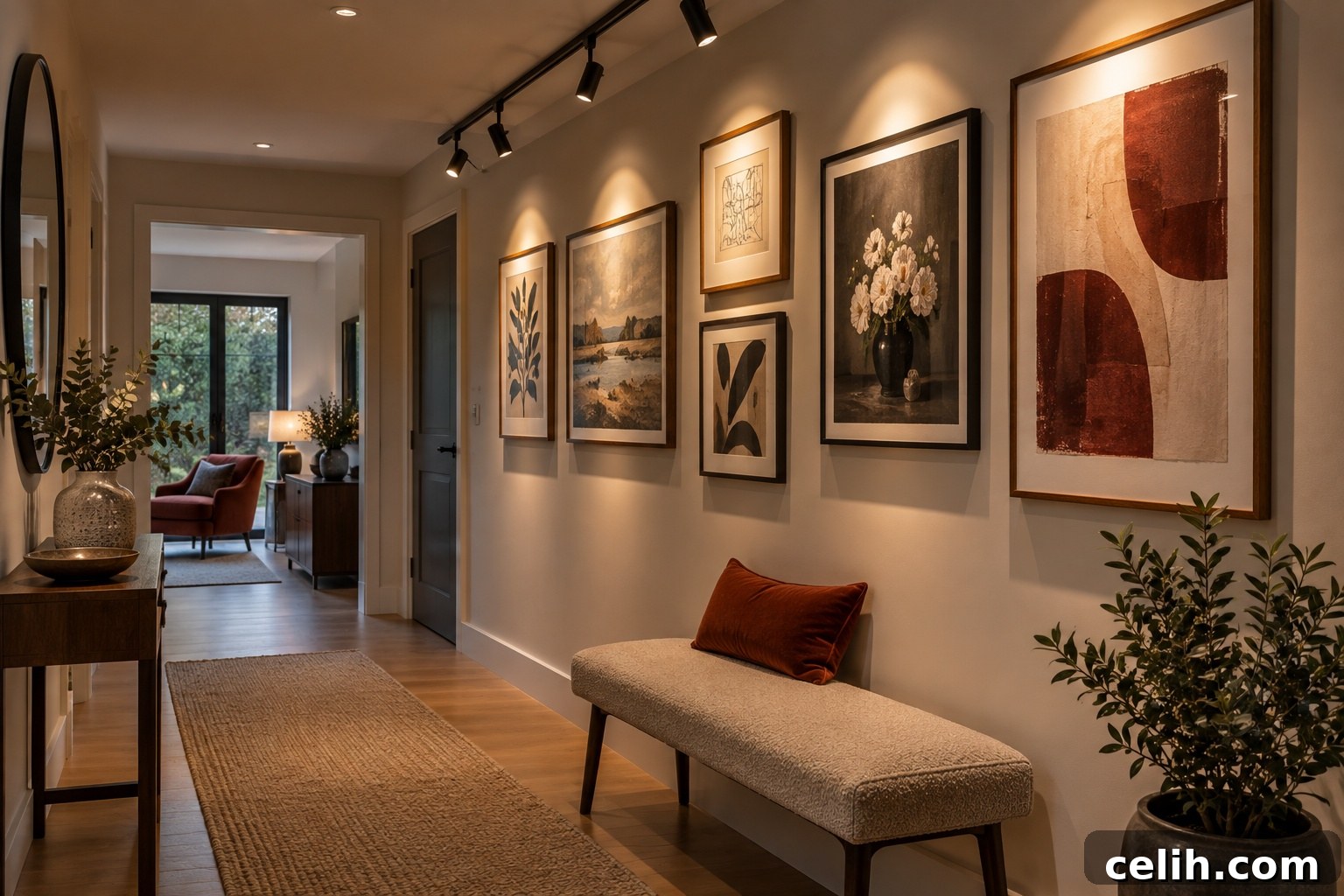
You don’t need to replace your art to create a dialogue between light and artwork. Clever lighting can elevate the pieces you already own, enhancing color, revealing texture, and adding drama. Properly placed fixtures can make paintings, photos, and sculptures read more vividly and attractively.
Effective options include picture lights mounted above frames, adjustable track lighting for gallery-style displays, and subtle uplighting for freestanding sculptures or large canvases. Picture lights provide even illumination across a canvas and modern LED versions are efficient and safe for sensitive works. Track systems offer flexibility for rotating collections, while uplighting adds theatricality by casting long, sculptural shadows. Consider the beam angle, intensity, and color temperature to ensure each piece is shown to its best advantage.
Layering Light for Ambiance and Impact
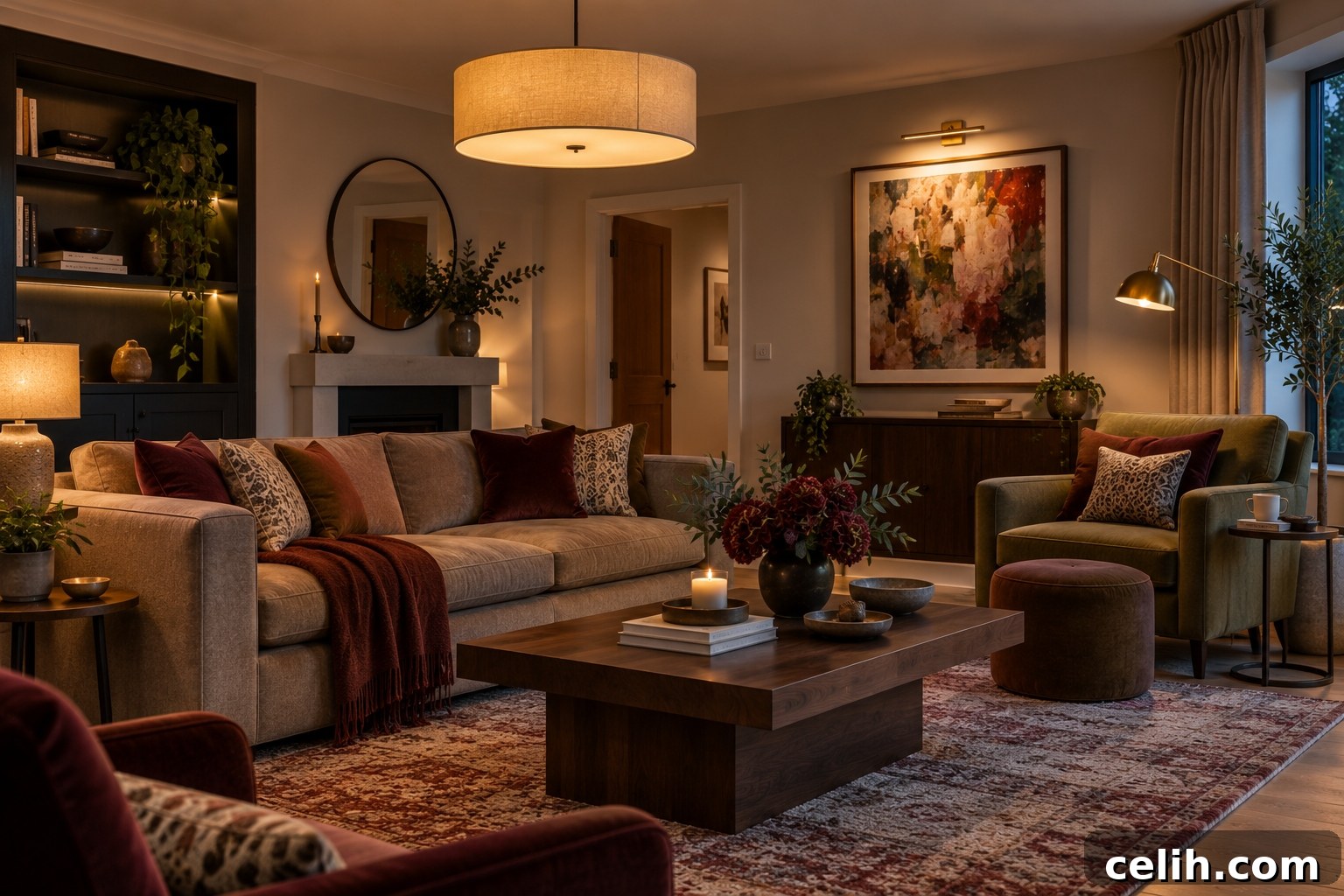
A thoughtfully lit room usually combines multiple layers of light to achieve depth, flexibility, and atmosphere. The three primary layers are ambient, task, and accent lighting. Ambient light provides general illumination from ceiling fixtures, recessed lights, or large pendants. Task lighting is focused and practical—desk lamps, under-cabinet lights, or reading lamps. Accent lighting is the artistic layer that highlights art, architectural details, or focal objects, adding contrast and drama.
Using dimmers across these layers allows precise control over mood for different occasions. For example, soft ambient light creates a relaxed evening atmosphere, while targeted accent lights draw attention to favorite artworks or design details. Mixing these layers gives you both functionality and a refined visual composition.
The Play of Color and Shadow
Lighting also involves color temperature and shadow. Warm light reads cozy and inviting, ideal for living rooms and bedrooms; cool light feels crisp and energetic, suitable for kitchens and workspaces. The color temperature you choose affects how paint tones and materials appear, so match bulb warmth to the mood and palette of each room.
Beyond white light, subtle colored lighting can accent textured walls or create an ambient backdrop without overwhelming a space. When light grazes surfaces like plaster, brick, or textured paint at an angle, it brings out depth through highlights and deep shadows. Shadows themselves can be used intentionally as a design element: a focused light on a plant or sculpture can cast evolving, sculptural shadows that contribute to the room’s visual narrative.
Brightening a home is more than increasing watts—it’s about using light deliberately as a malleable, expressive medium. By combining sculptural fixtures, illuminated art, strategic highlighting, and layered lighting, you can create contemporary interiors that are beautifully lit and true to your personal style.