
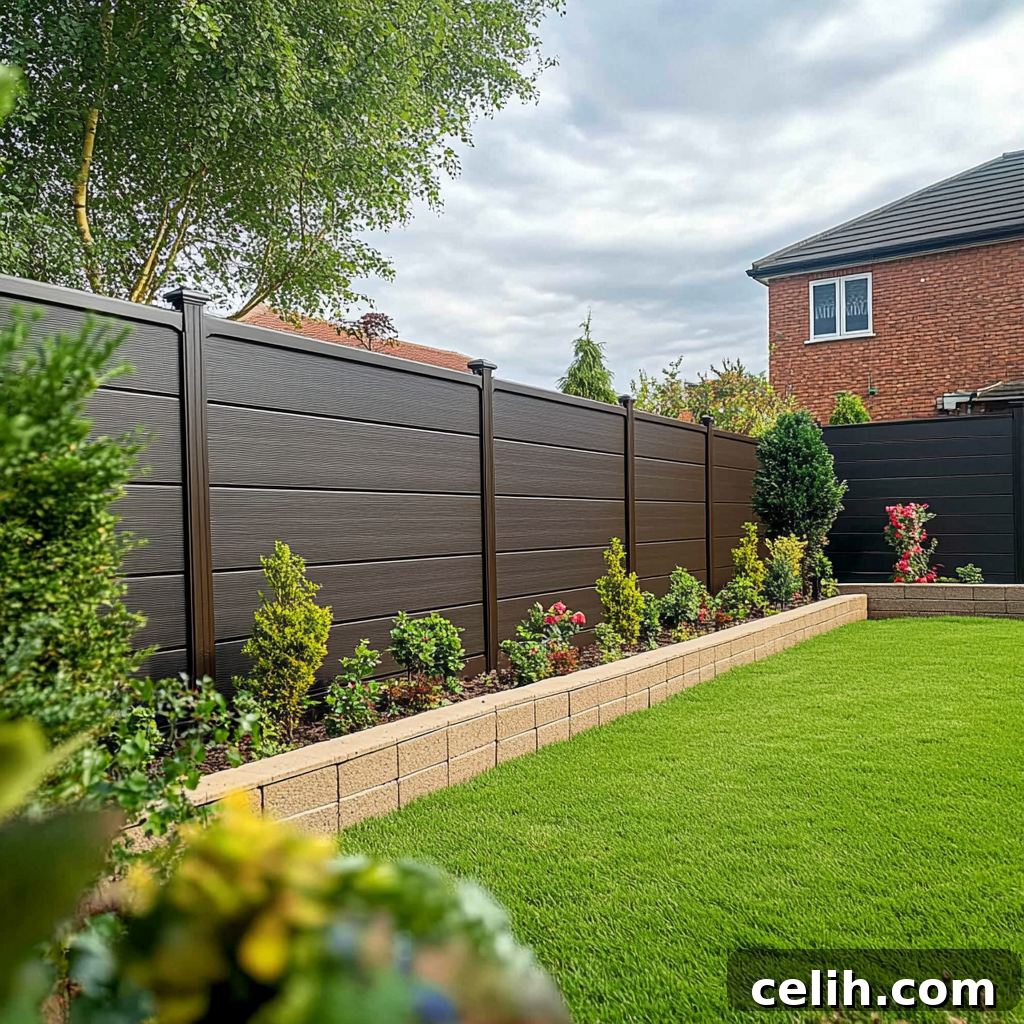
In the hustle and bustle of modern life, finding a fulfilling hobby can be a sanctuary, a creative outlet, or even a pathway to personal growth. But what if your pastime could do more than just entertain you? What if it could actively enhance your living space, boost your property’s appeal, and potentially increase its market value? Engaging in the right hobbies can transform your home into a haven, reflecting your personality while simultaneously making it a more desirable asset. It’s a truly symbiotic relationship where your enjoyment translates into tangible improvements for your most significant investment.
Many people seek hobbies for relaxation or skill development, yet overlook the incredible potential for these activities to yield real, measurable results that impact their immediate environment. Whether you’re looking to create a more comfortable abode, prepare for a future sale, or simply cultivate a deeper connection with your surroundings, there are numerous enriching hobbies that offer a dual benefit. They not only provide immense personal satisfaction and a sense of accomplishment but also contribute significantly to the aesthetic and monetary value of your home. Let’s explore some of these incredibly rewarding pursuits that can elevate your living conditions and enrich your life in profound ways.
Gardening: Cultivating Beauty and Value
Gardening is far more than just planting seeds; it’s a deeply therapeutic and immensely rewarding hobby that offers a wealth of benefits extending from physical well-being to significant property value appreciation. Stepping outside and engaging with nature, even in a small backyard, can profoundly impact your mental health, reducing stress and fostering a sense of calm. The physical activity involved—digging, weeding, planting, and pruning—provides excellent exercise, improving strength and flexibility while offering a refreshing break from indoor routines. Learning about different plant species, soil compositions, and seasonal care can become a lifelong passion, bringing immense joy and a deep connection to the natural world.
Beyond the personal benefits, a well-maintained and thoughtfully designed garden dramatically enhances your home’s curb appeal, making a powerful first impression on visitors and potential buyers alike. Imagine a vibrant landscape adorned with the graceful elegance of daylilies, the classic romance of roses, the majestic bloom of magnolias, or the delicate beauty of crab apple trees. Incorporating a variety of greenery, perennial flowers, and strategic shrubbery creates a lush, inviting environment. Landscaping isn’t just about aesthetics; it also includes functional elements like well-defined pathways, inviting patios, and even small vegetable or herb patches that signal care and attention to detail. Studies consistently show that a beautiful garden can add as much as 10-20% to your property’s value, making it one of the most impactful hobbies for home improvement. Investing your time and effort into cultivating a thriving outdoor space is truly an investment in your home’s future and your personal happiness.
DIY and Decorating: Crafting Your Perfect Space
Developing basic DIY skills is an invaluable asset for any homeowner, regardless of your immediate plans to sell. The ability to tackle small repairs, refresh tired spaces, or embark on minor renovation projects empowers you, saves money on contractor fees, and instills a deep sense of pride in your living environment. The added bonus? Many simple DIY tasks can significantly boost your property’s aesthetic appeal and market value, transforming necessary maintenance into a profitable hobby.
Consider the transformative power of a fresh coat of paint. Learning how to paint walls for exceptional finishes involves more than just applying color. It encompasses understanding proper wall preparation—cleaning, patching, and priming—and mastering the use of the right tools, from brushes and rollers to painter’s tape and drop cloths. A meticulously painted room with crisp lines and a smooth finish not only enhances the daily enjoyment of your home but also signals to potential buyers that the property has been well-cared for. Beyond painting, DIY extends to a myriad of projects: installing new shelving, updating light fixtures, replacing outdated hardware on cabinets, repairing minor drywall damage, or even laying new flooring in a small room. These improvements, while seemingly minor, collectively elevate the overall perception and functionality of your home.
Personalizing your home through DIY and decorating allows you to create a space that genuinely reflects your style and caters to your lifestyle. This isn’t about grand, expensive renovations, but rather about thoughtful touches and practical updates that make a house feel like a unique and cherished home. From creating custom accent walls to building clever storage solutions, these skills enable you to infuse character and charm into every corner. When it comes time to sell, these personalized yet tastefully executed improvements can become compelling selling points, features that discerning buyers are often willing to pay extra for. Embracing DIY is a journey of continuous learning, creativity, and tangible value addition for your most important asset.
Home Staging: The Art of Selling a Lifestyle
Home staging is a sophisticated skill that goes beyond mere interior decorating; it’s the art of strategically preparing a property for sale to appeal to the widest possible range of potential buyers. Unlike personal decorating, which focuses on your individual taste, home staging aims to create an aspirational and inviting atmosphere that allows prospective purchasers to envision themselves living comfortably and happily in the space. It’s about creating a narrative, a lifestyle they can buy into, rather than just selling four walls and a roof.
This visual hobby is incredibly powerful, and you can hone your craft right in your own home. Start by practicing the core principles: decluttering and depersonalizing to remove distractions, optimizing furniture arrangement to enhance flow and highlight architectural features, and ensuring every room feels spacious, bright, and clean. Staging involves subtle enhancements like strategically placed mirrors to amplify light, tasteful accessories that add warmth without clutter, and neutral color palettes that create a calming backdrop. The goal is to present a clean, organized, and inviting canvas that buyers can easily project their own lives onto. Focus on creating focal points in each room, improving lighting, and even considering subtle, pleasant scents to evoke positive emotions.
Mastering home staging offers significant advantages, especially if you plan to sell your property. Well-staged homes consistently sell faster and often command higher prices than unstaged properties. This is because staging helps buyers overlook imperfections, perceive greater value, and emotionally connect with the home. By making your property stand out in a competitive market, you reduce its time on the market and maximize your financial return. Perfecting this skill can not only benefit your own property sales but can also open doors to a new career path as a professional home stager, transforming a passion into a profitable venture.
Upcycling: Transforming Old into Gold
Upcycling is an exceptional skill that marries creativity, resourcefulness, and environmental consciousness, making it a truly impactful hobby. It’s the art of taking old, discarded, or underutilized items and transforming them into new products of higher quality, beauty, or environmental value. This goes beyond simple recycling; it’s about reimagining and repurposing with an eye for design and a touch of ingenuity. Not only does upcycling help the environment by diverting waste from landfills and reducing the demand for new manufacturing, but it also allows you to create truly unique, one-of-a-kind pieces for your home.
The beauty of upcycling lies in its versatility. You can breathe new life into an old chest of drawers with a fresh coat of paint and some stylish new hardware, turning it into a bespoke statement piece. An outdated chair can be reupholstered with modern fabric, transforming it into a chic accent. Glass jars can become elegant candle holders or stylish storage solutions. Old wooden pallets can be repurposed into rustic shelves, coffee tables, or even vertical gardens. Techniques range from painting, sanding, distressing, and staining to decoupage, fabric manipulation, and clever assembly. Each project is an opportunity to learn new skills and express your personal style.
The market for upcycled products has exploded in recent years, driven by a growing demand for sustainable, authentic, and unique items. This means your upcycling hobby can easily become a profitable side hustle or even a full-time venture. Whether you keep your creations to furnish your own home or sell them online or at local markets, upcycled pieces add character and a story that mass-produced items simply cannot replicate. When showing your home to potential buyers, well-executed upcycled furniture or decor can serve as eye-catching focal points, adding perceived value and demonstrating a keen sense of style. They can create a memorable impression, differentiating your property and making it more appealing to those who appreciate craftsmanship, sustainability, and individuality. Embracing upcycling is a commitment to sustainable living and a celebration of creative transformation.
Interior Design: Harmonizing Spaces and Souls
Interior design, as a hobby, is the overarching discipline that encompasses many of the other home-enhancing pursuits, weaving them into a cohesive and harmonious whole. It’s about far more than just decorating; it’s the thoughtful planning and artistic execution of a space to improve its functionality, safety, and aesthetic appeal. The ultimate goal is to craft environments that evoke specific emotions, tell a story, and make people feel truly at home and connected to their surroundings, rather than existing within a soulless structure.
This dynamic hobby involves understanding the intricate interplay of various elements. It’s the meticulous merging of color theory, where palettes are chosen to influence mood and perception; furniture placement, optimizing flow and conversation areas; and lighting design, which can transform the ambiance of a room from functional to intimate. Beyond these, interior design considers textures, patterns, and materials to add depth and warmth. It delves into spatial planning, ensuring every inch of a room is utilized effectively, and even explores the subtle power of scents and acoustics to create a truly immersive experience. A well-designed interior speaks to people on an emotional level, making them feel like they are not just entering a room, but becoming part of a carefully curated experience.
Cultivating an eye for interior design can profoundly impact your daily life, transforming your home into a sanctuary that nurtures well-being and productivity. Whether you lean towards minimalist chic, rustic farmhouse, bohemian eclectic (perhaps with a vibrant Moroccan Berber rug as a focal point), or classic elegance, understanding design principles allows you to create spaces that are both beautiful and highly functional. For homeowners, this hobby translates directly into increased property value and appeal. A thoughtfully designed home demonstrates attention to detail and a high standard of living, making it significantly more attractive to potential buyers. It suggests a move-in ready property where every element has been considered, ultimately leading to faster sales and often a higher selling price. Interior design is the ultimate hobby for creating a vibrant, inviting, and valuable living environment.