
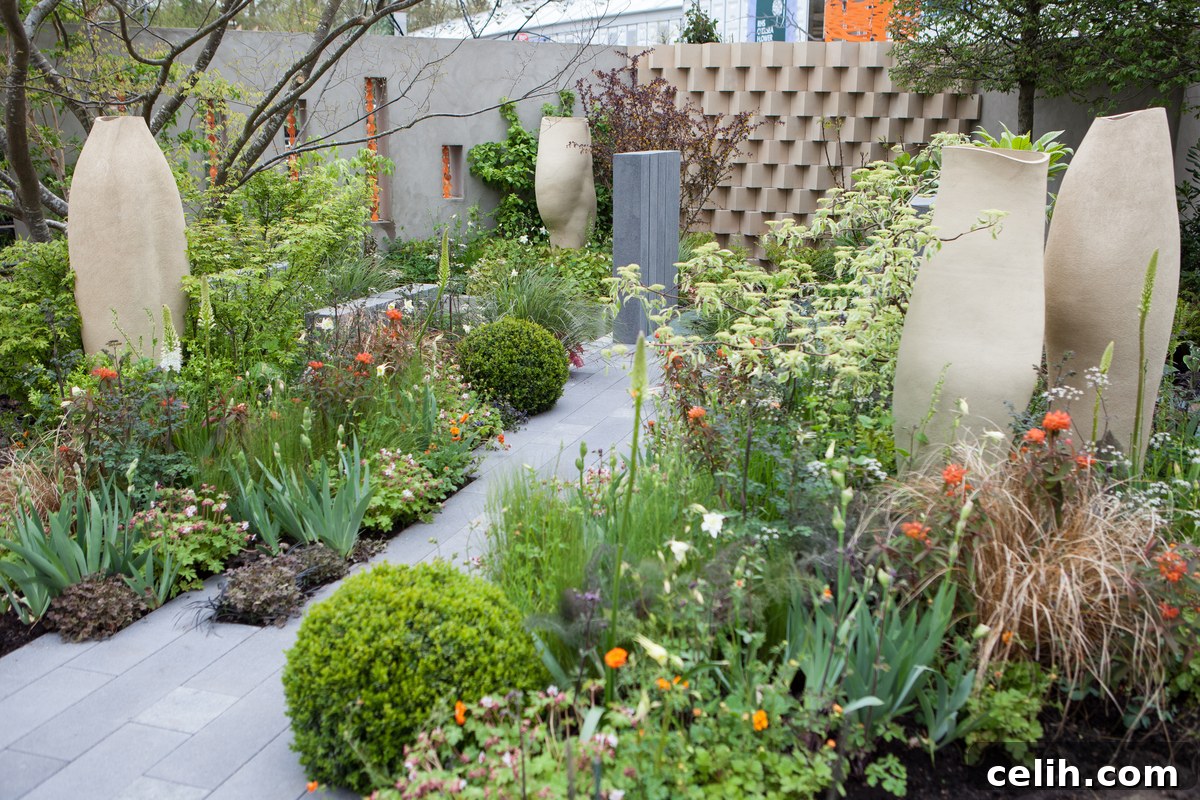
Exploring the BrandAlley Garden: A Fusion of Fashion and Flora at the RHS Chelsea Flower Show 2013
The arrival of spring traditionally brings with it one of the most anticipated events in the horticultural calendar: the RHS Chelsea Flower Show. A beacon of innovation and inspiration for garden enthusiasts and professional designers alike, this annual spectacle transforms the grounds of the Royal Hospital Chelsea into a vibrant tapestry of groundbreaking garden design. Every year, it seems to roll around faster than the last, delighting visitors with an incredible array of creativity, cutting-edge concepts, and breathtaking botanical displays. The 2013 exhibition was no exception, offering a wealth of ideas for those seeking to infuse their modern and contemporary gardens with fresh perspectives.
The BrandAlley Garden: A Masterpiece by Paul Hervey-Brookes
Among the many remarkable designs featured in the Fresh Gardens category, the BrandAlley garden truly stood out. Conceived and brought to life by the esteemed, award-winning garden designer Paul Hervey-Brookes, this particular creation was more than just a beautiful arrangement of plants and hardscaping; it was a profound exploration of human psychology and urban living, intertwined with the ephemeral world of fashion. Hervey-Brookes’ vision for the BrandAlley garden sought to bridge the gap between our public personas and our private selves, drawing a compelling parallel with the duality inherent in fashion – the bold, outward expression contrasted with personal comfort and hidden desires.
The garden’s central concept revolved around this fascinating blend of public and private fashion senses. It was ingeniously divided into two distinct yet complementary zones, each telling a part of this intricate story. On one side, the garden presented a public, ostentatious façade, designed to catch the eye and provoke thought, much like a statement fashion piece. This section was characterized by striking stone monoliths and bespoke sculptures, creating a dramatic, almost theatrical landscape. In stark contrast, the other side offered a more secluded, intimate space – a hidden garden complete with relaxed seating, inviting contemplation and offering a peaceful retreat from the world’s gaze. This intelligent juxtaposition allowed visitors to experience the ebb and flow between exhibitionism and introspection, mirroring the subtle complexities of our daily lives.
Fashion-Forward Planting and Textural Richness
Paul Hervey-Brookes’ meticulous attention to detail extended beyond the architectural elements to the very heart of the garden: its planting scheme. Every plant chosen for the BrandAlley garden was selected not only for its aesthetic appeal but also for its ability to represent current colour trends directly inspired by the fashion world. The palette was a sophisticated symphony of creams, subtle lime greens, and vibrant bursts of orange, reflecting the sophisticated yet daring combinations seen on contemporary runways. This approach transcended mere horticulture, elevating the garden into a living, breathing fashion statement.
Beyond colour, the planting focused heavily on interesting textures and innovative installations that added significant height and sculptural quality to the overall design. The interplay of soft foliage with more rigid, architectural plants created dynamic layers, adding depth and visual intrigue. These elements worked in harmony to create a garden that felt both natural and meticulously curated, a testament to the designer’s ability to blend wild beauty with structured elegance. The plant choices were not random; they were deliberate strokes in a larger artistic composition, ensuring that every angle offered a new discovery and a fresh perspective on texture and form.
Collaborative Artistry: Sculptures and an Innovative Water Feature
The BrandAlley garden was not only a horticultural triumph but also a canvas for collaborative artistic expression. Paul Hervey-Brookes engaged two prominent artists to enhance his vision, bringing unique elements that perfectly complemented the garden’s theme.
Andrew Flint’s Evocative Sculptures
For the ‘public’ side of the garden, British sculptor Andrew Flint was commissioned to create four bespoke sculptures. Flint is renowned for his ability to craft powerful, often enigmatic forms that resonate deeply with natural landscapes. His works in the BrandAlley garden served as commanding focal points, contributing significantly to the overt and showy character of this section. The sculptures, whether abstract or subtly figurative, encouraged viewers to consider the garden as a performance space, where art and nature converge to create a striking visual narrative. Their imposing presence amongst the carefully chosen plants reinforced the idea of public display and curated aesthetics, drawing the eye and anchoring the design with strong, deliberate forms.
Fiona Haines’ Revolutionary Textile Water Feature
Perhaps one of the most innovative and talked-about features of the BrandAlley garden was the unusual textile water feature created by installation artist Fiona Haines. Eschewing traditional materials, Haines ingeniously crafted this unique element from recycled optical lenses. This choice of material was not only a nod to sustainability but also a brilliant conceptual stroke, suggesting themes of perception, vision, and the distorted realities often presented by fashion and public image. The cascading lenses would have caught the light in myriad ways, creating a shimmering, ethereal effect that transformed the water feature into a dynamic, ever-changing sculpture. This piece perfectly encapsulated the garden’s blend of modern artistry, environmental consciousness, and thematic depth, adding a layer of contemporary flair that truly set the BrandAlley garden apart.
Design Concepts and Lasting Inspiration
Behind every award-winning garden at Chelsea lies a detailed concept and countless hours of meticulous planning. The BrandAlley garden was no exception, as evidenced by the conceptual drawings that illustrate the journey from initial idea to stunning reality. These drawings provide a fascinating glimpse into the designer’s thought process, showcasing how the themes of public versus private spaces, fashion trends, and innovative materials were all meticulously planned and integrated.
The BrandAlley garden, like many of the show gardens at Chelsea, served as a powerful source of inspiration for visitors and fellow designers. Its emphasis on city living and the challenges of creating meaningful green spaces in urban environments resonated deeply with many. It demonstrated that contemporary garden design is not just about aesthetics but also about creating functional, thought-provoking, and emotionally resonant spaces that reflect the complexities of modern life. The combination of strong architectural forms with soft, flowing planting, along with the integration of unique artistic installations, offered countless ideas for adapting Chelsea’s grand designs to smaller, urban plots or even conceptualizing larger public spaces.
The RHS Chelsea Flower Show continues to be an unparalleled platform for showcasing cutting-edge garden design and horticulture. Gardens like the BrandAlley garden by Paul Hervey-Brookes remain memorable examples of how creativity, thoughtful conceptualization, and collaboration can transcend traditional boundaries, creating spaces that are not only beautiful but also deeply meaningful. It reminds us that a garden can be much more than just a collection of plants; it can be a statement, a sanctuary, and a reflection of the human spirit.
The Enduring Legacy of Chelsea and Contemporary Garden Trends
The RHS Chelsea Flower Show annually sets the benchmark for garden design trends, influencing everything from plant choices to hardscaping techniques across the globe. The BrandAlley Garden, with its innovative approach, perfectly embodied the spirit of contemporary design that prioritizes sustainability, artistic integration, and a deep connection to human experience. It underscored the growing demand for gardens that serve multiple purposes – aesthetic beauty, ecological support, and personal refuge.
For those seeking to implement modern garden ideas, the BrandAlley garden offered tangible takeaways: the power of a strong conceptual narrative, the impact of a carefully curated colour palette, and the unexpected beauty of incorporating recycled materials into art installations. It encouraged a bolder approach to design, urging enthusiasts to think beyond the conventional and embrace unique expressions of individuality in their outdoor spaces. The dialogue between the public and private areas, the interplay of light and texture, and the seamless integration of art with horticulture solidified its place as a truly inspiring modern garden design from the 2013 show.
Ultimately, the BrandAlley Garden at the RHS Chelsea Flower Show 2013 was a vibrant celebration of creativity, a testament to the transformative power of design, and a compelling narrative woven through flora and form. It remains a shining example of how contemporary garden design can push boundaries, provoke thought, and inspire us to look at our outdoor spaces with fresh, fashion-forward eyes.