

Picture seven o’clock on a weekday morning. The sun’s barely up over Biscayne Bay and it’s already halfway across the floor, sliding up the far wall. There’s hardly a window frame in sight. Just glass, top to bottom, and a lot of water. Brickell gets called the Manhattan of Miami because it’s grown upwards rather than outwards, and these days the newer Brickell luxury condos tend to be judged on how the rooms actually feel, rather than on a spec sheet. So what does living in one involve, design-wise? Light, mostly. Then scale, materials and a bit of tech. And there’s a fair amount UK homeowners can borrow for their own houses.
Why the View Shapes Every Brickell Condo Interior
Here’s the thing about a bayfront tower: the view is going to win any argument you start with. So don’t start one. Lay the room out around the glass, not against it, and make sure that when you walk in from the front door, nothing gets between you and the water.
In practice that means low furniture in the middle of the room and seating that faces the light. The classic error in high-rise condo interior design is placing a sofa facing a television on the wall while the bay sits behind everyone’s heads. Bookcases, display units and large plants all belong on the solid walls, not blocking sightlines to the water.

If you’ve never been, Brickell is Miami’s financial district. It’s compact and walkable, with local loops of public transit that connect the neighbourhood to downtown. Many Brickell condos are proper everyday homes, not just seasonal retreats, so the rooms must handle school runs and laundry as well as sunsets.
Living With Full-Height Glass: Light, Glare and Heat
A wall of glass in the subtropical sun is glorious for about an hour. Then the glare kicks in, the room warms up, and over time soft furnishings can fade. You can’t stop the sun — you can only filter it.
Start with a sheer to soften glare while preserving the view. Behind that, fit a heavier blackout or dim-out for sleeping and bright afternoons. Recess both tracks into the ceiling so, when open, they are nearly invisible.
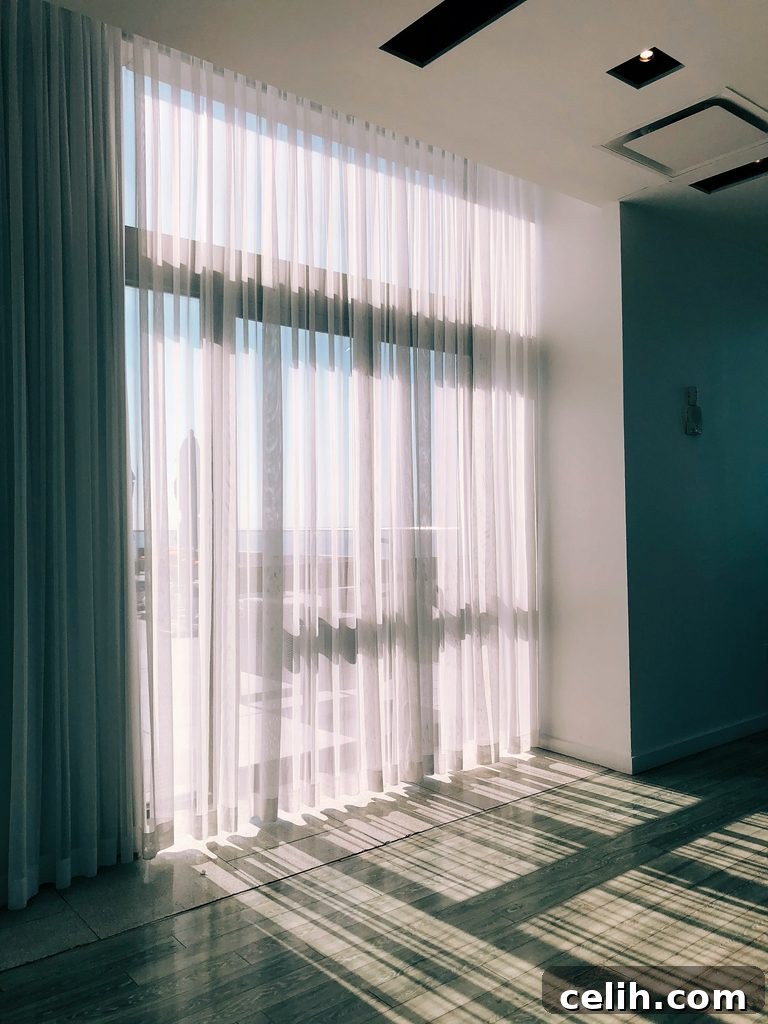
Motorised shades on a timer are more useful than they sound: lower them on the sunny side before the room heats up rather than after. Keep artwork out of the direct sun and orient desks side-on to windows to avoid constant glare.
Proportion and Scale Under 10-Foot Ceilings
Ten feet is about three metres. It doesn’t sound much, but ordinary furniture can appear small beneath that height. The instinct is to go taller — resist that. Instead choose wider, deeper pieces and keep seating low to preserve sightlines to the windows.
Deep, low sofas, curtains hung from the ceiling and a rug large enough for every front leg will anchor the seating group and make the space feel cohesive. Use solid walls for vertical emphasis: tall art, shelving to the ceiling or a large mirror opposite the windows to reflect the view.
At night the glass darkens and the room can feel exposed. A generous pendant or a long linear light pulls the ceiling down visually and creates a cosier atmosphere. Hanging curtains from the ceiling rather than a few inches above the frame makes walls look taller and calmer.
Choosing Materials for Subtropical High-Rise Living
Humidity, salty air and strong sun demand resilient choices. Stone and large-format porcelain floors are smart: cool underfoot, unaffected by moisture and visually quieter with fewer grout lines.
For upholstery choose performance fabrics or linen in UV-stable colours. Avoid silk and velvet in direct sun. Timber works if sealed or oiled and kept away from the hottest windows.
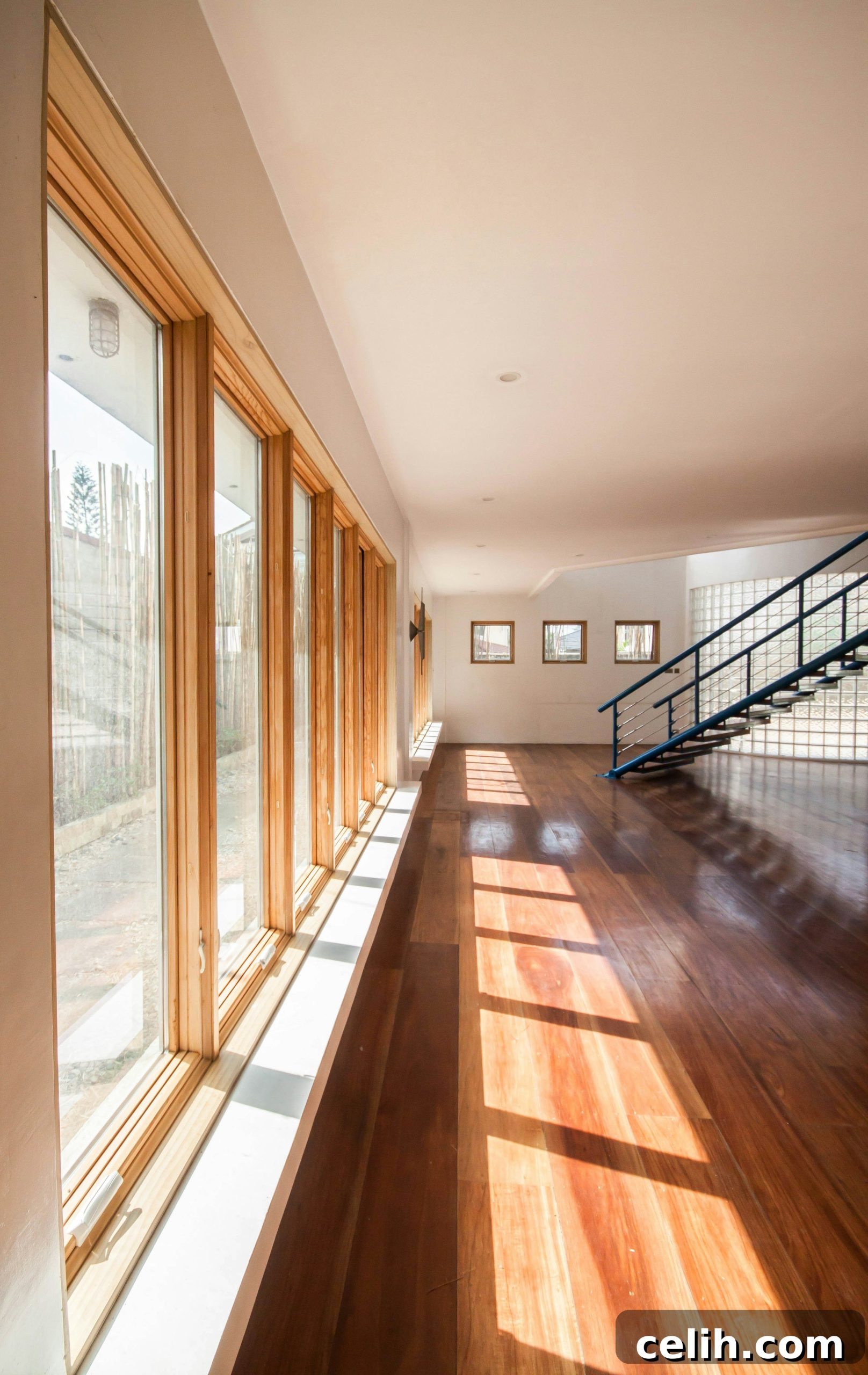
Colour-wise, sand, stone, soft white and muted sage echo the bay and help bounce light deeper into the room. That subtle, sun-ready palette also translates well to sunny British garden rooms and extensions.
Smart-Home Technology That Disappears Into the Design
Good technology in a glazed room is invisible. One integrated system controlling lighting, climate, shades and access lets the space shift mood through the day without cluttering walls with gadgets. Restraint is key.
Keep controls simple: one small keypad by the door, a handful of named scenes you’ll actually use. Morning: shades up and soft light. Work: blinds angled against glare. Evening: everything dimmed and warmed while city lights come on. Automatic, sun-following shades deal with heat before it becomes a problem.
What UK Homes Can Borrow From Brickell Condo Design
You don’t need a waterside tower to use these ideas. Identify the best window in each room — whether in a rear extension, a loft conversion or steel-framed doors to the garden — and plan around it. Hang curtains from the ceiling for extra height. Use sheers for privacy without losing light. Keep anything tall away from the glass.
North-facing rooms particularly benefit from pale, light-bouncing colours. Treat daylight as a material: sort out the light first and the furniture will follow. That’s the main lesson from Miami luxury condos applied anywhere.
Frequently Asked Questions
How high are the ceilings in Brickell luxury condos?
It varies by building, but many newer Brickell towers offer ceilings around 10 feet (about three metres) with full-height glass. The extra light and sense of space are attractive, but ordinary furniture can look lost if not scaled appropriately.
How do I reduce glare and heat from floor-to-ceiling windows in Miami?
Use two layers of shading, ideally motorised: a sheer for glare and view retention, plus a heavier blackout for sleep and peak heat. Put shades on a timer to lower them before the sun raises interior temperatures, and keep delicate items out of direct sunlight.
What size furniture works best in a room with 10-foot ceilings?
Choose wide, deep and low pieces. A generous low sofa and a large rug will anchor the seating without blocking windows. Reserve vertical interest for solid walls with tall art, shelving or mirrors, and add a substantial pendant or linear light to fill the overhead space.
What interior materials hold up best in a humid, coastal high-rise?
Stone and large-format porcelain floors are durable and cool. Choose performance fabrics or UV-stable linen for upholstery, and use sealed or oiled timber rather than raw wood to reduce movement in humidity. Keep the overall palette light and breathable.
Is Brickell a good place to live for design-minded buyers?
For many people, yes. If you like walkability, water views and newer towers with tall ceilings and full-height glass, Brickell offers plenty of scope to experiment with light, proportion and materials.
The Bottom Line
Living well in Brickell’s high-rise homes is largely about working with the light and the height rather than fighting them. Keep sightlines clear, layer window treatments, scale furniture to the space, choose climate-appropriate materials and make technology unobtrusive. These principles apply anywhere: find the best window in your room, keep what’s in front of it low, and let daylight do the rest.