
Transform Your Walls: Innovative Recycled Cardboard Decor for Sustainable Living
In an era where sustainability and thoughtful design increasingly intersect, the humble cardboard box is being reimagined as a canvas for creativity and functionality. Forget everything you thought you knew about this ubiquitous material; visionary designers are now harnessing its potential to create stunning, eco-friendly home decor. From intricate wall art to practical storage solutions, the possibilities are truly astounding, proving that ingenuity can transform everyday materials into extraordinary pieces.
The movement towards sustainable interior design is gaining significant momentum, with homeowners and designers alike seeking innovative ways to reduce their environmental footprint without compromising on style. This shift has led to a fascinating exploration of recycled and upcycled materials, bringing forth unique textures, narratives, and aesthetics into modern living spaces. Among these materials, cardboard stands out for its versatility, accessibility, and inherent eco-credentials, making it a star in the realm of creative sustainable design.
Discovering the Ingenuity of Cardboard Wall Pockets: Art Meets Function
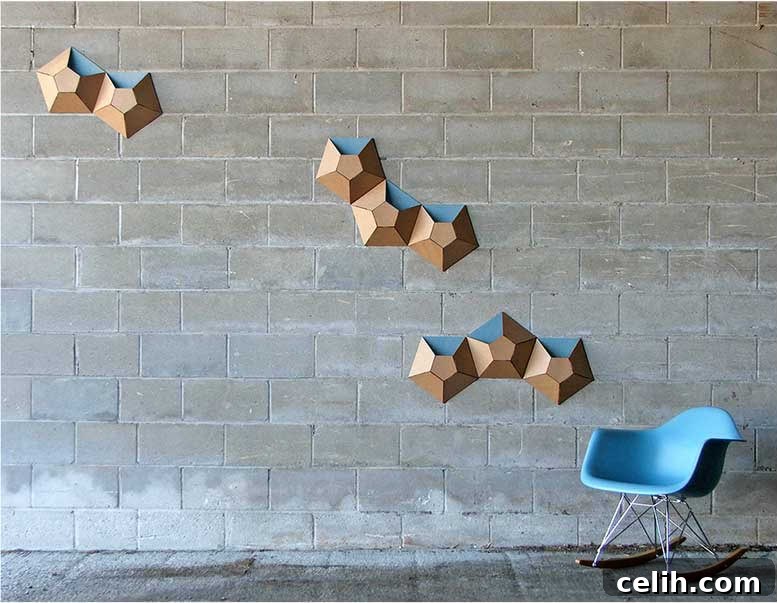
A prime example of this innovative approach comes in the form of remarkable wall pockets, which seamlessly blend clever design, captivating wall art, and practical storage. These exceptional pieces are not just visually appealing; they embody a commitment to environmental responsibility, being crafted entirely from 100% recycled cardboard. They stand as a testament to what can be achieved when creativity meets a conscious desire for sustainable practices in home furnishing.
We first encountered these fascinating creations on All Things Paper, and their distinctive charm and ingenuity instantly captivated us. The concept behind them is exceptionally clever, marrying sculptural form with everyday utility. It’s an inspiring reminder that beauty and purpose can emerge from the most unexpected sources, especially when those sources are given a second life through thoughtful design.
The Visionaries Behind the Design: Ampersand’s Unique Aesthetic
These distinctive wall pockets are the brainchild of talented designers Tim Karoleff and Shea Springer, operating under the innovative brand Ampersand. Their collaboration has resulted in a product that not only addresses practical needs but also enriches the aesthetic dimension of any interior. Their inspiration for these pieces is deeply rooted in nature and geometric precision, drawing parallels between abstract forms and organic textures found in the natural world.
Karoleff and Springer found their muse in two distinct yet complementary realms: the elegant simplicity of geometric shapes and the intriguing, textured clusters created by barnacles. This unique blend of influences is evident in the wall pockets’ design, which features a striking three-dimensional quality and an interplay of surfaces that mimic the natural world’s organized chaos. The result is an object that feels both contemporary and organic, structured yet fluid, offering a truly unique visual experience.
Merging Geometric Inspiration with Organic Textures
The geometric influence is palpable in the clean lines and defined angles that give the wall pockets their structural integrity and modern appeal. These precise forms ensure that the pockets can integrate seamlessly into a variety of decor styles, from minimalist to industrial to eclectic. Simultaneously, the ‘curious textures created by clusters of barnacles’ bring an unexpected organic softness and complexity to the cardboard. This duality prevents the design from appearing overly rigid or artificial, instead infusing it with a natural, almost sculptural presence that invites closer inspection. It’s this thoughtful fusion that elevates them beyond mere storage solutions into genuine works of art.
Beyond Aesthetics: Practicality and Versatility of Cardboard Wall Decor
While these recycled cardboard wall pockets undoubtedly provide your wall with an eye-catching, three-dimensional form of decor, their appeal extends far beyond their visual charm. They are ingeniously designed to offer practical storage solutions for a myriad of small items, making them an incredibly versatile addition to any room. Imagine the ease of having a dedicated, stylish spot for those everyday essentials that often clutter surfaces.
These wall pockets are perfect for tidying up keys, holding incoming mail, organizing office supplies, or even displaying small decorative trinkets and lightweight plants. Their modular nature also means they can be arranged in various configurations, allowing you to create custom patterns and storage solutions tailored to your specific needs and aesthetic preferences. This adaptability transforms a simple wall into a dynamic and functional space, helping you maintain an organized yet beautifully styled home environment. They exemplify how sustainable design can effortlessly integrate both form and function.
Customization and Organization at Your Fingertips
The beauty of such modular cardboard decor lies in its inherent flexibility. You’re not just installing a static piece of art; you’re introducing a dynamic element that can evolve with your needs. Group several pockets together to create a larger visual statement or scatter them across a wall for a more dispersed, artistic effect. This adaptability makes them ideal for various spaces, from a bustling entryway needing a catch-all for daily essentials, to a home office demanding clever organization for stationery, or even a child’s room where small toys and art supplies need a tidy home. The ability to customize their arrangement empowers you to be the designer of your own space, fostering creativity and personal expression.
The Sustainable Edge: Why Recycled Cardboard Matters
The choice of 100% recycled cardboard as the primary material for these wall pockets is not merely an aesthetic decision; it’s a profound statement about environmental responsibility and the future of design. Utilizing recycled cardboard significantly reduces the demand for virgin timber, thereby helping to preserve forests, reduce deforestation, and protect vital ecosystems. Furthermore, the manufacturing process for recycled cardboard typically consumes less energy and water compared to producing new materials, translating into a smaller carbon footprint.
In an age dominated by consumption, opting for products made from recycled materials is a powerful way to contribute to a circular economy. It’s about taking waste products and transforming them into valuable, long-lasting items, minimizing what ends up in landfills. This commitment to sustainability makes these cardboard wall pockets more than just decor; they are conversation starters, symbolizing a mindful approach to home furnishing. They remind us that impactful design doesn’t have to come at the expense of our planet, but rather can actively contribute to its health and longevity. The lifecycle of these products is inherently eco-friendly, offering an end-of-life solution that can often be recycled again, continuing the sustainable cycle.
Cardboard’s Unsung Strengths in Design
Beyond its eco-credentials, cardboard possesses several properties that make it an excellent material for innovative design. It’s incredibly lightweight, making these wall pockets easy to install and rearrange without heavy-duty anchors. Despite its perceived fragility, engineered cardboard, especially when layered or folded strategically, can achieve surprising strength and durability, capable of holding various small items securely. Its pliable nature allows for intricate cuts, folds, and formations, giving designers the freedom to experiment with complex three-dimensional shapes. Moreover, cardboard is an affordable material, which can translate into more accessible design products, democratizing sustainable and stylish decor for a broader audience.
The Broader Impact: Cardboard as a Catalyst for Creativity and DIY Inspiration
While Ampersand’s wall pockets are a product of sophisticated design, the underlying concept of using cardboard for decor is a powerful catalyst for DIY enthusiasts and aspiring upcyclers. These designer pieces demonstrate the vast untapped potential of cardboard, inspiring individuals to look at discarded boxes not as waste, but as raw material for their own creative projects. This burgeoning trend of DIY cardboard decor is empowering people to craft everything from furniture and lighting fixtures to elaborate art installations, all from readily available, often free, materials.
The beauty of cardboard lies in its accessibility and ease of manipulation. With simple tools like a utility knife, ruler, and glue, individuals can embark on their own journeys of transforming cardboard into functional and beautiful objects. This hands-on approach not only fosters creativity but also promotes a deeper connection to the items we bring into our homes, moving away from mass-produced uniformity towards personalized, soulful spaces. It’s about embracing imperfection, celebrating resourcefulness, and understanding that true luxury often lies in originality and sustainability.
Embracing the Future of Sustainable Home Decor
The innovative recycled cardboard wall pockets by Tim Karoleff and Shea Springer for Ampersand are a shining example of how contemporary design can harmoniously blend aesthetic appeal with environmental consciousness. They offer a refreshing alternative to conventional wall decor and storage, providing not just functionality but also a unique artistic statement.
By transforming an everyday, often discarded, material into something beautiful and useful, they challenge our perceptions and encourage us to rethink our approach to consumption and interior design. This commitment to using 100% recycled cardboard underscores a critical movement towards more sustainable living, proving that eco-friendly choices can be both elegant and practical. As we continue to seek ways to create more sustainable and inspiring living spaces, innovations like these cardboard wall pockets pave the way for a future where design not only looks good but also does good.
Isn’t it amazing what ingenuity and a commitment to sustainability can achieve with something as simple as cardboard?