
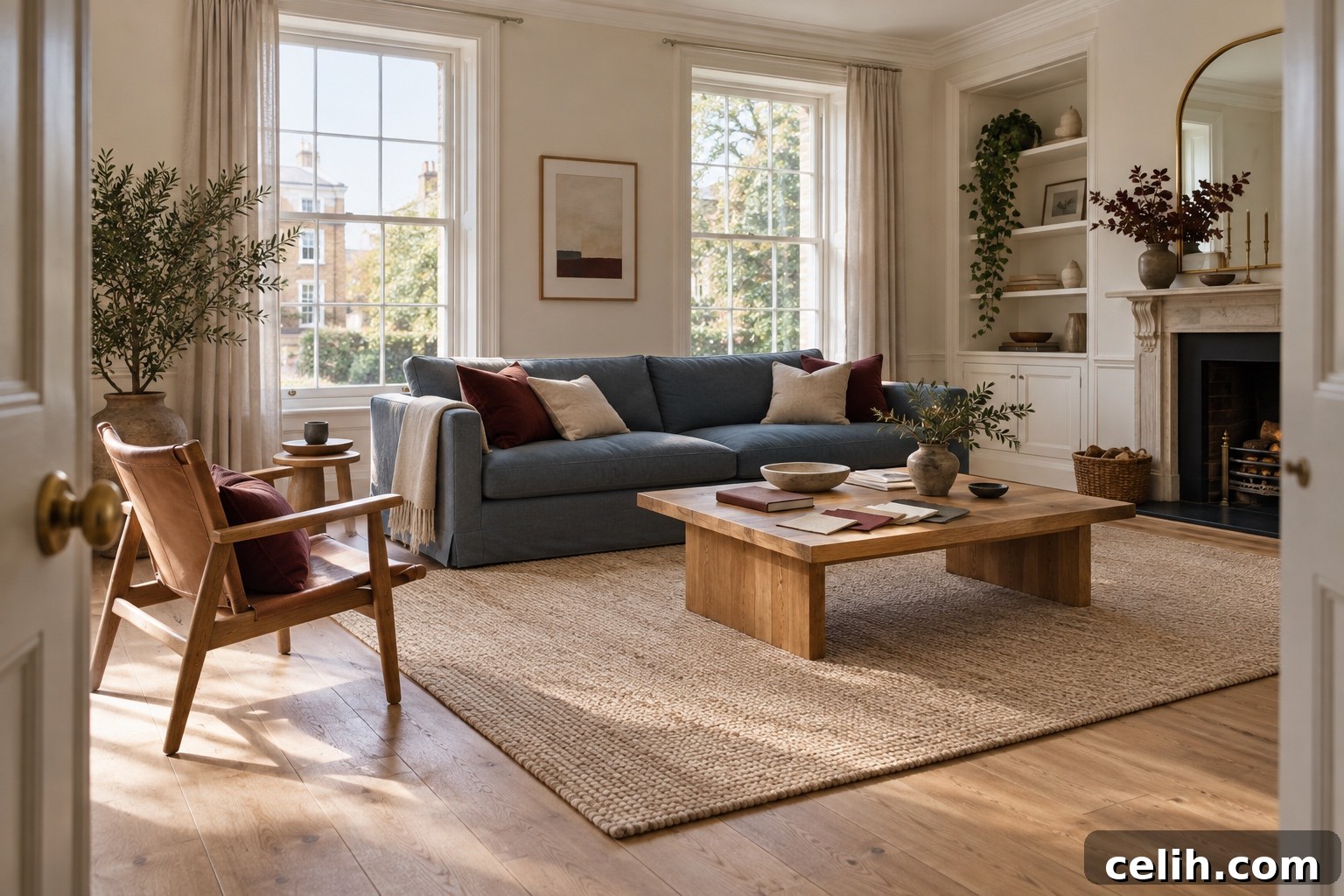
Most redesigns begin in the wrong place. We collect mood boards, order paint samples and fall for a velvet sofa, then attempt to fit the new pieces into a room still arranged for the old life. Even when individual items are attractive, the overall result often looks unfinished and incoherent.
Interior designers typically do the opposite. Before a single swatch reaches the wall, they edit. They clear a room back to the pieces that truly deserve to stay so they can read the proportions, light and circulation clearly. An emptied room becomes a blank canvas, and that openness is where strong ideas take shape.
Below is a practical guide to editing your home like a designer: how to decide what stays, what goes, how to handle unwanted items responsibly, and how to make the most of the space you reclaim.
Edit the room like a designer
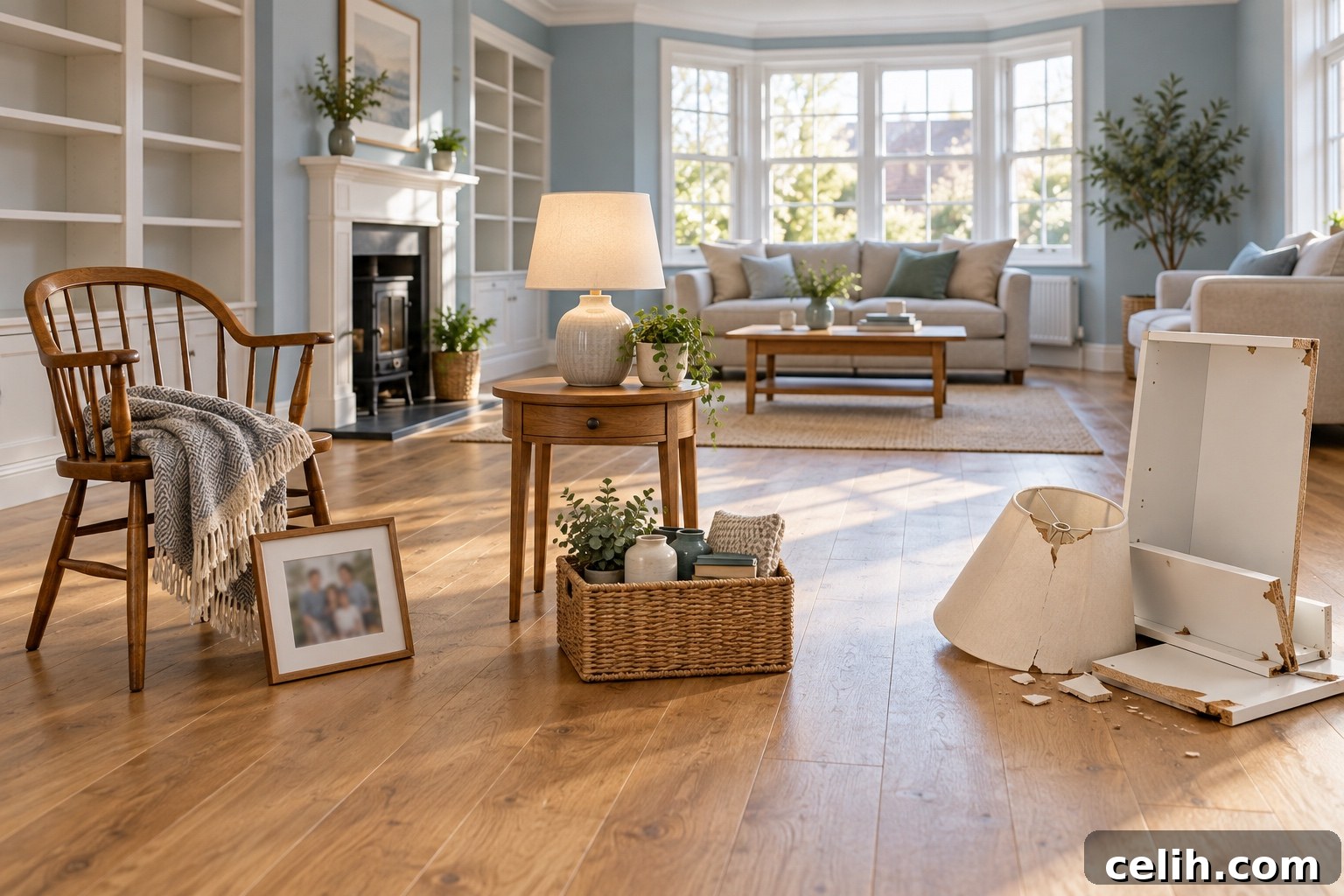
Begin by clearing the room as far as you realistically can, or at least removing everything from surfaces. It feels dramatic, but it is the only reliable way to assess the space honestly. Return items one at a time and ask two simple questions: does this object support the way I want to live in this room, and does it fit the aesthetic I’m aiming for?
Items will fall into three clear groups. Keep are the pieces you love and use daily: a family heirloom chair, a sturdy dining table, or a rug whose colours will anchor a new palette. Rehome includes things that are still in good condition but no longer suit this space—perhaps a heavy wardrobe that makes a room feel dense, or a sofa that belonged to a previous home. Remove covers the irreparable: sagging mattresses, broken lamps, flat-pack furniture that didn’t survive moves, and fittings or floorcoverings past their useful life.
Be strict about scale. Oversized furniture is one of the most common reasons rooms feel cramped; often one well-proportioned piece will outperform two awkward ones. Reduce visual noise too: many small ornaments read as clutter, whereas a handful of carefully chosen objects reads as considered styling.
Before you start rehanging pictures or buying new lighting, photograph the cleared room from the doorway. A flattened image often reveals issues the eye misses in 3D: an off‑centre light fitting, a cluttered sightline, or a corner that would benefit from a plant or a reading chair.
What to do with everything that goes
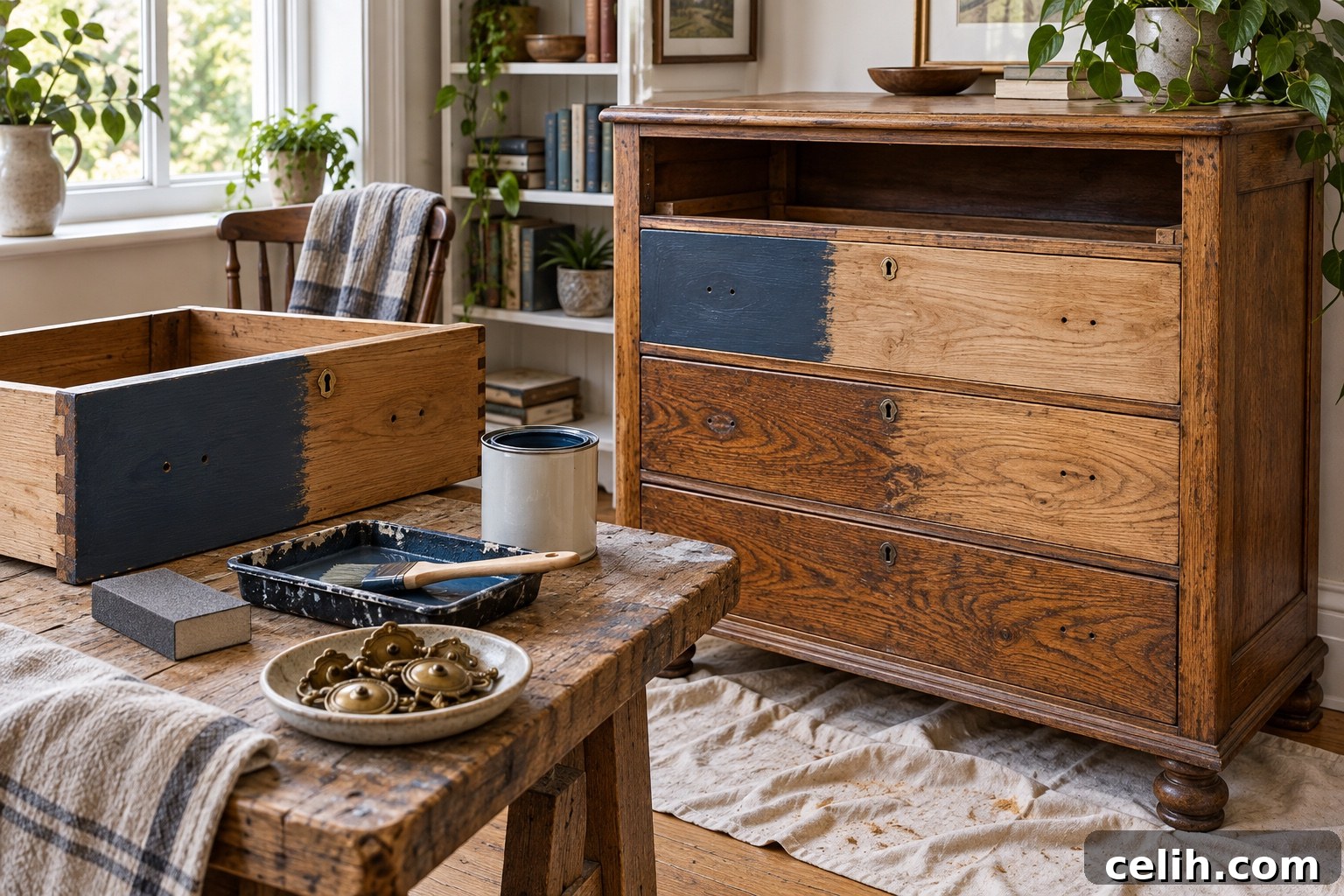
The rehome pile is worth a little effort. Quality furniture sells well on local marketplace apps, and many charity shops or furniture recyclers will collect larger items if they are clean and meet safety standards. Solid wood pieces that look tired can be sanded, painted or reupholstered and given a new role in another room: a dated chest of drawers becomes a bathroom vanity, or an old door transforms into a headboard.
The remove pile is where projects often stall. Large items don’t always fit in a car, municipal bulky waste services can involve long waits, and hiring a skip for a single room can be excessive. This is where professional clearance services pay off; they handle furniture, mattresses and other large items quickly, which helps when a new purchase is due to arrive and the old piece still needs collecting.
If your project includes renovation—removing a kitchen or lifting carpet—the waste stream changes. Cabinets, worktops, underlay and gripper rods require proper handling. Many removal companies provide dedicated kitchen and carpet disposal alongside full clearances, so the room can be stripped and made ready for the next stage without lingering debris.
Whomever you hire, check for a waste carrier licence and ask how they sort and recycle materials. A reputable firm will separate wood, metal and textiles to maximize reuse rather than sending everything to landfill. If sustainability matters to your redesign, this step should be non‑negotiable.
Designing into the space you have won back
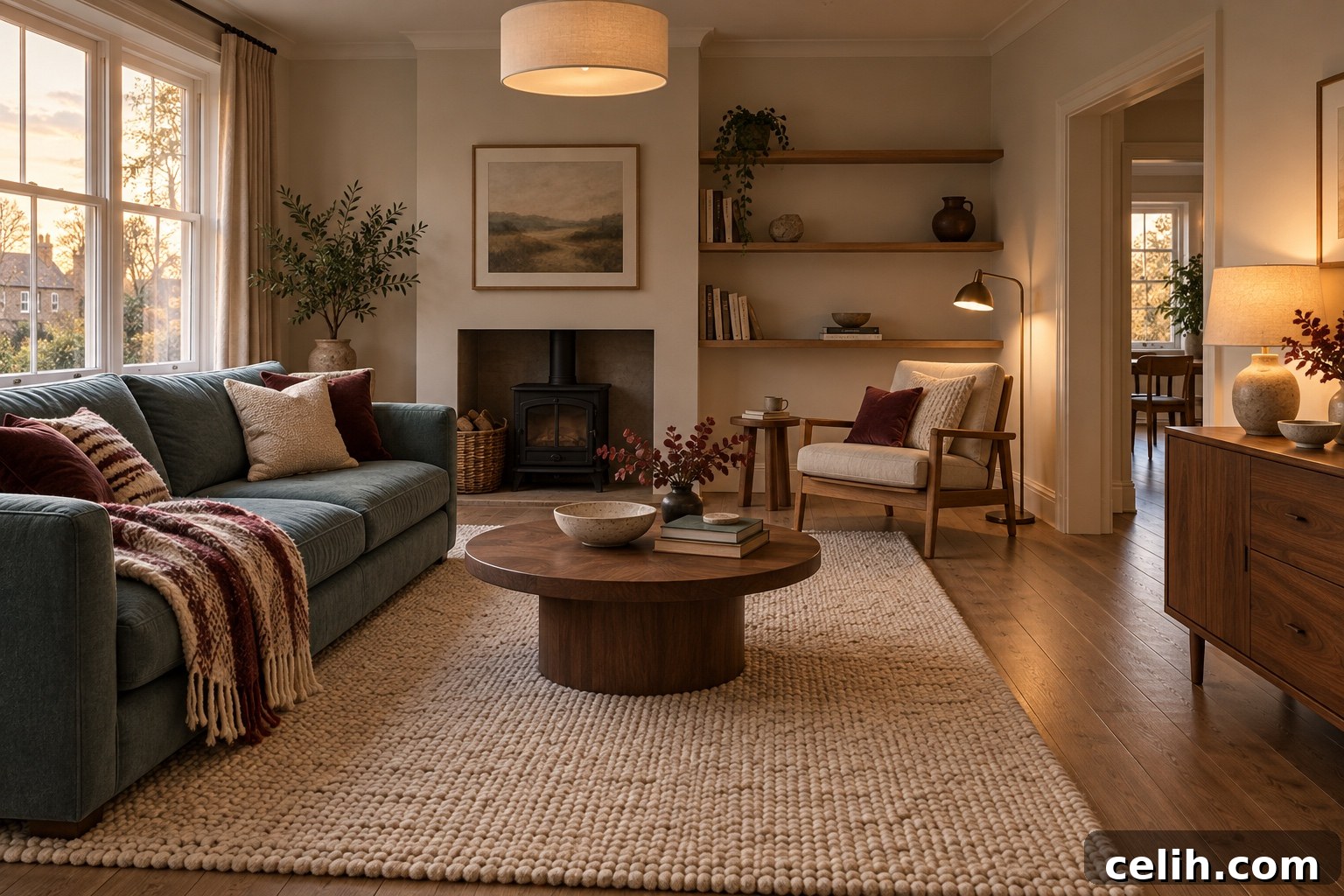
Once the room is cleared, live with the emptiness for a few days before making purchases. Note where daylight and evening light fall, which paths you naturally take through the room, and where you genuinely prefer to sit. These practical observations are more valuable than any trend and prevent you from reintroducing the same problems you removed.
Build the room in layers. Start with anchors—the largest furniture pieces and the rug that defines the zone. Next, plan lighting: combine overhead, task and ambient sources so the space functions from morning through night. When selecting bulbs, consider brightness, colour temperature and dimmer compatibility along with look and finish. Add texture with textiles, timber and natural materials, and finish with a small number of personal objects that tell your story. Intentionally leave negative space on shelves and walls; empty space isn’t wasted—it allows the chosen pieces to breathe.
Reconsider storage at this point too. Now that you know exactly what you are keeping, you can design storage solutions that fit your real possessions—built‑in alcove cupboards, a bench with hidden drawers, or one thoughtfully chosen sideboard will often outperform multiple mismatched units.
A fresh start, literally
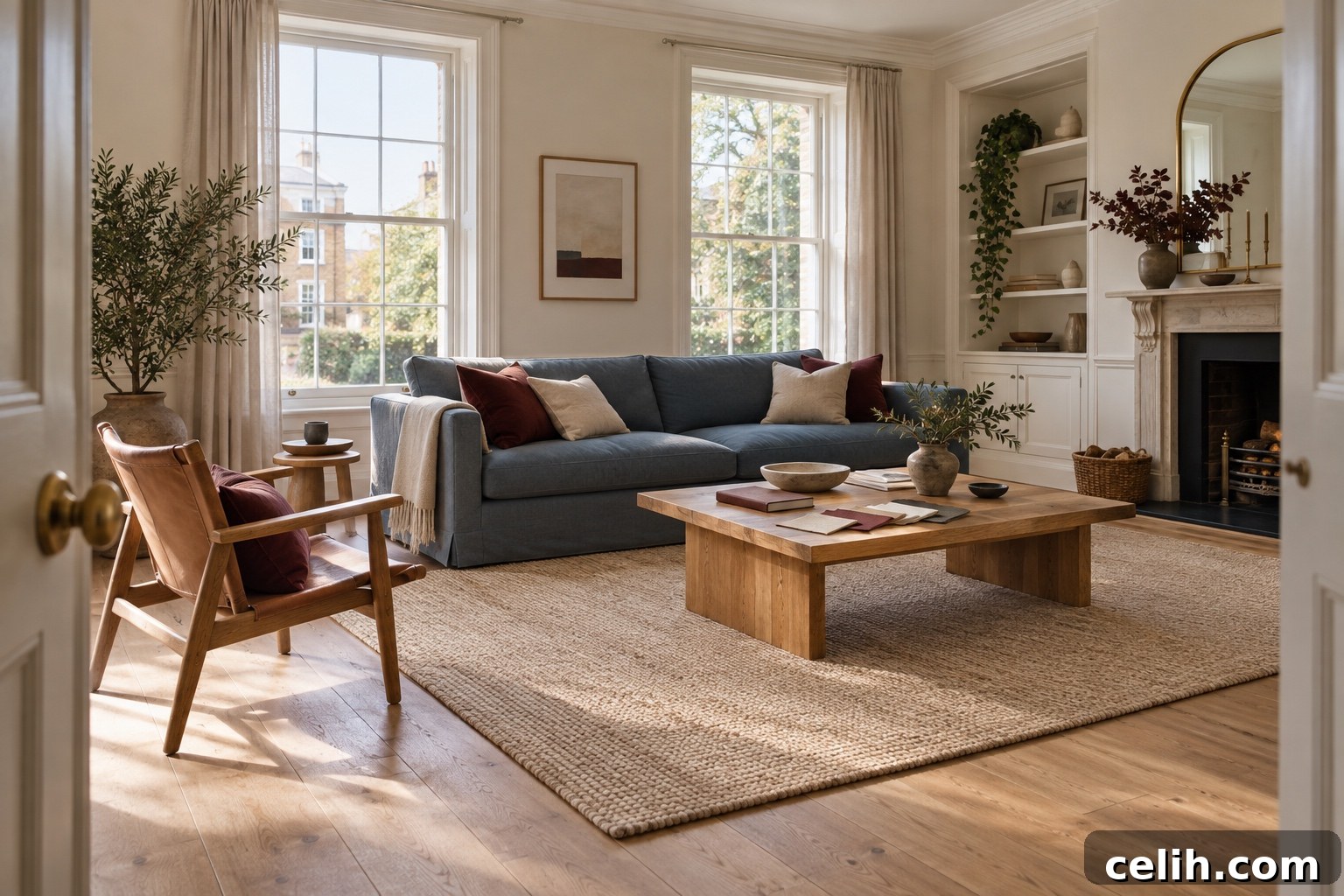
Redesigning is as much about subtraction as addition. The most transformative move is often what you remove: a room pared back to the things you love immediately feels calmer, larger and more personal. Clear the canvas first, handle the leftovers responsibly, and every subsequent design decision will be clearer, more intentional and ultimately more successful.