
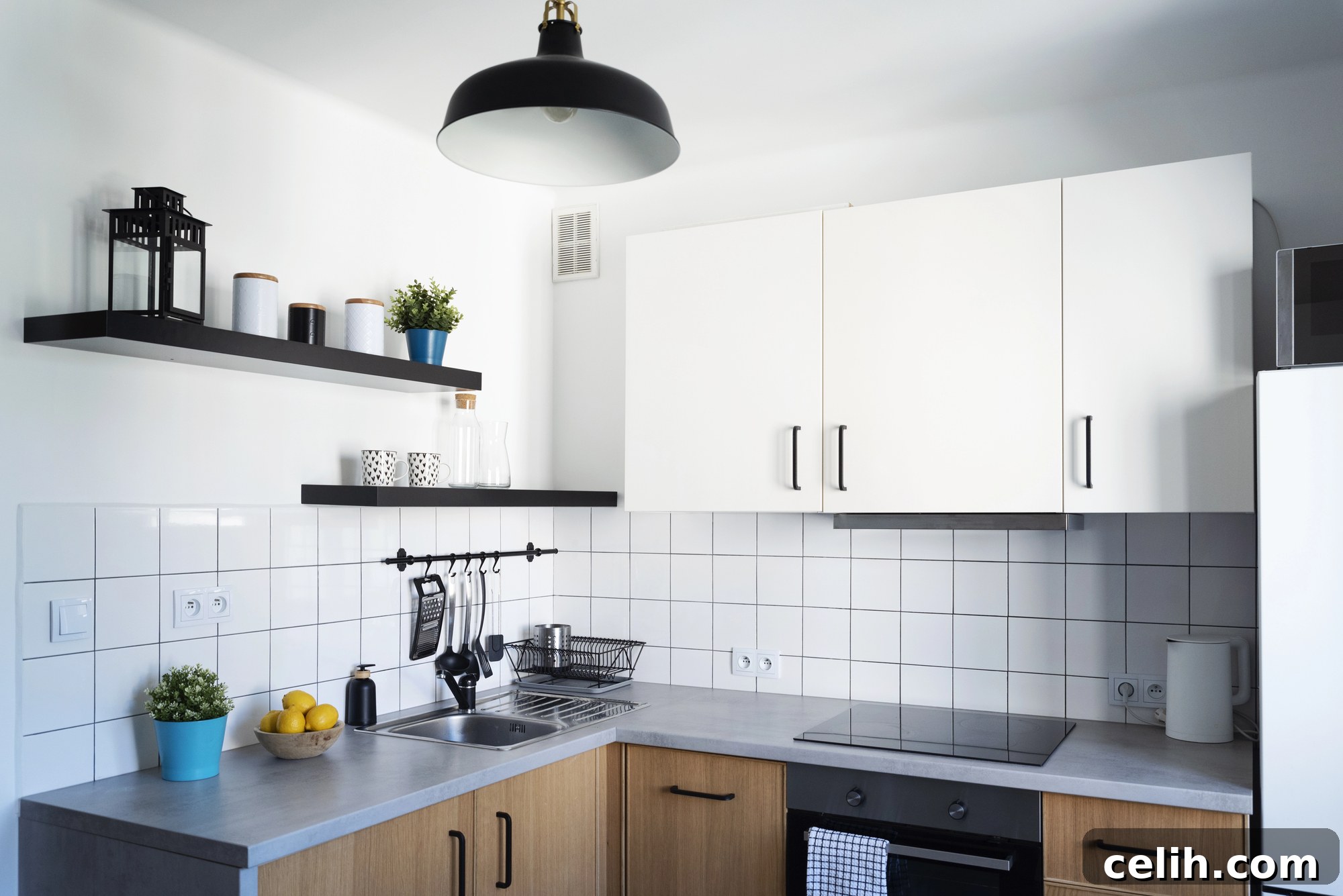
The Unseen Potential: Unpacking the Pros and Cons of a Small Kitchen
For many homeowners, the thought of a small kitchen often evokes feelings of constraint and frustration. It’s frequently seen as a major impediment, leading countless individuals to embark on costly and extensive kitchen renovation projects. However, this common perception overlooks a crucial truth: a compact kitchen space is not merely a limitation but can also be a wellspring of efficiency, charm, and innovative design. This comprehensive guide aims to peel back the layers of this debate, exploring in depth both the compelling benefits and the undeniable drawbacks of living with, and lovingly designing, a smaller culinary domain. By understanding these facets, you can make an informed decision about whether to embrace your tiny kitchen or pursue an expansion that truly suits your lifestyle.
Embracing Efficiency: The Distinct Advantages of a Compact Kitchen
Far from being a design handicap, a well-planned small kitchen can be a powerhouse of functionality. Its inherent constraints often drive clever design choices that result in a more user-friendly and harmonious space. Let’s delve into the specific benefits that a thoughtfully arranged small kitchen can offer.
The Power of the Work Triangle: Optimal Efficiency in Action
One of the most significant advantages of a small kitchen lies in its natural propensity to optimize the classic “work triangle.” This fundamental kitchen design principle connects the three primary workstations: the refrigerator, the sink, and the cooktop/oven. In a compact layout, these points are inherently closer, drastically reducing the number of steps and time spent moving between tasks. Imagine effortlessly transitioning from grabbing ingredients from the fridge, to rinsing them at the sink, then transferring them directly to the hob – all within a few efficient pivots. Larger kitchens, while offering more surface area, can sometimes inadvertently create sprawling distances between these crucial zones, leading to unnecessary walking and a less efficient workflow. For anyone prioritizing cooking speed and minimizing effort, a small kitchen with an optimized work triangle is an undeniable blessing.
A Sanctuary from Clutter: The Zen of Thoughtful Organization
The limited real estate of a small kitchen acts as a natural deterrent to clutter and excessive accumulation. There simply isn’t room to hoard unnecessary gadgets, rarely-used appliances, or an endless supply of canned goods. This forces a mindful approach to purchasing and storage, encouraging you to invest only in items you truly need and frequently use. The result is a kitchen that feels less overwhelmed, easier to navigate, and visually more appealing. This emphasis on functionality over accumulation can foster a sense of calm and order, turning your kitchen into a minimalist haven where everything has its designated place. It’s an invitation to embrace thoughtful consumption and appreciate the beauty of simplicity in your home.
Effortless Maintenance and Impeccable Cleanliness
Fewer surfaces, less clutter, and a more contained space naturally translate into a quicker and easier cleaning routine. There are fewer countertops to wipe down, fewer cabinets to deep clean, and less floor space to sweep or mop. This advantage is particularly valuable for busy individuals or families who desire a consistently tidy home without dedicating hours to upkeep. The ability to quickly restore your kitchen to a pristine state not only saves time but also contributes to a more pleasant and hygienic cooking environment. A clean kitchen can elevate your mood and make every culinary experience more enjoyable.
Budget-Friendly Living: Saving on Renovations and Energy
Opting to work with your existing small kitchen, rather than undertaking a major extension, can lead to substantial financial savings. Kitchen extensions are among the most expensive home renovation projects, often involving significant structural work, new utilities, and high-end finishes. By choosing to optimize your current space, you bypass these considerable costs. Furthermore, smaller kitchens often require less energy to heat, cool, and light, potentially leading to lower utility bills in the long run. Smaller spaces also generally mean fewer materials needed for maintenance or decorative updates, making subsequent refreshes more affordable. This pragmatic approach to design frees up funds for other areas of your home or for enriching life experiences.
Ingenious Space-Saving Solutions: Unleashing Creativity
A small kitchen challenges you to think creatively about every inch, leading to innovative and often beautiful space-saving solutions. This can involve maximizing vertical space with floor-to-ceiling cabinets, installing smart pull-out pantries, or utilizing wall-mounted shelving and magnetic knife strips. Stackable kitchenware, nesting bowls, and multi-functional appliances (like an instant pot that also air fries) become invaluable assets. Even seemingly simple additions like a custom-fitted sink cover can provide essential temporary countertop space when preparing meals. Embracing these clever hacks transforms perceived limitations into opportunities for smart, efficient, and personalized design that makes your kitchen truly unique and hyper-functional.
Fostering Intimacy and Connection
Beyond the practical benefits, a small kitchen can cultivate a unique sense of intimacy and coziness. When space is limited, interactions during meal preparation tend to be closer and more personal. It encourages conversation and collaboration, turning cooking into a shared experience rather than a solitary task. For couples or small families, a compact kitchen can become the heart of the home, fostering deeper connections and creating cherished memories in a warm, inviting atmosphere. This can be a delightful counterpoint to the often sprawling, impersonal feel of very large kitchens.
Navigating the Limitations: The Drawbacks of a Small Kitchen
While the charms of a compact kitchen are numerous, it’s equally important to acknowledge its inherent challenges. For certain lifestyles and family dynamics, these limitations can become significant hurdles, impacting daily life and culinary ambitions. Understanding these potential drawbacks is key to determining if a small kitchen aligns with your needs.
Appliance and Equipment Limitations: A Balancing Act
Perhaps the most immediate challenge of a small kitchen is the inevitable compromise on appliances and specialized equipment. You may find yourself having to forgo a full-sized dishwasher, settling for a compact refrigerator, or deciding between essential gadgets like a slow cooker, air fryer, or stand mixer. Enthusiastic bakers or those who enjoy elaborate culinary experiments might struggle immensely with an undersized oven and insufficient storage for ingredients and tools. This requires careful consideration of what truly matters to your cooking style and a willingness to prioritize or seek out miniature or multi-functional versions of your desired appliances.
The Multi-Cooker Conundrum: Space for Collaboration
Cooking with multiple people in a small kitchen can quickly devolve into a logistical nightmare. Elbows bump, pots jostle, and the limited countertop space becomes a battleground for chopping boards and ingredients. There’s simply not enough room for two or more individuals to comfortably prepare food simultaneously without constantly getting in each other’s way. This can dampen the joy of shared cooking experiences and make holiday meal preparations particularly stressful. For those who envision their kitchen as a communal hub for culinary teamwork, a compact space might present significant frustration.
Morning Rush Mayhem: Managing Family Dynamics
For large families, especially during the bustling morning rush, a small kitchen can quickly become a scene of chaos. Multiple people attempting to grab breakfast, prepare lunches, and make coffee all at once can lead to bottlenecks, impatience, and spilled cereal. The lack of designated zones or ample circulation space means everyone is vying for the same limited spots, making a smooth start to the day a significant challenge. This pressure point can be a daily source of stress, impacting overall household harmony.
Entertaining Challenges: Hosting in a Tight Space
If your social life revolves around hosting dinner parties or casual gatherings, a small kitchen can present considerable hurdles. The lack of prep space makes it difficult to manage multiple dishes, and there may not be enough room for guests to comfortably mingle while you’re putting the finishing touches on a meal. Integrating a small kitchen into a larger entertaining flow can be tricky, as it often means that guests are either entirely excluded from the culinary action or are forced into a cramped environment. This might limit the scale and style of entertaining you can comfortably do.
Resale Value and Perceived Limitations
While a well-designed small kitchen can be charming, for a segment of prospective home buyers, the lack of a spacious kitchen can be a significant deterrent. Many buyers today prioritize large, open-plan kitchens as central to their lifestyle and entertaining needs. Therefore, a very compact kitchen, particularly if it’s not exceptionally well-designed or updated, might be perceived as a limitation, potentially impacting the property’s market appeal and even its resale value in certain markets. While extensions can add significant value, a small kitchen might require extra effort to market effectively.
Considering the Future: Renovation and Expansion Options
For those who find the drawbacks of a small kitchen outweighing its benefits, the good news is that there are numerous solutions beyond simply living with the limitations. Kitchen renovations and extensions remain incredibly popular for good reason, offering both lifestyle enhancements and potential increases in home value.
The Allure of Kitchen Extensions
Kitchen extensions consistently rank among the most sought-after home improvements. They offer the undeniable appeal of significantly increased space, allowing for larger appliances, expansive countertops, dedicated pantry areas, and even integrated dining or lounge zones. A well-executed extension can transform a cramped kitchen into a dynamic, multi-functional hub that caters to every need, from elaborate cooking to large-scale entertaining. Beyond the immediate lifestyle benefits, a thoughtfully designed and professionally built kitchen extension can add substantial financial value to your home, making it a sound investment for the long term.
Beyond Outward Expansion: Clever Internal Reconfigurations
An extension doesn’t always have to mean building outwards. If your home has an adjacent dining room or living area, it might be possible to expand your kitchen inwards. This often involves knocking down non-load-bearing internal walls to create a more open-plan living concept. By integrating the kitchen with a neighbouring space, you can achieve a greater sense of openness, better flow, and significantly more functional area without altering your home’s external footprint. This approach can free up space for larger islands, extended countertops that double as breakfast bars, or a dedicated dining nook. Always consult with structural engineers and qualified builders to ensure that any wall removal is safe and compliant with building regulations, transforming your existing footprint into a more expansive and modern kitchen design.
Making an Informed Decision: Is a Small Kitchen Right for You?
Ultimately, the ideal kitchen size is a deeply personal choice, dictated by individual needs, lifestyle, and aspirations. There’s no universal “best” answer, only the most suitable fit for you and your household. As we’ve explored, embracing a small kitchen can yield surprising benefits, fostering an environment of unparalleled efficiency, ease of maintenance, and a refreshing commitment to minimalist living. Everything you need is within arm’s reach, and the natural constraints encourage a disciplined approach to what you bring into your home, reducing unnecessary clutter and promoting order.
However, for many others, the allure of a more expansive kitchen is undeniable. A larger space offers freedom from appliance limitations, ample room for multiple cooks, seamless entertaining capabilities, and the potential to significantly enhance your home’s value. It caters to a lifestyle that values grander culinary endeavors, frequent social gatherings, and the sheer luxury of abundant space.
The decision to keep, optimize, or expand your kitchen hinges on your priorities. Do you value efficiency and simplicity above all else? Or do you dream of a sprawling culinary haven for elaborate meals and social events? By carefully weighing the unique advantages and disadvantages of a small kitchen against your personal lifestyle and long-term goals, you can confidently design a kitchen space that not only meets your practical needs but also truly reflects your vision for a perfect home.