
Welcome Spring: Nurturing Our Garden Birds with the Perfect Bird Box
As the gentle warmth of spring awakens our gardens, vibrant bulbs burst through the soil, and the air fills with the promise of new life. It’s a magical time, not just for us, but especially for our feathered friends. With nesting season just around the corner, now is the opportune moment to extend a helping hand to the wonderful array of garden birds that grace our outdoor spaces. Providing a safe, comfortable, and well-designed bird box can make all the difference to their breeding success and survival.
We’ve recently observed a delightful flurry of activity around our own bird box, with two curious blue tits meticulously inspecting it. Their keen interest fills us with optimism that they might choose it as their future home this year. If you’re eager to contribute to the conservation of local bird populations and enjoy the immense pleasure of watching nature unfold right in your backyard, it’s certainly not too late to install a quality bird box in your garden. Let’s explore why these simple additions are so vital and how you can choose the perfect one.
Why Bird Boxes Are Essential for Thriving Garden Bird Populations
In an ever-changing world, natural nesting sites for wild birds are becoming increasingly scarce. Modern landscaping, urban expansion, and the removal of old trees and hedgerows mean that traditional hollows and crevices are harder to find. This is where artificial nesting boxes, often referred to as bird boxes, step in as crucial lifelines. They offer a secure and sheltered environment, protecting eggs and young chicks from predators and harsh weather conditions.
Beyond providing a safe haven, bird boxes play a significant role in supporting biodiversity. By installing them, you’re not just offering a home; you’re actively participating in local conservation efforts. Different species have distinct nesting requirements, from the size of the entrance hole to the internal dimensions of the box. By understanding these needs, we can cater specifically to species like blue tits, great tits, wrens, and sparrows, ensuring they have the best possible chance to raise their broods successfully.
For us, the homeowners, the benefits are equally rewarding. A garden bird box transforms your outdoor space into a dynamic wildlife observatory. The joy of watching parent birds meticulously build their nest, seeing them tirelessly feed their hungry chicks, and finally witnessing the fledglings take their first brave flight is an unparalleled experience. It fosters a deeper connection with nature, provides educational opportunities for children, and adds an invaluable sense of vibrancy and life to your garden throughout the spring and summer months.
Choosing the Perfect Bird Box: Key Features and Considerations
Selecting the right bird box involves more than just picking an aesthetically pleasing design. To truly benefit the birds, you need to consider material, durability, and species-specific features. A high-quality bird box should be constructed from robust, weather-resistant materials that can withstand the elements year after year, offering excellent insulation against both cold and heat.
Material Matters: Durability and Sustainability
Wood is the traditional and often best material for bird boxes due to its natural insulating properties. However, not all wood is created equal. Look for bird boxes made from responsibly sourced timber, such as FSC-accredited wood. The Forest Stewardship Council (FSC) certification ensures that the wood used comes from forests that are managed in an environmentally appropriate, socially beneficial, and economically viable manner. This commitment to sustainability means you’re supporting not only local wildlife but also global forest conservation.
Beyond the primary material, features like a copper roof can significantly enhance durability and protection. Copper is naturally resistant to rot and pests, and it develops a beautiful patina over time, adding a touch of rustic elegance to your garden while providing an extra layer of waterproofing and longevity. These elements combined ensure the box remains a safe and dry sanctuary for many nesting seasons.
Species-Specific Design: Entrance Holes and Interior Space
The size and shape of the entrance hole are critical. Different bird species require different hole diameters to feel secure and prevent larger predators from entering. For instance:
- Blue Tits: Typically prefer a hole around 25mm to 28mm in diameter.
- Great Tits and House Sparrows: Prefer slightly larger holes, often around 28mm to 32mm.
- Wrens: Often prefer a narrower, letterbox-style opening or an open-fronted box in a very sheltered spot.
It’s also important that the interior of the box is appropriately sized, offering enough space for a nest and a growing brood without being so large that the chicks get too cold. Ventilation holes are also beneficial, usually located under the eaves, to prevent overheating and ensure good air circulation, which is vital for the health of the young birds.
Introducing the Ideal Solution: Dig Your Home’s Premium Copper Roof Blue Tit Box
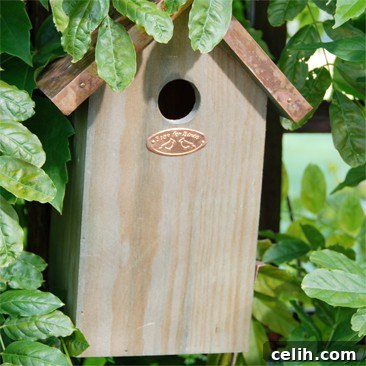
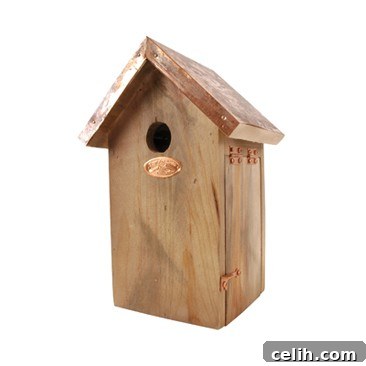
If you’re seeking a blend of functionality, durability, and aesthetic appeal for your garden bird sanctuary, look no further than the exquisite Copper Roof Blue Tit Box from Dig Your Home. This thoughtfully designed bird box embodies everything a discerning bird enthusiast could wish for, providing an inviting and secure nesting site for small garden birds.
Crafted for Longevity and Safety
This particular model is meticulously crafted from sturdy, FSC-accredited wood. As previously highlighted, the FSC certification guarantees that the timber originates from responsibly managed forests, making your purchase an environmentally conscious choice. The robust construction ensures that the box will withstand various weather conditions, offering a durable shelter year after year. Paired with its natural insulating properties, the wooden structure provides a stable internal temperature, crucial for the fragile eggs and developing chicks during unpredictable spring weather.
The Distinctive Copper Roof Advantage
A standout feature of this bird box is its beautiful and highly functional copper roof. More than just an attractive design element, the copper roof offers superior protection. Copper is naturally resistant to corrosion, rot, and insect damage, significantly extending the lifespan of the bird box. Over time, the copper will age gracefully, developing a unique verdigris patina that will further enhance its charm and blend seamlessly with your garden’s natural aesthetics. This feature provides an extra layer of waterproofing, keeping the interior dry and cozy for its occupants.
Perfect for Blue Tits and Other Small Species
While specifically designed with blue tits in mind, featuring an optimally sized entrance hole to suit their needs, this versatile bird box is also ideal for attracting other charming small garden birds. Species such as coal tits, marsh tits, and even some smaller sparrows may find this box to be a perfect nesting spot. Its design focuses on creating a secure, predator-resistant environment that encourages small birds to settle and raise their young in safety. Imagine the delight of watching these tiny birds flitting in and out, bringing food to their nestlings, right from your window!
Priced affordably at just £12, and with the added benefit of no postage charge from Dig Your Home, this blue tit box represents exceptional value. It’s an investment in wildlife conservation that brings immeasurable joy and beauty to your garden.
Expanding Your Garden’s Bird Sanctuary: Diverse Options and Optimal Placement
Dig Your Home’s commitment to supporting garden wildlife extends beyond just blue tits. They offer a comprehensive range of other bird boxes, catering to the specific needs of various species. Whether you’re hoping to attract the bold and energetic great tit or the tiny, bustling wren, you’ll find specialized designs to suit:
- The Copper Roof Great Tit Box: Designed with a slightly larger entrance hole and interior space, perfect for great tits and other medium-sized cavity nesters.
- The Copper Roof Wren Box: Crafted to mimic the secluded, sheltered environments wrens prefer, often with a unique entrance design.
By offering a variety of boxes, you can create a diverse nesting habitat, encouraging a wider range of birds to frequent and eventually call your garden home. This multi-species approach enriches your wildlife observations and contributes more significantly to local bird populations.
Where to Place Your Bird Box for Maximum Success
Once you’ve chosen your perfect bird box, optimal placement is key to its success. Here are some essential guidelines:
- Height: Generally, bird boxes should be mounted at a height of 1.5 to 5 meters (5 to 16 feet) on a tree or wall. Different species have different preferences, but this range is suitable for most small hole-nesting birds.
- Direction: Ideally, face the entrance hole between North and East. This prevents direct sunlight from overheating the box during the hottest parts of the day and protects the entrance from prevailing winds and rain.
- Shelter: Position the box in a relatively sheltered spot, away from busy pathways or areas with constant disturbance. Nearby vegetation, such as shrubs or trees, can provide cover for birds approaching and leaving the nest, offering a sense of security.
- Avoid Predators: Ensure the box is out of reach of predators like cats and squirrels. You can use a predator guard around the entrance hole or a baffle on the post/tree to deter climbers. Avoid placing feeders too close to nesting boxes, as feeders can attract predators.
- Clear Flight Path: Ensure there’s a clear, unobstructed flight path to the entrance hole. Birds need to be able to approach and leave the box easily without navigating dense branches.
- Multiple Boxes: If you’re putting up more than one box for the same species (e.g., two blue tit boxes), space them at least 5 to 10 meters apart to avoid territorial disputes. However, different species can have boxes closer together.
Maintaining Your Bird Box
To ensure your bird box remains a healthy and appealing home, annual cleaning is vital. Once the nesting season is definitively over (typically late autumn to early winter), carefully remove any old nesting material. This reduces the build-up of parasites and makes the box ready and inviting for new occupants next spring. Always wear gloves and dispose of old nests properly. Avoid using harsh chemicals; a good scrub with hot water is usually sufficient.
Beyond Bird Boxes: Cultivating a Thriving Wildlife Haven in Your Garden
While bird boxes are an excellent starting point, creating a truly bird-friendly garden involves a holistic approach. By providing a variety of resources, you can attract a wider array of species and support them throughout the year, not just during nesting season. Consider these additional elements to enhance your garden’s appeal to wild birds:
Food Sources: Natural and Supplemental
Planting native trees, shrubs, and flowers that produce berries, seeds, and nectar is paramount. These natural food sources are vital for birds, offering essential nutrients and supporting the insect populations that many birds rely on, especially during breeding season. Supplementing natural food with high-quality bird feeders filled with sunflower hearts, nyjer seed, suet, and mixed birdseed can provide crucial energy, particularly during colder months or when natural food is scarce. Always ensure feeders are kept clean to prevent the spread of diseases.
Fresh Water: A Year-Round Necessity
Birds need access to fresh water for both drinking and bathing. A bird bath, kept clean and topped up regularly, can be a magnet for birds, providing a safe place for them to hydrate and preen their feathers. In winter, ensure the water doesn’t freeze solid, perhaps by using a shallow, dark-coloured dish that absorbs some solar heat, or a purpose-built bird bath heater.
Shelter and Roosting Sites
Dense shrubs, evergreen trees, and climbing plants offer vital shelter from predators and harsh weather. They also provide safe roosting sites for birds during the night. A mix of different plant heights and densities will cater to various species, from ground-feeding birds to those that prefer higher perches.
Reduce Chemical Use
Minimizing or eliminating the use of pesticides and herbicides in your garden is crucial. These chemicals not only directly harm birds but also reduce the insect populations that form a significant part of their diet, especially for feeding young. Embrace organic gardening practices and allow a little wildness to flourish – fallen leaves can hide insects, and a patch of native weeds can provide seeds.
Enjoying the Wildlife
Ultimately, a wildlife-friendly garden is a source of immense pleasure and tranquility. Observing the intricate lives of birds and other creatures connects us to the natural world and reminds us of the delicate balance of ecosystems. Your efforts, no matter how small, contribute significantly to the health and vitality of your local environment.
Exclusive Offer from Dig Your Home: Enhance Your Garden for Less!
Dig Your Home is dedicated to making it easier and more affordable for you to support local wildlife. To help you get started on your journey to a more bird-friendly garden, they frequently offer special promotions on their high-quality range of bird boxes and outdoor living products.
For a limited time, you can take advantage of a fantastic saving! If you spend over £20 on their website, you can receive 10% off your entire order. Simply use the promotional code “DYHMD2010” at checkout to apply your discount. This is a brilliant opportunity to invest in multiple bird boxes for different species or combine a bird box purchase with other essential garden items. Don’t miss out on creating a truly welcoming environment for your garden’s feathered residents.
Visit Dig Your Home today to explore their full collection and take advantage of this special offer. Your garden birds will thank you!
Conclusion: Invest in Nature, Enrich Your Life
As spring takes hold, the call to support our wild bird populations becomes ever more pressing and rewarding. Installing a thoughtfully designed bird box is one of the simplest yet most impactful actions you can take to contribute to local biodiversity and enjoy the wonders of nature right outside your window. From the sturdy, FSC-accredited wood construction to the durable copper roof, the Blue Tit Box from Dig Your Home stands out as a prime example of quality and conscious craftsmanship.
By choosing products that are sustainable and specifically tailored to the needs of different bird species, you create safe havens that are crucial for successful breeding. Couple this with optimal placement, regular maintenance, and a holistic approach to garden wildlife, and you’ll soon find your garden transformed into a bustling, vibrant sanctuary. Embrace this season of renewal by offering a warm welcome to your garden birds – an investment that pays dividends in natural beauty, peaceful observation, and the profound satisfaction of knowing you’re making a positive difference for the environment.