
The landscape of the fitness industry has undergone a significant transformation, particularly since the global events of early 2020. Once bustling with activity, traditional gyms suddenly faced an unprecedented challenge, prompting trainers and fitness enthusiasts alike to adapt. Creative solutions emerged, from online streaming classes to outdoor personal training sessions in parks and open spaces, showcasing an industry’s resilience.
Despite these disruptions, the fundamental desire for individuals to maintain or improve their physical well-being remained undiminished. In fact, the period saw an immense surge in the adoption of fitness apps and a dramatic increase in sales of home fitness equipment. People sought to replicate their accustomed gym routines within their living spaces or embraced the opportunity to embark on new fitness journeys entirely. Additionally, national park services reported a notable rise in visitors, as many turned to activities like running and hiking, finding solace and an escape from the constraints of their homes.
Numerous surveys conducted during this period highlighted the growing prominence of home fitness. One such report indicated that a remarkable 63% of respondents utilized lockdown to enhance their fitness levels at home. Another survey revealed that over half of those questioned now felt sufficiently confident and equipped to continue their home fitness regimens, expressing no immediate plans to return to commercial gyms. This shift isn’t just about convenience; it’s also about economics. Annual gym memberships can incur significant costs, often totaling hundreds of dollars. This substantial investment could instead be strategically allocated towards designing, equipping, and maintaining a personalized home gym. If you’re contemplating this empowering transition, here’s a detailed guide on how to get started on building your ultimate home gym.
Crafting Your Perfect Home Gym Space
Find or Make Space
The very first step in establishing your home gym is identifying or creating a suitable space. The size and type of space you require will largely depend on your fitness goals and the kind of equipment you plan to acquire. For those focused on bodyweight exercises, yoga, or pilates, a modest corner in a spare bedroom or living room might suffice. You might need as little as a 6×6 foot area for a basic setup. However, if your ambitions include heavy weightlifting, cardio machines, or a comprehensive multi-gym, you’ll naturally need a more expansive and robust area.
Many homeowners find their garages to be ideal candidates for conversion into dedicated home gyms. Garages typically offer ample space, and their concrete floors are inherently strong enough to support the substantial weight of various exercise machines and free weights without structural concerns. Other popular options include converting a basement, a spare bedroom, or even an attic, provided structural integrity and ventilation are adequately addressed. For those seeking a truly separate and purpose-built environment, erecting an external structure like a shed, a modular building, or even unique designs such as Quonset huts, can provide an excellent solution. When evaluating a space, consider factors such as ceiling height (especially important for jumping exercises, pull-ups, or overhead presses), ventilation to prevent stale air and moisture buildup, and access to natural light, which can significantly boost motivation and mood. Remember, you can always start small with fundamental equipment and gradually expand your space and diversify your setup as your fitness journey evolves and your needs grow.
Budgeting for Your Home Gym Needs
While the pandemic saw many people spending around £100 on initial home gym equipment, setting up a truly effective and sustainable home gym will likely require a more substantial investment. However, this shouldn’t be daunting. Think of it as an investment in your long-term health and convenience, often repaying itself by negating years of gym membership fees. Your budget should be flexible and adaptable, allowing for phased purchases rather than a single, large outlay. You don’t need to begin with state-of-the-art treadmills, cross-trainers, or rowing machines. Instead, prioritize essential items and build from there.
Beyond the core workout equipment, several other elements contribute to a functional and comfortable home gym. Factor in the cost of durable flooring (such as rubber mats or interlocking tiles) to protect your subfloor, absorb impact, and reduce noise. Storage solutions like shelving, wall brackets, or dedicated racks are crucial for keeping your space organized and safe. Adequate lighting is paramount – consider bright, energy-efficient options. Mirrors can enhance your space, provide visual feedback on your form, and even make a room feel larger. Don’t forget smaller accessories like towels, a water bottle, and a good quality sound system for music or podcasts. By meticulously planning your budget and prioritizing purchases, you can create a high-value home gym that meets your specific needs without breaking the bank. Remember, investing in durable, quality equipment now will save you money and headaches in the long run.
Essential Home Gym Equipment: Building Your Arsenal
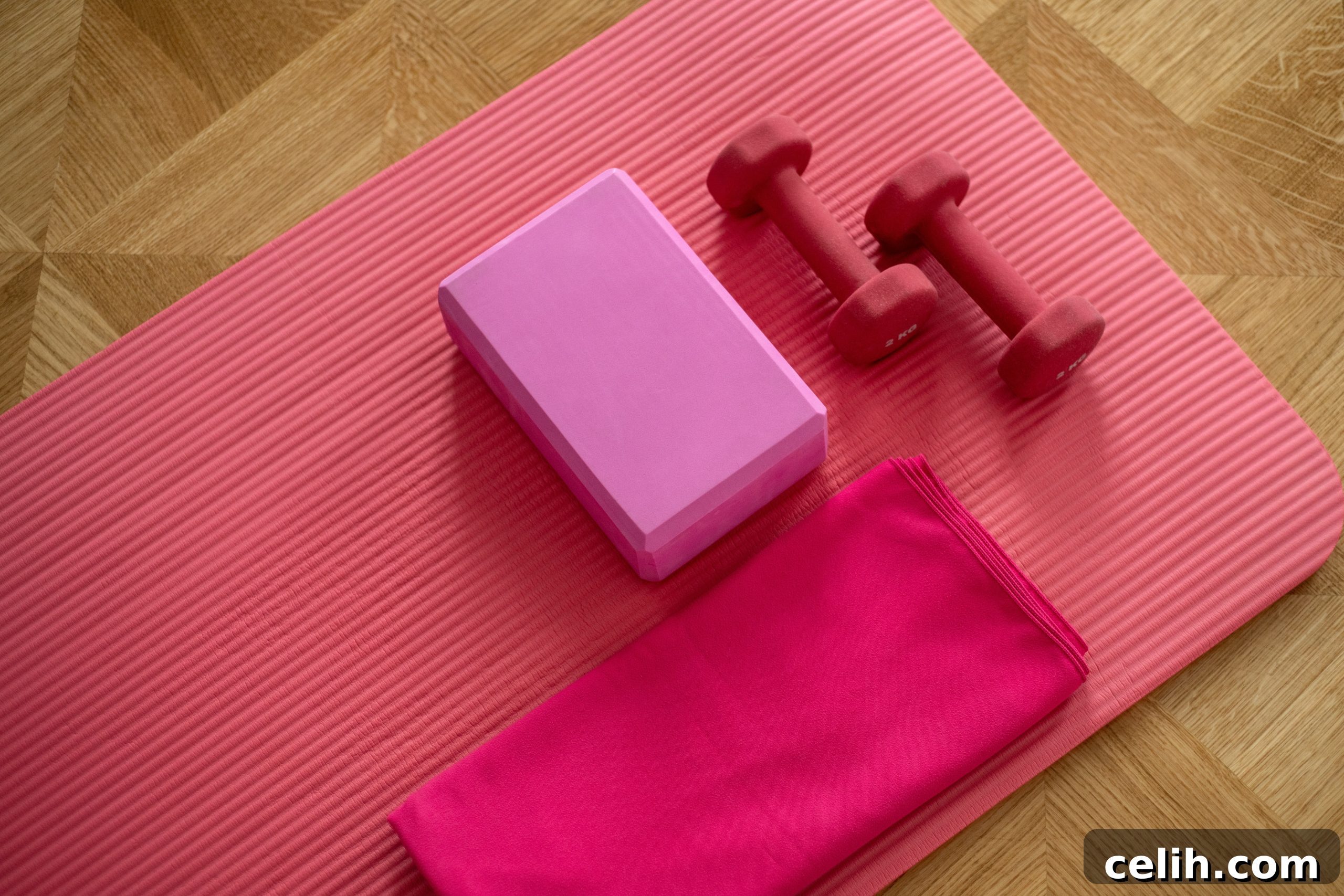
Selecting the right equipment is pivotal to the success of your home gym. The essentials will vary based on your primary fitness goals. If your focus is primarily on flexibility, balance, and bodyweight exercises like yoga, pilates, aerobics, or dance, your needs might be minimal. A good quality exercise mat, foam blocks, and a set of resistance bands could be all you truly need to get started and achieve fantastic results. However, for anyone looking to incorporate significant cardiac conditioning or strength training, a more targeted investment in foundational equipment is crucial. You’ll want to invest in the basics that offer versatility and durability.
Strength Training Essentials:
- Dumbbells: These are incredibly versatile. Start with a few sets of fixed-weight dumbbells or, for space-saving efficiency, consider adjustable dumbbells. They are perfect for a wide range of exercises targeting all major muscle groups.
- Kettlebells: Offering a unique blend of strength, cardio, and flexibility benefits, kettlebells are excellent for dynamic movements like swings, cleans, and snatches. They can elevate any workout and are a staple for functional fitness.
- Barbells and Weight Plates: For serious strength trainers, barbells are indispensable. Combine them with a sturdy power rack or squat stand and an adjustable weight bench. Opt for Olympic-sized bars and plates for greater durability and compatibility with future equipment. A good range of plates will allow you to progressively overload and challenge yourself.
- Resistance Bands: Beyond just warm-ups, resistance bands offer varying levels of tension and can be used for activation, assistance with bodyweight exercises (like pull-ups), or to add resistance to squats, deadlifts, and presses. They are portable, affordable, and highly effective.
- Pull-up Bar: A simple yet powerful tool for upper body strength. Wall-mounted, doorframe, or freestanding options are available, catering to different space and budget requirements.
Cardio Equipment Options:
If you’re considering a cardio machine, the best choice is one you’ll consistently use, rather than solely focusing on the cheapest or most feature-rich model. Its true value lies in engagement and utilization. Each machine offers distinct benefits:
- Treadmills: Ideal for walking, jogging, and running, offering varying inclines and speeds. Modern smart treadmills can even simulate outdoor routes.
- Ellipticals/Cross-Trainers: Provide a full-body, low-impact workout that’s gentle on joints, engaging both upper and lower body simultaneously. A great option if multiple users with different fitness levels will be using it.
- Rowing Machines: Often among the more affordable large cardio machines, rowers deliver an incredible full-body workout, focusing on strength and endurance. They are efficient but target a very specific movement pattern.
- Stationary Bikes: Available as upright, recumbent, or spin bikes, they offer excellent cardiovascular benefits while being non-weight-bearing.
- Jump Ropes: A low-cost, high-impact cardio option that significantly improves agility, coordination, and endurance.
When selecting equipment, prioritize quality and safety. Decent quality products are an investment that will last for years, provide better performance, and minimize injury risk. Choose weights and resistances that suit your current build and fitness levels, but also allow for progression towards your ultimate goals. A diverse selection of equipment will keep your workouts engaging and prevent plateaus.
Designing Your Home Gym for Optimal Performance and Motivation
Beyond simply accumulating equipment, the design and layout of your home gym significantly impact its usability and your motivation. Consider the flow of your workouts: where will you do warm-ups, strength training, and cool-downs? Arrange equipment logically to minimize movement impediments and maximize efficiency. Large pieces like cardio machines or power racks should be placed strategically to avoid obstructing pathways or light sources.
Safety should always be a top priority. Ensure there’s adequate clearance around all equipment, especially for free weights. If lifting heavy, consider installing a sturdy squat rack with safety spotters. Good lighting, as mentioned before, is not just about visibility but also about creating an energetic atmosphere. If possible, position your gym to take advantage of natural light. Incorporating mirrors can also enhance your workout experience by allowing you to monitor your form and providing visual feedback, which is crucial for preventing injuries and maximizing muscle activation. Finally, don’t underestimate the power of aesthetics; a clean, organized, and visually appealing gym space will naturally draw you in and keep you motivated.
Maintaining Motivation and Routine in Your Home Gym
One of the challenges of a home gym, without the external accountability of a commercial facility, is maintaining consistent motivation. To combat this, establish a clear workout schedule and stick to it as much as possible. Treat your home workout appointments with the same seriousness as you would any other important commitment. Introduce variety into your routines; don’t let your workouts become monotonous. Utilize online resources, fitness apps, or even hire a virtual personal trainer to provide fresh ideas and structured programs. Tracking your progress, whether through a journal, an app, or simply noting down your lifts and reps, can be incredibly motivating as you witness your improvements over time. Creating a dedicated fitness playlist can also significantly boost your energy and make your workouts more enjoyable. Consider joining online fitness communities for support, inspiration, and a sense of shared purpose.
Safety First: Essential Considerations for Your Home Workout Space
Safety is paramount in any fitness environment, and your home gym is no exception. Before starting any new exercise program, especially if you have underlying health conditions, consult with a healthcare professional. When working out at home, always prioritize proper form over lifting heavy weights or performing complex movements. Watch instructional videos, use mirrors, or even record yourself to check your technique. If you’re lifting heavy free weights, understand your limits and consider having a spotter, if available, or investing in a power rack with safety pins. Ensure all equipment is regularly inspected and maintained; loose bolts, frayed cables, or worn-out parts can lead to serious accidents. Keep the workout area clear of clutter to prevent tripping hazards. Proper ventilation is also a safety concern, preventing overheating and ensuring you have fresh air during intense sessions. An emergency plan, including knowing where your first-aid kit is and how to contact help, is also a wise precaution.
The Future of Fitness: Why Home Gyms Are Here to Stay
The trend towards home fitness is not a fleeting one; it represents a fundamental shift in how people approach their health and well-being. The convenience of being able to work out at any time, without travel, queues, or the need to share equipment, is an unparalleled advantage. Home gyms offer a level of privacy that many find more comfortable, allowing them to focus entirely on their workout without self-consciousness. Furthermore, the ability to customize your workout environment and equipment to perfectly match your individual goals and preferences is a significant draw. While some individuals will undoubtedly return to commercial gyms for the social aspect, specialized classes, or access to a wider array of equipment, the home gym movement is firmly established and will continue to grow through 2022, 2023, and beyond. For those who value autonomy, efficiency, and a personalized approach to fitness, building a home gym is not just an option – it’s an empowering declaration of control over their health journey.