
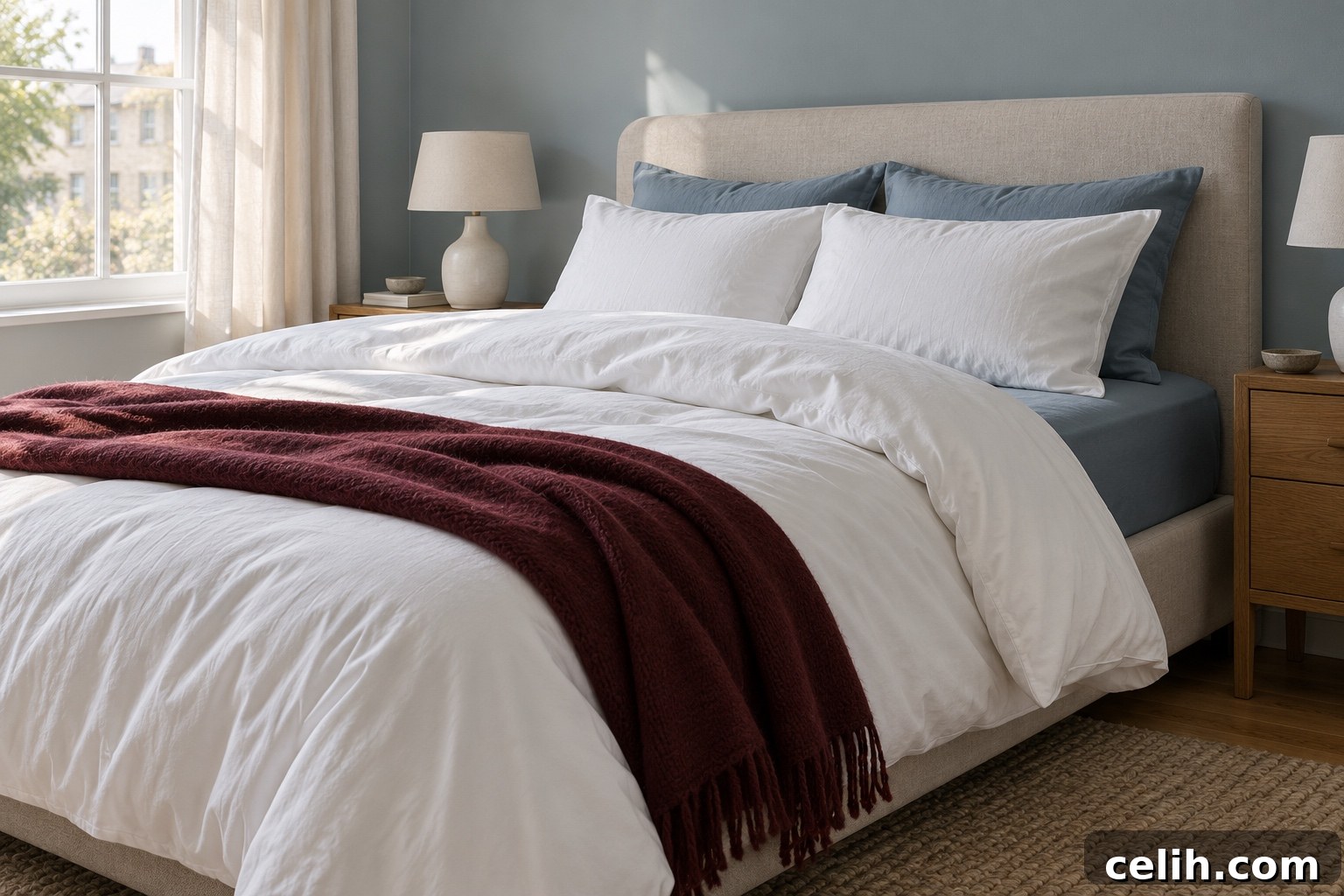
There’s something deeply satisfying about slipping into a freshly made bed and settling under a duvet that feels just right. The ideal duvet will be soft enough to cocoon you, warm enough to hold out the chill, and light enough to move freely beneath. The right bedding can transform an ordinary bedroom into a restful, comfortable retreat.
Choosing a new duvet can feel surprisingly complex. With tog ratings, fill compositions, seasonal systems and tempting marketing phrases promising hotel luxury, it’s easy to get distracted by packaging. The best place to begin is with how you sleep and the conditions in your bedroom.
Think about whether you tend to sleep hot or cold, the insulation of your room, how you like the weight of a duvet, how often you want to wash it and what fits your budget. These practical details will guide you to a duvet you will enjoy using night after night.
This guide explains how to compare duvets, decode the labels and choose a comfortable, practical option for your home.
Quick Answer: How Do You Choose the Right Duvet?
Choose a duvet by assessing warmth (tog), fill type, size, construction and care needs. Start with a tog rating that fits your bedroom temperature and sleeping habits, then compare fillings for feel, weight and maintenance. Always check the actual measurements rather than relying on size names, and verify that the care instructions suit your washing and drying facilities.
A well-fitting, comfortable duvet cover also matters: it should match the duvet’s dimensions, feel pleasant against your skin and complement the warmth of the duvet inside.
Start With What Your Current Bedding Gets Wrong

Before buying, note what you’d change about your current duvet. Do you wake up overheated? Does the filling gather at the foot of the bed? Do you fight over covers with a partner? Or is the duvet too heavy or noisy when you move?
These observations create a useful shopping brief. If the label remains, check the tog and filling. Knowing that your existing 10.5 tog feels too warm is more helpful than following a popular rating without reflection.
Also consider other layers: a thick mattress topper, heavy sheets or warm nightwear all add insulation. Replacing the duvet may help, but reducing overall layering could be the bigger improvement.
Understand Tog Ratings Before Choosing Warmth
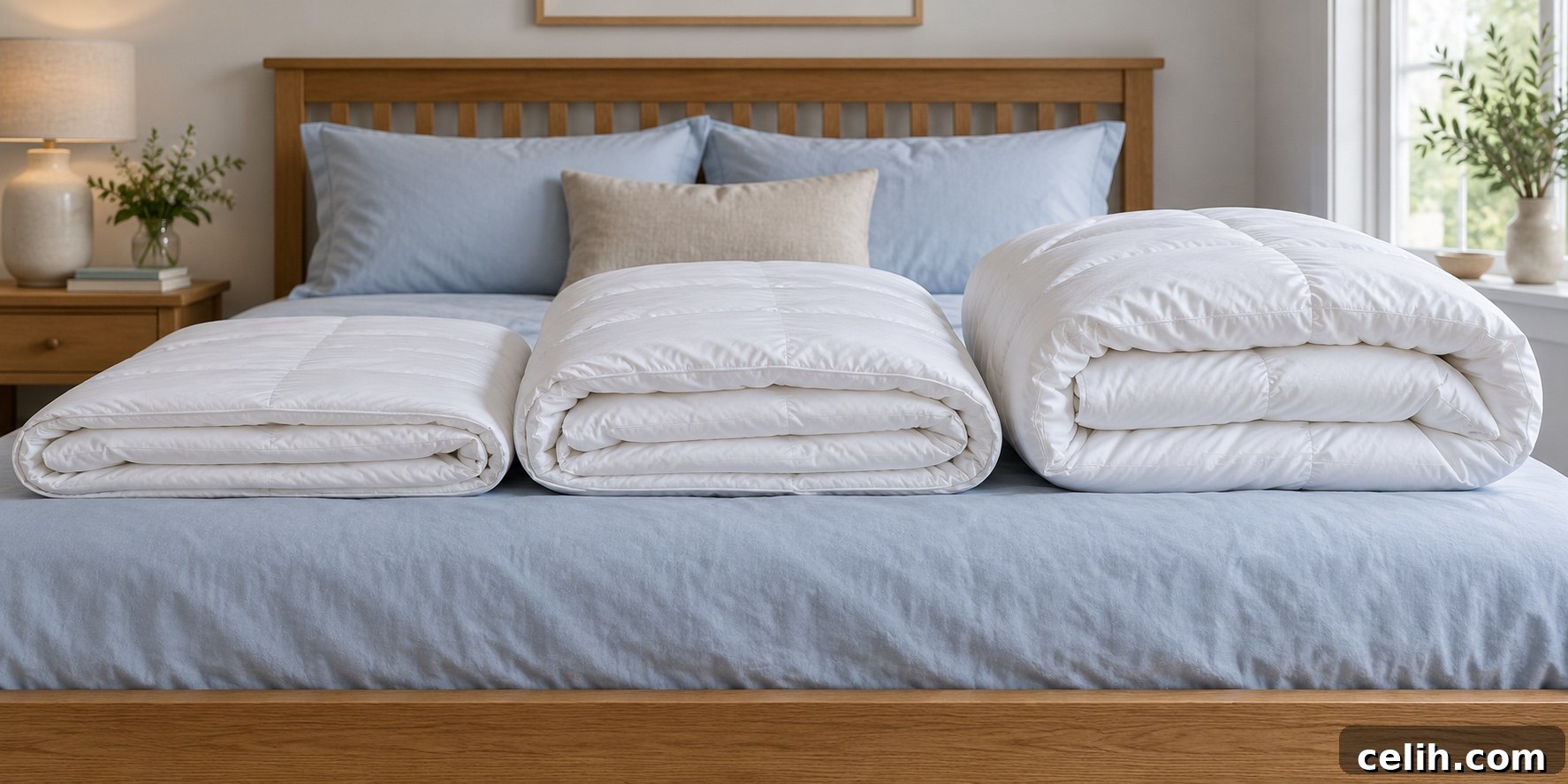
A tog rating measures thermal resistance — how well a duvet resists heat transfer. Higher tog means more insulation, but it doesn’t indicate quality or the duvet’s actual weight. Different fillings can offer similar warmth while feeling very different to lift and sleep beneath.
These ranges are a useful starting point for adults:
| Tog rating | Typical use |
|---|---|
| 1–4.5 tog | Warm bedrooms, summer months or hot sleepers |
| 7–10.5 tog | Moderate warmth for milder conditions |
| 12–13.5 tog | Colder bedrooms or people who feel chilly |
| 15 tog and above | Very high insulation where needed |
Treat these as guidelines. A duvet comfortable in a cold country house may be far too warm in a well-insulated modern flat. Your aim is suitable insulation, not the highest tog available.
Match Your Duvet to Your Bedroom and Body Temperature

Consider how your bedroom feels several hours after you get into bed. Does it stay warm after the heating goes off, or does it cool down significantly? A simple room thermometer can help you build a general picture of sleeping conditions.
Your personal comfort matters too. Hot sleepers often prefer lightweight duvets for most of the year, while people who feel cold readily may want a warmer option even in spring. If you experience night sweats, beware of assuming that a “cooling” label will solve the issue; check insulation, casing and how other bedding layers affect comfort.
Compare the Variety of Fill Options
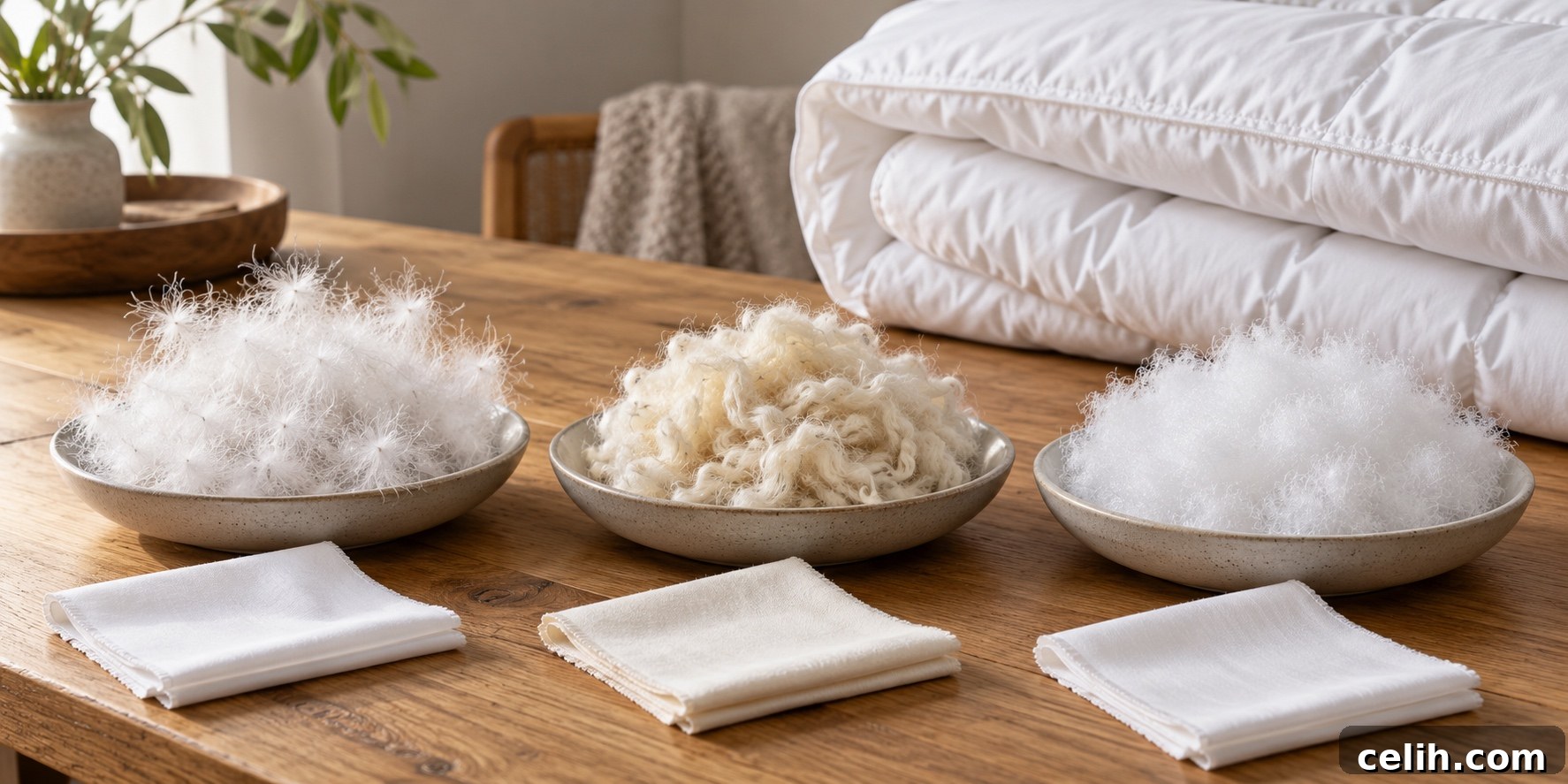
Fill type shapes a duvet’s weight, drape, loft, care and cost. The priciest filling isn’t automatically the most comfortable. Below are common options and what to expect.
Down: Light, Lofty and Insulating
Down are the soft clusters under feathers that trap air and provide high loft for relatively little weight. High down content gives a cloud-like, plump feel without heaviness. Check percentages closely: many products blend down and feathers, and the ratio affects feel and warmth. Some labels include fill power, which indicates loft for a given weight, but it doesn’t replace tog ratings.
Feather and Down: A More Substantial Feel
Feather-and-down blends tend to feel heavier and closer-fitting than high-down duvets. Because feathers have quills, a well-made casing is essential to prevent escape. Also note sound: tightly woven shells can rustle, so test if you’re noise-sensitive.
Wool: A Flatter Drape
Wool duvets usually sit closer to the body with a flatter profile. Wool naturally manages moisture vapour, which can support temperature regulation, but performance depends on overall construction and casing. Check care instructions — some wool duvets are machine-washable, others need specialist cleaning.
Synthetic Fillings: Practical and Accessible
Synthetic fills such as polyester hollowfibre and microfibre are affordable, often easier to wash and suitable for those avoiding animal-derived materials. These materials vary widely in feel and loft, so inspect fibre type, fill quantity, casing and stitching rather than assuming all synthetics are the same.
Silk and Other Specialist Fillings
Silk-filled duvets are slim, smooth and close-draping, appealing to those who dislike bulk. Regenerated cellulose fibres — described as bamboo, eucalyptus or lyocell — can appear in fillings or casings; examine exact fibre composition and care needs. Natural or plant-derived labels don’t automatically mean better performance for every sleeper.
Examine the Casing and Construction
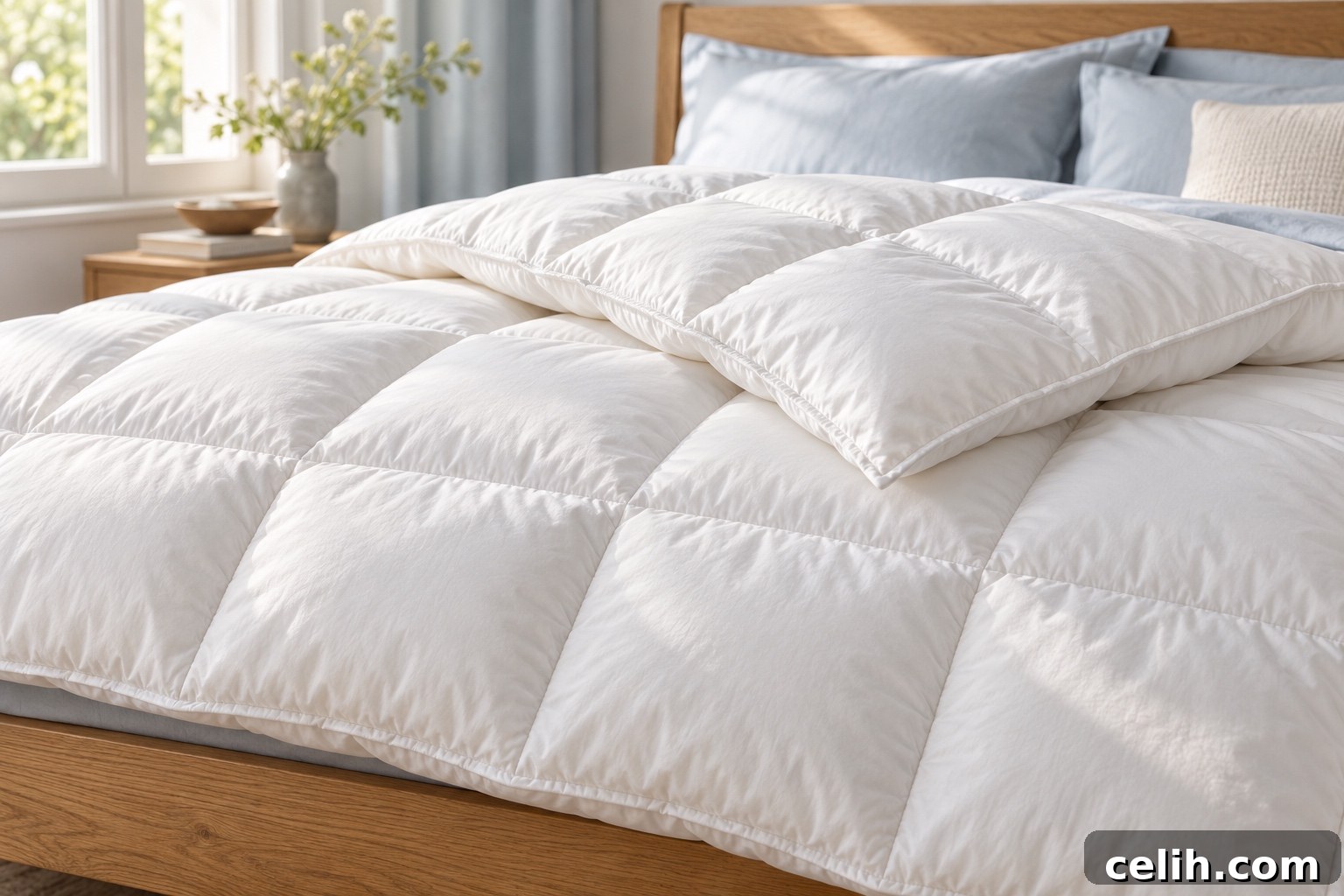
The outer shell contains the filling, affects drape, and contributes to feel and sound. The casing (sometimes called ticking) may include multiple layers; check what they do and how they affect softness and care. Construction — stitched-through or box-wall (baffle-box) — helps keep filling even. Quality stitching and appropriate construction for the filling are more important than marketing terms.
Choose the Right Size for Comfortable Coverage

Matching a duvet to your mattress name isn’t enough. Check centimetre measurements. Common UK dimensions include:
| Duvet size | Common dimensions |
|---|---|
| Single | 135 × 200cm |
| Double | 200 × 200cm |
| King | 225 × 220cm |
| Super king | 260 × 220cm |
Sizing up can improve coverage for couples, but consider handling, storage and washing implications before choosing a larger size.
Find the Right Duvet Cover
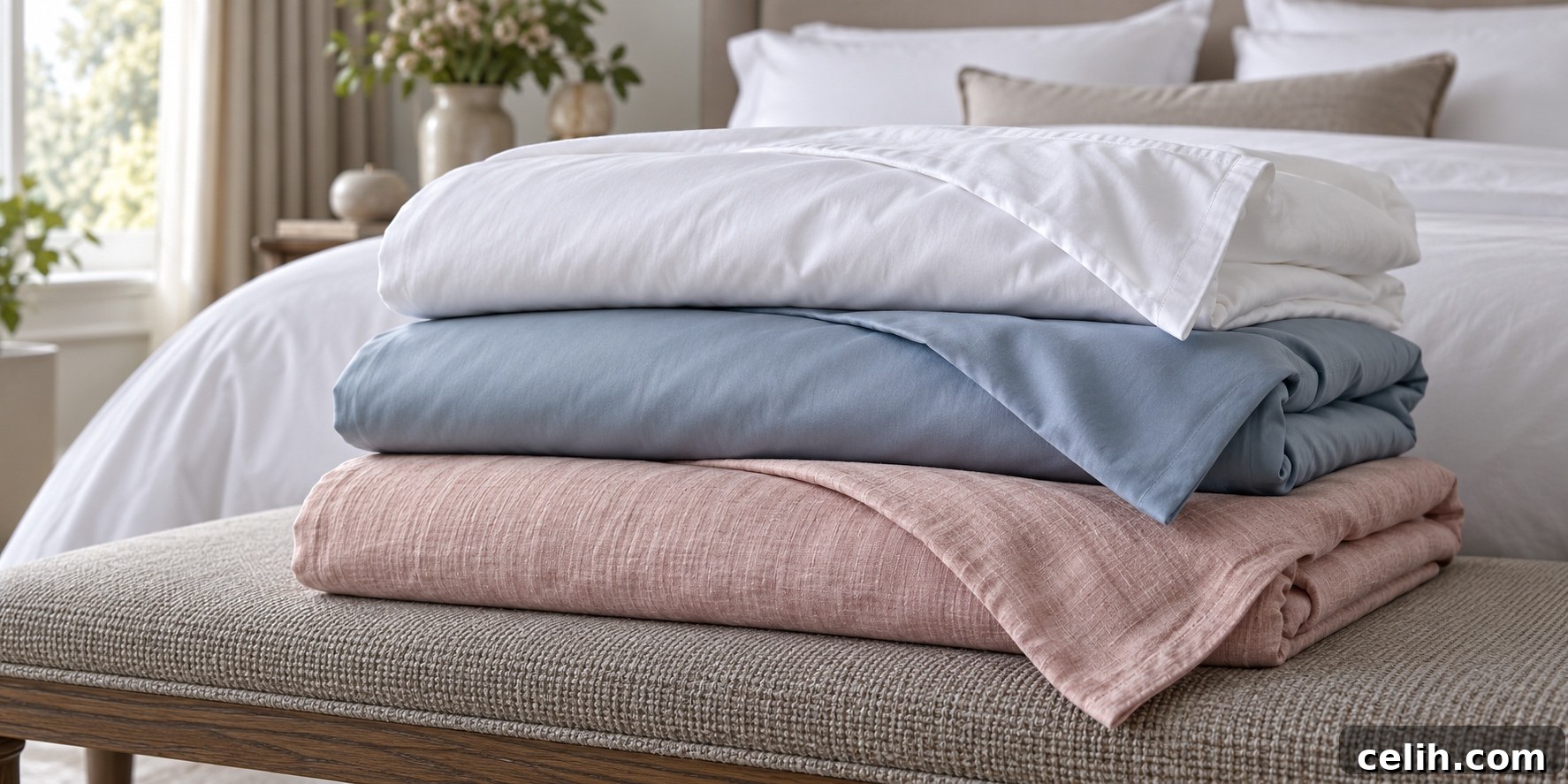
The duvet cover is the fabric you touch each night and can change the bed’s look and feel. Cotton is versatile, with percale for crispness and sateen for smoothness. Linen offers texture and brushed cotton adds cosy softness. Thread count isn’t everything — fibre quality, weave and finish matter more. Ensure the cover closely matches the duvet dimensions, check fastenings and consider corner ties to keep the duvet in place.
Do You Need a Top Sheet?
A top sheet adds a washable layer between you and the duvet, which some people like for freshness; others find it cumbersome. Every extra layer affects warmth and movement. If you overheat, simplifying layers often helps more than switching materials.
Decide Between Seasonal and All-Seasons Duvets

You can choose a single duvet for year-round use, separate summer and winter duvets for more contrast, or an all-seasons set that combines two layers. Consider storage, handling and how two joined layers feel compared with a single duvet.
Consider Different Duvets for Each Partner

Couples with different warmth preferences often find separate duvets more comfortable than compromising. Matching covers keep the bed looking tidy. Split-warmth or dual-sided designs are another option — check their layout and whether they suit your sleeping positions.
Treat Allergy Claims With Care
Claims like “hypoallergenic” or “dust-mite resistant” can mean different things. Look for clear explanations: is the claim about a treatment, the casing, the filling or an independent test? For dust mite allergy, washing at high temperatures and suitable barrier covers are important. A synthetic filling alone doesn’t guarantee allergen protection; choose products based on specific, relevant details.
Check Washing and Drying Before Buying
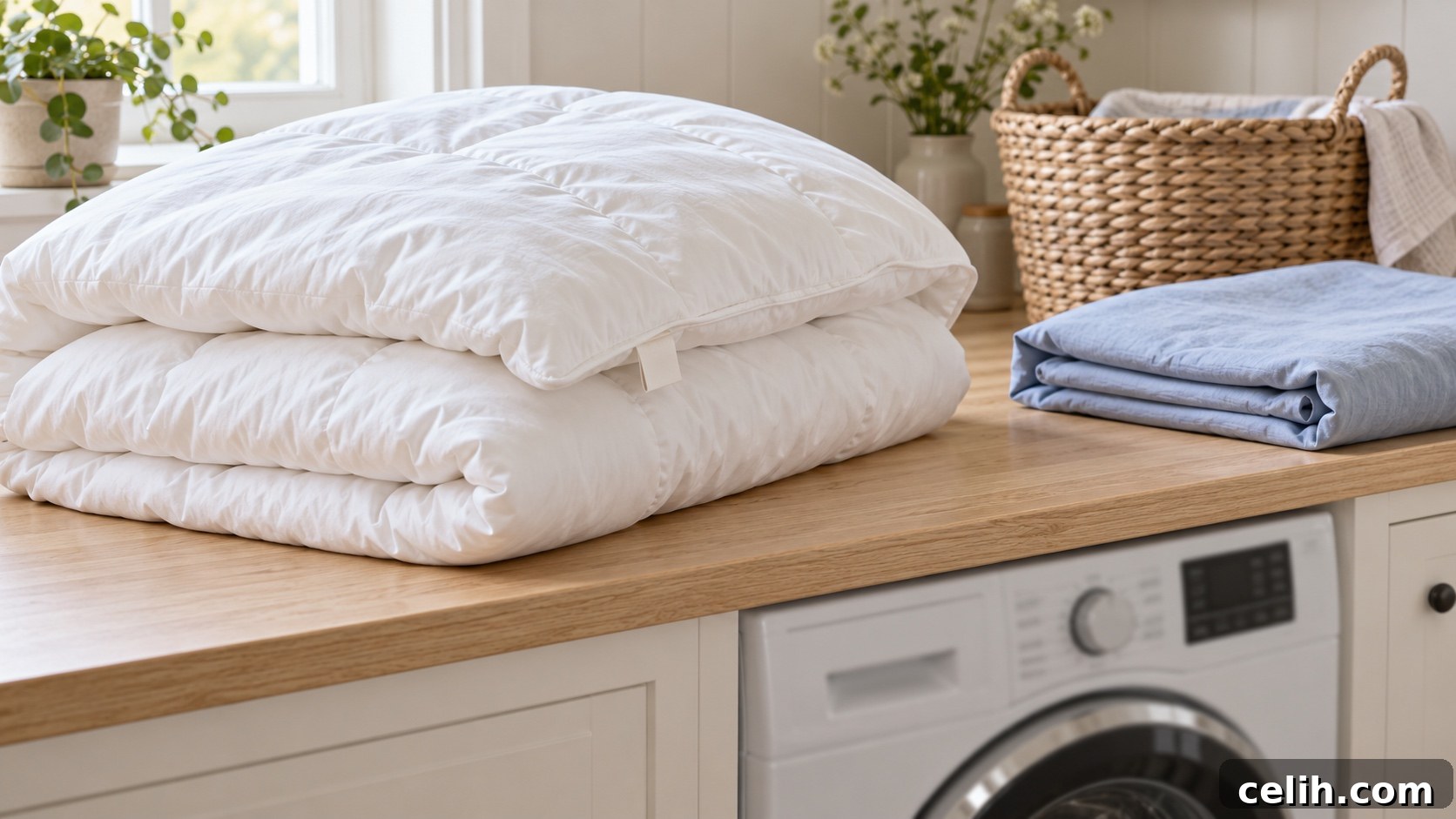
“Machine washable” may still require a large drum and specific temperatures. Ensure your machine and dryer can handle the duvet’s size and recommended care. If professional cleaning is needed, confirm local availability and cost. Coverless duvets simplify bed-making but mean washing the whole item, so check whether that suits your laundry setup.
Spend on Comfort You’ll Notice
Decide what matters most: lower weight, easier care, more coverage or transparent sourcing. A luxury filling is worth the price only if its care needs fit your routine. Look at returns and trial policies, particularly for online purchases, and ask questions about fill details rather than assuming all duvets are treated the same.
Choose for the Way You Actually Sleep
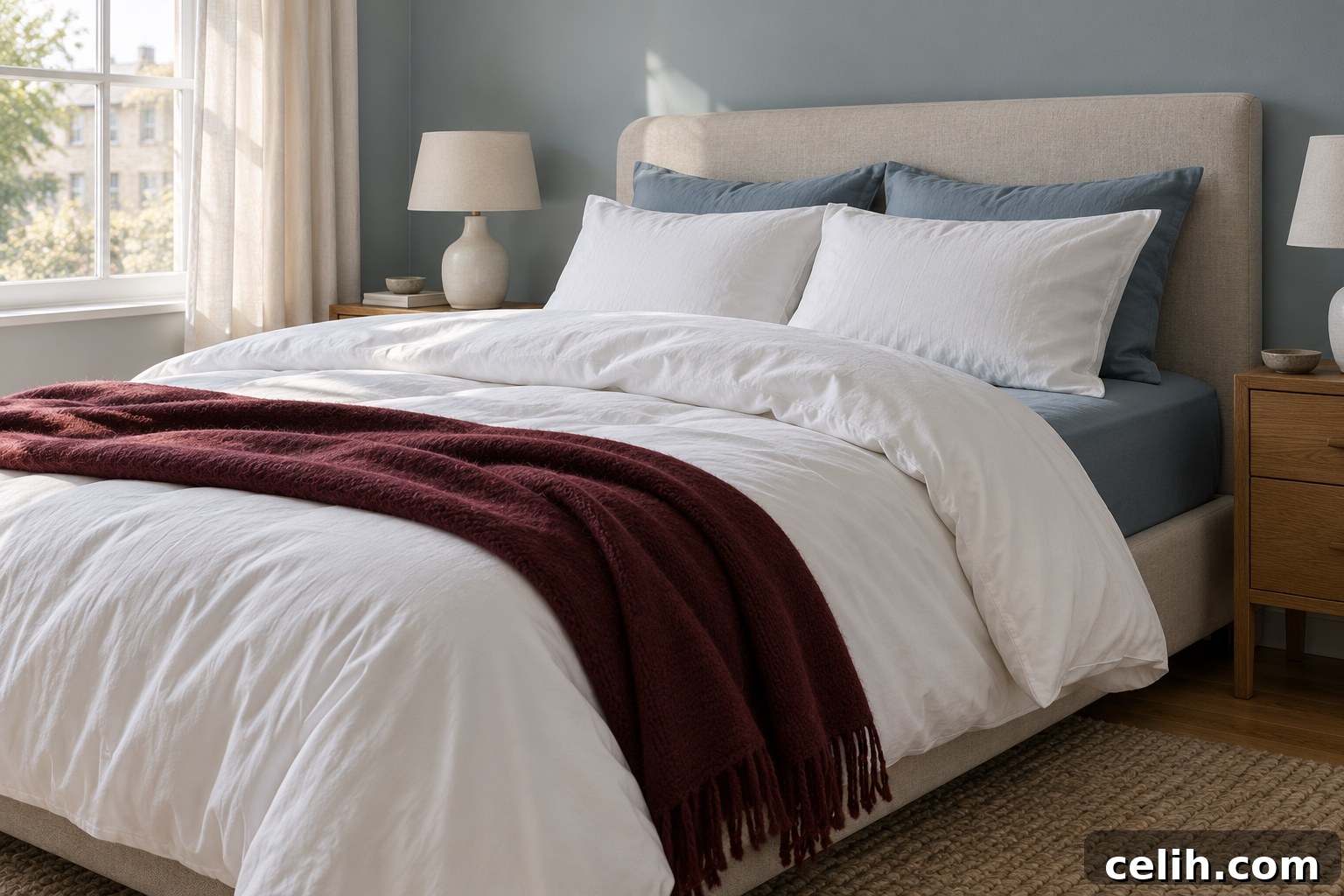
Comfort is personal. A duvet that looks plush in a photo might feel too bulky for you, while a simpler option could be ideal. Start with current frustrations and work through warmth, filling, size and care. Pay attention to the cover and other bedding layers. Thoughtful choices reduce common sources of discomfort and make getting into bed something to look forward to.