
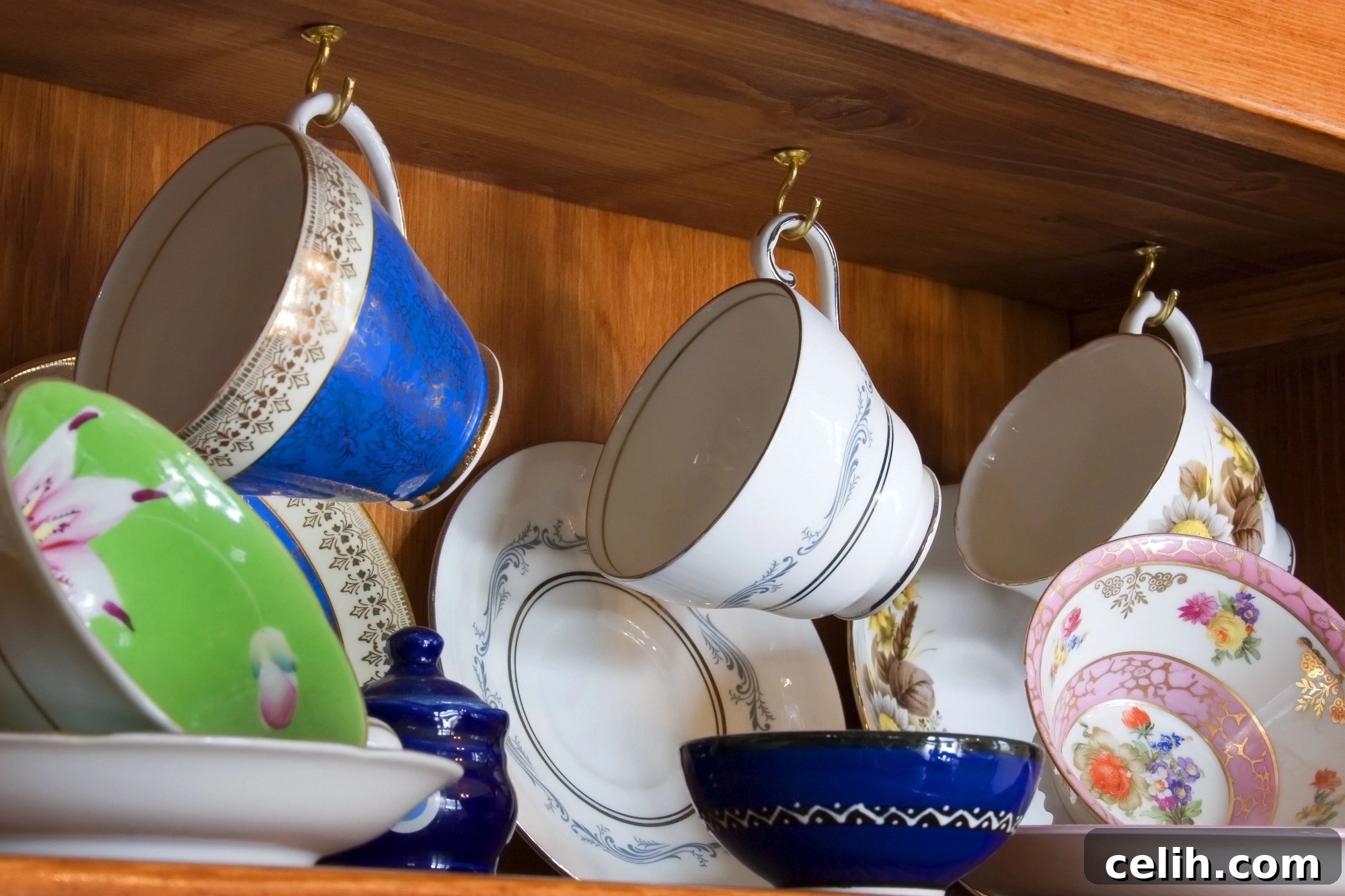
The thought of moving house often conjures images of excitement for a new beginning, but it also brings the undeniable stress of packing, especially when it comes to your most cherished and delicate possessions. Among these, your fine china and valuable dishware often top the list of items that require exceptional care. Far too many moving stories include the unfortunate discovery of chipped plates, cracked bowls, or shattered heirlooms, all due to rushed packing or inadequate protection. It’s a common misconception that simply wrapping an item in paper is enough; however, fragile items like china don’t forgive shortcuts. A few unexpected bumps in the road are all it takes for irreversible damage.
The good news is that safeguarding your china during a move isn’t overly complicated, but it does demand a methodical approach, a bit of extra patience, and the right packing materials. From the way you individually wrap each piece to the type of boxes you select, how you create cushioning layers, and even the strategic way you stack them—every detail plays a pivotal role in ensuring everything arrives at your new home intact. By getting these essential details right, the unpacking process becomes a calm and satisfying experience, free from the disheartening discovery of broken treasures.
In this comprehensive guide, we will walk you through the professional techniques for packing china properly, ensuring every plate, bowl, cup, and saucer makes it through your move in perfect condition. We’ll cover everything from decluttering to selecting the right supplies, step-by-step wrapping methods, and crucial boxing strategies to protect your valuable collection.
Sort Before You Pack: Less Really Is More for a Smoother Move
Before you even think about grabbing packing paper, take a crucial moment to properly sort through your china collection. The moving process has a unique way of making us want to pack every single item we own, but not everything truly deserves the effort, the valuable space in your moving truck, or the risk of breakage. This initial decluttering step is not just about saving space; it’s about being strategic and intentional with what you bring into your new living space.
Be honest with yourself about each piece. If something is chipped, cracked, mismatched, or hasn’t seen the light of day in years, it might be the ideal time to let it go. There’s little point in carefully wrapping, cushioning, and transporting items that you don’t genuinely want or need in your new home. Consider donating gently used items, selling valuable pieces you no longer desire, or simply discarding anything beyond repair. This pre-packing purge can significantly reduce the volume and weight of your fragile boxes.
As you sort, identify items with significant sentimental or financial value. Set these aside so you can provide them with extra meticulous care and potentially specialized packing methods. Additionally, it’s a smart idea to assemble a small “first night” kitchen box. This box should contain a couple of essential plates, mugs, cutlery, and perhaps a few non-perishable snacks. This thoughtful preparation means you won’t have to frantically dig through multiple fragile boxes just to enjoy a much-needed cup of tea or a simple meal after a long, exhausting moving day.
Essential Packing Supplies: What You’ll Need for Safe China Transport
You simply cannot pack your fine china properly and securely without the right materials. Attempting to save a few dollars by grabbing flimsy, random boxes from behind a grocery store is a common mistake that almost guarantees breakage. Most people significantly underestimate the sheer amount of protection fragile dishware requires. A single dinner plate, for instance, demands individual wrapping, strategic cushioning, and a box robust enough to handle the stacking weight without succumbing to pressure.
Skimping on high-quality packing materials to save a few dollars upfront often proves to be a false economy. The cost of replacing a treasured serving platter, a complete dinner set, or a priceless heirloom far outweighs the initial investment in proper supplies. Think of these materials as an insurance policy for your valuable items.
Here’s a detailed list of what professional movers consistently use to protect delicate china:
- Dish Pack Boxes: These are specifically designed with heavy-duty double-wall construction, offering superior crush resistance compared to standard moving boxes. Many come with built-in dividers or cells, which are ideal for separating individual pieces and preventing direct contact.
- Unprinted Packing Paper: Unlike newspaper, which can transfer ink stains onto your pristine white china (stains that are notoriously difficult, if not impossible, to remove), unprinted packing paper provides clean, soft cushioning. It’s perfect for the first layer of wrapping and for filling empty spaces within boxes.
- Bubble Wrap: Opt for bubble wrap with smaller bubbles for wrapping delicate edges, handles, and rims of individual pieces. Larger bubbles are excellent for creating cushioning layers at the bottom and top of boxes, or for wrapping bulkier, less intricately shaped items.
- Foam Sheets and Pouches: For exceptionally high-value, antique, or uniquely shaped pieces, foam sheets or pre-formed foam pouches offer an additional layer of non-abrasive protection. They conform to the item’s shape, providing snug security.
- Heavy-Duty Packing Tape: Invest in high-quality packing tape specifically rated for heavy loads. Dollar-store rolls often lack the adhesive strength needed to secure heavy boxes, and you don’t want a box falling apart mid-move.
- Permanent Markers: Essential for clearly labeling every single box with its contents, fragile warnings, and designated room in your new home. This vital step guides movers on proper handling and simplifies unpacking.
If you’re relocating an entire china cabinet, plan on needing at least three to five dedicated dish pack boxes, with the exact number depending on the size and volume of your collection. A common and catastrophic mistake is attempting to cram too many pieces into one moving box to conserve space. Weight is a critical factor; an overstuffed box becomes excessively heavy, making it prone to being dropped or suffering structural failure from its own weight, leading to shattered contents.
No Dish Pack Boxes? Creative Solutions for Packing China Safely
While specialist dish pack boxes offer the best protection, not everyone has easy access to them, and that’s perfectly fine. You can still pack your china safely and securely with a bit of extra ingenuity and care, utilizing standard moving boxes and household items.
Begin by significantly reinforcing standard cardboard boxes. Use plenty of strong, heavy-duty packing tape, applying multiple strips across all seams, especially along the base. Create an “H” pattern on the bottom for maximum strength. If a standard box feels even slightly flimsy, consider double-boxing: place one box inside another, with a layer of crumpled paper or bubble wrap between them, to create a more robust protective shell.
You can effectively create your own dividers using sturdy pieces of cardboard. Cut them to size and fit them snugly within the box to separate stacks of plates or individual items, preventing them from shifting or knocking against each other. Alternatively, leverage everyday household items as excellent cushioning materials. Clean towels, spare bedding, soft blankets, and even clothing can work surprisingly well when strategically placed to fill gaps, provide padding, and absorb shock. Just ensure these softer materials are clean and dry to avoid moisture-related issues.
The overarching principle here is stability. As long as you ensure that nothing inside the box can shift, slide, or knock against another piece during transit, you’re on the right track. Imagine the box being gently shaken; if items rattle, you need more cushioning and tighter packing.
Give Yourself Enough Time: A Realistic Packing Timeline
Packing delicate items like china plates, bowls, cups, and serving pieces invariably takes significantly longer than you anticipate. Rushing this process is where costly mistakes creep in, and those mistakes almost always manifest as heartbreaking cracks, chips, or outright breakage upon arrival at your destination. A well-thought-out timeline not only makes the entire packing process feel less overwhelming but also ensures you have ample time to execute each step meticulously.
Here’s a simple, stress-reducing timeline to guide your china packing efforts:
- 1–2 Weeks Before Moving Day: Gather Materials and Sort China: This initial phase is crucial for preparation. Use this time to purchase or acquire all necessary packing supplies (boxes, paper, bubble wrap, tape, markers). Simultaneously, conduct your thorough china purge, deciding what to keep, donate, or discard.
- 3–5 Days Before Moving Day: Pack Rarely Used or Display Pieces: Start with the china you use infrequently or items that are primarily for display, such as decorative platters, heirloom sets, or seasonal pieces. These can be packed away without disrupting your daily routine.
- 1–2 Days Before Moving Day: Pack Everyday Dishes: Tackle your daily-use dishes during this final window. Leave out only the bare minimum of plates, bowls, and mugs that you absolutely need for the last one or two meals before the move. Pack these last few essentials into your “first night” box.
Spreading the packing process out over several days or weeks, rather than trying to complete it all at the last minute, keeps things calm and manageable. This deliberate approach gives you the necessary time to pack each item properly, preventing the temptation to cut corners when you’re tired, stressed, or pressed for time.
Step-by-Step Wrapping Technique for Plates and Bowls: The Professional Way
This is arguably the most critical stage where many people make fundamental errors. Simply wrapping a plate seems straightforward until you consider that edges are the first to crack, rims chip easily, and surfaces scratch when they rub together during the dynamic movements of transport. Professional packers employ a very specific folding method that proactively creates cushioned corners and prevents any internal movement within the protective wrap, ensuring maximum safety.
Follow these detailed steps for flawless china wrapping:
- Ensure Dishes Are Clean and Completely Dry: Before any wrapping begins, make sure all your china pieces are spotlessly clean and thoroughly dry. Any residual moisture trapped inside packing paper can lead to staining, mildew, or an unpleasant musty odor, especially during a longer move.
- Position the Plate Face-Down on Packing Paper: Lay a large sheet of unprinted packing paper (approximately 24×24 inches or larger for dinner plates) flat on a clean, sturdy surface. Place the plate face-down directly in the center of the paper. This initial placement ensures that the decorative side of the plate receives primary protection.
- Fold the First Corner Over and Tuck Underneath: Take one corner of the packing paper and fold it snugly over the plate. Gently tuck the excess paper underneath the plate on the opposite side. The goal is a snug fit, not tight pressure points that could stress the china.
- Rotate and Repeat for Remaining Corners: Rotate the plate a quarter turn. Take the next corner of the paper and fold it over, tucking it under the plate as before. Repeat this process for all four corners. Each subsequent fold should overlap the previous one, building multiple layers of protective paper around the plate’s edges.
- For Bowls, Stuff the Interior Cavity First: Before wrapping a bowl, gently crumple a small amount of packing paper and stuff it into the interior cavity. This simple step serves two crucial purposes: it prevents the bowl from nesting too tightly with other bowls (which can create suction or pressure points) and helps to distribute any external pressure evenly across the bowl’s structure, protecting its delicate base and sides.
- Add a Second Layer for High-Value or Antique Pieces: For particularly valuable, antique, or highly delicate items, it’s wise to wrap a second layer of packing paper around the entire piece once the first four corners are secured. This additional thickness provides superior shock absorption and prevents any sharp edges or intricate designs from poking through the wrapping during handling.
The ultimate objective of this wrapping technique is to create a soft, uniform cocoon around each piece, devoid of any hard spots or exposed edges. If you can still distinctly feel the rim or edge of a plate through the wrapping, it means you need to add another sheet of paper. When properly wrapped and stacked in a box, individual plates should feel like soft pillows pressing together, not rigid discs that could click or grind against each other.
Crucial Rule for Plates: Pack Vertically, Never Flat. This is a non-negotiable rule. When stacking plates horizontally, all the weight of the plates above rests on the weakest, flat surface of the bottom plate, making it highly susceptible to chips, cracks, or complete breakage. Vertical storage, however, distributes the weight along the stronger, reinforced edge structure of the plates, significantly reducing the risk of damage. Always place wrapped plates on their edges, like records in a crate.
How to Box China Without Creating Disaster Zones
The boxing stage is where all your meticulous wrapping efforts either pay off handsomely or are completely wasted. Even the best-wrapped china can suffer catastrophic damage if not properly cushioned and secured within its moving box. This phase requires as much attention to detail as the wrapping itself.
Bottom Cushion Layer is Non-Negotiable: The foundation of every dish pack box must begin with a substantial three-inch cushion layer. This layer can consist of generously crumpled packing paper, a thick pad of bubble wrap, or even several soft towels. This essential buffer absorbs impact from below, protecting your bottom-most layer of china from harsh landings, sudden drops, or jarring potholes encountered during transit. Skipping this critical step means your lowest layer of china will bear the full, unforgiving force of every bump and jostle.
Maintain Plate Size Consistency in Layers: A cardinal rule for boxing china is to never mix different plate sizes within the same layer. Large dinner plates should be grouped together, salad plates in their own section, and bread plates kept as a distinct grouping. Mixing sizes creates unstable, uneven weight distribution and leaves irregular gaps where pieces can shift, collide, and ultimately break. Each layer should ideally contain plates of similar size, packed vertically.
Fill Every Single Gap Completely: Any open space inside the box, no matter how small, presents an opportunity for movement. And movement during transport is the primary enemy of fragile items, almost certainly leading to breakage. Use abundant crumpled packing paper, bubble wrap, foam peanuts, or even soft cloths to fill every void between wrapped pieces. Pack these void fillers snugly until nothing can shift when you gently shake the box. The goal is for the contents to feel completely immobilized.
Top Cushion Layer for Overhead Protection: Once all your china is carefully placed and all gaps are filled, finish the box with another robust three-inch cushion layer on top, mirroring the bottom layer. This final layer protects the items underneath from downward pressure if other boxes are stacked on top and provides shock absorption for any impacts from above.
Labeling is Paramount for Safe Handling: Before sealing, use your permanent marker to clearly and boldly label every single box. Write “FRAGILE,” “CHINA,” “HANDLE WITH EXTREME CARE,” and “THIS SIDE UP” on at least two adjacent sides and on the top. Also, clearly indicate which room it belongs in (e.g., “Kitchen – China Cabinet”). Movers who understand exactly what’s inside and its fragility will instinctively handle these boxes with much greater care than generic “kitchen stuff” containers.
Adhere to Weight Limits: Properly packed china in double-walled boxes should ideally weigh between 30 and 40 pounds maximum. If you find yourself struggling to comfortably lift a box yourself, it’s definitively too heavy. An overloaded box increases the risk of being dropped, causing extensive damage to its contents and potentially injury to those moving it. If a box feels too heavy, redistribute the contents into two separate boxes.
Special Handling for Teacups, Saucers, and Stemware
Certain china pieces present unique challenges due to their delicate features. Teacups have fragile handles that are prone to snapping, saucers often possess thin edges that chip easily, and stemware has slender stems and bases that can crack under even moderate pressure. Each requires a slightly modified approach.
For Teacups: Begin by wrapping the delicate handle separately with a small strip of bubble wrap or an extra piece of packing paper. This provides localized reinforcement. Then, stuff the interior of the cup with crumpled packing paper to support its structure. Finally, wrap the entire cup thoroughly with several layers of packing paper, ensuring the handle is fully protected and unable to snag or bear weight. Handles are notorious for breaking when they catch on something during unpacking or when undue pressure from surrounding items torques them at an unnatural angle.
For Saucers: Treat saucers much like small plates, but be aware of their shallower depth, which implies less inherent structural integrity. Wrap each saucer individually with plenty of packing paper, ideally using at least one and a half sheets compared to a standard plate. The extra cushioning helps compensate for their delicate nature. Pack them vertically within the box, just like plates, ensuring ample padding between each one.
For Stemware (Wine Glasses, Champagne Flutes, etc.): Stemware is arguably the most challenging category. Start by stuffing the bowl of each glass with crumpled packing paper to provide internal support. Next, wrap the delicate stem with a strip of bubble wrap for focused protection. Finally, wrap the entire glass with multiple layers of packing paper, creating a snug bundle. The absolute best way to pack stemware is in specialized cell divider boxes designed specifically for glassware. These sturdy boxes feature individual compartments that prevent glass-on-glass contact entirely, which is the leading cause of stemware breakage. Always pack stemware upright with the base on the bottom; never lay it on its side, as the stem is the weakest point and will snap under lateral pressure.
For other unique shapes like tureens, sugar bowls, or creamers, treat any protruding handles or spouts as the most vulnerable points, wrapping them separately and with extra care before wrapping the entire piece.
Packing Antique or China With Sentimental Value: Beyond Standard Care
Some pieces of china transcend mere functionality; they are integral parts of your family’s story, carrying generations of memories and irreplaceable sentimental value. Whether it’s a cherished full dinner set passed down through generations or a single, unique teacup, these items deserve an elevated level of attention and protection during your move.
For truly valuable, irreplaceable, or antique china, consider the technique of double boxing. After meticulously wrapping each item and packing them into a sturdy dish pack box with ample cushioning and void filler, place this entire box inside a slightly larger, even more robust moving box. Crucially, fill the space between the inner and outer box with a thick layer of crumpled packing paper, foam peanuts, or bubble wrap on all sides. This creates an additional, unparalleled layer of protection against external impacts, acting as a powerful shock absorber.
When wrapping, supplement standard packing paper with softer, more protective materials. Tea towels, soft felt sheets, or custom cloth wraps can be used alongside packing paper to provide superior cushioning and prevent any abrasion. Before packing any valuable piece, take detailed, high-resolution photographs from multiple angles. This photo inventory serves a dual purpose: it acts as crucial documentation for insurance claims should the unthinkable happen, and it offers significant peace of mind knowing you have a record.
For items that are exceptionally precious or hold immense sentimental value, bypassing the moving truck entirely might be your best option. Consider personally transporting these specific items in your own vehicle, securing them carefully with seatbelts or within dedicated containers. While it might feel overly cautious, removing these items from the general moving chaos significantly reduces their risk exposure and offers you direct control over their journey.
Additionally, for truly valuable antiques, consider having them professionally appraised and insured specifically for transit. This provides financial protection that standard homeowner’s insurance might not fully cover.
Common Mistakes That Guarantee Breakage (and How to Avoid Them)
Even individuals who believe they are taking sufficient care often fall victim to these common, yet easily avoidable, packing errors that almost guarantee damage to their china.
Using Newspaper Instead of Unprinted Packing Paper: This is a classic mistake. Newsprint, while seemingly free and abundant, is highly problematic. It transfers ink onto delicate white china, leaving unsightly black smudges that are exceedingly difficult, and often impossible, to remove without damaging the piece. Furthermore, newspaper is generally thinner and provides significantly less cushioning and structural integrity than proper unprinted packing paper, making it less effective at shock absorption.
Wrapping Multiple Plates Together as a Bundle: This “efficient” method is a recipe for disaster. While it saves a few seconds, it creates direct hard contact points where the edges of plates press directly against each other. During transport, these edges will grind and chip. Each and every plate requires individual wrapping to create a protective buffer, preventing direct contact and distributing pressure evenly.
Packing China in Boxes with Other Kitchen Items: Mixing delicate china with heavier or harder kitchen items like pots, pans, utensils, or small appliances is a perilous choice. These disparate objects can easily shift, creating sharp pressure points, puncturing fragile wrapping, or directly colliding with your delicate dishware, leading to chips, cracks, or shattering. Fragile belongings require their own dedicated, well-cushioned, and clearly labeled boxes.
Forgetting to Tape the Bottom of Boxes Securely: Dish pack boxes, especially when filled with china, become surprisingly heavy. A box bottom that is merely folded shut, or taped with insufficient or low-quality tape, will inevitably give way under the stress of lifting and moving. Always use at least three strong strips of heavy-duty packing tape across the bottom seam, extending up the sides, in an “H” pattern for maximum reinforcement and peace of mind.
Loading China Boxes in High-Traffic Areas of the Truck: The placement of your china boxes within the moving truck is critical. They should never be loaded into high-traffic areas where they might be jostled, shifted, or buried under heavier, less fragile items like furniture or other boxes. Moving experts highly recommend loading china boxes last into the truck and ensuring they are among the first items to be unloaded. The front of the truck, particularly near the cab, is often considered ideal because it experiences less jarring and vibration compared to the rear of the vehicle.
China Packing Tips Checklist: Your Quick Reference Guide
For those moments when you need a quick, essential reminder of the critical steps, this checklist summarizes the core principles for packing your china safely:
- Wrap Every Item Individually: No shortcuts, no bundling. Each piece deserves its own protective layers.
- Pack Plates Vertically, Not Flat: Always store plates on their edges to distribute weight correctly.
- Use Strong, Well-Padded Boxes: Opt for double-walled dish packs or heavily reinforced standard boxes with ample cushioning.
- Fill All Gaps to Prevent Movement: Use crumpled paper, bubble wrap, or soft cloths to immobilize contents.
- Keep Boxes at a Manageable Weight: Aim for 30-40 lbs maximum per box to prevent drops and structural failure.
- Label Clearly with “FRAGILE” and “THIS SIDE UP”: Essential communication for movers and easier unpacking.
- Load Carefully in the Moving Truck: Place china boxes in a secure, low-impact area, or ensure your local movers do so.
How to Unpack China Without Damage: The Final Step
Congratulations, you’ve made it to your new home! While the urge to tear into boxes and get everything put away as quickly as possible is understandable, unpacking fragile items demands just as much, if not more, care and patience as the packing process itself. Rushing this final stage can undo all your diligent efforts.
Allow Boxes to Acclimatize: Before you even open them, allow your china boxes to sit undisturbed for a while, especially if they’ve been in a cold moving truck or experienced significant temperature fluctuations. Sudden and drastic temperature changes can cause thermal stress in delicate materials, potentially leading to cracks or weaknesses.
Unpack One Box at a Time, Methodically: Set up a stable, flat surface, such as a sturdy table or counter, in the room where the china will eventually reside. Open one box at a time, carefully removing the top cushioning layer. Unwrap each item slowly and deliberately, placing it directly onto the prepared flat surface. Resist the urge to stack unwrapped items in a rush. As you unpack each piece, take a moment to inspect it for any signs of damage. Discovering damage immediately makes it much easier to address with movers or for insurance purposes, rather than weeks down the line.
Handle with Care: Even though items are unwrapped, treat them with the same gentle care you did during packing. Keep children and pets away from the unpacking area to prevent accidental bumps or drops. Have your trash bin or recycling bag close by for packing paper and bubble wrap.
A Quick Cleanse: Before placing your china into its permanent storage location or using it, give each piece a quick wash to remove any dust, paper residue, or static cling from the packing materials. This small, final step not only ensures your china is ready for use but also contributes to the feeling of truly settling into your new home, marking the successful completion of your delicate item’s journey.
Final Thoughts: Invest in Peace of Mind
Rushing the packing process, especially for fragile items like china, is unequivocally the biggest mistake you can make during your moving journey. Delicate items demand a generous investment of time, unwavering patience, and meticulous attention to detail. If you attempt to pack an entire china cabinet in a mere 30 minutes, you can almost guarantee that something will break, transforming what should be an exciting transition into a stressful and disheartening experience.
Moving your precious china collection doesn’t have to conclude with heartbreak and shattered heirlooms. The techniques you employ, the quality of your packing materials, and the strategic placement of boxes within the moving truck all matter profoundly. Professional movers adhere to these essential, time-tested steps because they consistently yield successful, damage-free outcomes—and now, armed with this knowledge, you can too.
Take your time, utilize the appropriate, high-quality materials, and treat every single piece of china as if it were irreplaceable. Because, as the saying goes, once it’s gone, it’s gone forever. By following this comprehensive guide, you’re not just packing boxes; you’re safeguarding memories, preserving value, and ensuring a smoother, more satisfying start in your new home.
FAQs About Packing Pieces of China for Moving
Can you pack china in plastic boxes?
You can use plastic boxes for china, but they generally don’t offer the same level of impact absorption as cardboard dish pack boxes. If you opt for plastic, it’s crucial to significantly increase the amount of internal cushioning (bubble wrap, packing paper, foam) to compensate for the rigid, less shock-absorbent nature of the plastic. Ensure the plastic is sturdy and has a secure lid.
Is bubble wrap enough on its own?
While bubble wrap provides excellent shock protection, it’s generally not sufficient on its own for china. It’s best used in conjunction with plenty of unprinted packing paper. The paper helps to create a snug fit, prevents movement within the wrapping, and offers a soft, non-abrasive barrier, while the bubble wrap adds that crucial layer of impact resistance, especially for delicate edges and handles.
How many plates should go in one box?
The number of plates that can safely go into one box largely depends on their size, weight, and the robustness of the box. However, the golden rule is to avoid overfilling. A box filled with china should never exceed 30-40 pounds. If the box feels uncomfortably heavy, difficult to lift, or shows any signs of bulging, it’s a clear indication that you need to split the contents into two separate boxes. Prioritize manageable weight over space-saving.
Can you use towels instead of packing paper?
Yes, clean, dry towels, blankets, or even soft clothing can be effectively used as cushioning materials, especially for filling gaps, adding padding between layers, or providing extra external wrapping for particularly fragile items. However, for the primary, direct wrapping of individual china pieces, it’s still best to use unprinted packing paper as it’s easier to manipulate for snug, detailed wrapping and doesn’t add unnecessary bulk or weight to each individual item.
Should I wash my china before packing?
Yes, absolutely. Ensure all china is thoroughly washed and completely dry before packing. Any food residue can attract pests, and moisture can lead to mildew, staining, or a musty odor, especially if items are stored for an extended period. Clean china packs better and is ready to use immediately upon arrival.
How do I pack large serving platters or irregular china pieces?
For large, flat serving platters, wrap them individually with multiple layers of packing paper, then a layer of bubble wrap. Pack them vertically in a box, just like plates, but they might need their own dedicated box or section due to their size. For irregular pieces (e.g., tureens with lids, unique sculptures), wrap all detachable parts separately. Stuff cavities with paper, wrap protruding elements (handles, spouts) with extra bubble wrap, and then wrap the entire piece. Use abundant cushioning to ensure no part is left unsupported or vulnerable to shifting.