
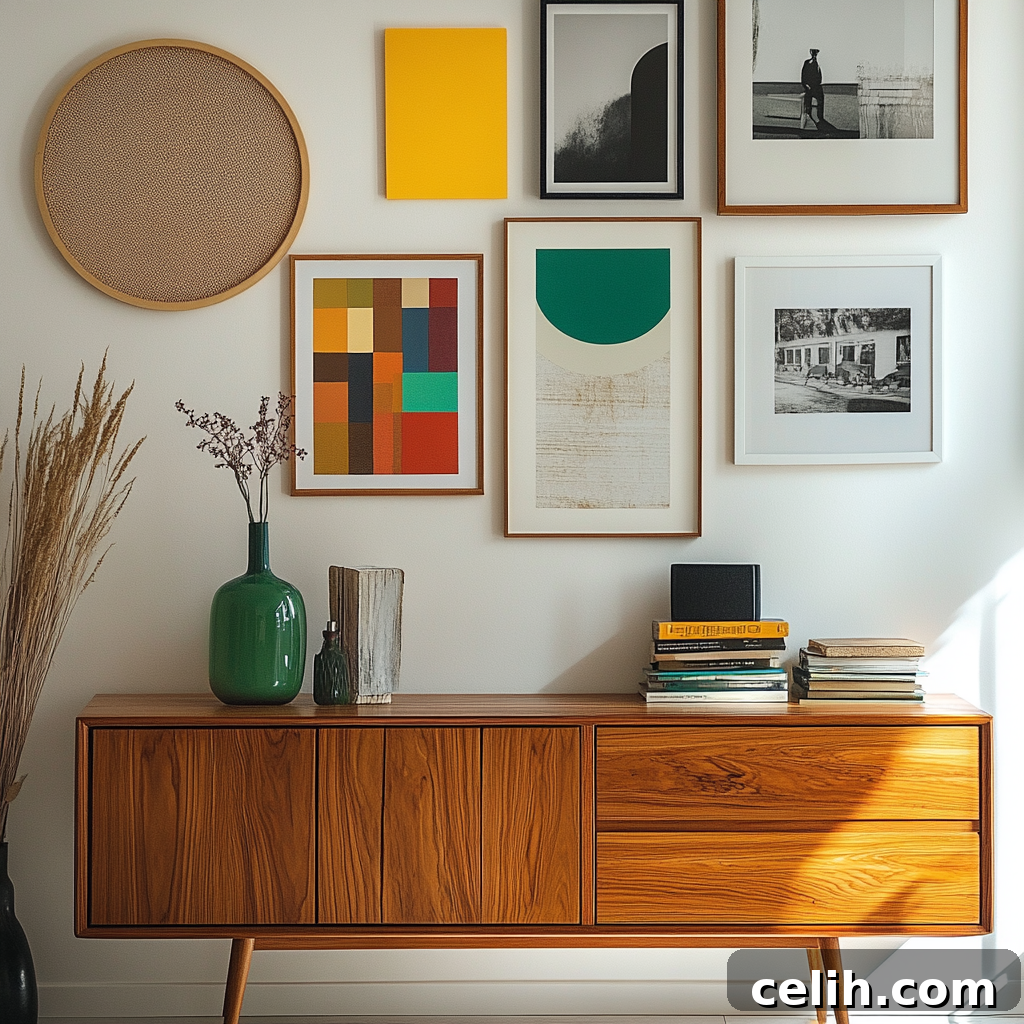
There’s an undeniable charm that emanates from furniture with a past. Imagine a robust sideboard, its polished surface bearing the subtle marks of decades of family gatherings, or a distinguished desk that has silently witnessed countless letters penned, designs sketched, and dreams nurtured. These pieces, particularly mid-century furniture and vintage furniture, do more than just fill a space; they infuse modern interiors with a profound sense of soul and history. They are not merely functional objects but storytellers, silent witnesses to bygone eras, bringing warmth, personality, and a unique narrative to contemporary homes. In an age of mass production, blending these character-rich finds into our living spaces allows us to forge environments that feel authentically personal, deeply lived-in, and imbued with an irreplaceable sense of warmth. If you’ve been captivated by the idea of introducing such distinctive character into your interiors but find yourself unsure where to begin, this comprehensive guide will illuminate the art of styling your space with timeless vintage treasures and iconic mid-century classics.
Elevate Your Home: A Guide to Styling with Mid-Century and Vintage Furniture
Embracing mid-century and vintage pieces in your home decor is more than just a trend; it’s a commitment to sustainability, individuality, and timeless design. These furnishings offer superior craftsmanship, unique aesthetics, and a narrative that simply cannot be replicated by new items. From Scandinavian simplicity to industrial chic, the spectrum of vintage styles allows for endless creative expression, transforming mundane rooms into captivating havens. Let’s explore how to strategically incorporate these magnificent finds into your home, turning every corner into a statement of your personal style.
1. Choose Statement Pieces That Anchor the Room with History
When curating a space, certain pieces possess the inherent ability to command attention and define the room’s character. Few items exemplify this better than a mid-century sideboard. Renowned for their impeccably clean lines, rich wooden tones—often teak, rosewood, or walnut—and unparalleled practicality, these sideboards are a hallmark of enduring design. Their versatility allows them to seamlessly integrate into various settings, performing beautifully in dining rooms as a buffet, in living spaces as an entertainment unit or display console, or even in hallways as a sophisticated storage solution. The beauty of a mid-century sideboard lies in its balance of form and function; it offers ample storage without sacrificing aesthetic appeal. To truly make it a focal point, adorn its surface with carefully selected items: lush indoor plants that bring life and texture, a striking piece of contemporary or vintage artwork, or a thoughtfully curated collection of ceramic vases and sculptural objects. These elements work in harmony to draw the eye, creating a captivating vignette that speaks volumes about your taste and appreciation for design heritage. Consider the scale of your room and the sideboard; a larger piece can anchor a spacious wall, while a more compact design might be perfect for a cozy nook.
2. Mix and Match Your Seating for Eclectic Harmony
One of the most exciting aspects of decorating with vintage chairs is the freedom to combine diverse styles for an interior that feels uniquely yours. Forget the need for matching sets; instead, embrace an eclectic yet cohesive approach to seating. From the sleek, minimalist profiles of Danish teak dining chairs to the robust, inviting curves of 20th-century armchairs like those by Ercol or G-Plan, the possibilities are endless. Don’t shy away from mixing different wood tones—the warm glow of teak alongside the darker richness of walnut or the lightness of beech creates visual interest. Similarly, experimenting with upholstery textures, from luxurious velvet to tactile wool or durable leather, adds layers of depth and personality to any room. The key to successful mixing lies in finding a common thread, be it a complementary color palette, a consistent level of formality, or a shared design era. For instance, pairing a classic mid-century lounge chair with a couple of industrial-style dining chairs around a modern table can create a dynamic and engaging dining area. In a living room, a vintage armchair can serve as a cozy reading nook, while a set of Danish dining chairs can frame a stunning mid-century table. This thoughtful layering of different styles and materials ensures your space feels curated, sophisticated, and authentically lived-in.
3. Create a Workspace You Love with Vintage Inspiration
With the rise of remote work, the home office has evolved from a mere utility space into a central hub of productivity and creativity. Consequently, a desk is no longer just a piece of furniture; it’s a daily companion, an inspiring backdrop for your professional endeavors. A vintage desk offers far more than simple functionality; it injects a significant dose of design heritage and unparalleled craftsmanship into your workspace. Unlike contemporary mass-produced options, vintage desks often feature thoughtful details like hidden compartments, intricate joinery, and durable finishes that speak to an era of quality manufacturing. Whether it’s a minimalist Danish modern writing desk, a practical and compact drop-leaf desk, or a grand executive model, a vintage piece can transform your workspace into a truly inspiring environment. To complete this sanctuary of productivity, pair your vintage desk with an ergonomic yet stylish chair that offers both comfort for long hours and complements the desk’s aesthetic. Consider a modern, adjustable office chair in a neutral tone to provide contrast, or opt for a vintage office chair that has been reupholstered for comfort and updated style. Surround your vintage desk with personal touches—perhaps a mid-century lamp, a vintage pencil holder, or a small plant—to create a workspace that you genuinely look forward to using each day, fostering focus and creativity.
4. Rethink Storage as a Design Feature
In many homes, storage is often viewed as a purely practical necessity, frequently relegated to bland, functional units. However, vintage and mid-century design challenges this notion, proving that storage solutions can be both exquisitely beautiful and remarkably practical. Move beyond the ubiquitous modern flat-pack furniture and explore the world of vintage storage. Imagine the elegant display offered by glazed bookcases, where your cherished book collection becomes part of the decor. Consider the timeless appeal and robust construction of a classic chest of drawers, perfect for bedrooms or hallways, providing ample storage with a touch of antique charm. Or, for a truly iconic mid-century statement, opt for modular systems like Ladderax shelving or G-Plan units. These adaptable systems allow you to customize your storage needs with shelves, cabinets, and drawers, all within a striking framework that doubles as a piece of art. These vintage pieces not only offer exceptional durability, built to last generations, but also boast unique design details—distinctive handles, elegant tapered legs, and rich wood grains—that immediately elevate a room. Beyond their aesthetic appeal, they are champions of organization, helping to keep your home tidy and harmonious while adding significant character and a story to your interiors. Use open shelving to display curated collections and closed compartments to discreetly tuck away clutter.
5. Layer in Homewares for Character and Ambiance
While larger furniture pieces establish the foundation of your decor, it’s the finishing touches—the mid-century and vintage homewares—that truly layer in character and complete the aesthetic. These smaller, often overlooked items possess the power to entirely transform the feel of a space, injecting personality and warmth. Lighting, in particular, is crucial; a statement floor lamp or a sculptural table lamp not only provides essential illumination but also acts as a piece of art, adding ambience and becoming an instant conversation starter. Think of iconic designs like an arc lamp casting a dramatic glow or a Sputnik chandelier providing retro flair. Beyond lighting, consider the impact of vintage ceramics—from earthy studio pottery to sleek, colorful vases—or elegant glass objects that catch and refract light beautifully. Textiles, such as woven rugs, cushions with geometric patterns, or vintage throws, can introduce texture and color, softening lines and adding comfort. Artwork, whether abstract mid-century prints or framed vintage posters, contributes to the room’s narrative. Even small, utilitarian items like vintage clocks, bookends, or decorative trays can tie the room together, showcasing your meticulous eye for detail. By thoughtfully layering these distinctive homewares, you can create a cohesive design that feels rich, inviting, and deeply personal.
6. Where to Find Your Vintage Treasures
Embarking on the quest for vintage and mid-century furniture is part of the adventure. Knowing where to look can make all the difference. Start your search at local antique shops, which often curate a selection of well-maintained pieces. Flea markets and car boot sales can be goldmines for hidden gems, though they require patience and an keen eye. Online marketplaces, such as eBay, Etsy, and dedicated vintage furniture platforms, offer a vast selection from sellers worldwide. For higher-end or professionally restored pieces, specialist vintage furniture dealers are an excellent resource, often providing expertise and authenticity guarantees. Don’t overlook estate sales, auctions, or even local charity shops, where you might stumble upon unique items at incredible prices. Always remember to inspect items thoroughly for condition, craftsmanship, and any necessary repairs before purchasing. A little research into specific designers or eras you admire can also guide your search and help you identify quality pieces.
7. Caring for Your Vintage Finds: Ensuring Longevity
Once you’ve invested in these beautiful pieces of history, proper care is essential to ensure their longevity. Vintage furniture often boasts superior construction, but it still requires attention. For wooden furniture, regular dusting with a soft cloth and occasional polishing with a good quality wood oil or wax can keep the wood nourished and prevent drying out. Avoid harsh chemical cleaners, which can strip finishes. For upholstered items, vacuum regularly and address spills immediately with appropriate fabric cleaners. Keep all vintage pieces out of direct sunlight to prevent fading and away from direct heat sources to avoid warping or cracking. Minor scratches or wear can often be embraced as part of the piece’s patina and story, but for more significant damage, consider consulting a professional furniture restorer. With a little care, your vintage and mid-century furniture will continue to tell its story and grace your home for many years to come.
Making It Yours: A Space with Soul and Story
The inherent beauty of mid-century and vintage furniture lies in its individuality. No two pieces are ever exactly the same; each carries a unique history, a distinctive patina, and the subtle marks of its past life. These details are not imperfections but rather cherished testaments to the craftsmanship of another time, providing character that modern furniture struggles to replicate. By thoughtfully mixing iconic statement items with functional staples and carefully chosen homewares, you can transcend transient trends and create a space that is both effortlessly stylish and profoundly personal. It becomes a vivid reflection of your taste, your values, and the captivating stories you wish to tell. More than just decorating, incorporating vintage pieces is an act of curation, sustainability, and self-expression, resulting in a home that feels authentic, inspiring, and uniquely yours.