
In an era defined by fluctuating economic landscapes and a growing emphasis on environmental stewardship, the pursuit of ways to reduce household expenses has become more critical than ever. While mindful shopping and optimizing transportation are common strategies, your home offers a significant, often overlooked, frontier for savings: energy consumption. By implementing smart practices and making strategic upgrades, homeowners can unlock substantial savings on utility bills, enhance comfort, and contribute positively to the planet.
Reducing energy consumption within your household isn’t just about cutting costs; it’s about fostering a more sustainable lifestyle and increasing your home’s overall efficiency and value. From simple daily adjustments to more significant investments in energy-saving technologies, a multitude of straightforward and effective approaches exist, many of which are often overlooked. This comprehensive guide will equip you with actionable tips and insights for significantly lowering energy costs on your property, ensuring a more comfortable and economically sound living environment.
1. Cultivate Energy-Saving Routines and Habits
One of the most immediate and impactful ways to reduce energy consumption begins with your daily habits. It starts with the simple, yet profound, act of switching off lights and electric appliances whenever they are not in use. Beyond just turning them off, consider unplugging devices that draw “phantom load” or “vampire energy,” even when they’re off. Common culprits include phone chargers, televisions, computers, and kitchen appliances. These items continuously consume small amounts of power when plugged in, cumulatively adding to your electricity bill over time.
Embracing manual alternatives for certain household tasks can also yield significant savings. For instance, hand washing clothes and hanging them to air dry on a clothesline or drying rack eliminates the high energy consumption of washing machines and dryers, especially for smaller loads. Similarly, consider hand washing dishes or only running your dishwasher when it’s completely full. In the bathroom, try to reduce shower times. Four minutes is often cited as an optimal length, not just for water conservation but also for the energy required to heat that water. Minimizing the use of high-energy consuming kitchen appliances, such as electric kettles for small amounts of water or ovens for small meals, and instead opting for a microwave or stovetop, can also make a difference. Using less hot water overall throughout your home will directly reduce the energy demands on your water heater, a major energy consumer.
2. Invest in Energy-Efficient Appliances
Upgrading to energy-saving appliances represents a significant step towards long-term energy reduction. Modern appliances bearing the ENERGY STAR label are designed to operate with significantly less electricity than their older counterparts, sometimes cutting usage by half or more. While the initial purchase price for these advanced models might be slightly higher than conventional alternatives, the long-term savings on your utility bills often outweigh the upfront cost, making them a wise financial investment.
From refrigerators and dishwashers to washing machines and ovens, virtually every home appliance now comes in an energy-efficient version. These appliances incorporate innovative technologies to optimize performance while minimizing power draw. Installing energy-saving home appliances not only conserves valuable energy resources but also serves as a fantastic way to improve your home’s overall efficiency and comfort. Consulting with certified technicians or energy auditors can provide valuable advice on selecting the most suitable and cost-effective energy-efficient appliances for your specific needs and household size.
3. Transform Your Lighting with LED Technology
One of the simplest and most cost-effective upgrades you can make is switching from traditional halogen bulbs to LED (Light Emitting Diode) lights. LEDs are revolutionary in their energy efficiency, consuming dramatically less electricity – up to 75-80% less – than incandescent or halogen bulbs. Beyond their impressive energy savings, LED lights boast an exceptionally long lifespan, lasting up to 25 times longer than traditional bulbs, which means fewer replacements and less waste.
Furthermore, LED lights are remarkably versatile, available in a vast array of designs, color temperatures, and brightness levels to suit any aesthetic or functional requirement. They emit very little heat, which can also contribute to lower cooling costs during warmer months by reducing the heat load within your home. The affordability of LED bulbs combined with their myriad benefits makes them an indispensable component of any home energy-saving strategy. Switch to LED bulbs and fixtures throughout your home, including outdoor lighting, to immediately see a reduction in your electricity usage.
4. Optimize Climate Control with Smart Thermostats
Your thermostat plays a pivotal role in your home’s energy consumption, particularly concerning heating and cooling. Simply adjusting your thermostat to more energy-efficient temperatures can significantly minimize energy use. During winter, try setting your thermostat a few degrees lower, especially when you’re away or asleep. In summer, raise the temperature a few degrees to reduce air conditioning demands.
For enhanced savings and convenience, investing in a programmable or smart thermostat is highly recommended. Advanced models, such as those offered by reputable providers like RMS Heating and Cooling, offer sophisticated features. These devices can learn your household’s patterns, automatically adjust temperatures based on occupancy, or be controlled remotely via a smartphone app. This intelligence ensures that your home isn’t being unnecessarily heated or cooled when no one is home, drastically reducing wasteful energy use and optimizing comfort only when needed. Smart thermostats offer granular control, providing detailed energy usage reports that can help you identify further opportunities for savings.
5. Maintain and Upgrade Your HVAC System for Peak Efficiency
Your heating, ventilation, and air conditioning (HVAC) system is arguably the largest energy consumer in your home, accounting for a significant portion of your utility bills. Faulty, aging, or poorly maintained HVAC systems are notorious for their inefficiency, requiring more power to achieve desired indoor temperatures. For instance, a struggling heating system will consume excessive electricity to warm your home in winter, while an old air conditioning unit will labor longer and use more energy to cool your home in summer, directly resulting in inflated electricity expenses.
Regular maintenance, such as changing air filters monthly and scheduling annual professional tune-ups, is crucial for keeping your HVAC system running efficiently. However, if your system is old, a significant reduction in power consumption can be achieved by upgrading to a newer, high-efficiency HVAC system. Modern units come with higher SEER (Seasonal Energy Efficiency Ratio) ratings for ACs and AFUE (Annual Fuel Utilization Efficiency) ratings for furnaces, indicating their superior energy performance. Professionals such as www.actionac.net can assess your current system, advise on necessary repairs or recommend appropriate upgrades for optimal energy consumption, ultimately leading to substantial long-term savings on your energy bills and improved indoor comfort.
6. Harness the Power of Solar Energy
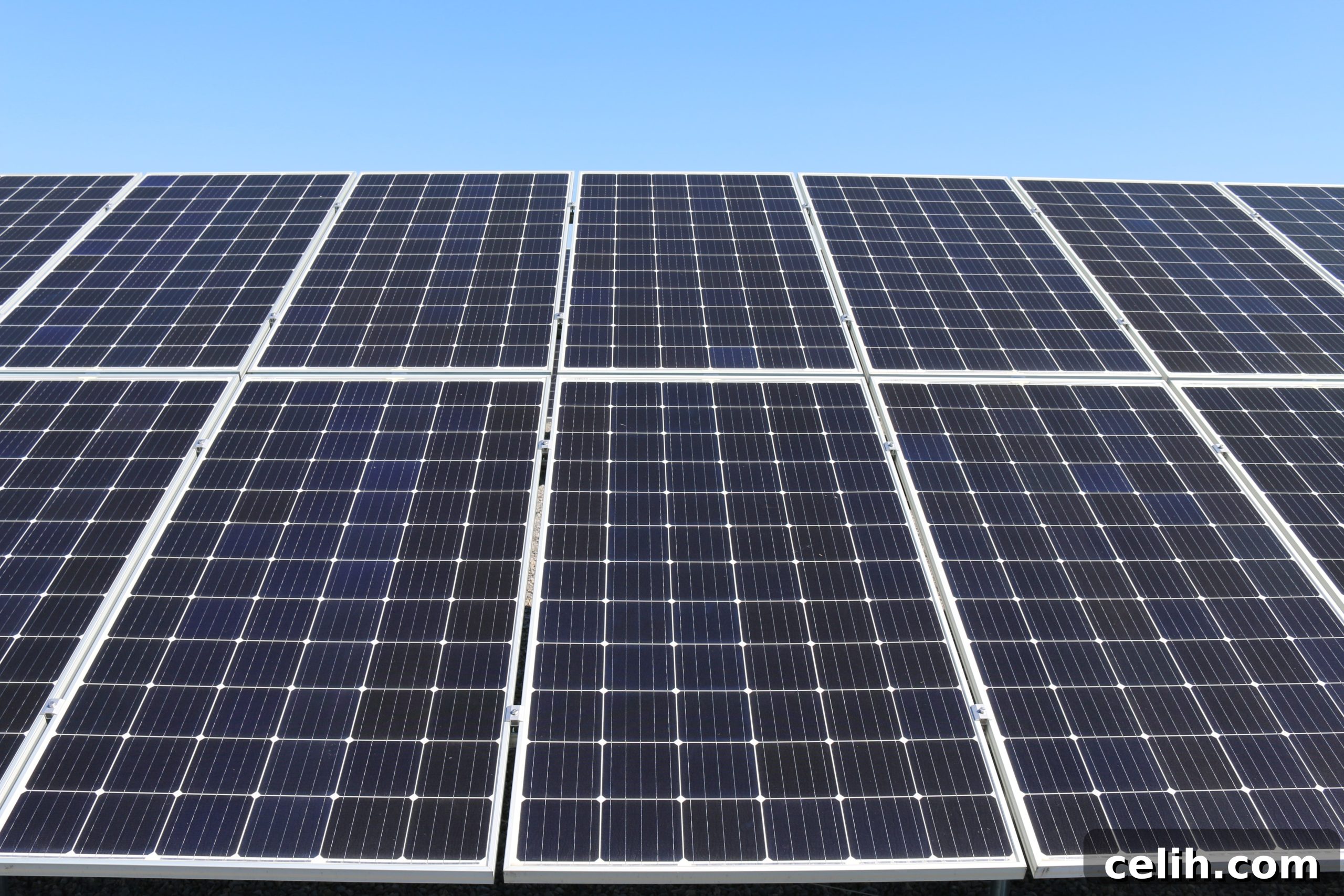
For those looking for a long-term, impactful solution to energy costs and environmental responsibility, taking advantage of solar energy is an excellent strategy. Installing solar panels on your home’s roof allows you to harvest clean, renewable energy from the sun, which can then be used to power lights, heat pumps, appliances, and even electric vehicles. While the initial investment for a solar panel system can be substantial, it is increasingly becoming an excellent financial investment due to decreasing costs, government incentives, and the significant long-term savings it provides on energy expenses.
Beyond the financial benefits, adopting solar energy dramatically reduces your carbon footprint, contributing directly to a healthier planet. Many regions offer various incentives, such as tax credits, rebates, and net metering programs, which can further offset the upfront costs and even allow you to sell excess electricity back to the grid. Pairing solar panels with battery storage solutions can provide even greater energy independence and resilience during power outages, making solar energy a powerful and sustainable choice for modern homeowners.
7. Enhance Home Insulation and Seal Air Leaks
Even the most efficient HVAC system will struggle if your home isn’t adequately insulated or if air leaks are prevalent. Poor insulation and drafts allow heated or cooled air to escape, forcing your system to work harder and consume more energy. Focus on key areas: the attic, walls, and crawl spaces. Upgrading attic insulation to recommended R-values can prevent substantial heat loss in winter and heat gain in summer. Similarly, insulating walls, especially in older homes, can dramatically improve thermal performance.
Beyond insulation, identifying and sealing air leaks is paramount. Common culprits include gaps around windows and doors, plumbing penetrations, electrical outlets, and ductwork. Use weatherstripping for movable components like doors and windows, and caulk for stationary gaps and cracks. Sealing these leaks can prevent significant energy waste, making your home feel more comfortable and your HVAC system more efficient. Consider an energy audit to precisely pinpoint air leakage areas.
8. Optimize Water Heating Efficiency
Heating water accounts for a substantial portion of a household’s energy use, typically second only to heating and cooling. Several strategies can help reduce this cost. First, consider lowering the temperature setting on your water heater to 120°F (49°C); this temperature is still hot enough for most needs and significantly reduces energy consumption compared to higher settings. Insulating older water heater tanks and hot water pipes can also prevent heat loss as water travels to faucets and appliances, ensuring more hot water reaches its destination without cooling down.
For those looking for more significant upgrades, tankless water heaters (on-demand water heaters) are an excellent option. Unlike conventional tank heaters that continuously heat a large volume of water, tankless units only heat water as it’s needed, drastically reducing standby energy losses. While the initial cost is higher, the long-term energy savings can be considerable. Furthermore, repairing leaky faucets and showerheads can prevent unnecessary hot water waste, contributing to both water and energy savings.
9. Cultivate Mindful Appliance Use
Beyond investing in energy-efficient appliances, using them mindfully can further enhance your savings. For washing machines and dishwashers, always run full loads. This ensures you’re maximizing the energy used per cycle rather than running multiple partial loads. When cooking, use lids on pots and pans to trap heat, which helps food cook faster and uses less energy. For smaller meals, microwaves are generally more energy-efficient than conventional ovens.
Defrost frozen foods in the refrigerator overnight instead of using a microwave or hot water, saving energy and ensuring food safety. After cooking, turn off exhaust fans once they’ve served their purpose, as they can draw conditioned air out of your home. Finally, regularly clean the coils on your refrigerator and freezer; dusty coils make the appliance work harder, consuming more electricity to maintain internal temperatures.
10. Leverage Strategic Landscaping for Energy Savings
Believe it or not, the landscaping around your home can play a crucial role in regulating indoor temperatures and reducing energy consumption. Strategically planting deciduous trees (those that lose their leaves in winter) on the south and west sides of your home can provide excellent shade during the hot summer months, significantly reducing the need for air conditioning. In winter, once the leaves fall, these trees allow sunlight to penetrate and naturally warm your home.
Evergreen trees planted on the north and west sides can act as windbreaks, deflecting cold winter winds away from your house and reducing heat loss. Climbing vines on trellises can also shade walls during summer. These natural barriers minimize your home’s exposure to extreme temperatures, easing the workload on your HVAC system and leading to tangible savings on your utility bills. Landscaping offers an aesthetically pleasing and environmentally friendly way to bolster your home’s energy efficiency.
Reducing energy consumption at home is a multifaceted endeavor that offers substantial benefits beyond just saving money. It helps protect the environment, enhances your home’s comfort, and can even increase its market value. Furthermore, many energy-efficient home improvements can qualify for valuable tax benefits and rebates. By diligently applying these tips and embracing a more energy-conscious lifestyle, you can transform your home into a beacon of efficiency and sustainability, leading to a more comfortable living environment and significantly lower energy costs for years to come.