

A home’s curb appeal is undeniably the first impression it makes – a visual narrative that begins the moment visitors, potential buyers, or even just passersby approach your property. It’s the silent greeting, the initial handshake that sets the tone for what lies within. More than just a pretty facade, exceptional curb appeal signifies a well-cared-for home, hinting at the attention to detail and pride of ownership that can profoundly influence perception. Investing in your home’s exterior isn’t merely about aesthetics; it’s a strategic move to boost property value, enhance marketability, and create a more enjoyable living environment for yourself and your loved ones.
From lush landscaping to striking architectural features, countless elements contribute to this vital aspect of home ownership. A house with strong curb appeal doesn’t just look good; it communicates warmth, welcome, and meticulous upkeep. It suggests that the beauty extends beyond the surface, reflecting a dedication to maintaining and enhancing the entire property. In the competitive real estate market, a captivating exterior can be the deciding factor, drawing potential buyers in and making them eager to see more. For those not looking to sell, it provides immense personal satisfaction, turning a house into a truly inviting home.
Achieving outstanding curb appeal doesn’t always necessitate a complete overhaul. Often, it’s about thoughtful upgrades, strategic improvements, and consistent maintenance. This article explores several creative and impactful ways to elevate your home’s exterior, ranging from charming pathways to elegant outdoor living spaces. We’ll delve into ideas that not only enhance visual appeal but also add practical value and functionality to your property, ensuring your home stands out for all the right reasons.
Gravel Walkway: Rustic Charm Meets Practicality
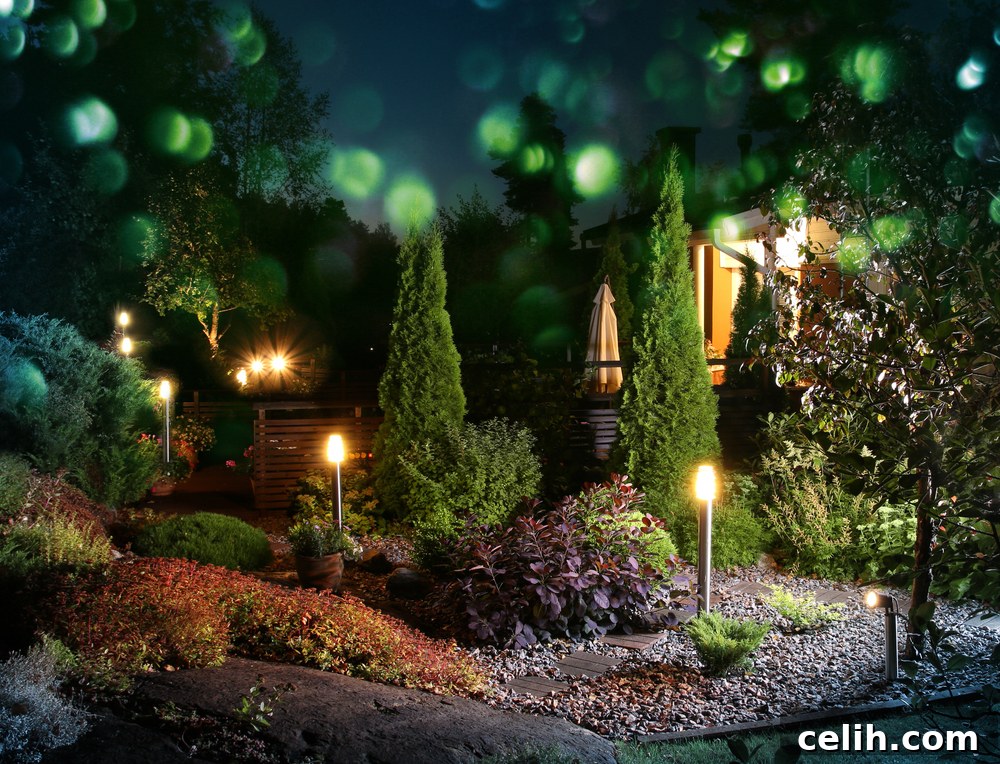
If you’re seeking to infuse your home’s exterior with an undeniable sense of natural beauty, elegance, and rustic charm, a gravel walkway is an excellent choice. Far from being a mere functional path, a well-designed gravel walkway can become a significant aesthetic asset, guiding visitors with an inviting and visually appealing approach to your front door or garden spaces. Gravel offers a compelling blend of durability and natural appeal, making it a favorite among homeowners looking to connect their indoor and outdoor living areas seamlessly without compromising on practicality.
One of the primary advantages of gravel is its versatility and cost-effectiveness. It’s a relatively inexpensive material compared to paving stones or concrete, yet it delivers a high-end look. The market offers a vast array of gravel options, varying in color, size, shape, and texture. From the smooth, rounded pebbles of pea gravel that create a soft, natural feel, to the sharper, angular shards of crushed granite that offer a more contemporary edge, homeowners have the creative freedom to select materials that perfectly complement their home’s architectural style and existing landscape. This diversity allows for the creation of truly unique and visually stunning designs, all while keeping project costs comfortably within budget.
Beyond its aesthetic and economic benefits, gravel walkways boast impressive environmental advantages. They are inherently permeable, meaning they allow rainwater to seep directly into the ground rather than running off, which helps replenish groundwater, reduces stormwater runoff, and mitigates erosion. This permeability also makes gravel a fantastic option for sustainable landscape design. Furthermore, gravel requires minimal maintenance compared to other paving options. Regular raking to keep it level and clear of debris, along with occasional weed control, is typically all that’s needed. Since it’s a natural resource, gravel is also recyclable, adding another layer of environmental responsibility to your home improvement project. The low-maintenance aspect translates into more free time for you, allowing you to enjoy your beautiful surroundings rather than constantly tending to them. Consider adding landscape lighting along your gravel path to enhance its beauty and safety during the evening hours, creating a truly enchanting welcome.
Stone Retaining Walls: Functionality Meets Timeless Elegance
Stone retaining walls are far more than just structural elements; they are architectural statements that bring an unparalleled level of sophistication and natural beauty to your landscape. While the initial investment for a high-quality stone retaining wall can be significant, the long-term benefits in terms of visual appeal, property value, and functional utility make them an incredibly worthwhile endeavor. A well-constructed stone retaining wall doesn’t just hold back soil; it sculpts the terrain, creates defined garden beds, prevents erosion, and introduces fascinating vertical interest to your property.
Before embarking on the construction of a stone retaining wall, several critical factors warrant careful consideration:
- Stone Selection: The choice of stone is paramount to the wall’s aesthetic integration and overall character. Opting for local rocks or stones that naturally complement the geological characteristics and architectural style of your region is highly recommended. Using local materials not only helps to reduce transportation costs and environmental impact but also imbues your project with an authentic sense of place and unique character. Options range from rugged fieldstone for a rustic look to finely cut flagstone for a more formal appearance, or even durable boulders for a dramatic impact. Consider the color palette and texture of the stone, ensuring it harmonizes with your home’s exterior and surrounding vegetation.
- Maintenance Requirements: The level of maintenance a stone retaining wall demands largely depends on its design and the type of stone used. Walls constructed with a more naturalistic, dry-stacked, or rustic appearance, using irregular stones, often require minimal upkeep over time. The beauty of these walls lies in their organic evolution, often blending seamlessly with the natural landscape. However, if you opt for a more formal, mortared design with precisely cut, large pieces of stone that create a prominent feature, occasional cleaning to prevent moss or algae growth, repointing mortar joints, and inspecting for any shifting or damage might be necessary. Proper drainage behind the wall is crucial for longevity, preventing hydrostatic pressure that can lead to structural issues and increasing the wall’s lifespan significantly. Planning for proper drainage during installation will dramatically reduce future maintenance concerns.
- Functional Purpose: Beyond aesthetics, consider the wall’s primary function. Is it to prevent soil erosion on a sloped yard, create level garden terraces, define property boundaries, or perhaps build a raised planting bed? The functional requirements will influence the wall’s height, strength, and construction method. For taller walls or those holding back significant earth, engineering considerations and professional installation become crucial for safety and stability.
- Professional vs. DIY: While smaller, decorative retaining walls might be a feasible DIY project for experienced homeowners, larger or structurally significant walls often require professional expertise. A landscape architect or experienced contractor can ensure proper foundation, drainage, and structural integrity, preventing costly issues down the line.
By carefully planning these aspects, a stone retaining wall will not only serve its practical purpose but also become a stunning, enduring feature that significantly enhances your property’s curb appeal and market value.
Outdoor Fireplace or Fire Pit: Extending Your Living Space

An outdoor fireplace or fire pit represents more than just a source of warmth; it’s a magnet for social gatherings, a focal point for relaxation, and a superb way to extend your home’s usable living space into the cooler months. Imagine cozy evenings spent under the stars, sharing stories and laughter with friends and family around a flickering fire. This addition can transform a simple patio or backyard into a luxurious and inviting outdoor retreat, significantly boosting your home’s appeal and functionality.
Before making a purchase or beginning construction, it’s paramount to thoughtfully consider the specific characteristics of your yard and the available space. The size and layout of your outdoor area will dictate whether a grand outdoor fireplace or a more compact fire pit is suitable. Ensure there is ample room around the chosen feature for comfortable seating, allowing guests to relax without feeling too close to the flames. Safety is always the top priority, so maintain generous clearance from any flammable structures, overhanging trees, or combustible materials. Local building codes and HOA regulations regarding open flames and construction should also be thoroughly checked and adhered to.
Consider the typical number of people who will be using this outdoor area. A larger gathering will necessitate a larger fire feature and more extensive seating arrangements. If children will be playing in the vicinity, extra precautions must be taken to ensure they maintain a safe distance from the fire. Barriers or designated play zones might be necessary. The type of fuel is another important decision: wood-burning options offer traditional crackling sounds and smoky aromas, while natural gas or propane fire pits provide instant heat, cleaner burning, and easier operation. The choice often depends on convenience, local regulations, and personal preference.
Once you have assessed your space, considered safety precautions, and decided on the ideal fuel type, it’s time to select a design that best aligns with your interior decorating style and the overall aesthetic of your home. Outdoor fireplaces and fire pits come in a myriad of materials and styles – from rustic stone and brick that blend with traditional homes to sleek, modern concrete or metal designs for contemporary residences. Integrated seating, such as built-in benches or retaining walls that double as seating, can further enhance the area’s functionality and appeal. Professional installation is highly recommended for gas lines and structural fireplaces to ensure safety and compliance with all regulations. With careful planning, an outdoor fireplace or fire pit becomes an invaluable asset, enriching your lifestyle and significantly increasing your home’s curb appeal and perceived value.
French Windows With Shutters: Classic Elegance and Enhanced Connectivity
French windows, characterized by their large, double-hung design that typically opens outward, are timeless architectural features that instantly elevate a home’s curb appeal. They are often found on both sides of a home, beautifully framing views of your yard, garden, or even the bustling street outside. Beyond their striking aesthetic, French windows, especially when paired with complementary shutters, offer a multitude of benefits that make them a highly desirable addition to any property.
These elegant windows are renowned for their unique look and feel. Traditionally crafted from wood, they exude a classic sophistication and warmth that is often hard to replicate with other types of window treatments. Their design allows for maximum natural light penetration, flooding interior spaces with sunlight and creating a bright, airy atmosphere. When opened, they provide exceptional ventilation, inviting fresh air into your home and creating a seamless transition between indoor and outdoor living areas. This strong visual and physical connection to the outdoors is one of their most celebrated attributes, making your home feel more spacious and integrated with its surroundings.
While their sophisticated appearance might suggest complex installation, French windows are relatively straightforward to install for those with basic carpentry skills or, more commonly, by professional window installers. The process typically involves using basic tools such as screwdrivers, along with wooden boards for framing around each side panel (or “jamb”) and screws long enough to securely fasten the window units into the jambs. However, considering the precision required for proper sealing and insulation, professional installation is often the best choice to ensure energy efficiency and long-term performance. Proper installation prevents drafts, ensures smooth operation, and maintains the integrity of your home’s envelope.
The addition of shutters further enhances the charm and functionality of French windows. Shutters come in various styles – louvered, panel, or Bermuda – and can be made from wood, composite, or vinyl. They serve both functional and decorative purposes. Functionally, shutters provide an extra layer of privacy, protection from the elements, and even improved energy efficiency by offering additional insulation. Decoratively, they add texture, color, and a distinctive architectural detail that significantly boosts curb appeal. Whether left open to frame the windows or closed for privacy and protection, shutters contribute to a sophisticated, well-dressed look that speaks volumes about the home’s character. Regular cleaning and occasional painting or staining are typically all that’s needed to keep both your French windows and their shutters looking pristine, preserving their beauty and functionality for years to come.
A Fountain: A Symphony of Sight and Sound
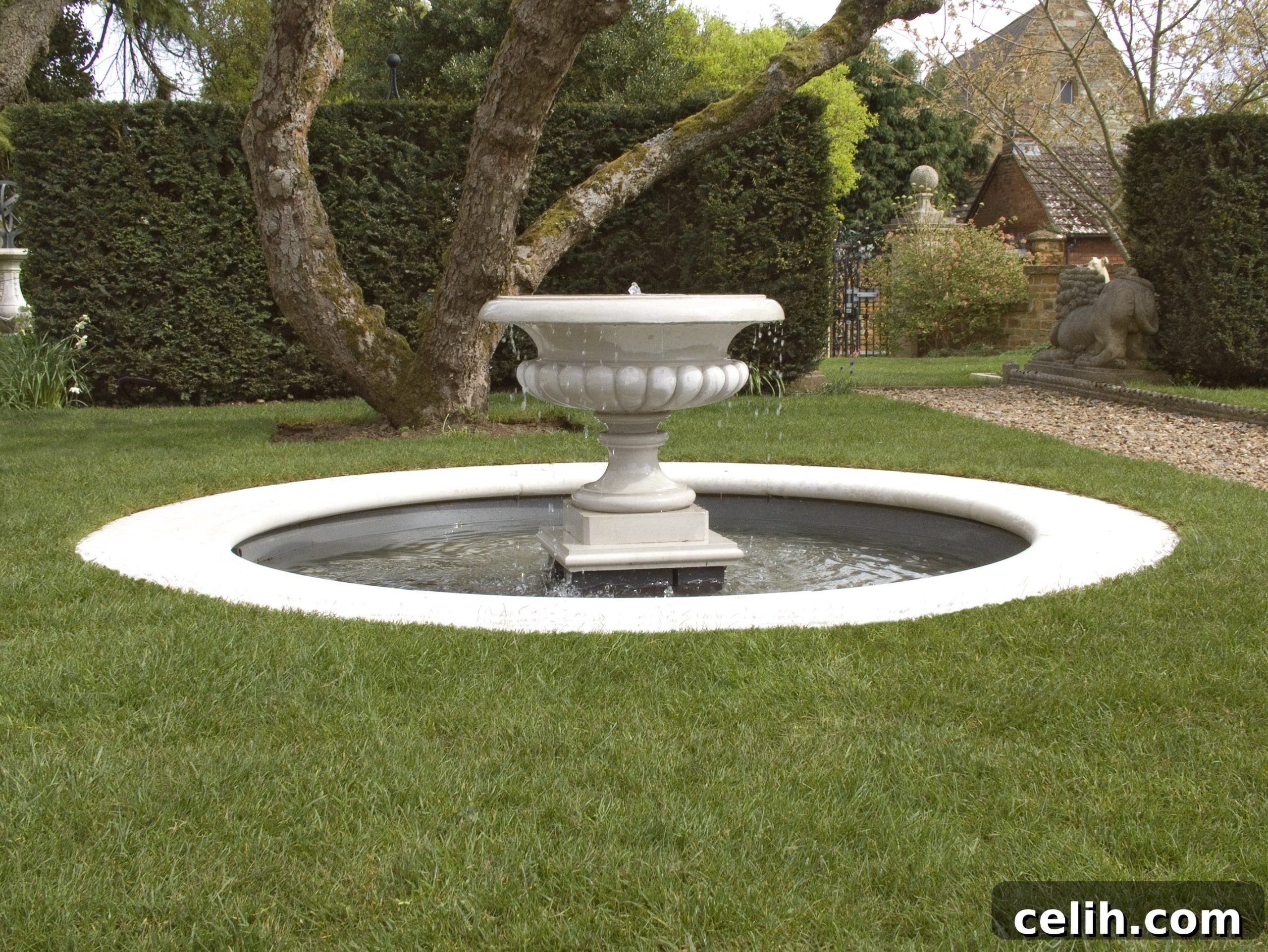
A beautifully designed and strategically placed fountain is an exceptional addition to any home, transcending mere decoration to become a multi-sensory focal point that enriches the entire outdoor environment. Fountains provide a captivating visual centerpiece, drawing the eye and adding an element of serene elegance to your landscape. Beyond their aesthetic charm, they offer a host of practical benefits: they can contribute to keeping your plants watered through splash and humidity, help cool your home and surrounding microclimate, and most notably, introduce the soothing, rhythmic sound of flowing water.
This gentle auditory element can be incredibly calming, masking unwanted neighborhood noise and creating a tranquil oasis perfect for relaxation and meditation. A well-placed fountain will undoubtedly draw the attention and admiration of passersby, prompting them to pause and appreciate its beauty, thereby adding significant perceived value to your property. The allure of running water also attracts local wildlife, particularly birds, transforming your garden into a lively sanctuary.
The key to successfully integrating a fountain into your landscape lies in selecting one that perfectly complements your home’s scale and architectural style, and then positioning it with careful consideration. The challenge is to find a fountain that neither overwhelms your house by being too large nor gets lost in the landscape by being too small. Its location is equally crucial; it should be prominent enough to be admired but not placed in an awkward spot that hinders pedestrian flow or makes it difficult for people walking by to fully appreciate its splendor. Consider visibility from key vantage points, both inside and outside your home, and ensure easy access for maintenance.
Fountains come in a vast array of types and styles, from classic tiered designs and elaborate sculptural pieces to minimalist modern structures and humble bubbling rocks. Pondless fountains, for instance, offer the beauty and sound of water without the maintenance of an open pond, making them ideal for smaller spaces or homes with children and pets. Wall-mounted fountains can add elegance to a courtyard or patio, while freestanding models can anchor a garden bed or lawn. Regardless of the type, it’s essential to choose one with ample sound-dampening capabilities, or at least one whose water flow can be adjusted. While the gentle burble of water is desirable, an excessively loud gush at full blast could annoy neighbors or passersby, detracting from the peaceful ambiance you aim to create. Regular maintenance, including cleaning, replenishing water, checking pumps, and winterizing in colder climates, will ensure your fountain remains a source of beauty and tranquility for years to come.
Final Word: The Enduring Value of Curb Appeal
In essence, curb appeal extends far beyond a merely attractive facade; it is a profound reflection of your home’s character, maintenance, and overall value. Whether your goal is to list your property on the market or simply to cultivate a more beautiful and enjoyable living space for yourself, ensuring your property looks its absolute best from the street is an investment that consistently yields impressive returns. A striking exterior communicates care, pride, and attention to detail, making a powerful statement before anyone even steps foot inside.
For prospective buyers, a captivating exterior can be the pivotal element that prompts them to schedule a viewing, ultimately influencing their initial perception of the home’s worth and desirability. It sets a positive emotional tone that can carry through the entire showing process. For those who have no immediate plans to sell, the benefits are equally significant. Having meticulously maintained landscaping, thoughtfully chosen exterior features, and compelling curb appeal enhances daily living, fostering a sense of pride and comfort. It transforms a house into a sanctuary, a place you are always delighted to return to and share with others. Furthermore, these improvements contribute to the overall value of your home, appreciating your asset even as you continue to enjoy it.
From the inviting crunch of a gravel walkway to the soothing trickle of a garden fountain, each enhancement discussed—be it a sturdy stone retaining wall, an enchanting outdoor fire feature, or classic French windows with shutters—plays a vital role in crafting an exterior that is both visually stunning and highly functional. These elements collectively contribute to a cohesive design that not only pleases the eye but also improves the quality of your outdoor living experience. By taking the time to invest in your home’s curb appeal, you’re not just making aesthetic upgrades; you’re investing in your lifestyle, your property’s future, and the lasting impression it leaves on everyone who encounters it.