
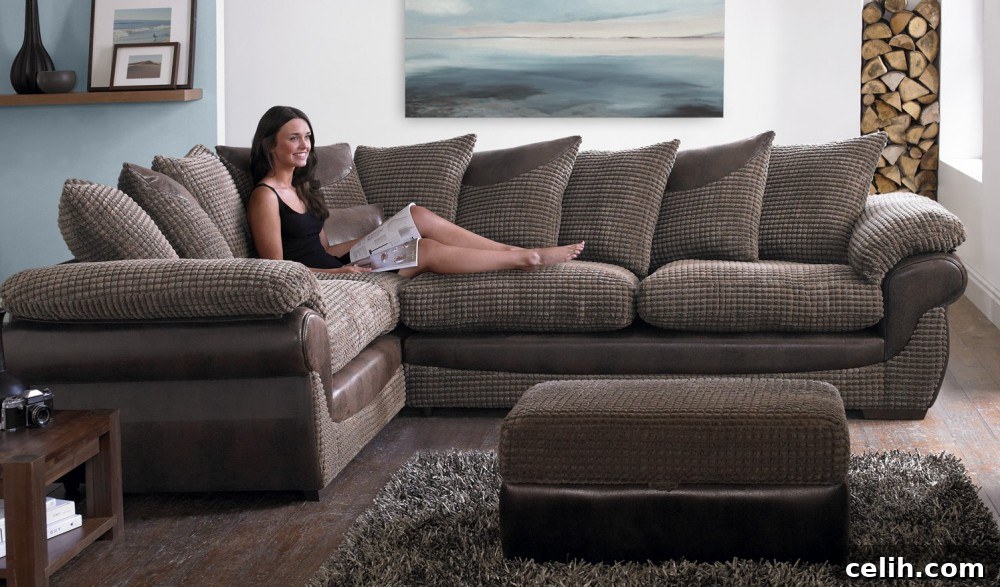
The Ultimate Guide to Buying Your Perfect Sofa: A Comprehensive Checklist
A sofa is more than just a piece of furniture; it’s the heart of your living room, a place for relaxation, social gatherings, movie nights, and quiet contemplation. Given its central role and significant investment, choosing the right sofa requires careful consideration. Whether you’re furnishing your first home or simply upgrading an old favorite, navigating the vast world of sofas can be overwhelming. This comprehensive guide will walk you through every crucial aspect, ensuring you make an informed decision that brings comfort and style to your home for years to come.
Before you embark on your quest, whether online or in a showroom, understanding the key elements that define a quality, long-lasting sofa is paramount. From the hidden structure to the visible upholstery, every detail contributes to its durability, comfort, and aesthetic appeal. Let’s delve into the essential points to consider, helping you find a sofa that perfectly fits your lifestyle, space, and budget.
Understanding Your Needs: The Foundation of Your Sofa Search
1. Define Your Budget
Setting a realistic budget is the first and most critical step when considering a new sofa purchase. Sofas vary widely in price, influenced by materials, craftsmanship, brand reputation, and size. A clear budget helps narrow down your options, preventing you from falling in love with a piece that’s out of reach or settling for something that won’t meet your expectations for quality and longevity. Remember to factor in potential delivery costs and any additional accessories like throw pillows or an ottoman, which can add to the overall expense.
2. Measure Your Space Accurately
This cannot be overstated. A sofa that’s too large can overcrowd a room, making it feel cramped and uncomfortable, while one that’s too small might look disproportionate and out of place. Measure the exact dimensions of your living area, paying special attention to doorways, stairwells, and hallways to ensure the sofa can actually get into your home and designated room without obstruction. Consider the sofa’s depth, height, and length, and use masking tape on the floor to visualize its footprint in your space. Don’t forget to account for any existing furniture you plan to keep, ensuring harmonious placement and flow.
3. Consider Your Lifestyle and Usage
Who will be using the sofa, and how often? This is crucial for determining the necessary level of durability and appropriate fabric choices.
- Families with Kids and Pets: Opt for robust, stain-resistant fabrics such as microfiber, treated synthetics, or even performance leathers. Sturdy construction is paramount to withstand daily wear and tear. Darker colors or patterned upholstery can also be more forgiving of spills and minor marks.
- Frequent Entertainers: If your sofa will be a hub for social gatherings, a larger sectional or multiple complementary seating options might be ideal. Prioritize comfort and ample space to accommodate guests comfortably.
- Quiet Retreats: If the sofa is mainly for personal relaxation and quiet evenings, ultimate comfort, softness, and plushness might be your priority. Consider deep seats and luxurious fillings.
- Sleeper Sofa Needs: If you frequently host overnight guests but lack a dedicated guest room, a high-quality sofa bed with a comfortable mattress can be a practical and versatile solution.
Think carefully about how much traffic your sofa will endure daily and choose accordingly to ensure it stands the test of time.
4. Harmonize with Your Home’s Style
Your new sofa should seamlessly complement your existing decor and personal aesthetic. Whether your home aesthetic is modern, traditional, bohemian, minimalist, or eclectic, there’s a sofa style designed to match. Pay close attention to design details such as armrests (rolled, track, flared, or pillow-top), leg styles (wooden, metal, tapered, or bun feet), and the overall silhouette of the sofa. Consider color palettes and textures that will enhance your interior design, rather than clash with it. A sofa is often the largest and most dominant piece of furniture in a living room, so its style heavily influences the room’s overall feel and atmosphere.
The Anatomy of a Quality Sofa: What’s Inside Matters Most
While aesthetics are undeniably important, the true test of a sofa’s value, longevity, and comfort lies in its hidden components. These structural elements dictate its durability, how well it withstands the rigors of daily use, and its ability to provide consistent comfort over many years.
The Frame: The Skeleton of Your Sofa
The frame is the backbone of your sofa; a weak or poorly constructed frame means a short-lived and potentially uncomfortable sofa. You need a frame that is built to withstand years of active use and maintain its integrity. Here’s what to look for when evaluating a sofa frame:
- Solid Hardwood Construction: The gold standard for sofa frames is kiln-dried hardwood. Materials like oak, maple, birch, or beech are superior choices. Kiln-drying is a crucial process that removes moisture from the wood, preventing future warping, cracking, and splitting that can compromise the frame’s stability over time.
- Reinforced Joints: A truly sturdy frame will feature joints that are not only glued but also secured with dowels, screws, or corner blocks. Corner blocks, particularly those glued and screwed into place, provide crucial reinforcement at stress points, preventing the frame from twisting or breaking under pressure. Mortise-and-tenon joints are another sign of high-quality craftsmanship.
- What to Avoid: Frames made solely of particleboard, MDF (medium-density fiberboard), or softwood (like untreated pine) that are merely stapled or nailed together are significant red flags. These materials are prone to cracking, sagging, and breaking under even moderate pressure, significantly shortening the sofa’s lifespan. A simple test for frame integrity: lift one corner of the sofa. If the opposite leg stays on the ground, the frame is probably flimsy and lacks proper reinforcement. A well-built, solid frame will lift evenly from all legs.
- Warranty: A hallmark of a good quality sofa is a substantial warranty on its frame, often indicating the manufacturer’s confidence in their construction. High-end sofas may even offer a lifetime guarantee on the frame.
Suspension System: The Core of Comfort and Support
The suspension system, essentially the springs and webbing beneath the cushions, provides the crucial support and bounce for your cushions and, most importantly, for you! A robust suspension system prevents sagging, ensures consistent comfort, and maintains the sofa’s shape over time. Different types of suspension offer varying levels of durability, comfort, and cost:
- Eight-Way Hand-Tied Springs: Considered the pinnacle of sofa suspension, this traditional method involves individual coil springs hand-tied in eight directions (front to back, side to side, and diagonally) to a durable steel wire frame. This intricate system distributes weight evenly, provides excellent, responsive support, and offers superior longevity and luxurious comfort. It’s often found in higher-end, heirloom-quality sofas due to the labor-intensive craftsmanship involved.
- Sinuous (No-Sag) Springs: These are S-shaped steel wires that run from the front of the seat to the back, clipped to the frame. They are common in many mid-range sofas and offer good support and durability, especially when spaced closely together and reinforced with tie-wires. They typically provide a firmer, more contemporary sit compared to eight-way hand-tied springs.
- Drop-In Coil Units: These are pre-assembled units of coil springs, somewhat similar to mini mattress foundations, which are dropped into the frame and then attached. They offer decent support but may not be as durable or offer the same level of refined comfort as individually hand-tied springs.
- Webbing Suspension: Usually made of elastic Pirelli webbing or interwoven fabric strips, this is often the least expensive suspension option. It’s typically found in cheaper sofas and can be less durable, prone to stretching and sagging over time. While it offers a softer, less firm sit initially, it tends to lose its resilience faster than spring systems.
When testing a sofa, pay close attention to the feel of the suspension. It should provide firm, even support without any noticeable hard spots, creaking, or immediate sinking. Don’t hesitate to ask your salesperson about the specific type of suspension used and its construction details.
Cushions and Fillings: The Key to Your Comfort Preference
The comfort and ultimately the longevity of your sofa largely depend on its cushions and their internal fillings. This is where personal preference plays a significant role – do you prefer a soft, plush, sink-in feel, or a firm, supportive, and structured sit?
- High-Resiliency (HR) Foam: This is a popular and highly durable choice. HR foam bounces back quickly and maintains its shape exceptionally well over time. It’s important to understand that density (how much material is packed into the foam) and firmness (how hard or soft it feels) are distinct characteristics. Generally, higher-density foam lasts longer. Foam cushions are often wrapped in Dacron (polyester fiber) for a softer surface feel and to prevent the foam from breaking down.
- Down and Feather: For a truly luxurious, sink-in comfort, down and feather fillings are unmatched. They are incredibly soft and conform to your body but do require frequent fluffing to maintain their shape and loft, preventing a flattened appearance. Often, they are used in a blend with foam or synthetic fibers to provide more underlying structure and reduce the constant need for maintenance.
- Fiberfill (Polyester Fiber): This is a synthetic option that is relatively inexpensive and provides a soft, fluffy feel. However, it is prone to flattening and clumping over time, often requiring regular fluffing and repositioning to restore its original shape.
- Spring-Down: This sophisticated filling offers the best of both worlds. It combines individually wrapped coil springs (for resilience) surrounded by foam (for support) and then wrapped in a blend of down and feathers (for softness). This combination provides excellent support, minimizes the need for constant fluffing, and offers a luxurious, yet structured, comfort.
Always consider cushions with removable covers for easier cleaning and maintenance, especially if spills or pet hair are a concern. Look for robust zippers and well-stitched seams, which are indicators of overall quality. Additionally, ensure the cushions are reversible, as this allows for even wear on both sides and significantly extends their lifespan.
Exterior Excellence: Fabric and Finish
Sofa Upholstery Fabric: Durability Meets Style
The fabric is the first thing you see and touch on a sofa, making it crucial for both aesthetics and practicality. Your choice of upholstery should align perfectly with your lifestyle, anticipated usage, and maintenance expectations.
- Natural Fabrics:
- Cotton & Linen: Both are breathable, comfortable, and offer a natural look. Cotton can be very durable, while linen offers a crisp, casual elegance. However, they can wrinkle easily and are prone to staining if not treated or blended.
- Wool: Highly durable, naturally flame-resistant, and relatively stain-resistant due to its natural lanolin content. It can be expensive and some types might feel a bit scratchy.
- Leather: Extremely durable, ages beautifully by developing a unique patina, easy to clean, and hypoallergenic. However, it can be a significant investment and may show scratches or marks over time. Faux leather offers a more budget-friendly alternative with similar aesthetic qualities.
- Synthetic Fabrics: These are engineered for performance and often blend properties for superior durability.
- Polyester: Very durable, resistant to fading, wrinkles, and abrasion. Often blended with natural fibers to improve performance and feel. Microfiber, a type of polyester, is highly stain-resistant, soft, and easy to clean, making it an excellent choice for families with children and pets.
- Nylon: Exceptionally strong and resistant to abrasion, often used in blends to enhance the durability of other fabrics.
- Acrylic: Known for its fade resistance and ability to mimic the look and feel of wool, making it suitable for sunnier rooms.
- Velvet: Offers a luxurious feel and appearance. While traditional cotton velvet can be delicate, modern synthetic velvets (often polyester blends) are significantly more durable, resistant to crushing, and easier to clean.
- Blends: Many fabrics are intelligent blends, combining the best properties of different fibers to create upholstery that is durable, comfortable, easy-to-care-for, and aesthetically pleasing.
Always inquire about the fabric’s “rub count” (measured by the Martindale or Wyzenbeek test) for an indication of its durability, especially if the sofa will be placed in a high-traffic area. Higher numbers indicate greater resistance to wear and tear. Also, ask about cleaning codes (W, S, W/S, X) to understand the specific maintenance requirements for your chosen upholstery.
Design Details and Ergonomics
Sofa Styles and Configurations
Beyond the internal components, the overall style and configuration of your sofa play a huge role in its functionality and how it integrates into your home’s layout and aesthetic. Consider:
- Standard Sofa: The classic three-seater, a versatile choice for most living rooms.
- Sectional Sofa: Comprised of modular pieces that can be arranged in various configurations (L-shape, U-shape), ideal for larger spaces or for creating distinct seating zones within an open-plan area.
- Loveseat: A smaller sofa designed for two people, perfect for compact spaces, bedrooms, or as an accent piece in a larger room.
- Sleeper Sofa/Sofa Bed: Converts easily into a bed, offering practical versatility for accommodating overnight guests without a dedicated guest room.
- Recliner Sofa: Features built-in reclining mechanisms, often with footrests, for ultimate relaxation and comfort.
- Specific Styles: Explore distinctive styles like Chesterfield (deep button tufting, rolled arms), Mid-Century Modern (clean lines, tapered legs), Contemporary (minimalist, sleek), or Traditional (ornate details, classic silhouettes).
Ergonomics and Comfort
A sofa might look beautiful, but if it’s not comfortable, it fails its primary purpose. Always sit on the sofa in the store! Don’t just look at it. Test it thoroughly:
- Seat Depth: When you sit all the way back, your feet should be able to touch the floor comfortably, with your knees at a 90-degree angle, and ideally, a few inches between the back of your knees and the edge of the seat.
- Seat Height: The seat should be neither too low (making it difficult to get up) nor too high (causing your legs to dangle uncomfortably).
- Back Support: The backrest should provide adequate support for your lower back and spine without pushing your shoulders forward uncomfortably. Lumbar support is key for sustained comfort.
- Armrests: Are they at a comfortable height for resting your arms, reading, or leaning against? Consider if they are padded or firm, and if they suit your preferred lounging positions.
Spend at least a few minutes on the sofa in the store, trying different positions, to truly assess its comfort and suitability for your body and relaxation habits.
Making Your Investment Last: Sofa Care and Maintenance
Once you’ve chosen your perfect sofa, proper care and regular maintenance will ensure it remains a cherished and comfortable piece of furniture for many years to come. Regularly vacuuming your sofa using an upholstery attachment will remove dust, crumbs, and debris, preventing them from embedding into the fabric fibers. Flipping and rotating seat and back cushions (if reversible) every few weeks will promote even wear, preventing permanent indentations and extending their lifespan. Promptly addressing spills according to the fabric’s specific cleaning code is crucial to prevent staining – always blot, don’t rub. Protect your sofa from direct sunlight, which can cause colors to fade and fabrics to degrade over time, and keep it away from heat sources like radiators or fireplaces that can dry out the fabric or wood. Investing in a good quality fabric protector (applied professionally or at home) can also add an extra layer of defense against spills and stains, simplifying future cleaning.
Before You Buy: Final Steps and Important Questions
As you near your final decision, a few last checks can save you from future headaches:
- Warranty and Return Policy: Always clarify the warranty details for the frame, suspension, cushions, and fabric. Understand the store’s return or exchange policy, including any restocking fees or time limits.
- Delivery and Assembly: Ask about delivery times, costs, and whether professional assembly is included. Confirm if they will remove your old furniture.
- Read Reviews: Look for independent customer reviews of the specific model or brand you are considering. Pay attention to comments regarding comfort, durability, and customer service.
- Ask Questions: Do not hesitate to ask salespeople detailed questions about construction, materials, and care instructions. A knowledgeable salesperson should be able to provide clear and comprehensive answers, instilling confidence in your purchase.
Buying a new sofa is a significant decision, but with this comprehensive guide, you’re now equipped with the knowledge to navigate the myriad options with confidence. By prioritizing quality in the frame, suspension, and cushions, and meticulously selecting a fabric and style that perfectly suits your lifestyle and home, you’ll choose a sofa that not only looks great but also provides unparalleled comfort and durability for many years. Take your time, do your research, and most importantly, enjoy the exciting process of finding the perfect centerpiece for your living space.
If you’re ready to explore high-quality sofa options that combine comfort, style, and durability, find sofas online with the experts at CSL – order now and get delivery in 72 hours.
***This post is in association with CSL***