
In 2025, the dream of a more spacious, functional, and efficient home is closer than ever, with innovative home extension trends shaping the future of residential design. Homeowners are no longer just seeking extra square footage; they’re looking to create smarter, more adaptable living environments that perfectly align with contemporary lifestyles. This year’s trends emphasize thoughtful design, sustainable practices, and cutting-edge technology, striking a perfect balance between aesthetic appeal and practical purpose. Whether you’re contemplating a modest enhancement or a comprehensive home transformation, these forward-thinking ideas offer abundant inspiration to kickstart your project. Let’s delve into the most impactful home extension trends making waves in 2025.
Embracing the Versatility of Multi-Use Spaces
One of the most prominent and practical home extension trends in 2025 is the strategic design of multi-use spaces. Moving away from the traditional model where each room serves a singular purpose, modern homeowners are opting for flexible areas that can adapt to various activities throughout the day, catering to the dynamic needs of families. Imagine a guest room that seamlessly transforms into a productive remote office during the week, or a finished basement that effortlessly switches between a lively children’s playroom and a sophisticated home theater for evening entertainment.
This adaptable design philosophy allows families to maximize the utility of their existing footprint, negating the need for excessive and often costly square footage. Smart planning involves incorporating features like modular furniture, built-in storage solutions that can hide clutter, and even movable partitions or screens to define different zones within a larger area. For instance, a dining room might integrate a sleek, pull-down desk for occasional work, or a spacious pantry could double as a quiet reading nook. Such innovative layouts not only enhance daily functionality but also hold significant appeal for future buyers, who increasingly prioritize versatile and practical interior spaces that can evolve with their needs. Investing in multi-use spaces is a shrewd move for long-term comfort and property value.
Elevating the Garage: Beyond Parking
The humble garage is undergoing a significant transformation, emerging as a crucial component of home expansion in 2025. Far from being merely a place to park vehicles, modern garages are being reimagined as highly functional extensions that add substantial value and versatility to a property. This trend reflects a growing demand for specialized spaces that support various hobbies, work-from-home needs, or simply provide essential additional storage.
A garage addition in 2025 can take on many forms:
- Dedicated Home Gyms: Outfitted with specialized flooring, ample lighting, and robust ventilation, transforming a section of the garage into a personal fitness haven is a popular choice, saving homeowners time and money on gym memberships.
- Productive Workshops: For DIY enthusiasts and hobbyists, a well-organized workshop with sturdy workbenches, dedicated power outlets, and efficient tool storage is an invaluable asset.
- Intimate Studios: Whether it’s an art studio bathed in natural light, a sound-insulated music room, or a quiet space for creative pursuits, garages offer the perfect blank canvas.
- Expanded Storage Solutions: Beyond typical storage, modern garage additions can include custom shelving, cabinetry, and even climate-controlled zones for delicate items, alleviating clutter from the main living areas.
- Accessory Dwelling Units (ADUs): In some regions, a garage conversion or expansion can create an ADU, offering potential rental income, accommodating multi-generational living, or providing a private guest suite, significantly boosting property value.
Garage expansions often present a higher return on investment compared to more extensive interior renovations, frequently costing less while delivering substantial functional benefits. In regions with harsh climates, such as Ottawa, attached garages provide unparalleled convenience by offering indoor access and contributing to the home’s overall energy efficiency by minimizing heat loss. When planning a garage addition, considerations such as proper insulation, climate control systems, and robust electrical and plumbing installations are paramount to ensure its long-term utility and comfort.
The Imperative of Sustainable Building Materials
In 2025, sustainable building materials are no longer a niche choice but an integral component of any high-quality home extension project. Homeowners are increasingly making environmentally conscious decisions, opting for materials that not only reduce their carbon footprint but also contribute to healthier indoor living environments and long-term cost savings. This trend is driven by a heightened awareness of ecological impact, coupled with a desire for durable and energy-efficient homes.
Key sustainable materials dominating the market include:
- Reclaimed Wood: Sourced from old barns, factories, or structural timbers, reclaimed wood adds unique character and historical charm, while reducing demand for new logging and minimizing waste.
- Recycled Composite Materials: These versatile materials, often made from recycled plastics and wood fibers, are excellent for decking, fencing, and siding, offering durability, low maintenance, and resistance to rot and pests.
- Low-VOC (Volatile Organic Compound) Paints: These paints significantly improve indoor air quality by emitting fewer harmful chemicals, creating healthier spaces for families, particularly those with allergies or respiratory sensitivities.
- Advanced Insulation: Beyond traditional fiberglass, materials like recycled denim, cellulose (from recycled paper), mineral wool, and spray foam offer superior thermal performance, enhancing comfort and drastically reducing energy loss. This translates directly into lower heating and cooling bills.
- Bamboo: A rapidly renewable resource, bamboo is a sustainable alternative for flooring, cabinetry, and paneling, known for its strength and aesthetic appeal.
- Cork: Harvested from cork oak trees without harming the tree, cork is an excellent insulator, sound absorber, and eco-friendly option for flooring and wall coverings.
Beyond the environmental benefits, using green building materials often leads to significant financial advantages. Many governments continue to offer attractive rebates, tax credits, or incentives for homeowners who incorporate sustainable building decisions into their projects. These financial benefits, combined with reduced long-term utility expenses, make sustainable choices not just ethically commendable but also a smart financial investment that enhances the property’s overall value and marketability.
Seamless Indoor-Outdoor Living Blends
The desire to blur the lines between interior and exterior spaces continues to be a powerful trend in home extensions for 2025. Homeowners are actively seeking to create environments that facilitate a harmonious flow between indoor comfort and the natural outdoor world, effectively expanding their usable living area year-round. This trend is about creating flexible zones that can serve as quiet retreats, expansive entertaining areas, or simply provide additional breathing room for growing families.
Innovative design elements are key to achieving this seamless integration:
- Expansive Sliding and Bi-Fold Glass Walls: These architectural features allow entire walls to open up, transforming a living room or kitchen into an open-air pavilion. When closed, they offer unobstructed views and abundant natural light, maintaining connectivity with the outdoors.
- Retractable Roofs and Pergolas: Providing versatile weather protection, these systems allow homeowners to enjoy outdoor spaces regardless of sun or light rain, giving control over light and shade.
- Walled Patios and Courtyards: These enclosed or semi-enclosed outdoor rooms offer privacy and protection, creating intimate extensions of the home that can be furnished like interior spaces.
- Garden Rooms and Sunrooms: Often insulated and climate-controlled, these spaces are designed to bring the beauty of the garden indoors, offering a bright, tranquil retreat.
- Heated and Lit Porches/Decks: By incorporating outdoor heaters, sophisticated lighting, and robust insulation, traditional porches and decks become comfortable, usable spaces even during cooler months, perfect for evening gatherings.
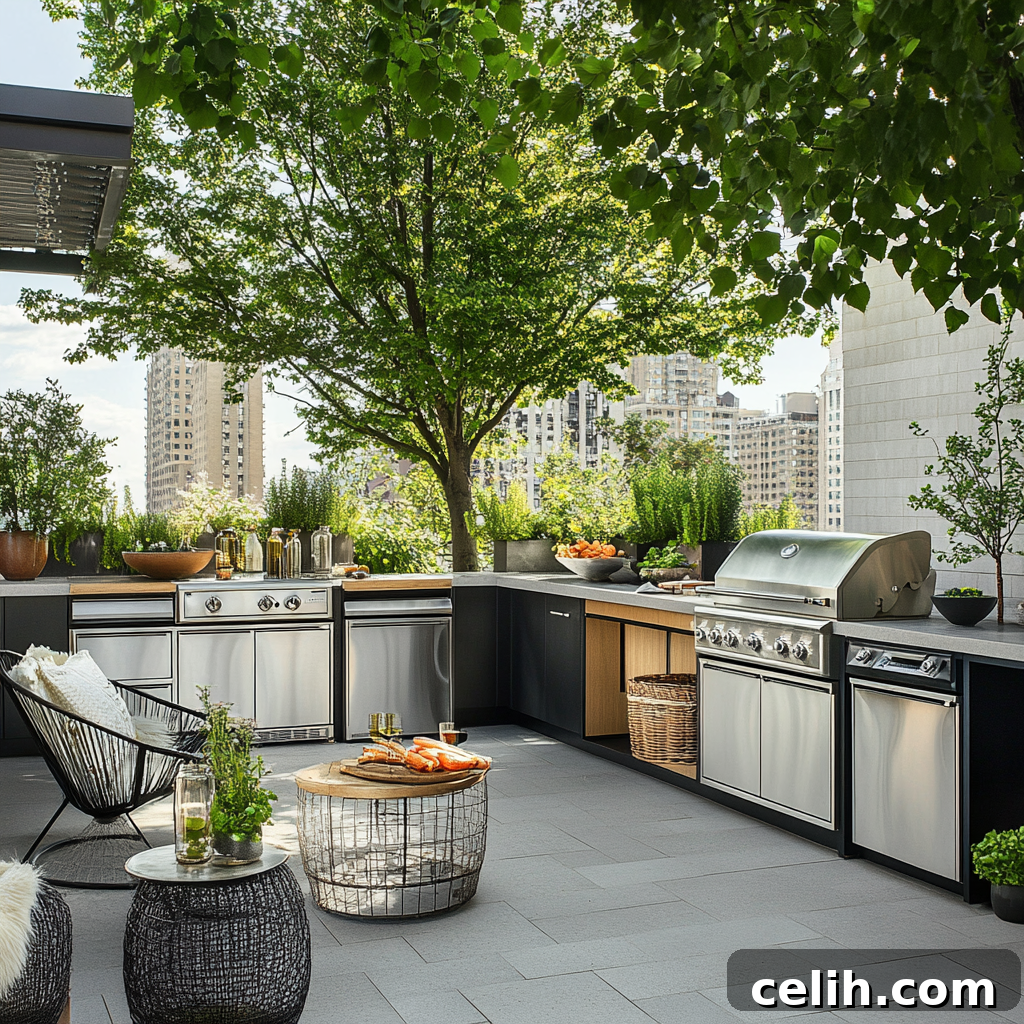
- Outdoor Kitchens and Dining Areas: Fully equipped outdoor kitchens with built-in grills, refrigeration, and ample counter space, alongside comfortable dining zones, make al fresco entertaining a breeze.
The benefits extend beyond mere aesthetics; connecting with nature through biophilic design elements has proven positive impacts on well-being, stress reduction, and overall mental health. When designing these spaces, it’s crucial to consider factors like privacy, security, and the choice of durable, weather-resistant materials that can withstand outdoor elements while maintaining an elegant aesthetic.
Energy Efficiency Steals the Spotlight in Home Extensions
Energy efficiency is undeniably front and center in home extension projects for 2025, driven by both environmental consciousness and the tangible financial benefits of reduced utility bills. Homeowners are proactively seeking ways to create additions that are not only comfortable but also significantly minimize their energy footprint.
Key innovations and practices in this area include:
- High-Efficiency Heat Pumps: These advanced systems are rapidly replacing conventional HVAC equipment, offering superior heating and cooling capabilities while consuming significantly less energy. Air-source and ground-source heat pumps are increasingly popular, adapting to various climates and providing consistent indoor comfort.
- Smart Insulation and Air Sealing: Beyond installing basic insulation, builders are focusing on comprehensive air sealing and the use of high-performance insulation materials (as mentioned in the sustainable materials section) to create a tight thermal envelope, drastically reducing energy loss through walls, roofs, and foundations.
- Renewable Energy Integration: The increasing affordability and efficiency of solar power systems are making renewable energy a highly attractive option. Many homeowners are installing solar panels on new additions or retrofitting existing roofs, often coupling them with battery storage solutions for greater energy independence.
- Energy-Efficient Windows and Doors: Upgrading to double or triple-pane windows with low-emissivity (Low-E) coatings and inert gas fills (like argon) significantly improves thermal performance, reducing heat transfer and enhancing comfort. High-performance, insulated doors also play a crucial role.
- Smart Home Energy Management Systems: Integrating smart thermostats, automated lighting, and energy monitoring systems allows homeowners to precisely control and optimize their energy consumption, often learning preferences and adapting autonomously.
Furthermore, several homeowners are strategically capitalizing on federal, state, and local incentives. Notably, the 2025 revisions to the Residential Clean Energy Credit provide significant financial incentives for installing solar panels, solar water heaters, small wind energy systems, and geothermal heat pumps, among other energy-efficient upgrades. These investments not only lead to substantial reductions in monthly energy bills but also dramatically enhance indoor comfort and significantly boost the long-term market value and appeal of the property, making them truly future-proof additions.
As the demand for more intelligent, flexible, and environmentally responsible homes continues to escalate, the home extension trends of 2025 offer a clear and inspiring roadmap for homeowners. By strategically investing in thoughtful improvements such as adaptable multi-use spaces, incorporating sustainable building materials, crafting seamless indoor-outdoor living zones, and prioritizing cutting-edge energy efficiency, you are not merely expanding your living area. You are fundamentally enhancing your lifestyle, securing long-term financial benefits, and future-proofing your property’s value in an ever-evolving world. Embrace these trends to transform your home into a beacon of modern living.