
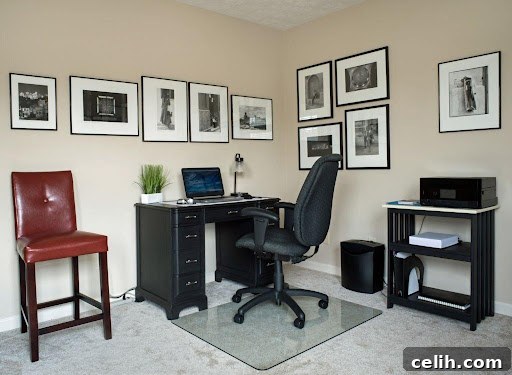
In the dynamic landscape of modern workspaces and home offices, the quest for durable, aesthetic, and functional floor protection is ceaseless. While traditional plastic mats and conventional rugs have long been staples, a transformative contender has emerged: glass mats. These innovative floor protectors are rapidly gaining traction, offering a compelling blend of robustness, elegance, and practical benefits that set them apart. Gone are the days of unsightly, curling plastic mats that hinder movement and detract from your carefully curated space. Glass mats present a sophisticated, long-lasting alternative that promises to elevate both the functionality and visual appeal of any environment.
Despite their burgeoning popularity, many individuals approach glass mats with a degree of skepticism, often questioning their reliability due to the inherent nature of glass. However, these aren’t your everyday window panes. Crafted from specially engineered materials, glass floor mats offer an unparalleled level of performance and longevity. This comprehensive guide aims to demystify glass mats, addressing common concerns and shedding light on the myriad advantages they bring to the table. Prepare to discover why glass mats are not just a trend, but a smart, long-term investment for superior floor protection and enhanced aesthetics.
Why Glass Mats Are the Superior Choice for Modern Spaces
When considering floor protection for your office chair or high-traffic areas, the immediate question often arises: why opt for glass over other, perhaps more conventional, materials? The answer lies in a compelling array of practical benefits and long-term advantages that plastic, vinyl, or fabric mats simply cannot match. From their aesthetic impact to their unmatched durability, glass mats offer value that extends far beyond initial impressions.
A Paradigm of Modern Elegance and Design
The contemporary design ethos often champions minimalism, clarity, and sophistication. Glass floor mats perfectly embody these principles. Unlike opaque plastic mats that can clash with your decor or become an eyesore, the transparent, smooth, and inherently reflective surface of a glass mat seamlessly integrates with any interior design scheme. They create an illusion of open space, allowing the beauty of your underlying floor to shine through while adding a touch of understated luxury. This modern solution transforms a utilitarian item into an integral part of your room’s aesthetic, making your workspace feel more refined and spacious.
An Unrivaled Long-Term Investment
The true cost of a product isn’t just its purchase price; it’s its longevity and replacement frequency. While traditional chair mats made from plastic or vinyl might appear cheaper upfront, their limited lifespan often necessitates frequent replacements. These mats are prone to cracking, denting, yellowing, and developing unsightly ruts and divots within just a few years of moderate use. This leads to recurring expenses and the environmental burden of discarded materials.
In stark contrast, glass mats represent a genuine one-time investment. Crafted from incredibly durable tempered glass, they are designed to withstand decades of heavy use without showing significant signs of wear. With proper care, a glass mat can easily outlast several plastic mats, making it a far more economical and sustainable choice in the long run. Every penny spent on a glass mat is an investment in enduring quality and peace of mind.
Uncompromising Floor Protection
The primary function of any floor mat is protection, and glass mats excel in this regard. They form an impenetrable barrier between your office chair’s casters, daily foot traffic, and the delicate surface of your floor. Whether you have pristine hardwood, plush carpet, elegant laminate, or durable tile, glass mats guard against a litany of potential damages:
- Scratches and Scuff Marks: Caster wheels, especially on office chairs, are notorious for scratching and scuffing various floor types over time. Glass mats provide a rigid, smooth surface that prevents this damage entirely.
- Dents and Indentations: Heavy chairs and constant pressure can lead to permanent indentations on softer flooring like carpet or linoleum. Glass mats distribute weight evenly, eliminating this concern.
- Dirt and Spills: While not fully absorbent like fabric, the non-porous surface of glass makes it incredibly easy to clean spills and wipe away dirt, preventing stains from reaching your floor.
- Wear and Tear: High-traffic areas naturally show wear faster. A glass mat acts as a sacrificial layer, absorbing the brunt of daily use and preserving your original flooring for years.
Enhanced Mobility and Ergonomic Benefits
Beyond protection and aesthetics, glass chair mats significantly improve user experience. The ultra-smooth, low-friction surface allows office chair casters to glide effortlessly and quietly across the mat. This eliminates the frustrating resistance often encountered with plastic mats, which can develop grooves that impede movement. Easy mobility reduces strain on your back, neck, and shoulders, promoting better posture and overall ergonomic comfort throughout your workday. This subtle yet impactful benefit contributes to a more productive and less fatiguing work environment.
Effortless Maintenance for Pristine Appearance
Maintaining the pristine appearance of a glass mat is remarkably simple. Unlike fabric mats that trap dust and dirt, or plastic mats that can harbor grime in their textured surfaces, glass mats offer a non-porous, smooth surface that resists dirt and stains. A quick wipe with a damp cloth and a standard glass cleaner is usually all it takes to keep your mat sparkling clean and hygienic. This ease of maintenance ensures your workspace always looks its best with minimal effort.
Are Glass Chair Mats Truly Durable? Debunking the Myths
The most common reservation people have about glass mats stems from the perceived fragility of glass. However, this perception is based on a misunderstanding of the specialized material used. Glass chair mats are not made from ordinary window glass. Instead, they are engineered from a highly robust and safe material known as tempered glass, often referred to as toughened glass. This isn’t just a marketing term; it refers to a specific manufacturing process that dramatically enhances the glass’s strength and safety characteristics.
Tempered glass undergoes a process of extreme heating followed by rapid cooling. This thermal tempering process creates compressive stress on the outer surfaces and tensile stress in the interior, making the glass up to four to five times stronger than annealed (untreated) glass of the same thickness. This inherent strength allows tempered glass mats to withstand significant impact, daily wear and tear from chair casters, and heavy static loads without scratching, cracking, or breaking under normal use. Furthermore, should an extremely rare break occur, tempered glass is designed to shatter into small, relatively harmless, blunt granular pieces rather than sharp, jagged shards, significantly reducing the risk of injury. This safety feature is paramount in any workspace.
Understanding the Weight Capacity of Glass Mats
One of the most impressive attributes of tempered glass mats is their remarkable weight-bearing capacity. While the exact load a mat can hold will depend on its thickness and specific design, even standard glass chair mats are engineered to easily support the weight of an average person combined with a heavy office chair. For general office use, a typical glass chair mat can comfortably accommodate hundreds of pounds without any issue.
Larger or thicker glass floor mats, designed for broader applications or heavier equipment, can often bear impressive loads, commonly ranging from 500 lbs to upwards of 1000 lbs or more. This exceptional strength is a direct result of the tempering process and the uniform distribution of weight that a rigid glass surface provides. This means you can confidently roll your chair, place heavy office furniture, or even use them in areas with heavier foot traffic without concern for structural integrity.
The Science Behind the Strength: What Type of Glass is Used?
As previously highlighted, the secret to the strength and longevity of these protective surfaces lies in the exclusive use of tempered glass. This is not merely a preference but a crucial safety and performance requirement for any high-quality glass mat. Tempered glass is distinguished by several key characteristics that make it ideal for this application:
- Exceptional Strength: Through a controlled thermal process, the glass is heated to over 1,000°F (538°C) and then rapidly cooled. This process creates high compression at the surfaces and high tension in the core, making it significantly more resistant to impacts and bending than standard annealed glass.
- Enhanced Safety: In the rare event of breakage, tempered glass fragments into small, relatively blunt pieces. This contrasts sharply with annealed glass, which shatters into dangerous, sharp shards. This safety feature is critical in environments where people are moving and working.
- Scratch Resistance: While no glass is entirely scratch-proof, tempered glass offers superior scratch resistance compared to softer materials like plastic. This helps maintain its pristine, clear appearance over years of use, even with constant chair movement.
- Temperature Resilience: Tempered glass can also withstand greater temperature differentials compared to standard glass, making it suitable for various indoor environments without risk of thermal stress cracking.
Some premium glass mats may also utilize “low-iron” tempered glass. This specialized type of glass has a lower iron content, which reduces the greenish tint often visible in the edges of standard glass, resulting in even greater clarity and transparency for an almost invisible appearance.
Versatility Unleashed: Can Glass Mats Be Used On Any Floor Type?
One of the most compelling advantages of glass mats is their remarkable versatility. Unlike plastic mats that are often designed specifically for either hard floors or low-pile carpets, glass mats offer universal protection. Their rigid, stable design makes them suitable for virtually any flooring surface you might encounter in a home or office setting.
- Hardwood Floors: Glass mats provide an impenetrable shield against scratches, scuffs, and dents caused by chair casters or dropped objects, preserving the natural beauty of your wood.
- Laminate Floors: Similar to hardwood, laminate surfaces benefit immensely from the protection offered by glass mats, preventing damage that can be costly to repair.
- Tile and Stone Floors: While durable themselves, tile and grout lines can still be susceptible to wear from constant chair movement. Glass mats offer a smooth, even surface that protects both the tiles and the grout.
- Vinyl and Linoleum: These softer floorings are highly prone to indentations and tears from chair wheels. A glass mat distributes weight evenly, preventing such damage and extending the life of these floors.
- Carpeted Floors (Low to Medium Pile): Glass mats are excellent for carpets. Their weight and rigidity ensure they stay flat and stable, preventing the mat from sinking into the carpet or developing ruts. This also makes chair movement on carpet significantly easier and smoother, improving ergonomics. For very thick or high-pile carpets, specialized glass mats with specific designs might be needed, or it might be less ideal than on lower pile carpets, but generally they perform very well.
Regardless of your existing flooring, a glass mat provides a consistent, protective, and aesthetically pleasing surface that enhances both the longevity of your floor and the functionality of your workspace.
Determining the Optimal Thickness for Your Glass Mat
The thickness of a glass mat is a crucial factor influencing its strength, weight capacity, and overall performance. While all glass mats are made from tempered glass for superior durability, varying thicknesses cater to different needs and usage intensities. It’s important to select a thickness that provides adequate support without being excessively heavy or costly for your specific application.
Common thicknesses for glass chair mats typically range from ¼ inch (approximately 6mm) to ½ inch (approximately 12mm). Here’s a general guideline:
- ¼ Inch (6mm): This is the most common and often sufficient thickness for standard home office use or lighter commercial environments. It provides excellent protection for most floor types and easily supports typical office chairs and users. Despite its seemingly modest thickness, tempered glass at ¼ inch is remarkably robust.
- ⅜ Inch (9.5mm): For heavier users, larger chairs, or moderate commercial use, a ⅜ inch thick mat offers enhanced rigidity and weight capacity, providing an extra layer of reassurance and durability.
- ½ Inch (12mm): This thickness is typically reserved for heavy-duty commercial applications, industrial settings, or for individuals requiring maximum support and strength, such as those using very heavy ergonomic chairs or in constant motion. It offers the highest weight bearing capacity and resistance to deflection.
Even at ¼ inch, the quality of toughened glass ensures maximum safety and protection, making it a reliable choice for the vast majority of users. The key is to choose a reputable manufacturer that uses high-quality tempered glass, as inconsistent tempering can compromise even thicker glass.
Maintaining Your Glass Mat: Simple Steps for Lasting Brilliance
One of the most appealing aspects of owning a glass mat is the ease with which it can be maintained. Unlike porous fabric mats that absorb spills and dirt, or plastic mats that can develop ingrained grime, glass mats offer a non-porous, smooth surface that makes cleaning a breeze. Regular, simple maintenance will ensure your mat retains its crystal-clear appearance and continues to provide optimal protection for decades.
- Daily Wiping: For everyday dust and light spills, a quick wipe with a soft, damp cloth is usually sufficient.
- Deep Cleaning: For a thorough clean, use a standard glass cleaner (ammonia-free is often recommended to avoid streaks) and a microfiber cloth. Spray the cleaner directly onto the mat and wipe clean until dry and streak-free.
- Avoid Abrasives: Never use abrasive cleaners, scouring pads, or harsh chemicals (like bleach or highly acidic solutions) as these can scratch the surface or leave residues.
- Inspect Regularly: Periodically check underneath the mat for any trapped debris or moisture, especially if used on carpet. Remove and clean as needed to prevent moisture buildup or pressure points.
- Proper Handling: When moving or installing the mat, always lift it carefully, ideally with two people for larger mats, and avoid dragging it across uneven surfaces or edges to prevent chipping.
With these minimal maintenance efforts, your glass mat will remain a pristine and functional asset to your workspace for many years to come.
Choosing the Perfect Glass Mat: A Buyer’s Guide
With a clear understanding of the benefits and characteristics of glass mats, you’re now better equipped to make an informed purchasing decision. Here are key factors to consider when selecting the ideal glass mat for your needs:
- Size and Shape: Measure your workspace carefully. Consider how much area your chair covers when moving around. Standard shapes include rectangular and L-shaped, but custom sizes and shapes are often available from reputable manufacturers. Ensure the mat extends sufficiently beyond your primary movement zone.
- Thickness: As discussed, match the thickness to your usage. ¼ inch is suitable for most home offices, while ⅜ inch or ½ inch might be preferred for heavier users or commercial settings.
- Glass Type: Always confirm the mat is made from tempered glass. For ultimate clarity and a virtually invisible appearance, consider low-iron tempered glass.
- Edge Finish: Look for mats with polished, smooth edges. Beveled edges offer a sophisticated look and can make the transition from floor to mat even smoother, reducing trip hazards.
- Weight and Stability: Glass mats are inherently heavy, which contributes to their stability. They won’t slide around or curl up like lighter plastic mats.
- Manufacturer Reputation: Purchase from a manufacturer known for quality glass products. Check for warranties and customer reviews.
- Budget: While a higher upfront investment than plastic, remember the long-term savings and superior performance. View it as an asset that adds value to your space.
Final Thoughts on Embracing the Clarity and Strength of Glass Mats
The journey through the world of glass floor mats reveals a compelling story of innovation, durability, and refined aesthetics. Far from being a fragile novelty, these sophisticated floor protectors stand as a testament to modern engineering, offering a superior alternative to conventional options. They seamlessly blend into any environment, providing a crystal-clear shield that preserves your flooring while enhancing the ergonomic flow of your workspace.
By opting for a glass mat, you are making a conscious choice for a sustainable, long-lasting product that requires minimal maintenance and delivers maximum impact. Their strength, derived from the tempering process, ensures they can withstand the rigors of daily use for decades, making them a wise and valuable investment. Whether for a bustling commercial office or a tranquil home study, glass floor mats are not merely protective layers; they are foundational elements that contribute to a more efficient, beautiful, and enduring space. It’s time to elevate your floor protection – embrace the clarity, strength, and elegance of glass.