
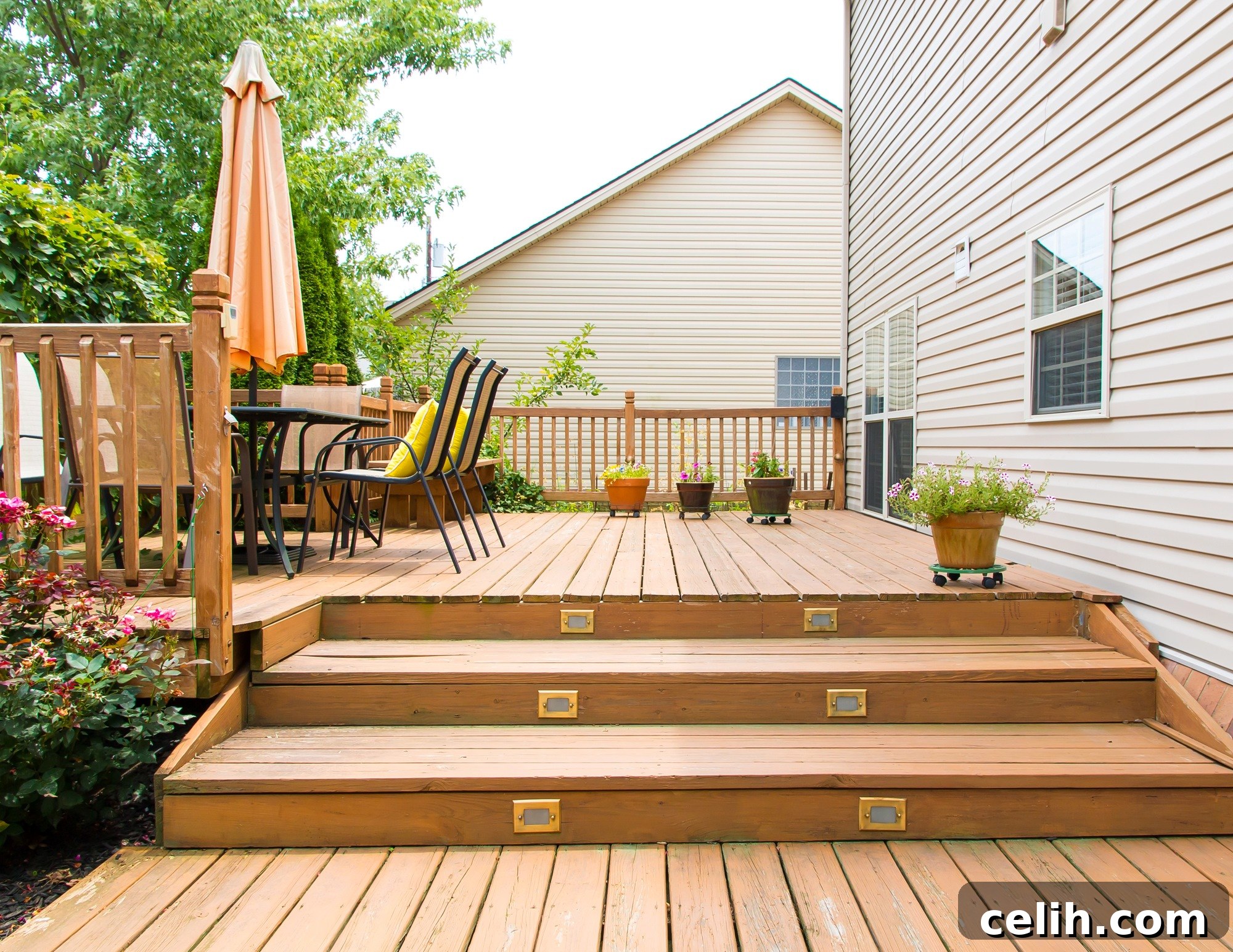
Embarking on an outdoor project, whether it’s building a new deck, a sturdy fence, or a charming garden shed, requires careful consideration of materials. Among the many choices available, timber remains a perennial favorite due to its natural beauty, versatility, and structural integrity. However, not all timber is created equal, especially when exposed to the elements. Selecting the right wood is paramount to ensuring the longevity, durability, and aesthetic appeal of your outdoor creation.
The vast array of timber types, each with its unique characteristics, can make this decision feel overwhelming. You’re likely seeking a material that strikes a perfect balance: robust enough to withstand harsh weather conditions, resistant to rot and pests, aesthetically pleasing, and ideally, affordable and relatively easy to work with. Understanding the distinct strengths and weaknesses of popular timber options is crucial for making an informed choice that aligns with your project’s specific demands and your budget.
This comprehensive guide delves into three primary categories of timber commonly used for outdoor applications: traditional hardwoods, innovative pressure-treated softwoods, and modern composite alternatives. We’ll explore their properties, benefits, potential drawbacks, and ideal uses, equipping you with the knowledge to select the best material for your next outdoor venture and ensure its success for years to come.
Hardwood Timber: Natural Resilience and Enduring Beauty
For those prioritizing unmatched durability, exceptional aesthetic appeal, and a premium finish in their outdoor projects, hardwood timber stands out as a superior choice. Derived from deciduous trees, hardwoods are renowned for their dense structure and tight grain, which are fundamental to their inherent strength and longevity. Unlike softwoods, the cellular composition of hardwoods provides a natural resistance to moisture penetration, making them inherently more suitable for outdoor environments, even before any additional treatments are applied.
The remarkable density of hardwood contributes significantly to its resistance against the damaging effects of the elements. When properly sealed and maintained, hardwoods become virtually waterproof, shrugging off rain, snow, and fluctuating temperatures with remarkable resilience. This characteristic greatly extends their lifespan, making them a long-term investment for high-traffic areas like decks, pergolas, and outdoor furniture. Furthermore, many hardwoods possess natural oils and compounds that offer a built-in defense against insect infestation and fungal decay, reducing the need for extensive chemical treatments. Species like Teak, Ipe, and Oak are particularly celebrated for these natural protective qualities, delivering a level of performance that few other timbers can match.
Beyond their structural advantages, hardwoods are highly prized for their exquisite appearance. Their rich, varied grain patterns and diverse color palettes, ranging from light golden tones to deep reds and dark browns, can add a touch of sophisticated elegance to any outdoor space. This natural beauty means that hardwood projects often require less staining or painting, allowing the wood’s inherent character to shine through. However, this premium quality comes with a higher price tag. Hardwoods typically grow slower than softwoods, leading to more limited supply and increased production costs. Their density also makes them more challenging to cut, drill, and fasten, potentially requiring specialized tools and a higher skill level for installation. Despite these considerations, the enduring beauty and superior performance of hardwood timber often justify the initial investment for those seeking unparalleled quality and longevity in their outdoor living areas.
Popular Hardwood Species for Outdoor Use
- Teak: Often considered the gold standard for outdoor timber, Teak is famous for its exceptional weather resistance, natural oils that repel water and pests, and beautiful golden-brown color. It’s incredibly durable but also one of the most expensive options.
- Ipe: A Brazilian hardwood, Ipe is incredibly dense, hard, and naturally resistant to rot, decay, and insect attack. It boasts an impressive lifespan and a rich dark brown color, making it a top choice for high-end decking.
- Oak: While commonly used indoors, specific varieties of Oak (especially White Oak) can be suitable for outdoor use when properly treated and sealed. It offers good strength and a classic aesthetic.
- Jarrah: An Australian hardwood known for its striking red-brown hues and excellent durability, Jarrah is naturally resistant to rot, termites, and marine borers, making it suitable for a variety of outdoor applications.
- Merbau: Another durable hardwood, Merbau is popular for decking due to its stability, resistance to rot and insects, and attractive reddish-brown color that darkens with age.
Pressure-Treated Timber: Enhanced Durability at an Accessible Price
Pressure-treated timber represents an ingenious solution to bridge the gap between the cost-effectiveness of softwood and the durability required for outdoor applications. Typically made from readily available softwood species such as pine or fir, which are naturally prone to rot and insect damage due to their open grain, this timber undergoes a specialized process to significantly enhance its resistance to the elements. This transformation makes softwoods viable and indeed, highly popular, for a wide range of outdoor projects where untreated softwood would quickly deteriorate.
The core of pressure treatment involves impregnating the wood with chemical preservatives under high pressure. This process forces the protective chemicals deep into the wood fibers, permeating areas that surface applications simply cannot reach. The result is timber that possesses significantly improved resistance to fungal decay, rot, and insect infestations, offering a lifespan comparable to some hardwoods but at a much more accessible price point. This enhanced durability makes pressure-treated timber an excellent choice for foundational elements like deck joists, fence posts, garden sleepers, and other structures where direct ground contact or continuous moisture exposure is a concern. Professionals at reputable timber suppliers, such as Macblair, can provide invaluable guidance on the different treatment levels available, ensuring you select the appropriate protection for your specific project’s needs.
While the benefits of pressure-treated timber are substantial, particularly its cost-effectiveness and widespread availability, it’s essential to be aware of certain considerations. The chemicals used in the treatment process, while deemed safe for most applications once dry, require careful handling during installation. It’s advisable to wear gloves, eye protection, and a dust mask when cutting or sanding to avoid inhaling wood dust or direct skin contact with the preservatives. Environmentally, responsible disposal of treated wood scraps is also important. Aesthetically, pressure-treated timber often has a characteristic greenish tint when new, which eventually fades to a gray or brownish hue over time. While it can be stained or painted, it might not offer the same natural warmth and unique grain patterns as untreated hardwoods. Despite these points, its balance of affordability, workability, and enhanced resistance makes pressure-treated timber a cornerstone material for countless successful outdoor constructions.
Key Considerations for Pressure-Treated Timber
- Treatment Levels: Pressure-treated wood comes in different retention levels (e.g., ground contact, above ground). Always choose the appropriate level for your project to ensure adequate protection.
- Appearance: The initial greenish color will fade. To maintain an attractive appearance, cleaning and re-sealing or staining every few years is recommended.
- Fasteners: Use hot-dipped galvanized or stainless steel fasteners, as the chemicals in treated wood can corrode regular steel.
- Workability: Being a softwood, it’s generally easy to cut, drill, and fasten, making it a favorite for DIY enthusiasts.
Composite Timber: The Modern, Low-Maintenance Alternative
For those seeking the ultimate in low maintenance and consistent performance, composite timber offers an engineered solution that stands apart from traditional wood. Rather than being solid wood, composite timber is a manufactured product typically created from a blend of recycled wood fibers, plastics (such as high-density polyethylene or polyvinyl chloride), and various bonding agents and additives. These components are meticulously mixed and then extruded or molded into specific shapes and sizes, mimicking the profiles of traditional lumber boards.
The primary advantage of composite timber lies in its extraordinary durability and minimal maintenance requirements. Unlike natural wood, composite materials are impervious to rot, splintering, warping, and insect damage. They don’t require regular staining, painting, or sealing, freeing homeowners from the laborious upkeep associated with traditional timber decks and fences. Most composite products come with extended warranties, often spanning 20 to 25 years, reflecting their designed resilience against the harshest weather conditions and daily wear and tear. Furthermore, many composite boards are formulated with UV stabilizers, ensuring excellent resistance to fading, helping them retain their color and aesthetic appeal for a much longer period than natural wood.
While composite timber excels in practicality, it does present a few considerations. One significant factor is its initial cost, which can often be higher than both pressure-treated timber and some natural hardwoods. Although this upfront investment is offset by considerable savings on long-term maintenance, it’s a critical budget point for many projects. Aesthetically, while modern composite products have made great strides in mimicking the look and texture of real wood, they can still lack the unique natural warmth, grain variations, and organic feel that only genuine timber provides. For purists, this might be a notable compromise. Additionally, composite surfaces can sometimes get hotter in direct sunlight compared to natural wood, and while resistant to mold and mildew, they still require occasional cleaning to prevent surface buildup. Weighing these attributes against your personal preferences for aesthetics, maintenance commitment, and budget is key to determining if composite timber is the ideal choice for your outdoor living space.
Advantages of Composite Timber
- Low Maintenance: No need for sanding, staining, or sealing. Simple cleaning is usually sufficient.
- Durability: Highly resistant to rot, insects, splintering, warping, and fading.
- Eco-Friendly: Often made from recycled materials, reducing waste.
- Consistent Appearance: Offers a uniform look, free from knots or imperfections found in natural wood.
- Safety: Typically splinter-free, making it safer for bare feet.
Making Your Informed Decision: A Comparative Look at Timber Options
Choosing the right timber for your outdoor project boils down to balancing several crucial factors: budget, desired longevity, aesthetic preference, maintenance tolerance, and environmental impact. Each timber type offers a unique profile of benefits and drawbacks, making the “best” choice highly subjective to individual project requirements.
- Hardwood: If your priority is unparalleled natural beauty, extreme longevity, and a premium feel, and your budget allows, hardwoods like Ipe or Teak are exceptional choices. They demand a higher initial investment and may require more effort to work with, but they offer natural resistance and a timeless elegance that synthetic materials cannot fully replicate. Maintenance, while not as intensive as some softwoods, still involves occasional cleaning and re-sealing to preserve their splendor.
- Pressure-Treated Timber: For projects requiring a robust, weather-resistant material at an affordable price point, pressure-treated softwood is often the most practical solution. It’s widely available, easy to work with for DIY enthusiasts, and offers excellent protection against rot and pests, making it ideal for structural components, fencing, and general decking. Be mindful of its initial appearance and the need for periodic sealing or staining to maintain its look and further extend its life.
- Composite Timber: When low maintenance is your top priority and you’re willing to invest more upfront for long-term convenience, composite timber shines. It’s a fantastic choice for modern decks and railings where consistent appearance and freedom from traditional timber upkeep are paramount. While it may not possess the organic warmth of natural wood, its durability and resistance to common timber problems make it a hassle-free, long-lasting option.
Ultimately, the decision requires careful consideration of what matters most to you. Visit local timber suppliers, compare samples, and discuss your project with experts to gain a clearer understanding of the properties, prices, and long-term performance of each option. By taking the time to research and reflect on these diverse timber solutions, you can make a sensible and confident decision that ensures your outdoor project not only looks fantastic but also endures beautifully for many years to come.