
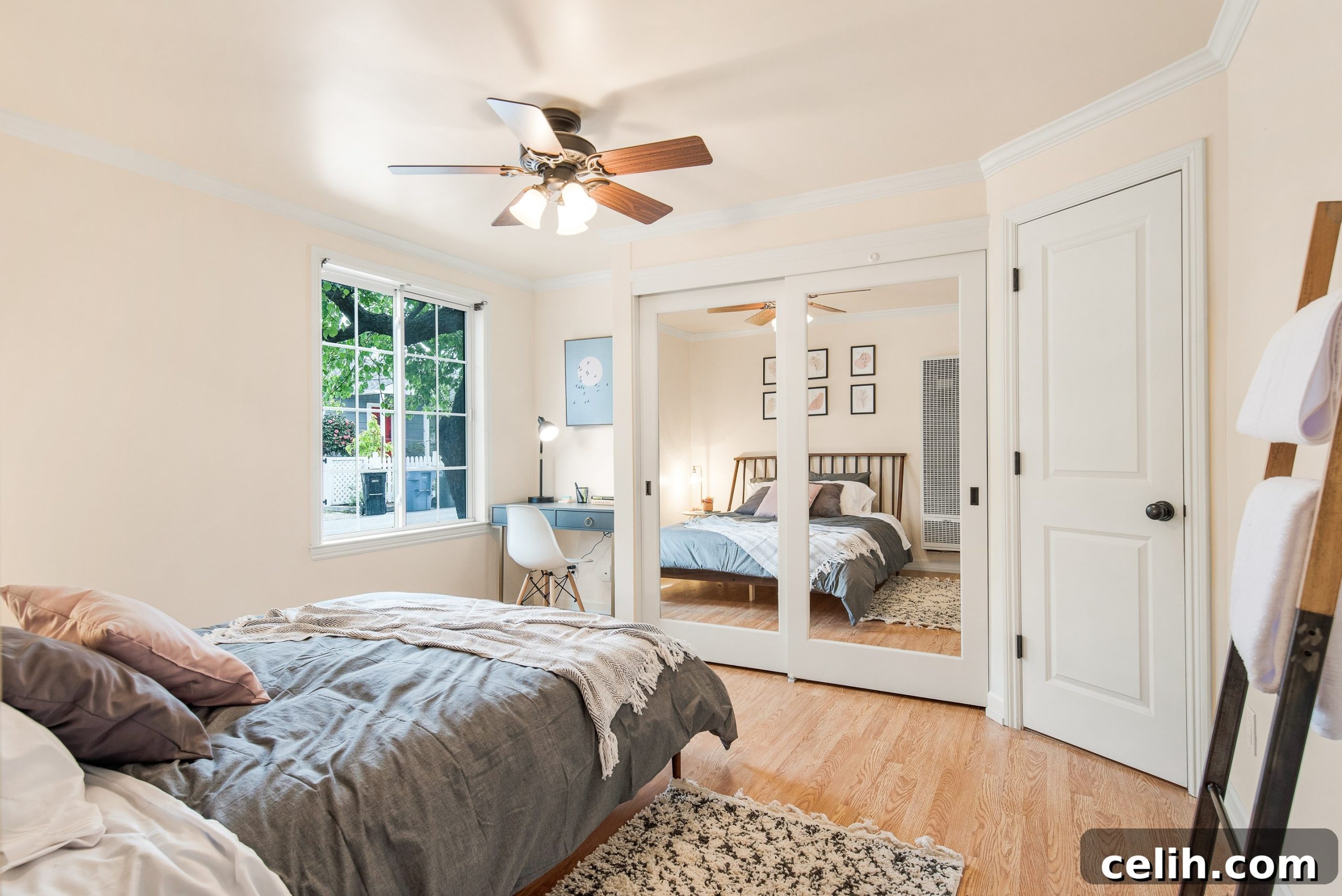
Once considered mere utilitarian devices, today’s ceiling fans have undergone a remarkable transformation. Far removed from the clunky, wood-and-rattan designs of yesteryear, modern ceiling fans are a sophisticated blend of aesthetics and high performance. In 2024, selecting a ceiling fan means choosing a stylish focal point that not only efficiently circulates air but also seamlessly integrates with your home’s interior design, enhancing both comfort and visual appeal. Beyond just cooling your space during warmer months, these versatile fixtures can also contribute to warming it. By engaging the reverse blade direction feature in winter, ceiling fans gently push warm air trapped near the ceiling downwards, creating a cozier environment and potentially reducing heating costs.
However, choosing the perfect ceiling fan involves more than just picking a design you like. A thoughtful selection process ensures optimal functionality, safety, and aesthetic harmony. Key considerations include matching the fan to your existing decor, selecting the appropriate size for effective air movement, ensuring the correct mounting height for safety and efficiency, and incorporating essential lighting and smart features. This comprehensive guide will walk you through each crucial step, empowering you to make an informed decision for a comfortable and stylish home, transforming a functional appliance into an elegant design statement.
Harmonize Your Home: Matching the Ceiling Fan to Your Decor
The vast array of ceiling fan designs available today means there’s a perfect match for virtually any interior style. Whether your home exudes classic elegance, minimalist modernity, or rustic charm, you can find a ceiling fan that complements or even enhances its character. For compact spaces or a touch of industrial chic, cage ceiling fans with lights offer a unique aesthetic and practical illumination. If you have larger rooms or desire a more impactful statement, consider dual ceiling fans, which provide exceptional airflow and often come integrated with elegant lighting solutions. From elaborate chandelier ceiling fans that serve as grand centerpieces to sleek vertical blade designs ideal for rooms with limited vertical clearance, the options are limitless. The number of blades also contributes significantly to the fan’s appearance and performance, ranging from minimalist single-blade designs to robust eight or nine-blade configurations, each offering distinct visual appeal and air-moving capabilities.
For homes with a traditional aesthetic, opting for fans with classic finishes like bronze, intricate detailing, and rich wood tones can create a cohesive look that evokes timeless charm. Conversely, contemporary and mid-century modern interiors often benefit from the clean lines and understated elegance of two or three-blade fans, typically featuring brushed nickel, chrome, or matte black finishes that reflect a sleek, modern sensibility. If you’re aiming for a coastal retreat vibe, fans with natural palm-leaf blades, weathered finishes, or light wood tones are an excellent choice, bringing a relaxed, breezy feel to your space. For an edgy, industrial, or even steampunk-inspired space, rugged metallic fans with exposed hardware and robust designs can perfectly capture the desired ambiance, making a bold statement.
Beyond the overarching style, paying attention to smaller details ensures complete harmony. Coordinate the fan’s hardware finish – such as brushed nickel, oil-rubbed bronze, polished chrome, or matte black – with other metallic elements in the room, like doorknobs, light switch plates, plumbing fixtures, and furniture accents. This creates a cohesive and well-thought-out design narrative. Similarly, if your room features dominant wood surfaces, select fan blades that either perfectly match or beautifully complement those wood tones, whether it’s the warm hue of cherry, the rich depth of walnut, the classic appeal of oak, or the bright simplicity of maple. Of course, you can also make a statement by boldly positioning your ceiling fan as a captivating focal point, choosing a strikingly unique design, an unexpected finish, or an artistic silhouette that draws the eye upwards. For those who prefer an understated approach, a simple white or off-white fan can seamlessly blend into a light-colored ceiling, creating an unobtrusive and airy feel that allows other design elements to shine. Thoughtful coordination elevates your ceiling fan from a purely functional appliance to an integral part of your home’s sophisticated and harmonious design.
Precision Matters: Choosing the Right Size Ceiling Fan Fixture
Selecting the correct size for your ceiling fan is paramount, impacting both its aesthetic integration and its effectiveness in moving air. A fan that is too large can visually overpower the room, create an overly strong, uncomfortable draft that feels more like a gale than a breeze, and potentially interfere with daily activities or furniture placement. Conversely, a fan that is too small will struggle to adequately circulate air, leaving the room feeling stuffy, hot, or simply stagnant, thereby defeating the primary purpose of its installation. The ideal fan size creates a comfortable, consistent breeze that enhances the room’s atmosphere without being intrusive or inefficient.
Ceiling fan sizes are typically measured by their “sweep” – the total diameter covered by the rotating blades from tip to tip. These measurements can range dramatically, from compact 29-inch models or smaller, which are perfect for utility areas, hallways, very small bedrooms, or walk-in closets, to expansive fans with an 80-inch sweep or more, meticulously designed for grand halls, large open-concept living spaces, or commercial applications. To determine the precise fan size needed for your specific space, begin by accurately measuring the room’s length and width to calculate its total square footage (Length x Width = Square Footage). Here’s a general guideline to assist you in making the optimal choice:
- Rooms smaller than 75 square feet: Opt for fans with a sweep of no more than 36 inches. These are ideal for small offices, bathrooms (ensure it’s damp-rated if for a bathroom), or compact utility areas where efficient spot cooling is needed.
- Rooms between 75 and 144 square feet: A fan with a sweep of 36 to 42 inches will provide sufficient and comfortable airflow. This range is suitable for standard bedrooms, small kitchens, dining nooks, or studies.
- Rooms between 145 and 224 square feet: Choose a fan with a sweep of 44 to 50 inches. This size range is perfect for larger bedrooms, living rooms, average-sized family rooms, or dens, ensuring broad air distribution.
- Rooms between 225 and 400 square feet: A fan with a sweep of 50 to 54 inches is recommended for optimal air circulation. This category includes expansive living rooms, master bedrooms with seating areas, and open-plan kitchen/dining areas where consistent comfort is desired.
- Rooms larger than 400 square feet: For truly expansive spaces, consider fans with sweeps greater than 54 inches. Alternatively, strategically install multiple smaller to medium-sized fans to ensure even and thorough air distribution throughout the entire area, preventing hot or cold spots.
Remember that these are general guidelines. Factors like ceiling height, room shape (e.g., long and narrow vs. square), and the presence of obstructions like large furniture or structural beams can also influence the optimal fan size. When in doubt, consulting with a professional or referencing the manufacturer’s specific recommendations for a particular model can help ensure you select the perfect ceiling fan for maximum comfort, energy efficiency, and seamless integration into your home.
Optimizing Placement: Choosing the Right Fan Profile and Mounting
Proper installation and positioning are absolutely critical for a ceiling fan’s performance, safety, and aesthetic integration within your living space. The generally recommended height for ceiling fan blades is seven to nine feet from the floor. This specific range ensures optimal air circulation throughout the entire room, allowing the fan to effectively distribute air without creating uncomfortable drafts directly on occupants. Crucially, this height also minimizes any potential head-clearance hazards, adhering to safety standards and preventing accidental contact. Additionally, for unrestricted airflow and safe operation, the fan blades should be positioned at least eighteen inches from the nearest wall or ceiling on either side. This clearance prevents the “washing” effect where air gets trapped against surfaces, thereby maximizing the fan’s efficiency and reducing potential turbulence or noise. Adhering to these precise guidelines ensures maximum comfort, safety, and operational effectiveness for your ceiling fan.
The type of mounting hardware you’ll need is largely dictated by your ceiling height and configuration, as each scenario requires a tailored solution:
- Low Ceilings (8 feet or less): For rooms with standard low ceilings, a low-profile or flush-mount ceiling fan is the ideal and often only practical solution. These fans attach directly to the ceiling, minimizing the distance between the blades and the ceiling itself, and thus maximizing crucial head clearance in rooms where every inch matters. They offer a sleek, unobtrusive look that blends seamlessly with the ceiling while still providing effective and comfortable air movement.
- Standard Ceilings (9-10 feet): Most ceiling fans come equipped with a standard downrod, typically ranging from 3 to 6 inches in length, which is perfectly suitable for these common ceiling heights. The downrod serves to lower the fan blades to the optimal seven to nine-foot blade height from the floor. This precise positioning allows for superior air circulation, prevents the blades from recirculating air trapped near the ceiling, and often contributes to quieter operation by reducing turbulence.
- High, Vaulted, or Slanted Ceilings (over 10 feet): Rooms with exceptionally high, dramatically vaulted, or sloped ceilings require a longer downrod to effectively bring the fan blades down to the recommended seven to nine-foot zone. Manufacturers offer a wide range of extended downrods in various lengths (e.g., 12, 18, 24, 36, 48 inches or more) to accommodate diverse ceiling heights and ensure the fan operates efficiently at the optimal level. For slanted or vaulted ceilings, you will also need an angled mounting kit (often included with the fan or sold separately). This specialized kit allows the downrod to hang straight down despite the ceiling’s incline, ensuring the fan hangs level and operates safely and efficiently without wobbling or hitting the ceiling. In cases where traditional fan designs might not fit gracefully into a steeply vaulted ceiling due to space constraints or aesthetic preference, innovative vertical-blade ceiling fans can be an excellent alternative, offering a unique architectural aesthetic and effective performance even in challenging, unconventional spaces.
Always ensure that the electrical box in your ceiling is specifically rated for the weight and dynamic motion of a ceiling fan, as it needs to be securely anchored to a structural joist. Using an inadequate electrical box can lead to dangerous wobbling or even the fan falling. If you are unsure about your existing electrical box or the complexity of the installation, it’s always best practice to consult or hire a qualified electrician to ensure a safe, stable, and code-compliant installation, providing you with peace of mind and long-lasting performance.
Essential Features & Intelligent Lighting for Your Modern Ceiling Fan
Integrating a ceiling fan into your home no longer means sacrificing essential lighting. Modern ceiling fans are meticulously designed to be multifaceted fixtures, seamlessly combining powerful and efficient air circulation with effective, integrated illumination. When selecting your fan, it’s crucial to prioritize models that incorporate high-quality light fixtures, ensuring your space remains functional, bright, and inviting, regardless of the time of day or ambient light conditions. The vast majority of contemporary ceiling fans now come equipped with integrated lights, making it easier than ever to find a design that not only appeals to your aesthetic but also comprehensively meets your diverse lighting needs. Consider upgrading to LED light kits for superior energy efficiency, exceptional longevity (often lasting tens of thousands of hours), and brilliant illumination. Furthermore, look for options that allow you to customize brightness levels through dimming capabilities and even adjust the color temperature (ranging from warm white for cozy evenings to cool white for bright task lighting) to create the perfect ambiance for any occasion or activity.
Beyond innovative lighting, the overall functionality and user experience of your ceiling fan are significantly enhanced by its array of advanced features. Here are key considerations when making your selection, each designed to elevate comfort and convenience:
- Multiple Speed Settings: This is an essential feature for adapting to varying comfort levels throughout the day and year. A comprehensive range of speeds, typically from three to six or even more, allows you to fine-tune airflow precisely, from an almost imperceptible gentle breeze for subtle air movement to a powerful gust for rapid cooling on hot days.
- Reverse Motor Switch: This is a crucial feature that transforms your ceiling fan into a year-round utility. In warmer summer months, the fan blades should rotate counter-clockwise (when viewed from below) to push cool air downwards, creating a direct, refreshing cooling sensation. In colder winter months, switching to a clockwise rotation at a low speed gently draws cool air up towards the ceiling, where it mixes with the naturally rising warm air before pushing it back down into the living space. This process, known as destratification, optimizes heat distribution, eliminates cold spots, and can significantly reduce heating costs by improving your HVAC system’s efficiency.
- Dimmable Lights: This provides ultimate control over your room’s ambiance and mood. Dimmable lights allow you to seamlessly adjust brightness from a vibrant task light to a subtle, relaxed glow, adding immense versatility and sophistication to your space for various activities and moods.
- Smart Connectivity & Controls: Embrace modern convenience with cutting-edge smart ceiling fans. Many advanced models now offer integrated Wi-Fi connectivity, allowing effortless control via dedicated smartphone apps, popular voice assistants (such as Amazon Alexa, Google Assistant, or Apple HomeKit), and even seamless integration into broader smart home ecosystems. Features like precise scheduling, remote fan speed adjustment, light dimming, and even humidity sensing can all be managed from anywhere, enhancing convenience, energy efficiency, and overall home automation.
- Control Options: Choose the control method that best suits your lifestyle and aesthetic preferences:
- Wall Controls: Offer a permanent, clean, and integrated look, ideal for dedicated fan/light switches that blend into your home’s electrical system. Some are wired for ultimate reliability, while others are wireless for easier installation.
- Remote Controls: Provide unparalleled flexibility and convenience, allowing full control over fan speed, light settings, and reverse functions from anywhere in the room, perfect for those who prefer ease of access.
- Pull Chains: While traditional and often found on more budget-friendly models, pull chains remain a simple, reliable, and straightforward method for basic on/off and speed adjustments, requiring no batteries or complex wiring.
- Energy Efficiency: Prioritize fans equipped with DC motors, which are significantly more energy-efficient (often consuming up to 70% less power) and remarkably quieter than traditional AC motors. Looking for the Energy Star certification is a strong and reliable indicator of a fan’s superior energy-saving capabilities, translating directly into lower electricity bills and a reduced environmental footprint.
- Noise Level: Especially important for intimate spaces like bedrooms, nurseries, or living areas where quiet is paramount, a quiet motor ensures the fan operates smoothly without producing distracting hums, clicks, or wobbles. Check for decibel ratings or detailed user reviews that specifically mention quiet operation for an undisturbed environment.
- Damp/Wet Ratings: If you’re considering a fan for outdoor spaces like covered patios, porches, gazebos, or for moisture-prone indoor areas like large bathrooms or laundry rooms, it is absolutely essential to ensure it has a damp or wet rating. These ratings indicate the fan’s ability to withstand exposure to moisture and humidity, guaranteeing both safety and long-term durability in challenging environments.
By carefully considering these advanced features alongside crucial aspects like design, size, and mounting, you can select a ceiling fan that not only enhances your home’s aesthetic appeal but also provides superior comfort, unmatched convenience, and exceptional energy efficiency. A well-chosen ceiling fan truly becomes a smart, enduring investment for any modern dwelling, elevating both its functionality and its sophisticated style.
The modern market for ceiling fans offers an unparalleled range of choices, allowing you to perfectly blend sophisticated form with robust function in every corner of your living spaces. Today’s innovative designs transcend mere utility, becoming integral components of a cohesive, comfortable, and aesthetically pleasing home environment. Whether your preference leans towards sleek, minimalist contemporary designs that speak to modern sensibilities, rich traditional aesthetics that evoke timeless elegance, or avant-garde industrial statements that capture a unique edge, there are high-performance ceiling fans meticulously crafted to meet every conceivable stylistic demand and functional requirement. The biggest, yet most delightful, challenge you might face is narrowing down the myriad of stunning options to choose the ideal ceiling fan or multiple fans that will not only elevate your home’s comfort and energy efficiency but also enhance its distinctive style for many years to come.