
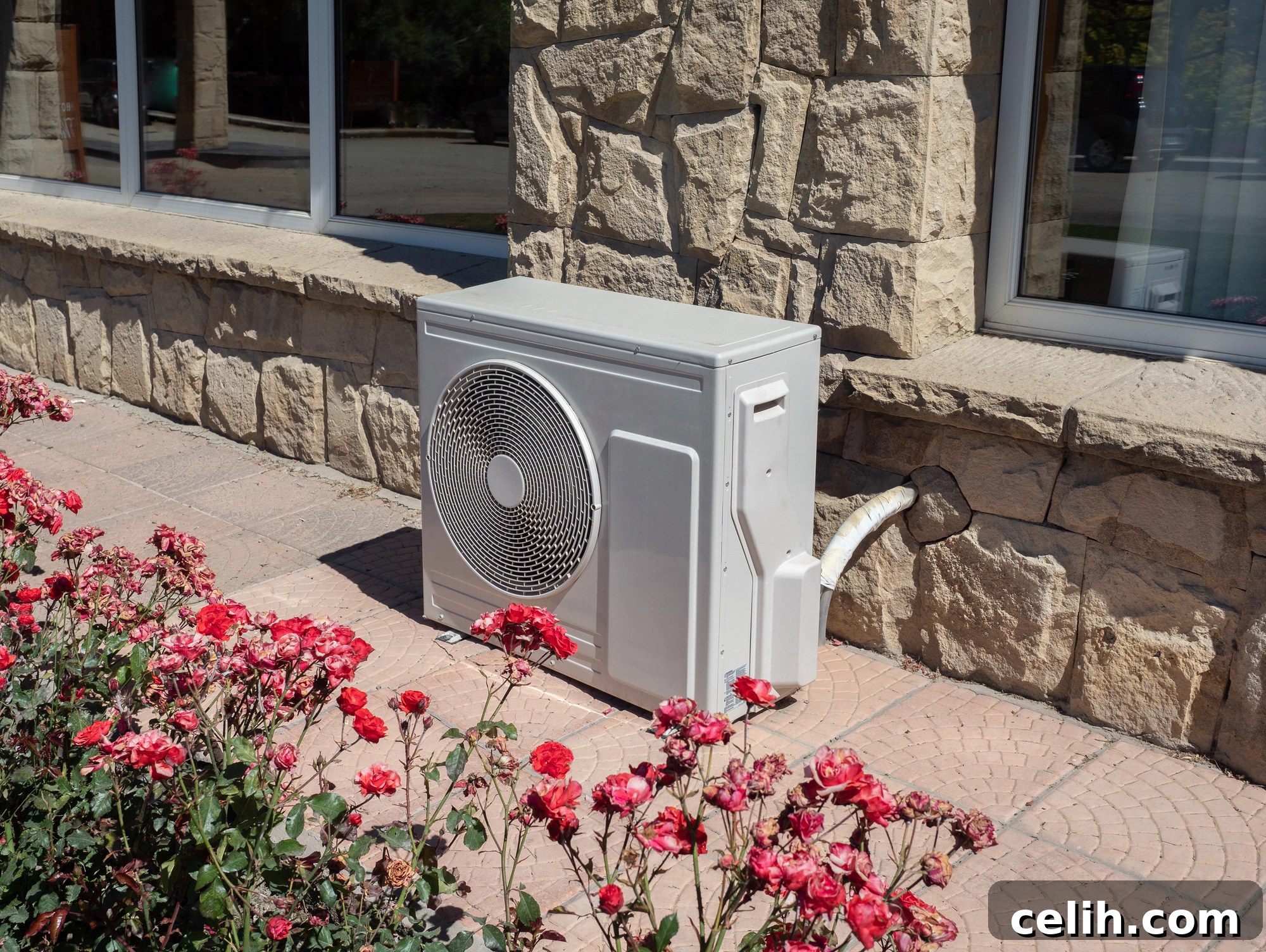
Heat pumps have become an increasingly popular and efficient choice for home comfort across Los Angeles and Ventura County, California. Many homeowners have embraced these versatile systems to enhance energy efficiency, reduce reliance on fossil fuels, and modernize outdated HVAC setups. However, as these critical systems age, a common and often challenging question arises: is it more sensible to repair the existing heat pump, or is it finally time for a full replacement?
The answer is rarely straightforward. A system might power on but deliver subpar performance. Repair costs can accumulate, and energy bills may start to fluctuate unpredictably. Navigating the decision of when to repair and when to replace is crucial for avoiding unnecessary expenses and ensuring consistent home comfort, especially in the unique climate of Southern California.
This comprehensive guide is designed to empower you with the knowledge needed to make an informed decision about your heat pump, focusing specifically on the factors relevant to homeowners in the Los Angeles and Ventura County areas.
Why The Heat Pump Repair vs. Replacement Decision is Unique in Southern California
Los Angeles and Ventura County are renowned for their relatively mild winters and extended cooling seasons. Unlike regions with extreme temperature swings, heat pumps in this area often operate almost continuously throughout the year, cycling between heating and cooling modes. This consistent, year-round usage, while efficient, significantly impacts the wear and tear on system components.
The mild climate can also create a deceptive sense of adequacy. Even if a heat pump’s efficiency begins to decline, homeowners might perceive it as “good enough” because it still provides some level of heating or cooling during the less demanding winter months. This can lead to a dangerous cycle of delayed replacement, resulting in escalating operating costs, more frequent and expensive repairs, and a premature end to your equipment’s overall lifespan. The subtle yet persistent degradation of performance in these conditions means that what seems like a minor inefficiency can quickly accumulate into significant financial drain.
The local climate plays a pivotal role in the repair-versus-replace equation. Heat pump systems in Southern California are engineered to perform optimally in these moderate conditions. When they consistently fail to meet expectations or show signs of struggling, replacing the unit often yields a much clearer and more substantial benefit in terms of comfort, efficiency, and long-term savings.
When Heat Pump Repair is the Smart Choice for Southern California Homes
Heat pump repair is often the most pragmatic and cost-effective solution when your system is still relatively new, and the underlying problem is specific and easily identifiable.
The System is Under 10 Years Old
A well-maintained and properly installed heat pump typically has an expected lifespan of 12 to 15 years. If your unit is less than a decade old, a targeted repair is usually the initial and most economical course of action. At this stage, components are generally robust, and a single fix can often restore the system to its peak operational efficiency, extending its serviceable life significantly and delaying the much larger investment of a full replacement.
The Issue is Minor or Well-Defined
Many common heat pump malfunctions are relatively minor and can be resolved with a specific repair, rather than requiring a complete system overhaul. Examples include issues with faulty sensors, worn contactors, minor electrical component failures, or problems with the fan motor. These types of repairs are often quick, restore full functionality, and do not typically compromise the long-term reliability or efficiency of the entire system. Addressing these localized problems promptly can prevent them from escalating into more significant and costly failures.
Energy Bills Remain Stable or Show Minor Changes
If your heat pump is still providing adequate heating and cooling without causing a noticeable surge in your monthly utility bills, it suggests that the system’s core efficiency remains largely intact. In such cases, addressing a specific malfunction through repair is usually the most viable option. A stable energy consumption pattern indicates that the issue is likely isolated and not indicative of a widespread system breakdown or significant efficiency degradation.
The System Has a Consistent Maintenance History
Heat pumps that receive regular professional maintenance tend to be more reliable and respond better to repairs. Proactive servicing, including routine cleaning, inspections, and minor adjustments, significantly reduces wear and tear on critical components. A well-documented maintenance history often means that parts have been inspected and replaced as needed, minimizing the risk of cascading failures. For these systems, a repair is more likely to be a lasting solution, bringing the unit back to optimal performance and further extending its lifespan without introducing habitual long-term cost increases.
When Heat Pump Replacement Becomes the Smarter Investment
There comes a point when repairs become a temporary band-aid, and replacing your heat pump system is the more financially prudent and comfort-enhancing decision.
The System is 12-15 Years Old or Older
As a heat pump approaches or surpasses its typical lifespan of 12-15 years, its overall performance and the reliability of its components naturally degrade. Older systems are less efficient, consuming more energy to produce the same amount of heating or cooling. Even if a crisis repair brings an aging system back online, the operational costs often skyrocket, making it a costly choice in the long run. The risk of subsequent failures in other components also increases dramatically with age.
Repairs Are Frequent or Expensive
If your heat pump requires multiple repairs within a relatively short period (e.g., more than one significant repair in two years), or if the cost of a single repair exceeds 50% of the cost of a new unit, it’s a strong indicator that replacement is the better option. Fixing one failed component will not prevent the next one from failing, turning your heat pump into a money pit. Frequent breakdowns are a clear sign that the system is at the end of its useful life and struggling to keep up with demand.
Heating or Cooling Performance is Inconsistent
Fluctuating indoor temperatures, certain rooms being noticeably hotter or colder than others, the AC running constantly without achieving the set temperature, or poor humidity control are all common signs of a failing heat pump. These issues rarely improve with a simple patch repair alone, as they often stem from deeper systemic inefficiencies, refrigerant leaks, or compressor wear that a new, modern system is designed to address comprehensively. A struggling system means compromised comfort for your family.
Energy Bills Are Steadily Increasing
In the Southern California climate, a well-functioning heat pump should be highly effective at maintaining moderate temperatures efficiently. A consistent and unexplained rise in your utility bills strongly indicates that your system has lost significant efficiency. Older refrigerants (like R-22, which is being phased out) or degraded compressors can cause your unit to work harder and longer, leading to higher energy consumption and increased costs that a new, high-efficiency model could drastically reduce.
Major Components Have Failed
When critical components like the compressor (the heart of your heat pump) or the entire refrigerant system fail, the repair costs can be exorbitant, often rivaling or exceeding the cost of a new unit. These are not minor fixes but often indicate a fundamental breakdown in the system’s core functionality. In such scenarios, investing in a complete replacement is usually the most economical and reliable long-term solution, providing a fresh start with a new warranty and enhanced efficiency.
Choosing replacement not only restores consistent comfort and boosts efficiency but also saves you the ongoing hassle, stress, and unpredictable costs associated with frequent breakdowns and repairs.
Understanding the Role of Southern California’s Climate in Your Decision
The calculation for heat pump repair versus replacement shifts significantly when considering the climate of Southern California. Unlike colder regions where heating demands are paramount, heat pumps in Los Angeles and Ventura County are primarily relied upon for cooling, with milder heating needs during the winter. This operational profile has distinct implications.
Heat pumps are generally most efficient in moderate temperatures. If a system begins to struggle or fails in the relatively temperate conditions of Los Angeles or Ventura County, it’s often a clear indication of a deeper underlying inefficiency or mechanical problem, rather than just extreme weather strain. The fact that the system is unable to perform optimally in its ideal operating range highlights a more critical issue.
Due to the mild winters, heat demand is used sparingly, which means that subtle efficiency losses in an older system can accumulate unnoticed over time, gradually increasing cooling costs. When evaluating the total cost of ownership, the proven cost-efficiency of a new, high-SEER2 rated heat pump often makes the replacement a more attractive investment. Newer heat pumps leverage advanced technologies like variable-speed compressors and smart thermostats that are perfectly suited to the continuous, yet variable, demands of the Southern California climate, leading to substantial long-term savings.
This unique climate dynamic is a primary reason why many homeowners in this region opt to replace their HVAC systems more frequently than those in climates with harsher winters or more distinct seasonal temperature extremes. The rapid pace at which energy efficiency and comfort technology are advancing further underscores the benefits of upgrading to a modern heat pump in Southern California.
Repair vs. Replacement Cost: A Holistic Financial Perspective
When facing the repair-or-replace decision for your heat pump, the immediate upfront cost of a repair should never be the sole determining factor. It’s crucial to consider the total cost of ownership over the long term, encompassing not just repair bills but also ongoing operational expenses, comfort, and reliability.
A seemingly modest repair bill today could translate into significantly higher operating costs tomorrow, as an inefficient older system struggles to meet demand. Conversely, while the initial investment for a new heat pump might be substantial, it often results in considerable savings on your monthly energy bills for many years to come, thanks to superior energy efficiency and fewer breakdowns. Additionally, newer systems often qualify for federal tax credits, local utility rebates, and other incentives, further reducing the net cost of replacement.
To make the most informed decision, ask yourself these critical questions:
- How many maintenance tasks or repairs have been required for the system in the last two years? Frequent service calls indicate an aging system prone to ongoing issues.
- Are the energy levels noticeably higher than in previous seasons, without significant changes in usage habits? Rising utility bills are a primary indicator of declining efficiency.
- Is the system still operating efficiently, delivering consistent comfort and reliable dehumidification? If not, its core function is compromised.
- How long do you realistically plan to live in the home? If you expect to move within a few years, a cost-effective repair might be sufficient. If you plan to stay long-term, investing in a new, efficient system provides a better return on investment and enhanced property value.
In Los Angeles and Ventura Counties, where the heat pump handles both heating and the dominant cooling load, it is often prudent to replace equipment when its combined performance is no longer sufficient. The savings in energy and improved home comfort quickly offset the initial replacement cost, especially given the continuous operation demanded by the local climate.
Optimizing Your Heat Pump Replacement Timing for Maximum Benefit
Replacing your heat pump at the right time can significantly enhance its cost-effectiveness and reduce potential stress. While emergencies happen, a planned replacement is always preferable.
- During a Combined Heating and Cooling Failure: If your heat pump completely breaks down, especially during peak demand seasons, it presents an ideal opportunity for replacement. Instead of pouring money into repairing a system that’s already on its last legs, you can invest in a new, reliable unit that will restore comfort efficiently.
- When Upgrading Other Home Systems: If you are planning other significant home improvements, such as electrical panel upgrades, ductwork modifications, or major renovations, consider integrating a heat pump replacement into the project. This allows for coordinated work, potential cost efficiencies, and ensures your new HVAC system is perfectly suited to any changes in your home’s energy demands or layout.
- When Energy Costs Are on the Rise: With utility rates subject to fluctuation, upgrading to a newer, higher-efficiency heat pump is a proactive measure to mitigate future increases. Modern systems with higher SEER2 ratings use significantly less energy, reducing your long-term exposure to rising electricity costs and providing substantial savings over the lifespan of the unit.
- Off-Peak Seasons: If possible, planning your replacement during the spring or fall (shoulder seasons) can offer advantages. HVAC contractors are often less busy, potentially leading to more flexible scheduling and quicker installation times.
Replacing your heat pump on a planned schedule minimizes the need for hurried, emergency decisions during extreme weather and allows for a more thoughtful selection of the best system for your home and budget, rather than settling for a quick fix.
The Indispensable Value of a Local Professional Evaluation
While general online advice and rules of thumb can provide a helpful starting point, they are no substitute for a thorough, on-site evaluation by a qualified local HVAC professional. Your home is unique, and its specific characteristics significantly influence how a heat pump performs.
Factors such as the precise size of your home, the quality and R-value of insulation in your walls and attic, the condition and integrity of your ductwork, the number and type of windows, and even your family’s specific energy usage habits all play a critical role in determining the ideal HVAC solution. For instance, a heat pump issue that might appear fixable on paper may not perform as intended when implemented in a home with significant air leaks or undersized ductwork.
Local HVAC installers and technicians in Los Angeles and Ventura County possess invaluable expertise regarding how heat pumps behave within the specific climatic conditions of the region. They understand local building codes, common system challenges, and the most effective solutions. A professional evaluation can accurately determine whether a repair will genuinely restore efficiency and extend the life of your current system, or if it would merely be a temporary postponement of an inevitable and more beneficial replacement. They can also provide insights into specific models and technologies that thrive in Southern California’s environment.
Making a Confident Decision for Your Home Comfort
Ultimately, there is no single, universally applicable rule for deciding between repairing or replacing your heat pump. The optimal choice for your system and unique situation hinges on a careful assessment of several key factors: the age of your current unit, its performance history, the frequency and cost of past repairs, and the specific environmental conditions of your Southern California home.
For many homeowners in Los Angeles and Ventura County, the accumulating costs of declining efficiency and recurring breakdowns eventually reach a tipping point where replacement emerges as the clearly superior investment, even if the old system technically continues to run. Prioritizing consistent comfort, unwavering dependability, and significant long-term energy cost savings often outweighs the desire to keep an outdated unit on life support. Investing in a new, high-efficiency heat pump is an investment in your home’s value, your family’s comfort, and your peace of mind.
If you require a definitive answer tailored specifically to your home’s system and the unique regional climate, the most prudent next step is to schedule a professional evaluation. For a complimentary in-home heat pump assessment to thoroughly evaluate your repair and replacement options for your Los Angeles or Ventura County residence, please don’t hesitate to contact Reliable Heating and Air today. Our experts are ready to guide you to the best decision for your home.