
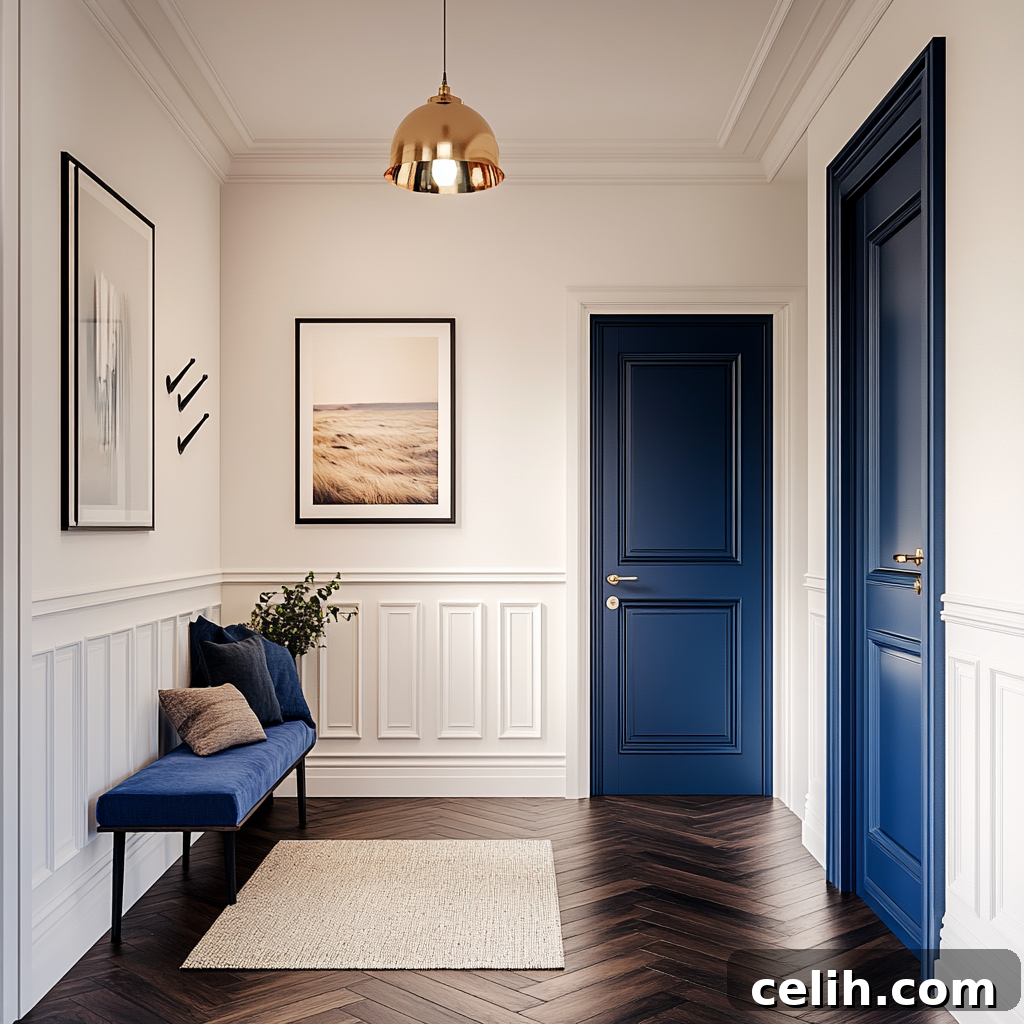
The Enduring Allure of Herringbone Parquet Flooring: A Timeless Design Choice for Modern Homes
When seeking a flooring solution that effortlessly marries timeless elegance with contemporary sophistication, herringbone parquet flooring stands out as an exceptional choice. This distinguished pattern, with its rich history and captivating visual appeal, has graced the grand halls of historic palaces and the chic interiors of modern residences alike, proving its enduring charm and practical resilience. This comprehensive article delves into the fascinating world of herringbone parquet flooring, exploring the fundamental definition of parquet, the unique characteristics of the herringbone pattern, its illustrious historical journey, and its seamless integration into today’s diverse interior design schemes. Discover why this iconic flooring continues to be a coveted feature for homeowners and designers aiming to infuse spaces with unparalleled character and a sense of refined heritage.
What is Parquet Flooring?
Parquet flooring is a distinctive type of wood flooring meticulously crafted from small, individual pieces of wood arranged into intricate geometric patterns. Unlike conventional hardwood planks that typically run in linear fashion, parquet floors are specifically designed to create a dynamic visual impact and serve as a striking focal point within a room. These elaborate patterns can range from elegant yet simple designs like chevron or basket weave to grander, more complex motifs such as Versailles or Chantilly, each telling its own unique story through the interplay of wood grains and angles.
The profound beauty of parquet flooring extends beyond its traditional patterns; it lies significantly in its inherent versatility and the artistry it embodies. Parquet can be fashioned from a wide array of exquisite wood species, including classic oak, rich walnut, delicate maple, and vibrant cherry. Each species contributes its unique grain patterns, natural hues, and textural nuances, allowing for endless design possibilities. This harmonious combination of artisanal craftsmanship and natural material is precisely what has solidified parquet’s position as a beloved flooring option for centuries. Furthermore, modern parquet installations often involve advanced interlocking systems or precise glue-down methods, ensuring both aesthetic perfection and structural integrity.
The Distinctive Herringbone Parquet Pattern
Among the vast repertoire of parquet designs, the herringbone pattern stands as one of the most iconic, recognizable, and enduring. It is characterized by rectangular wood pieces laid in a precise zigzag arrangement, where each piece is positioned at a perfect 90-degree angle to the next. This meticulous placement creates a dynamic and visually arresting pattern that strikingly resembles the skeletal structure of a herring fish, hence its evocative name.
Herringbone parquet flooring is remarkably adaptable, capable of complementing an extensive spectrum of aesthetic preferences, from the deeply traditional to the most cutting-edge contemporary. The pattern’s inherent symmetry, geometric precision, and repetitive flow contribute to its timeless appeal, enabling it to add significant depth, intricate texture, and a sense of ordered movement to any interior space. Whether it’s crafted from a light-toned, natural oak to evoke a serene Scandinavian ambiance, or from a luxurious, deep walnut to imbue a room with opulent warmth, herringbone parquet flooring is celebrated for its unparalleled versatility and breathtaking beauty. The careful selection of plank dimensions – from slender, understated strips to broader, more commanding blocks – further customizes the visual impact, allowing designers to manipulate perceived room size and create bespoke design statements.
A Brief History of Parquet Flooring
The origins of parquet flooring can be traced back to 16th-century France, where it emerged as a sophisticated and practical alternative to the then-prevalent marble floors. While undoubtedly beautiful, marble was not only prohibitively expensive to install and maintain but also highly susceptible to cracking, particularly in the unforgiving cold climates of European winters. Wood, in contrast, offered a warmer, more cost-effective, and equally elegant solution that quickly gained favor among the aristocracy.
The term “parquet” itself is derived from the Old French word “parquetry,” which translates to “small compartment.” Initially, parquet patterns were intricate masterpieces handcrafted by highly skilled artisans, rendering them an unmistakable symbol of luxury, refinement, and social status. By the 17th century, these exquisite parquet flooring patterns had become a defining feature in the grandest rooms of Europe’s most illustrious palaces, including the breathtaking Hall of Mirrors at the legendary Palace of Versailles, where its splendor continues to captivate visitors today.
Interestingly, the herringbone pattern’s journey predates its magnificent application in flooring. Its structural ingenuity originated in ancient Roman times, where it is widely believed to have been utilized in the construction of their famously durable and stable roads. This fascinating transition from a purely functional engineering design to a highly decorative and luxurious flooring element is a profound testament to the pattern’s intrinsic strength, visual appeal, and timeless adaptability.
Herringbone Parquet Flooring in Modern Homes
In contemporary interior design, parquet flooring is experiencing a significant resurgence in popularity, largely due to its remarkable ability to seamlessly bridge the divide between time-honored craftsmanship and cutting-edge modern aesthetics. Herringbone parquet, in particular, has emerged as a firm favorite among leading interior designers and discerning homeowners who are keen to add character, sophisticated elegance, and a unique narrative to their living spaces.
1. Creating Visual Interest and Flow
Herringbone parquet flooring is an unparalleled tool for introducing rich texture and profound dimension into any room. Its signature zigzag pattern instinctively draws the eye, guiding it across the floor and making spaces feel inherently dynamic and engaging. In expansive rooms, the intricate pattern expertly breaks up the potential monotony of vast floor areas, transforming them into visually stimulating landscapes. Conversely, in more compact spaces, herringbone can cleverly add a powerful sense of depth and energetic movement, making the room feel larger and more open than its actual dimensions suggest. The direction of the lay can also influence perception; running the pattern parallel to the longest wall can elongate a room, while a diagonal lay can broaden it, offering versatile spatial manipulation.
2. Versatile Style Integration
One of the most compelling attributes of the herringbone pattern is its extraordinary stylistic versatility. It integrates with equal grace and effectiveness within the cozy confines of a country cottage, a rustic farmhouse, or the sleek, minimalist interiors of an urban apartment. When thoughtfully paired with authentic mid-century modern furniture, it radiates an undeniable retro charm and authenticity. Conversely, when combined with austere, minimalist decor, it transforms into a subtle yet powerful statement piece, adding warmth and visual intrigue without overwhelming the clean lines. This adaptability makes herringbone parquet a foundational element capable of evolving with changing tastes and design trends.
3. Exceptional Durability and Longevity
Beyond its aesthetic appeal, parquet flooring is renowned for its incredible durability, particularly when expertly crafted from premium hardwood or high-quality engineered wood. With diligent care and appropriate maintenance, a well-installed parquet floor can gracefully last for many decades, establishing it as a truly worthwhile and enduring investment for any property. The inherent interlocking nature of the herringbone pattern not only enhances its visual appeal but also contributes significantly to its structural stability, effectively minimizing the likelihood of gaps forming or movement occurring over its extensive lifespan.
4. Extensive Customization Options
The beauty of herringbone parquet lies in its vast potential for customization, allowing homeowners and designers to tailor every aspect to their precise tastes and functional requirements. Choices abound, from the selection of the ideal wood species (each with its unique color and grain) and the desired finish (ranging from ultra-matte to high-gloss), to the precise size of the planks and even the specific angle of the pattern’s installation. Homeowners can opt for a classic straight-line installation that exudes traditional grandeur or experiment with more contemporary diagonal line layouts for a striking, modern twist. Additionally, options like bevelled edges, specific stain colors, and surface treatments (e.g., brushed, hand-scraped) further expand the possibilities for creating a truly bespoke floor.
Ideal Areas for Parquet Flooring in Modern Homes
Herringbone flooring is incredibly versatile and can beautifully enhance numerous areas within modern homes. Its distinct pattern and material warmth make it suitable for various functional zones:
- Living Rooms: Parquet flooring instantly injects a dose of elegance and natural warmth, serving as a sophisticated and inviting foundation for both traditional and highly contemporary furnishings. It creates a welcoming yet distinguished atmosphere for relaxation and entertainment.
- Dining Rooms: The intricate and refined patterns of parquet elevate the dining experience, fostering a sophisticated and often formal atmosphere perfect for gatherings and celebratory meals.
- Hallways and Entryways: Installing parquet in these transitional areas creates an immediate and striking first impression, gracefully introducing guests to the home’s unique design aesthetic and setting the tone for the spaces beyond. It adds a sense of grandeur from the moment one steps inside.
- Bedrooms: Parquet flooring brings a luxurious yet comforting ambiance to bedrooms, contributing significantly to a cozy, serene, and inviting environment perfect for rest and rejuvenation.
- Home Offices: It provides a professional yet stylish backdrop, enhancing the workspace’s ambiance with a touch of classic sophistication, which can inspire focus and creativity.
- Kitchens: With appropriate sealing, careful maintenance, and often by opting for engineered wood, parquet can introduce significant warmth, texture, and visual interest to kitchen spaces, especially in open-plan designs where it can seamlessly flow into adjoining living areas.
When making the crucial decision of where to install herringbone floors in your home, several key considerations should guide your choice. Foremost among these is awareness of moisture-prone areas. For spaces like bathrooms, laundries, or basements, engineered wood is undeniably the superior option due to its significantly enhanced resistance to moisture and temperature fluctuations compared to solid hardwood. Its multi-layered construction provides greater stability in challenging environments.
Additionally, give careful thought to the size and proportions of the room in conjunction with the dimensions of the wooden planks you intend to use. Herringbone patterns are adaptable to both small and large rooms, but the size of the individual planks should ideally be proportionate to the scale of the space. Larger and wider planks tend to complement more spacious areas, creating a sense of grandeur, while smaller, narrower planks typically work best in compact rooms, maintaining visual balance without overwhelming the space. A useful installation tip is to lay the pattern parallel to the longest wall of the room. This strategic approach maximizes the pattern’s innate ability to enhance spatial perception, making rooms appear longer or wider as desired, and ensuring the pattern unfolds elegantly across the floor.
Styling Parquet Flooring to Suit Different Interior Designs
One of the most significant benefits of incorporating parquet wood flooring into a modern home is its extraordinary versatility and adaptability to a multitude of different design schemes. Here’s how this classic flooring can be seamlessly integrated and styled to complement diverse interior design themes:
- Modern Minimalist Interiors: For a clean, airy, and uncluttered aesthetic, opt for light-colored white oak parquet flooring with a matte finish. Pair this with crisp neutral walls, sleek, unadorned furniture, and minimal accessories to achieve a serene and sophisticated minimalist look that emphasizes space and light.
- Industrial Chic Design: Embrace the raw beauty of industrial style with darker parquet floors, such as those in deep gray, rich espresso, or even carbon black tones. These dark floors provide a grounding contrast to exposed brick walls, raw concrete elements, and metal accents, dramatically enhancing the authentic industrial vibe.
- Scandinavian Style: Embody the essence of Scandinavian design with light-toned, often grey-washed wood floors. Combine these with pristine white walls, simple, highly functional furniture, and natural textiles to reflect the Scandinavian emphasis on brightness, simplicity, and natural elements, creating a calm and inviting atmosphere.
- Mid-Century Modern: A classic herringbone wood flooring in warm, inviting tones like teak, walnut, or honey oak perfectly aligns with the iconic silhouettes and natural materials characteristic of mid-century modern furniture pieces. This pairing creates a cohesive, sophisticated, and authentic retro-inspired look that celebrates design history.
- Eclectic Bohemian Interiors: For a free-spirited and richly layered bohemian aesthetic, consider using reclaimed parquet flooring or wood with a distressed finish. Mix and match this unique base with vibrant, patterned rugs, diverse furniture styles from various eras and cultures, and an abundance of plants to add immense depth, character, and a well-traveled feel.
- Traditional Elegance: To evoke traditional elegance and a sense of timeless luxury, select rich, dark wood parquet flooring, such as mahogany or dark cherry. Pair this with classic, upholstered furniture, opulent textiles, and a refined color palette featuring deep jewel tones or subtle neutrals for a truly luxurious and sophisticated interior that pays homage to historical grandeur.
Irrespective of the specific interior design scheme, herringbone parquet flooring consistently brings an element of timeless elegance and refined character that significantly enhances modern homes with its unique fusion of historical charm and contemporary appeal. By thoughtfully selecting not only the appropriate parquet flooring patterns but also the ideal wood species, finishes, and plank dimensions, you can meticulously tailor your flooring to perfectly complement and elevate various interior design styles, solidifying parquet’s reputation as a versatile, durable, and eternally stylish choice for any contemporary residence.
Hardwood vs. Engineered Herringbone Parquet Flooring
When selecting herringbone parquet flooring, one of the most pivotal decisions homeowners face is whether to opt for solid hardwood or engineered wood. Both materials offer distinct advantages, and the optimal choice ultimately depends on a confluence of factors including budget constraints, the specific installation location, environmental conditions, and lifestyle considerations.
Hardwood Herringbone Parquet
Solid hardwood flooring is exclusively crafted from a single, continuous piece of natural wood, extending from the top surface to the bottom. This inherent characteristic grants it an unmatched natural beauty, authenticity, and a tactile warmth that is truly unique. A significant advantage of solid hardwood is its remarkable longevity; it can be professionally sanded and refinished multiple times over its lifespan, effectively allowing homeowners to refresh and restore the floor’s original appearance for many decades, potentially even a century, of continuous use. Solid hardwood herringbone parquet is highly recommended for:
- Exceptional Durability: It possesses the inherent strength to withstand heavy foot traffic, general wear and tear, and the rigors of daily life, making it a robust long-term investment.
- Timeless Aesthetic Appeal: The organic grain patterns, natural color variations, and unique characteristics of solid wood contribute to a classic, enduring charm that transcends fleeting trends.
- Extensive Customization: Available in a vast array of wood species, each with unique properties, and can be finished with various stains and sealants to achieve a desired look.
However, solid hardwood floors do come with certain considerations. They are inherently susceptible to significant changes in humidity and temperature, which can lead to undesirable effects such as warping, cupping, or even cracking. Consequently, solid hardwood is generally not recommended for installation in areas with consistently high moisture levels, such as basements, bathrooms, or below-grade rooms, where engineered wood would be a more stable and resilient choice.
Engineered Herringbone Parquet
Engineered wood flooring represents a modern advancement in wood flooring technology. It is ingeniously constructed with a top layer of genuine wood (known as the veneer) meticulously bonded to a core of multiple layers of high-quality plywood or high-density fiberboard (HDF). This multi-layered construction provides significantly enhanced stability and superior resistance to moisture and temperature fluctuations when compared to its solid hardwood counterpart. Engineered herringbone parquet is an ideal solution for:
- Unmatched Versatility: Its robust construction allows it to be installed in a wider range of environments where solid wood might not be suitable, including basements, over concrete slabs, and effectively with underfloor heating systems, making it a highly adaptable choice.
- Cost-Effectiveness: Engineered wood flooring is frequently more affordable than solid hardwood, offering the authentic look and feel of real wood at a more accessible price point.
- Eco-Friendliness: Given that engineered wood utilizes less natural wood for its wear layer while the core can be made from rapidly renewable resources, it often stands as a more sustainable and environmentally conscious flooring option.
While engineered wood is notably durable, its wear layer (the top veneer) typically cannot be sanded and refinished as many times as a solid hardwood floor. However, high-quality engineered options featuring a thicker veneer can still offer several decades of beautiful and reliable use, providing excellent long-term value.
Caring for Herringbone Parquet Flooring
Regardless of whether you ultimately choose solid hardwood or engineered herringbone parquet, meticulous and consistent care is absolutely essential to preserve its inherent beauty, prolong its structural integrity, and ensure its longevity. Implementing a proactive maintenance routine will keep your floor looking pristine for years to come. Here are some indispensable tips for effective parquet floor care:
- Regular Cleaning Ritual: Develop a habit of regularly cleaning your traditional herringbone floors. Sweep or vacuum daily or every other day using a soft-bristle attachment to effectively remove dirt, dust, and abrasive debris that can act like sandpaper and cause microscopic scratches on the surface finish over time.
- Judicious Water Usage: When cleaning, always use a damp mop that has been thoroughly wrung out, rather than a soaking wet one. Excessive moisture is the enemy of wood flooring, as it can penetrate the wood, causing swelling, warping, and damage to the finish. Always wipe up spills immediately to prevent water penetration and staining.
- Proactive Protection Against Scratches: Be acutely aware that scratches can easily diminish the appearance of both solid and engineered wood flooring. Implement protective measures such as affixing felt pads to the bottoms of all furniture legs. Strategically place area rugs or runners in high-traffic zones, entryways, and under chairs in dining areas to absorb wear and protect the floor from potential damage.
- Maintain Optimal Humidity Levels: Wood is a natural material that reacts to its environment. Use a humidifier in dry seasons and a dehumidifier in humid seasons to maintain consistent indoor humidity levels (ideally between 35-55%). This prevents the wood from excessively expanding or contracting, which can lead to gapping or warping.
- Use pH-Neutral Cleaners: Always use cleaning products specifically formulated for wood floors and ensure they are pH-neutral. Harsh chemicals, abrasive cleaners, or steam mops can strip the finish, dull the surface, or even damage the wood itself.
- Professional Refinishing When Needed: Over extended periods, the protective finish of your parquet floor may naturally wear down, especially in high-traffic areas. When this occurs, professional refinishing can expertly restore the floor’s original luster, protect the wood, and significantly extend its lifespan, making it look brand new again.
Conclusion
Herringbone parquet flooring transcends the definition of a mere practical choice; it is a profound design statement, deeply rooted in centuries of history and tradition. Whether your preference leans towards the unparalleled natural appeal and long-term refinishing potential of solid hardwood, or the enhanced stability and environmental adaptability offered by modern engineered wood, herringbone parquet delivers an exceptional fusion of timeless elegance, remarkable durability, and versatile design capabilities. Perfectly suited for both classic and contemporary spaces, this iconic flooring style stands as a compelling testament to the enduring allure of meticulously crafted geometric patterns and the inherent beauty of natural materials. With its undeniable capacity to transform any room into an environment of refined beauty and sophisticated charm, herringbone parquet flooring continues to be a cherished selection for discerning homeowners and visionary designers worldwide.