
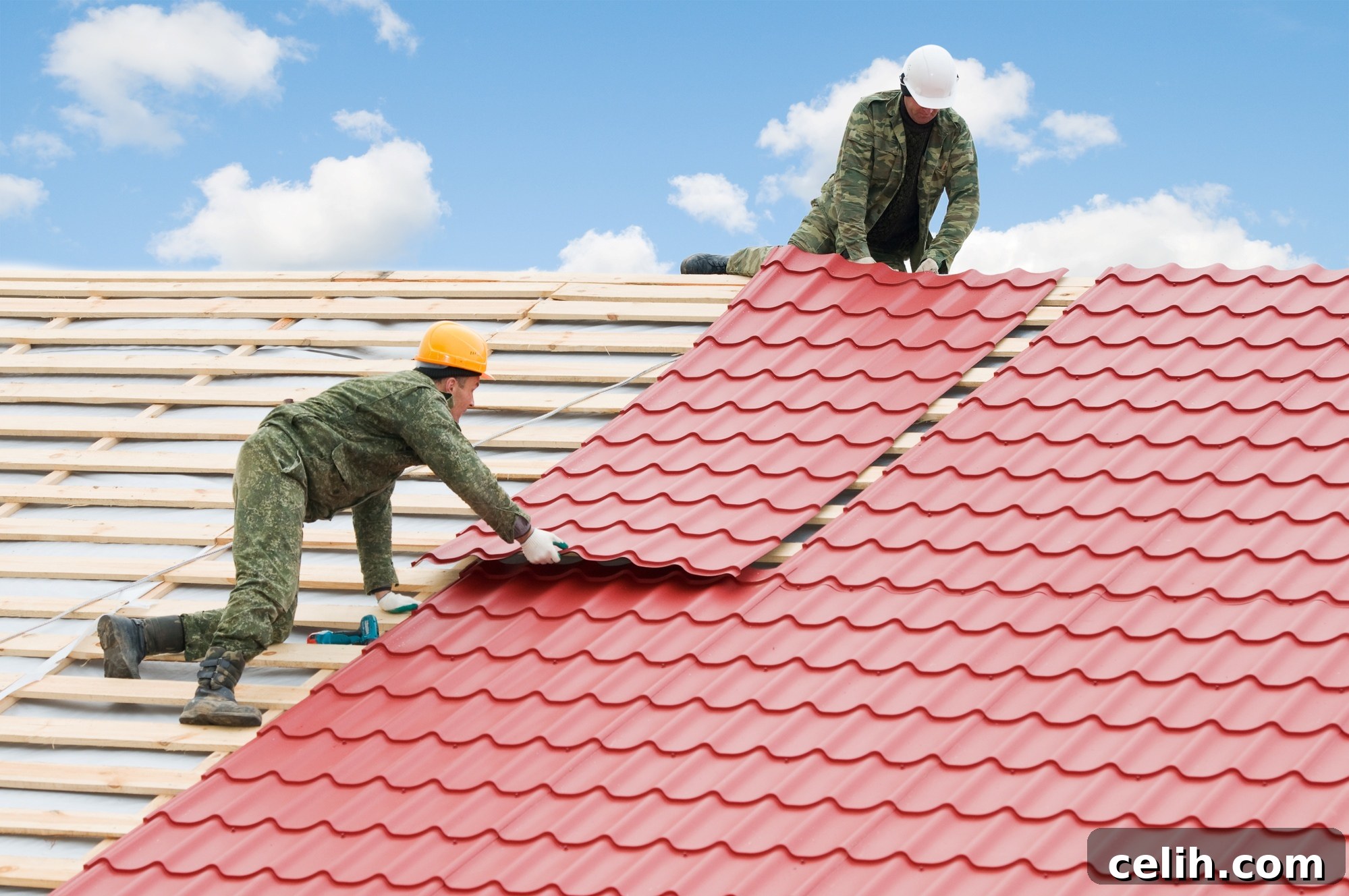
Deciding between tackling roof repair yourself or entrusting the job to seasoned professionals is a pivotal decision every homeowner eventually faces. Your roof isn’t just a structural element; it’s the primary shield protecting your most valuable asset and its inhabitants from the unpredictable forces of nature. From scorching summer sun to torrential downpours, strong winds, and heavy snow, a well-maintained, robust roof is non-negotiable for ensuring the safety, comfort, and structural integrity of your home. While the allure of do-it-yourself (DIY) projects often stems from the promise of cost savings and the deep satisfaction of completing a task independently, the inherent complexities and potential dangers associated with roof repair demand careful consideration. This comprehensive guide aims to arm you with the knowledge needed to make an informed decision, weighing the practicalities, risks, and benefits of both DIY and professional approaches to roof repair.
Professional roofing contractors bring an invaluable blend of extensive experience, specialized tools, and a profound understanding of various roofing materials, installation techniques, and crucial local building codes. Their expertise ensures that repairs are not only thorough and durable but also compliant with all safety and quality standards. Conversely, for minor, easily accessible damages or routine maintenance tasks, a knowledgeable homeowner, equipped with careful research, the right safety gear, and a healthy dose of caution, might successfully carry out repairs. The ultimate choice hinges on several critical factors: the scope and complexity of the damage, your personal skill set and comfort level with heights, and the potential financial and long-term implications for your home’s condition and your own safety. Let’s delve deeper into these considerations to help you navigate your roofing repair journey.
Decoding Roof Damage: A Comprehensive Assessment
Before you can decide on the best course of action—whether a quick DIY fix, a professional repair, or even a full replacement—a thorough assessment of your roof’s condition is paramount. Understanding the extent and nature of the damage will guide your decision-making process.
Conducting Your Own DIY Roof Inspection
A basic DIY roof inspection can often uncover obvious signs of damage, helping you determine if a professional intervention is needed. Always prioritize safety during any inspection. Wear sturdy, non-slip shoes and use a stable, properly secured ladder. If you’re not comfortable on a ladder or on the roof, it’s safer to stay on the ground.
Begin your inspection from the ground. Walk around your home and visually scan the roofline for any noticeable sagging, unevenness, or distorted areas, which could indicate structural issues. Look for shingles that appear out of place, curled, buckled, or missing entirely. Pay attention to the chimney, vents, and other roof penetrations for visible cracks or deterioration around their flashing.
If you’re comfortable and safe using a secured ladder, you can get a closer look at the roof surface. Carefully check:
- Shingles: Look for cracked, split, curled, blistered, or missing shingles. Note any areas where the granular surface has worn away, revealing the asphalt beneath. This granular loss often signifies advanced wear.
- Flashing: Inspect the metal strips around chimneys, skylights, vents, and valleys. Ensure they are securely sealed and show no signs of bending, rust, tears, or loose caulk, as compromised flashing is a common source of leaks.
- Gutters: Examine your gutters and downspouts. An accumulation of shingle granules in the gutters is a clear indicator that your shingles are deteriorating and nearing the end of their lifespan. Also, check for debris buildup that could prevent proper water drainage.
- Soffit and Fascia: Look for any signs of water damage, rot, or pest infestations along these crucial components that support your roof’s edge and enclose the underside of your roof’s overhang.
- Attic Inspection: If safely accessible, check your attic for signs of water stains on the underside of the roof deck or insulation, mold growth, or unusual odors, which are clear indicators of a leak.
When to Elevate to Roofing Professionals
While a DIY inspection can identify surface-level problems, it’s absolutely essential to consult certified roofing professionals when the damage extends beyond minor cosmetic issues, or when you suspect underlying structural compromise. Professionals possess the specialized tools, expertise, and safety training to accurately assess the structural integrity, safety, and overall health of your roof without putting themselves or your property at undue risk. Situations that unequivocally warrant professional attention include:
- Large-Scale Damage: If your roof has suffered extensive damage from a severe storm—such as widespread missing shingles, visible holes, or damage to the underlying structure—a professional assessment is crucial. They can accurately gauge the full extent of the damage, including issues not visible from the ground.
- Persistent Water Infiltration: Any signs of water damage inside your home, such as water stains on ceilings or walls, dripping, or the presence of mold, demand immediate professional investigation. Even small leaks can lead to significant structural damage, rot, and health hazards if not addressed promptly and correctly.
- Age of the Roof: If your roof is nearing or has exceeded its expected lifespan (typically 20-25 years for asphalt shingles, longer for other materials), it’s advisable to have it professionally inspected. Older roofs are more prone to widespread wear and tear that may necessitate replacement rather than just repairs, even if no obvious signs of severe damage are present.
- After a Severe Weather Event: Following hail storms, high winds, or heavy snowfall, even if your roof appears fine, professional inspection can uncover hidden damage that might not be immediately apparent but could lead to leaks or further deterioration over time.
- Structural Concerns: Any noticeable sagging in the roofline, bowing of the fascia, or significant unevenness should prompt an immediate call to a professional, as these can indicate serious structural issues.
- Complex Repairs: If the repair involves difficult-to-access areas, steep pitches, or specialized roofing materials, it’s best left to experts who have the necessary equipment and experience.
Roofing professionals have the diagnostic tools and deep expertise to make informed decisions about the necessity of repairs versus full replacement, ensuring your home’s safety, structural integrity, and long-term protection.
Navigating Your Options: DIY Versus Professional Roofing Services
Once you’ve assessed the damage, the next step is to weigh your options. This involves a critical evaluation of the pros and cons of taking on the repair yourself versus the distinct advantages that professional roofing services offer. Your decision will have significant implications for the longevity of your roof and the safety of your home.
The Allure and Pitfalls of DIY Roof Repair
For many homeowners, the idea of tackling a roof repair project can be appealing. However, it’s crucial to understand both the potential benefits and the considerable drawbacks.
Pros of DIY Roof Repair:
- Significant Cost Savings: The most obvious advantage is saving on labor costs, which often constitute a large portion of a professional roofing bill. You only pay for materials, potentially making minor repairs much more affordable.
- Scheduling Flexibility: You can undertake the repairs at your own convenience, fitting the work into your personal schedule without having to coordinate with a contractor’s availability.
- Sense of Accomplishment: Successfully completing a complex home repair project can be incredibly rewarding, fostering a sense of pride and self-sufficiency.
- Learning Opportunity: For those interested in home maintenance, DIY repair offers a chance to learn new skills and gain a better understanding of your home’s structure.
Cons of DIY Roof Repair:
- High Risk of Injury: Working on a roof is inherently dangerous. Falls from heights are a leading cause of serious injuries and even fatalities among homeowners. Without proper safety training, equipment (harnesses, safety ropes, secure ladders), and experience, the risk of accidents, including falls, cuts, and electrical shocks from power lines, increases exponentially.
- Subpar Quality and Further Damage: A lack of specialized knowledge and experience can lead to improper repair techniques, incorrect material selection, or faulty installation. This often results in repairs that are not durable, may not adequately seal against the elements, and could even lead to more extensive and costly damage in the long run, negating any initial cost savings.
- Voiding Warranties: Many roofing material manufacturers’ warranties require installation or repair by a certified professional to remain valid. DIY repairs could inadvertently void these crucial warranties, leaving you unprotected if future defects arise.
- Time and Effort Commitment: Roof repair can be incredibly time-consuming and physically demanding. What seems like a quick fix can often turn into a multi-day project, especially for inexperienced individuals.
- Lack of Specialized Tools: Professionals use specific tools for efficiency and precision. Homeowners may lack these tools, making the job harder and less effective, or requiring costly purchases for a one-time use.
- Permits and Building Codes: Many localities require permits for certain roof repairs or replacements. Homeowners might be unaware of these requirements or unable to ensure their DIY work complies with local building codes, leading to potential fines or issues during resale.
Unlocking the Benefits of Professional Roof Repair
While the initial cost of hiring a professional might seem higher, the long-term benefits and peace of mind they offer often outweigh the upfront expenses.
Benefits of Hiring Professional Roofing Contractors:
- Unmatched Expertise and Experience: Professional roofers possess years of hands-on experience and specialized training. They have a deep understanding of various roofing materials, their installation nuances, and how to accurately diagnose and effectively repair complex issues that a homeowner might overlook. They stay updated on the latest industry standards and techniques.
- Ensured Safety: Safety is a top priority for professional roofing companies. They are equipped with the necessary safety gear, proper training, and protocols to minimize the risk of accidents. Furthermore, reputable contractors carry liability insurance, protecting you from financial responsibility in case of worker injury or property damage during the repair process.
- Superior Quality and Durability: Professionals guarantee high-quality workmanship. They use appropriate tools, select the right materials, and adhere to best practices to ensure repairs are thorough, long-lasting, and seamlessly integrate with your existing roof. This reduces the likelihood of recurrent issues and extends your roof’s overall lifespan.
- Compliance with Building Codes and Regulations: Professional roofers are knowledgeable about local building codes and permitting requirements. They ensure all work complies with these regulations, preventing potential legal issues, fines, or problems when selling your home.
- Warranties and Guarantees: Most professional roofing companies offer warranties on their workmanship, in addition to manufacturers’ warranties on materials. This provides invaluable peace of mind, knowing that if any issues arise with the repair within a specified period, the contractor will address them at no additional cost.
- Efficiency and Convenience: Professionals can complete repairs far more quickly and efficiently than a DIY enthusiast, minimizing disruption to your daily life. They manage all aspects of the job, from material procurement to debris removal.
- Long-Term Value and Savings: While the initial cost may be higher, professional repairs prevent costly recurring problems, extend the life of your roof, and maintain your home’s value. A well-repaired roof can also improve energy efficiency, leading to lower utility bills over time.
Repair or Replace? Key Factors for Your Decision
The choice between repairing a damaged section of your roof and undertaking a full roof replacement is often the most significant decision. Several key factors should influence this critical assessment:
- Age of the Roof: This is perhaps the most crucial factor. If your asphalt shingle roof is 20-25 years old or older, repairs might be a short-term fix for a systemic problem. At this age, the entire roof structure and materials are likely reaching the end of their useful life, making replacement a more cost-effective and prudent long-term solution. For metal or tile roofs, lifespans can be significantly longer.
- Extent and Nature of Damage: Small, isolated issues, such as a few missing shingles or minor flashing damage, are usually prime candidates for repair. However, if there’s widespread damage, multiple leaks, sagging, or significant structural compromise (e.g., rot in the decking), a full replacement is often the only viable option to ensure long-term integrity.
- Cost Analysis: While initial repair costs are typically lower than replacement, it’s essential to consider the long-term financial implications. If you’re facing repeated, costly repairs on an aging roof, the cumulative expense might quickly surpass the cost of a new roof, which offers a fresh start and a new warranty. A professional can provide an honest cost-benefit analysis.
- Roofing Material: The type of roofing material can influence the decision. Some materials, like asphalt shingles, are relatively easy to repair in sections. Other materials, such as specific types of tiles or metal panels, might be harder to match or repair without specialized expertise, potentially pushing the decision towards replacement if damage is extensive.
- Energy Efficiency: An old, compromised roof can contribute to significant energy loss. A new roof, especially one installed with modern insulation and ventilation techniques, can dramatically improve your home’s energy efficiency, leading to substantial savings on heating and cooling costs over time.
- Home Value and Curb Appeal: A new roof significantly enhances a home’s curb appeal and can boost its resale value. If you plan to sell your home in the near future, a new roof can be a powerful selling point. Conversely, a roof in disrepair can deter potential buyers or lead to lower offers.
- Local Building Codes and Insurance: Always check with your local municipality for any building code requirements for repairs or replacements. Additionally, consult your homeowner’s insurance policy regarding coverage for storm damage or sudden incidents, as this can heavily influence the financial aspect of your decision.
Beyond the Repair: Essential Roof Maintenance Tips
Regardless of whether you choose DIY or professional repair, proactive roof maintenance is key to extending its lifespan and preventing future costly damage. Regular upkeep can identify minor issues before they escalate.
- Regular Inspections: Perform semi-annual visual inspections, ideally in spring and fall, to check for common problems like missing or damaged shingles, debris accumulation, or compromised flashing. After severe weather, always conduct a quick inspection.
- Gutter Cleaning: Keep gutters and downspouts free of leaves, twigs, and other debris. Clogged gutters can cause water to back up, leading to fascia damage, ice dams in winter, and water penetration into your home’s foundation or attic.
- Trim Overhanging Branches: Trim any tree branches that hang over your roof. These can scratch shingles, drop leaves and debris, and provide easy access for pests. During storms, falling branches can cause significant damage.
- Check Attic Ventilation: Ensure your attic is properly ventilated. Good airflow prevents heat and moisture buildup, which can lead to premature roof deterioration and mold growth.
- Moss and Algae Control: Address any moss, algae, or lichen growth promptly. While some treatments can be DIY, for extensive growth, professional cleaning is recommended to avoid damaging shingles.
Conclusion: Making an Informed Decision for Your Home’s Future
Your roof is much more than just shingles and beams; it’s a vital component of your home’s defense system and overall value. The decision to undertake DIY roof repair or enlist the expertise of professionals is not one to be taken lightly. Hopefully, this comprehensive guide has provided you with the necessary “food for thought” and clarity to navigate this crucial choice.
While the allure of cost savings and personal accomplishment makes DIY an attractive option for minor, easily accessible issues, the inherent safety risks, the potential for substandard workmanship, and the complexities involved in significant repairs often tip the scales in favor of professional assistance. Experienced roofing contractors offer not only unparalleled expertise and specialized tools but also the assurance of safety, long-lasting quality, adherence to building codes, and valuable warranties. By carefully assessing the extent of the damage, considering your comfort level and skill set, and weighing the short-term savings against the long-term benefits and risks, you can make a decision that best serves your home’s integrity and your peace of mind.
Remember, a proactive approach to roof maintenance and an informed decision on repairs are essential for protecting your property from the elements, ensuring the safety of your loved ones, and preserving your home’s value for years to come. When in doubt, always err on the side of caution and consult with a reputable roofing professional. Their insights can save you significant time, money, and stress in the long run.