
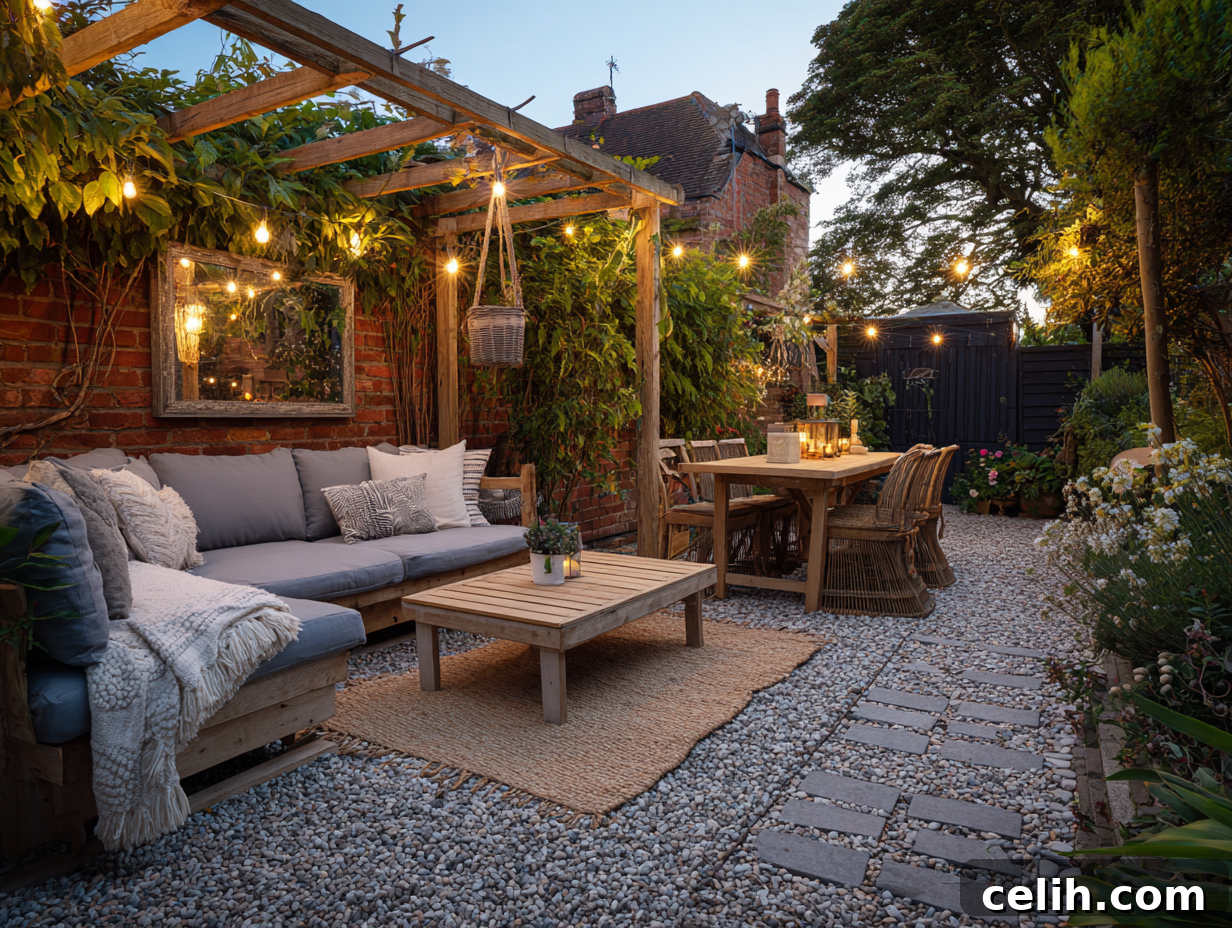
More homeowners are prioritizing outdoor spaces that look great but require minimal upkeep. With busier schedules, people want gardens, patios, and yards they can enjoy without spending hours on maintenance. Those exploring custom outdoor living solutions often seek landscaping that cuts down on chores while delivering a polished, functional environment.
The Shift Toward Practical Outdoor Living
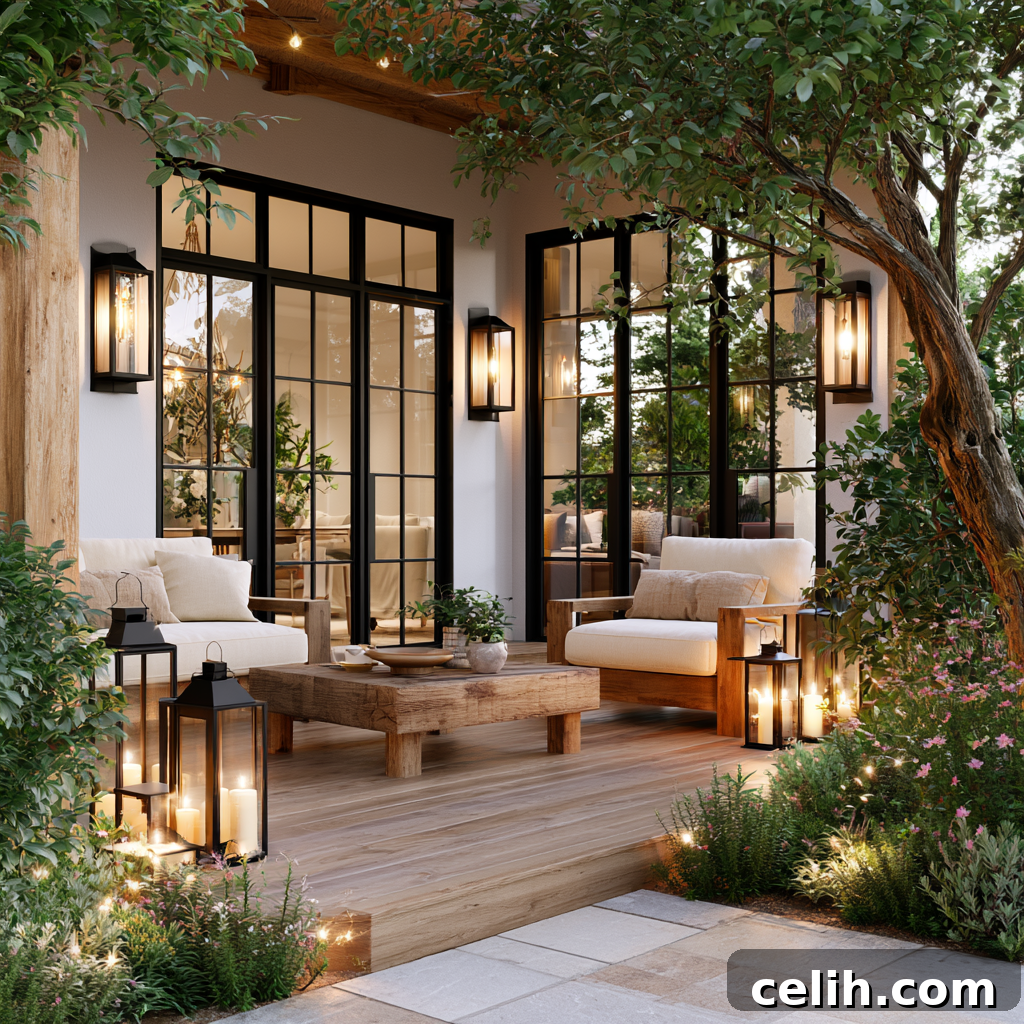
Outdoor areas are no longer seen as spaces that demand constant attention. Homeowners increasingly want environments that remain attractive without frequent mowing, watering, trimming, or repairs. This preference for simplicity has pushed designers to prioritize solutions that retain their appearance with little effort.
Contemporary outdoor designs now favor materials and layouts that reduce ongoing maintenance. Durable hardscapes, efficient irrigation where needed, and thoughtfully chosen planting schemes allow homeowners to spend less time on upkeep and more time using their outdoor spaces. Practicality has become a defining trait of modern residential landscaping.
Why Convenience Is Influencing Design Choices
Convenience is a major factor in home improvement decisions. As people juggle work, family, and personal commitments, features that save time and simplify responsibilities grow in appeal. Outdoor spaces are no exception.
Low-maintenance design keeps a property looking clean and inviting without long weekend work sessions. For homes where the yard is a gathering place—whether for entertaining, relaxing, or family time—ease of upkeep increases how often the space is used. The simpler it is to maintain, the more integral it becomes to everyday life.
Materials That Support Long-Term Performance
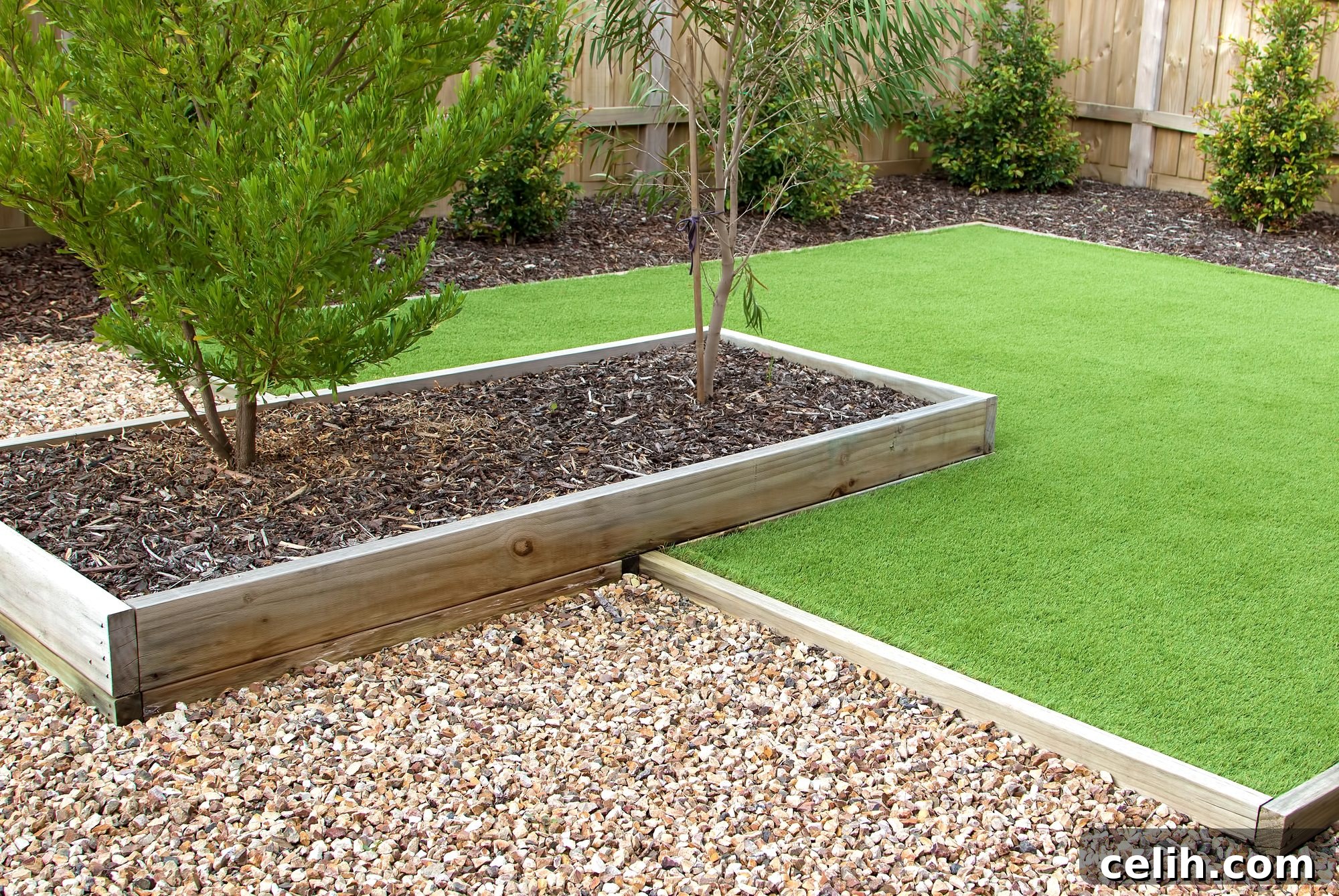
Modern outdoor schemes use materials designed to withstand weather and retain their look over time. Homeowners now choose products that combine durability with aesthetic appeal to reduce the frequency of replacements or repairs. A focus on longevity results in outdoor spaces that stay attractive for years.
Artificial turf, composite decking, and weather-resistant furniture are popular because they cut maintenance while supporting a cohesive design. These choices help strike a balance between beauty and functionality, making yards easier to care for without sacrificing style.
Outdoor Spaces as Extensions of the Home
Outdoor living has evolved into an integral part of the home. Patios, gardens, and backyards are increasingly planned as natural extensions of interior living areas, enabling seamless movement between inside and out.
To support this integrated lifestyle, people choose outdoor amenities that stay presentable with minimal effort. Comfortable seating, resilient surfaces, and efficient layouts create outdoor rooms that are used regularly rather than neglected. The outcome is an exterior space that feels like a true continuation of the home.
Sustainability and Reduced Resource Consumption
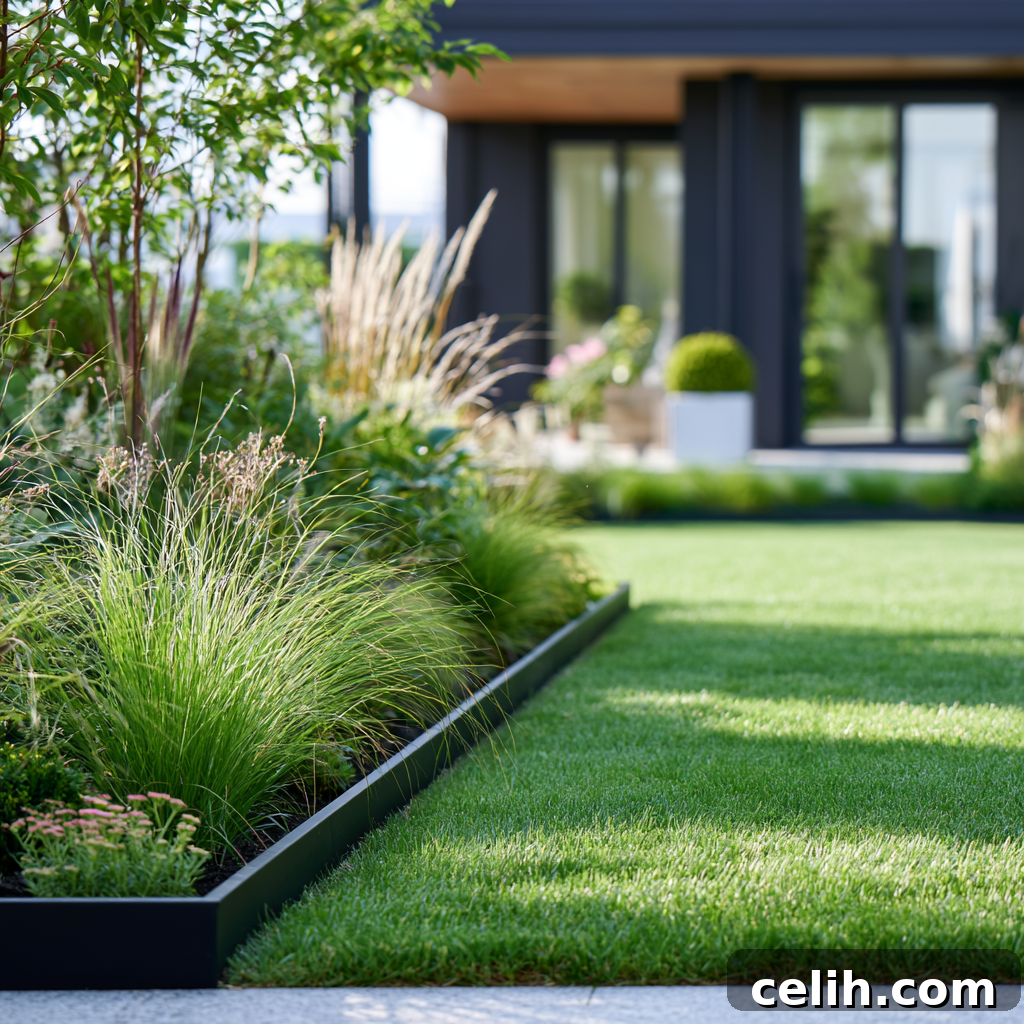
Low-maintenance design often aligns with sustainability goals. Many homeowners aim to cut water use and lessen the environmental impact of traditional landscaping. This has driven wider adoption of solutions that use fewer resources while still delivering attractive results.
Reducing irrigation needs, limiting fertilizer use, and cutting reliance on fuel-powered equipment not only lowers environmental impact but also reduces ongoing costs and routine tasks. The combined environmental and practical benefits continue to boost interest in low-maintenance outdoor design.
The Future of Residential Outdoor Design
As homeowner preferences shift, low-maintenance outdoor spaces will remain a major influence on residential design. Future trends will likely emphasize even more efficient and adaptable outdoor environments that demand little upkeep while supporting diverse activities. Designers will keep exploring innovative materials and planting strategies that enhance both convenience and curb appeal.
This movement reflects a broader redefinition of comfort and functionality at home. Rather than valuing features that require constant care, homeowners increasingly favor solutions that maximize enjoyment and minimize work. The result is a new approach to outdoor living that suits modern lifestyles and promotes long-term satisfaction.
Low-maintenance outdoor design has become central to contemporary home planning because it meets the practical needs of today’s households. By combining convenience, durability, sustainability, and attractive design, these spaces deliver lasting value and enrich everyday living. As demand for efficient, beautiful outdoor environments grows, low-maintenance solutions will continue shaping the homes of the future.