
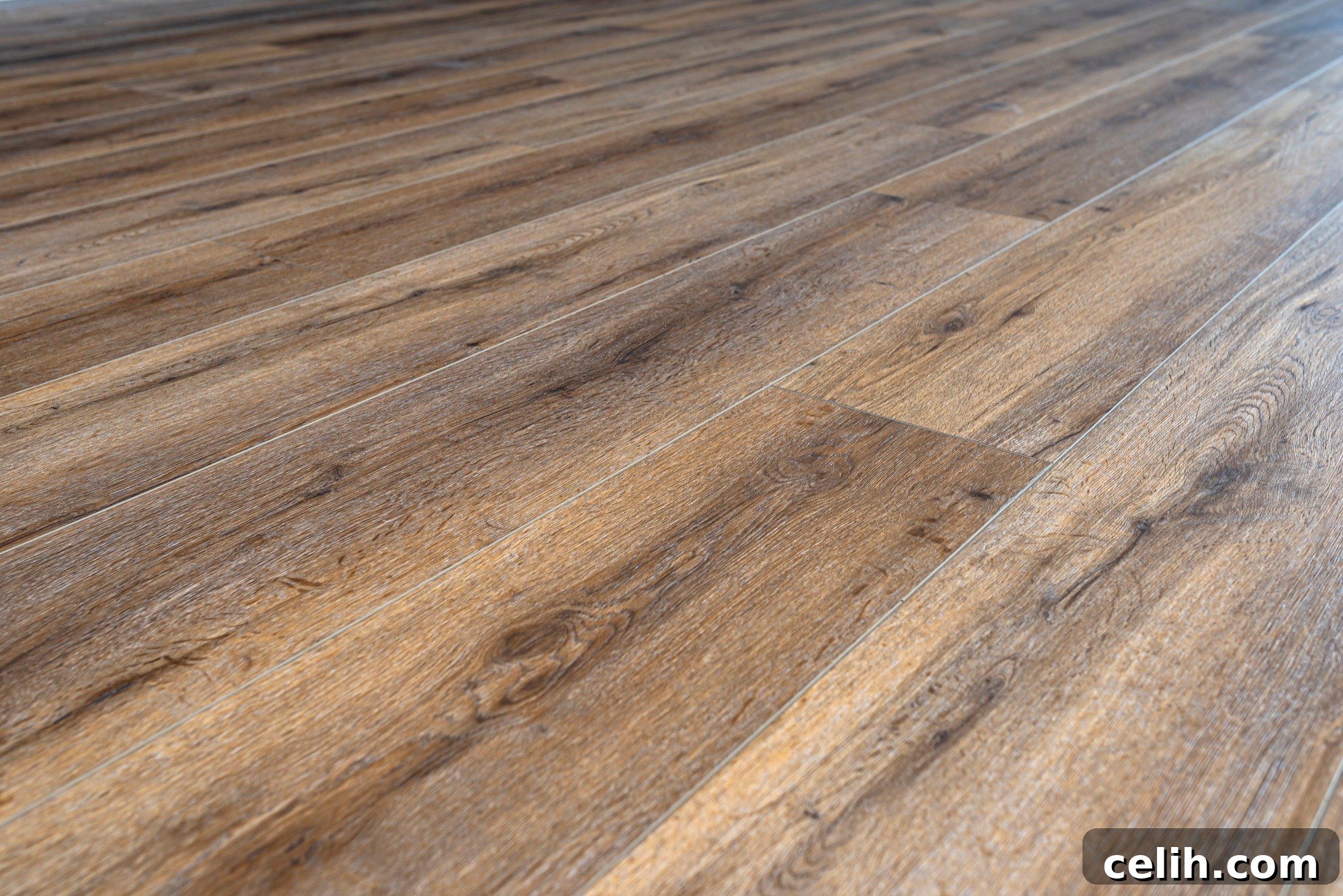
Flooring is often an understated element in home design, easily overlooked when in pristine condition. Yet, its impact on a home’s overall aesthetic, perceived modernity, cleanliness, and sense of being well-cared for is monumental. As we look towards 2026, discerning buyers and renters are shifting their focus beyond mere surface style, paying closer attention to critical factors like durability, sustainability, material integrity, and the quality of finish. The right flooring can profoundly transform a space, making rooms feel brighter, more expansive, and harmoniously connected. If your goal is to significantly enhance your home’s market value without overstretching your budget or succumbing to fleeting trends, a strategic upgrade to your floors emerges as one of the most practical and impactful improvements you can undertake. This guide will explore the top flooring trends of 2026, offering insights into choices that marry style with substance and promise a substantial return on investment.
Luxury Vinyl Flooring: The Epitome of Affordable Elegance and Practicality
Luxury vinyl tiles (LVT), alongside luxury vinyl planks (LVP), are set to dominate home renovation ideas in 2026, and for excellent reasons. This innovative flooring solution has perfected the art of imitation, offering the sophisticated appearance of natural hardwood or genuine stone without the associated high costs or demanding maintenance. Modern manufacturing techniques have advanced to a point where LVT not only visually replicates intricate wood grains and stone patterns but also mimics their textures, providing a remarkably authentic underfoot experience.
LVT’s standout features make it particularly appealing to contemporary homeowners. It is inherently water-resistant, making it an ideal choice for moisture-prone areas such as kitchens, bathrooms, laundry rooms, and even basements, where traditional hardwood would be unsuitable. Furthermore, its exceptional scratch-resistant properties stand up admirably to the rigors of busy households, effortlessly enduring the playful antics of children and pets, spills, and everyday wear and tear. This resilience ensures that your floors maintain their pristine condition for years, preserving your home’s aesthetic appeal and value.
The rise of LVT is also fueled by its remarkable versatility. Available in a vast array of styles, colors, and patterns, it can seamlessly complement any interior design scheme, from ultra-modern minimalism to classic traditionalism. Its layered construction, typically involving a durable wear layer, a high-definition printed design layer, and a resilient core, provides stability and comfort. Types like Rigid Core LVT (including SPC and WPC) offer even greater stability and dent resistance, making them superior options for high-traffic zones.
Benefits of LVT flooring, making it a top choice for home value enhancement:
- Exceptional Durability and Waterproof Nature: Perfect for families with active lifestyles, children, or pets, offering peace of mind against spills and daily wear.
- Remarkably Low Maintenance: Requires only simple sweeping and occasional damp mopping to keep it looking new, freeing up valuable time.
- Achieves a Modern Aesthetic: Its ability to flawlessly mimic high-end natural materials provides a sophisticated foundation that complements and elevates any interior design vision.
- Cost-Effectiveness: Delivers the luxurious look of wood or stone at a fraction of the cost, ensuring a high-impact upgrade without breaking the bank.
- Versatile Application: Suitable for virtually every room in the house, from living rooms and open-plan areas to kitchens and bathrooms, ensuring consistent style throughout.
Choosing LVT flooring allows homeowners to enhance their property’s appeal and functionality without exceeding their budget, proving that premium looks and lasting performance can indeed be affordable.
Engineered Hardwood Flooring: Classic Beauty Meets Modern Stability
Engineered hardwood flooring represents a sophisticated marriage of timeless elegance and advanced structural stability. Unlike solid hardwood, which is a single piece of timber, engineered planks are constructed with multiple layers. A top veneer of real, premium wood (such as oak, maple, or walnut) is bonded to a core of high-density fiberboard or plywood. This innovative construction grants engineered hardwood superior resistance to warping and gapping, making it an ideal choice for homes with fluctuating humidity levels, expansive open layouts, or even installations over radiant heating systems, where solid wood might struggle.
Homeowners and discerning buyers continue to gravitate towards engineered hardwood for its undeniable ability to deliver the authentic warmth, character, and luxury feel of real wood. It offers that coveted premium aesthetic that significantly boosts a home’s perceived value and marketability. Furthermore, its enhanced stability and long-lasting durability make it a particularly smart investment for those looking to purchase or upgrade properties for rental purposes, ensuring a durable and attractive solution for tenants.
Key trends driving engineered hardwood’s popularity in 2026 include:
- Light Oak and Natural Wood Tones: These shades continue to reign supreme, offering a bright, airy, and versatile backdrop that effortlessly complements various color palettes and design styles. They evoke a sense of spaciousness and tranquility, aligning with contemporary preferences for natural, minimalist aesthetics.
- Extra-Wide Boards: Moving beyond traditional plank widths, wider boards (often 7 inches or more) create a grander, more seamless visual effect. This trend not only makes rooms feel more expansive and less cluttered but also highlights the natural beauty and unique grain patterns of the wood, adding to its luxurious appeal.
- Matte and Low-Sheen Finishes: Increasingly preferred over high-gloss options, matte finishes offer a more understated elegance. They are also more forgiving, subtly concealing minor scuffs and dust, contributing to a consistently pristine look with less effort.
- Wire-Brushed and Hand-Scraped Textures: These finishes add tactile depth and character, mimicking the look of aged, artisanal wood. They are excellent for disguising everyday wear and tear, enhancing the floor’s durability and creating a unique, lived-in feel.
Engineered hardwood can be installed throughout living areas, bedrooms, and even some kitchen spaces (with proper sealing and care), seamlessly adding a high-end touch that appeals to a wide range of buyers. Its combination of aesthetic appeal, structural integrity, and relative ease of maintenance solidifies its position as a top-tier flooring option for enhancing home value.
Sustainable Flooring Options: Elevating Style with Eco-Consciousness
In an era increasingly defined by environmental awareness, sustainable flooring options are not just a trend but a significant value booster, particularly for the growing demographic of eco-conscious buyers. Investing in green flooring solutions demonstrates a commitment to responsible living and enhances your home’s appeal by positioning it as a thoughtful, modern, and future-proof investment. Materials like bamboo, cork, and reclaimed wood offer unique textures and natural beauty, while simultaneously reducing your home’s carbon footprint and supporting environmentally friendly practices.
Let’s delve deeper into these popular sustainable choices:
- Bamboo Flooring: A rapidly renewable grass that matures in 3-5 years, making it an excellent alternative to slow-growing hardwoods. Modern bamboo flooring, especially strand-woven varieties, can be incredibly hard and durable, surpassing many traditional woods in strength. It offers a clean, contemporary aesthetic with distinct grain patterns and is available in various finishes, from light natural tones to darker carbonized options. Its quick regeneration cycle makes it a highly sustainable resource.
- Cork Flooring: Harvested from the bark of cork oak trees without harming the tree itself, cork is a truly renewable resource. It boasts unique natural insulation properties, offering excellent thermal and acoustic benefits, making rooms quieter and more energy-efficient. Cork is also naturally hypoallergenic and resistant to mold and mildew, contributing to healthier indoor air quality. Its soft, resilient nature provides exceptional underfoot comfort, and its distinctive texture adds a warm, organic touch to any space.
- Reclaimed Wood Flooring: Sourced from old buildings, barns, and factories, reclaimed wood offers unparalleled character and a rich history. Each plank tells a story, featuring unique nail holes, distress marks, and original patina that cannot be replicated. By diverting wood from landfills and repurposing it, reclaimed flooring significantly reduces demand for new timber and minimizes environmental impact. It is exceptionally durable, having often withstood decades of use, and brings a unique, rustic-chic aesthetic that adds immense value and distinctiveness to a home.
Advantages of sustainable flooring that resonate with modern buyers:
- Environmentally Friendly and Renewable Materials: Appeals directly to buyers seeking to reduce their ecological impact and live in healthier homes.
- Distinctive and Unique Designs: These materials offer aesthetic qualities that stand out from conventional options, adding personality and bespoke appeal to your interiors.
- Improved Indoor Air Quality: Many sustainable options use low-VOC (Volatile Organic Compound) finishes and glues, contributing to a healthier living environment.
- Long-Term Durability and Value: Often engineered for longevity, these floors are a sound investment that pays off over time.
In 2026, buyers are increasingly willing to pay a premium for homes with eco-friendly upgrades. Sustainable flooring not only enhances your home’s style and contributes to a unique aesthetic but also strategically positions your property as modern, responsible, and desirable for future generations, ultimately commanding a higher market price.
Large-Format Tile Flooring: Achieving a Sleek and Expansive Modern Look
Large-format tiles have surged in popularity across virtually every room in the contemporary home, becoming a hallmark of sleek, modern design. Defined by their larger dimensions (typically 12×24 inches or larger, often extending to 24×48 inches and beyond), these tiles create a visually expansive and uncluttered aesthetic. The most compelling advantage of large-format tiles is the significant reduction in grout lines. Fewer grout lines translate into a cleaner, more seamless surface that is easier to maintain and inherently resistant to moisture, making them particularly well-suited for high-moisture areas like bathrooms and kitchens, as well as high-traffic entryways and open-plan living spaces.
Advances in manufacturing technology mean that porcelain and ceramic tiles, which form the bulk of large-format offerings, can now mimic natural stone, concrete, and even wood with astonishing realism. This allows homeowners to achieve the sophisticated look of expensive natural materials with the added benefits of tile’s durability, low maintenance, and water resistance. The precise detailing in veining, color variation, and texture means these tiles offer an aesthetic indistinguishable from their natural counterparts, combining beauty with unparalleled practicality.
Benefits of incorporating large-format tiles into your home:
- Creates an Illusion of Greater Space: With fewer breaks in the surface, large tiles make rooms appear larger, more open, and less cluttered, which is highly appealing to buyers.
- Simplified Maintenance: Fewer grout lines mean less surface area for dirt and grime to accumulate, making cleaning significantly easier and more efficient. Their inherent resistance to moisture and stains further simplifies upkeep.
- Luxurious, Modern Design: The seamless and expansive look of large-format tiles exudes a high-end, contemporary sophistication that strongly attracts discerning buyers looking for move-in-ready homes.
- Exceptional Durability: Porcelain and ceramic tiles are incredibly hard-wearing, resistant to scratches, dents, and heavy foot traffic, ensuring a long-lasting and resilient floor.
- Versatile Application: Ideal for creating a cohesive look across various zones, from expansive living areas to spa-like bathrooms and functional kitchens, enhancing overall home flow.
The timeless appeal and robust performance of large-format tiles make them a highly desirable feature, communicating quality and thoughtful design to potential buyers and contributing positively to your home’s market value.
Strategic Flooring Tips That Significantly Boost Home Value
Beyond selecting the right material, how you plan and execute your flooring upgrade plays a crucial role in maximizing your home’s appeal and value. Paying attention to these strategic details can make a profound difference in how potential buyers perceive your property.
1. Ensure Consistent Flooring Across Open-Plan Areas: A simple yet highly effective way to elevate your home’s overall feel is by maintaining consistent flooring throughout open-plan spaces. This unbroken visual flow creates a sense of cohesion and makes individual areas feel more integrated and spacious. Imagine a single type of flooring extending from the living room into the dining area and kitchen – this seamless transition visually expands the space, making the entire floor plan feel larger, more harmonious, and thoughtfully designed. It removes visual clutter and allows buyers to envision their own furniture and decor more easily.
2. Opt for Neutral, Adaptable Tones: While personal style is important, when selling, choosing neutral and adaptable flooring tones is a smart strategy. Colors like light grays, warm beige, classic oak, or muted browns offer a versatile canvas that complements a wide array of interior design styles and color palettes. This broadens your home’s appeal to a wider range of buyers, as it reduces their perceived need for immediate cosmetic changes to suit their taste. Neutral floors allow potential buyers to envision their own lives within the space without being deterred by overly specific or dated design choices.
3. Prioritize Smooth Transitions Between Rooms: Even when changing flooring types between different functional areas (e.g., hardwood in a living room transitioning to tile in a bathroom), ensuring smooth, level transitions is critical. Uneven thresholds or abrupt changes can interrupt the flow and create tripping hazards, signaling poor craftsmanship. Investing in high-quality transition strips that perfectly match or complement your flooring materials enhances the professional finish and contributes to a safer, more polished feel, subtly reinforcing the idea of a well-maintained home.
4. Meticulous Attention to Finish and Condition: The most stylish material can be instantly undermined by a poor finish or visible wear. Scuffs, scratches, uneven edges, lifting planks, or poorly executed joins can quickly detract from even the most expensive flooring. These imperfections signal neglect and potential future expenses to buyers. Simple upgrades, such as replacing worn or dated thresholds, ensuring skirting boards are updated to suit new floor heights, or carefully color-matching trims, can make an enormous difference. These small details convey a sense of completeness and meticulous care, indicating that the home has been well-loved and maintained.
5. Choose Hardwearing Surfaces for High-Traffic Zones: Strategically installing durable, hardwearing surfaces in high-traffic areas like hallways, entryways, kitchens, and family rooms is paramount. These are the spaces buyers tend to inspect most closely, and signs of wear here can significantly impact their perception of the home’s overall quality and longevity. Materials like porcelain tile, LVT, or highly durable engineered hardwood will stand up to constant use, resisting scratches and stains, thereby preserving your home’s fresh, market-ready appearance for longer.
6. Enhance Underfoot Comfort and Efficiency: Practical details that improve daily living often resonate deeply with buyers, even if they aren’t immediately obvious. Adding a quality underlay beneath laminate or engineered boards can significantly reduce noise, absorb impact, and provide a more solid, substantial feel when walking across the room. This subtle signal of quality conveys a sense of luxury and thoughtful construction during viewings. Similarly, ensuring your flooring works effectively with underfloor heating systems or contributes to better insulation can add significantly to the overall sense of warmth, comfort, and energy efficiency in the home. These often-overlooked practical details collectively shape how a space is experienced, making it feel calm, robustly built, well-maintained, and utterly ready for immediate move-in without the need for additional updates or costly interventions.
Final Thoughts on Strategic Flooring Investment
In the dynamic real estate market of 2026, upgrading your home’s flooring is unequivocally one of the most effective and impactful ways to significantly increase its market value and appeal. Far from being a mere aesthetic choice, the right flooring acts as a foundational element that can profoundly transform your home from merely average to genuinely high-end. This strategic enhancement attracts a broader pool of discerning buyers, enables you to justify a higher asking price, and ultimately results in a more lucrative sale.
Whether you are embarking on a comprehensive renovation project to enhance your living experience or meticulously preparing your property for sale, investing in high-quality, on-trend flooring is a remarkably smart, long-term strategy. It’s an investment that pays dividends not only in tangible financial returns but also in the daily enjoyment and pride you’ll derive from a beautifully appointed and durable home. By focusing on materials that offer a blend of style, durability, and practical benefits, you are not just laying down new floors; you are laying the groundwork for a more valuable, attractive, and comfortable home for years to come.