
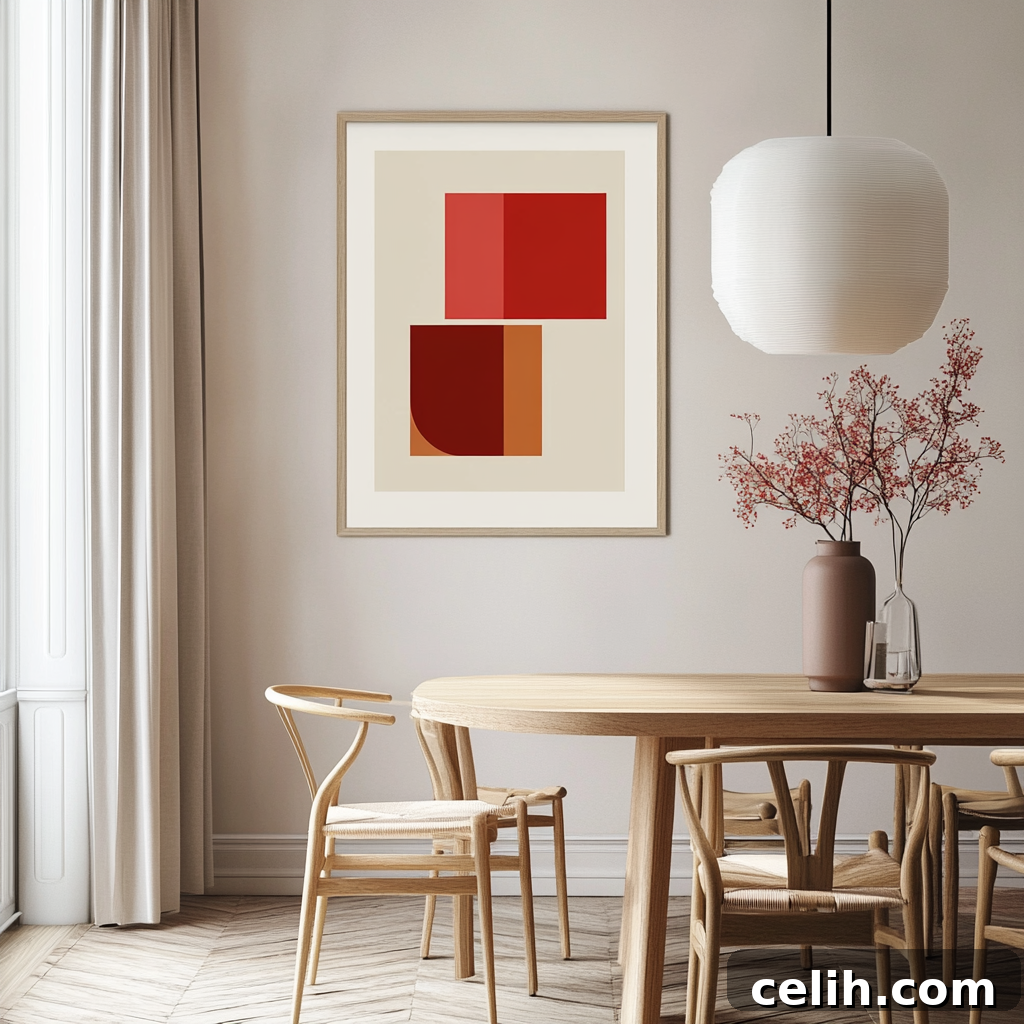
Navigating the world of interior design, especially when faced with a compact living area, can often feel like a daunting challenge. It’s surprisingly easy to fall into traps that make a small space feel even more confined, cluttered, and less functional than it actually is. The wrong furniture choice, an awkward layout, or a simple oversight in design principles can transform a cozy nook into an uninviting mess. But does a limited floor plan condemn you to a life of cramped quarters and endless clutter? Absolutely not! With a thoughtful approach, a dose of creativity, and a conscious effort to avoid common design missteps, you can unlock the full potential of your small home, making it feel expansive, organized, and remarkably comfortable. This guide will walk you through the most prevalent pitfalls in small space design and offer smart, actionable strategies to create an environment that truly thrives.
Avoiding the Trap of Oversized Furniture
One of the most significant and common errors in decorating a smaller area is the introduction of bulky, disproportionate furniture. While a grand, sprawling sectional might be perfect for a spacious open-plan living room, it can instantly overwhelm a modest apartment, consuming precious floor space and creating an oppressive atmosphere. The key lies in understanding scale and proportion. Instead of aiming for sheer size, focus on pieces that are visually lightweight and appropriately scaled to your room’s dimensions. Think smart, not just big.
For instance, rather than a colossal, wide sectional sofa, explore the elegance and practicality of sleeker loveseats or modular sofas that can be rearranged to fit various configurations. Armless chairs or ones with slender frames can also offer comfortable seating without the visual heft. Coffee tables, often central to living areas, are another prime candidate for mindful selection. Ditch the massive, heavy block table for a slim, perhaps even transparent, option made of glass or acrylic. Better yet, consider nesting tables or a convertible coffee table that can expand for entertaining or double as a workspace, then fold away compactly when not needed. Ottomans with hidden storage are another genius way to combine functionality with comfort, providing extra seating while stashing away essentials. Embracing multi-functional, foldable, and compact furniture doesn’t mean sacrificing comfort or style; it means making intelligent choices that maximize every inch and contribute to an airy, inviting aesthetic.
Maximizing Potential by Utilizing Vertical Space
In a small space, the horizontal plane is a finite resource, making vertical space your most powerful ally. Often overlooked, the walls and height of a room offer immense opportunities for storage and display, effectively freeing up valuable floor area. The principle here is simple: go up, not out. When selecting storage solutions, prioritize pieces that are taller and narrower over those that are wide and sprawling.
Consider a tall, slender ladder bookshelf instead of a bulky, wide unit. Its open design often makes it feel less imposing, while providing ample shelf space. Floating shelves are another game-changer; installed directly onto walls, they keep items off the floor, reducing visual clutter and creating an illusion of space. These can be used for books, decorative items, plants, or even as minimalist nightstands. Don’t stop at just shelves; think about the entire vertical plane. Over-the-door racks are perfect for bathrooms or bedrooms, providing extra storage for towels, shoes, or accessories without consuming floor space. Hanging hooks, pegboards, and wall-mounted organizers can turn unused wall sections into highly functional zones for coats, keys, kitchen utensils, or even small home office supplies. Even vertical garden planters can add a touch of greenery without taking up precious countertop or floor space. While it’s important not to overcrowd your walls, strategically placed vertical elements can draw the eye upwards, enhancing the perception of height and creating a more open, organized, and aesthetically pleasing environment.
Taming the Beast of Too Much Clutter
In any home, clutter can diminish the sense of space, but in a small living area, its impact is amplified exponentially. Every item left lying around contributes to a feeling of chaos, making rooms appear smaller, messier, and significantly less inviting. Overcoming clutter in a confined space requires more than just tidying up; it demands a systematic approach to decluttering and smart, strategic storage solutions. The first step is often the hardest but most crucial: ruthless decluttering.
Embark on a comprehensive sorting process. Ask yourself if each item truly serves a purpose, brings you joy, or is genuinely needed. If an item no longer fits these criteria, it’s time to let it go—donate, sell, or discard. Adopt a “one in, one out” policy to prevent new clutter from accumulating. Once you’ve streamlined your possessions, focus on finding a designated home for everything that remains. This is where smart storage becomes invaluable. Utilize every hidden nook and cranny: under-bed storage bins, ottomans with lift-top lids, storage benches, and decorative boxes can all swallow miscellaneous items. Built-in cabinetry or custom shelving can provide seamless storage solutions that integrate beautifully with your home’s design. Drawer dividers and organizational inserts keep smaller items tidy and accessible.
Don’t underestimate the power of external storage if your internal space is truly maximized. If you have a yard, a well-chosen storage shed can be a game-changer. These aren’t just for tools; they can house seasonal decorations, sports equipment, overflow household items, or even serve as a dedicated space for hobbies or a small workshop. You can find storage sheds for sale in a variety of styles, colors, and materials, allowing you to select one that complements your home’s aesthetic rather than detracting from it. With proper insulation and a few design tweaks, some sheds can even be transformed into a cozy home office, an art studio, or an extra playroom, completely freeing up valuable square footage within your main living space. By intelligently managing your possessions and leveraging smart storage, you can banish clutter, create a sense of order, and reveal the true spaciousness of your home.
Embracing the Power of Multifunctional Furniture
In an era where housing costs are soaring and urban living often means smaller footprints, furniture innovation has become a cornerstone of smart design. Modern furniture designers and engineers are constantly devising ingenious ways to save space while simultaneously maximizing function, comfort, and style. The oversight of ignoring these innovative, multifunctional pieces is a missed opportunity for anyone trying to optimize a small dwelling.
Many classic examples have stood the test of time, such as the ever-reliable pull-out sofa bed, transforming a living room into a guest bedroom in minutes. Murphy beds, which fold neatly into a wall cabinet when not in use, are perfect for studios or rooms that need to serve multiple purposes. Extendable dining tables can comfortably host a dinner party and then shrink back to a compact size for daily use. However, the scope of multifunctional furniture extends far beyond these traditional options. Consider coffee tables that lift and expand into dining tables or workstations. Ottomans and benches often come with hidden storage compartments, providing extra seating, a footrest, and a discreet spot to stash blankets, magazines, or remote controls. Nesting tables can be pulled out for extra surface area when entertaining and tucked away to save space afterward. Sofa side tables can be designed to fold down or slide under the main armrest, disappearing when not needed to maximize floor space. For pet owners, integrated litter box enclosures or kennel furniture can elegantly conceal pet essentials while offering an additional surface for display or storage. Even a simple room divider can double as a bookshelf or a display unit. By thoughtfully incorporating multifunctional furniture into your design, you can significantly reduce the total number of pieces needed, prevent your space from feeling overwhelmed, and enhance its overall versatility and adaptability, ensuring every item earns its place.
The Art of Defining Spaces in an Open Layout
Many small spaces, particularly in modern homes, are designed with an open-concept layout to maximize perceived square footage and natural light. While this design trend is excellent for creating an airy feel, a lack of clear definition between different functional areas can lead to a sense of disorganization and a confusing flow. Paradoxically, adding subtle definition can make an open space feel more expansive, intentional, and harmonious. Zoning your areas provides a sense of order, improves functionality, and adds visual interest.
There are numerous understated yet effective ways to delineate different zones within an open-plan room without resorting to physical walls. Area rugs are perhaps the most straightforward and powerful tool. Placing a distinct rug beneath your sofa and coffee table instantly grounds and defines it as the living room area, separating it visually from an adjacent dining space or entryway. Lighting is another crucial element. A chandelier over a dining table, task lighting over a desk, and ambient lighting in a lounge area can all serve to highlight and separate different functions. Furniture arrangement itself plays a significant role; orienting a sofa or bookshelf to face a specific direction can subtly create a boundary. For instance, positioning the back of a sofa towards a kitchen counter can naturally carve out a living room zone. Low bookshelves, consoles, or even screens can act as soft room dividers without completely blocking light or sightlines, maintaining the open feel while providing separation.
Even more subtle cues, such as an accent wall painted in a different shade or a collection of artwork grouped together, can visually define a particular corner. For example, a comfortable desk chair and a minimalist desk nestled in a corner, complemented by dedicated work lighting, clearly designate that spot as a quiet work zone. By intentionally segmenting your open layout, you enhance both the aesthetic appeal and the practical utility of your small space, making each area feel distinct, purposeful, and part of a cohesive whole.
Harnessing the Power of Natural Light
Natural light is one of the most transformative elements in interior design, especially when aiming to make a small room feel larger, brighter, and more inviting. Conversely, a dark space tends to feel more enclosed, intimate, and often smaller. While an intimate atmosphere can be desirable in specific contexts, for most small living areas, ample natural light is your best friend in expanding the visual footprint.
The first step is to maximize the light you already have. Keep window treatments minimal and light. Heavy, dark drapes can absorb light and make a window appear smaller. Instead, opt for sheer curtains that diffuse light beautifully while maintaining privacy, or blinds that can be fully retracted to allow an unobstructed view. Position your furniture in a way that doesn’t block windows or impede the flow of light into the room. Strategically placed mirrors are another excellent trick; by reflecting light and views, they can instantly double the perceived size of a room and amplify brightness. Consider placing a large mirror opposite a window to bounce light deep into the space.
Beyond light reflection, the choice of color palette significantly impacts how light behaves in a room. Lighter wall colors, such as whites, creams, light grays, and pastels, reflect more light, making walls recede and creating an expansive feel. Incorporate reflective surfaces and materials like glass tabletops, polished metals, and glossy finishes, which can further enhance the luminosity of a room. Decluttering also plays a role here; fewer items mean less visual obstruction, allowing light to travel more freely. If possible, consider architectural changes like expanding existing windows or adding new ones to genuinely increase the influx of natural light, instantly modernizing and opening up your home. By thoughtfully integrating and maximizing natural light, you can cultivate an environment that feels airy, spacious, and uplifted, regardless of its actual dimensions.
Conclusion: Transforming Your Small Space into a Sanctuary
Decorating and organizing a small space can undoubtedly feel overwhelming, often leading to the misconception that options are limited. However, as we’ve explored, this couldn’t be further from the truth. With a strategic approach and a willingness to embrace creativity, you can transform even the tiniest floor plan into an open, inviting, and wonderfully organized sanctuary that perfectly reflects your personal taste and lifestyle. The journey to a more spacious-feeling home begins with a conscious effort to avoid common design pitfalls.
Start by scrutinizing your furniture choices; swap oversized, bulky pieces for sleek, appropriately scaled alternatives, and prioritize innovative, multifunctional designs that serve multiple purposes. Elevate your storage game by utilizing every inch of vertical space, from floor-to-ceiling bookshelves to clever wall-mounted shelves and organizers. Wage a continuous war against clutter through regular decluttering sessions and smart storage solutions, even considering external options like a stylish storage shed for overflow items. Remember to define distinct zones within open-concept layouts using elements like rugs, lighting, and furniture arrangement to create a sense of order and purpose. Finally, unlock the transformative power of natural light; maximize its presence with light colors, reflective surfaces, and minimal window treatments to make your rooms feel significantly larger and more vibrant. By implementing these thoughtful tweaks and embracing a design philosophy that champions efficiency and elegance, you won’t just decorate a small space—you’ll craft a gorgeous, highly functional home that feels expansive, comfortable, and uniquely yours.