
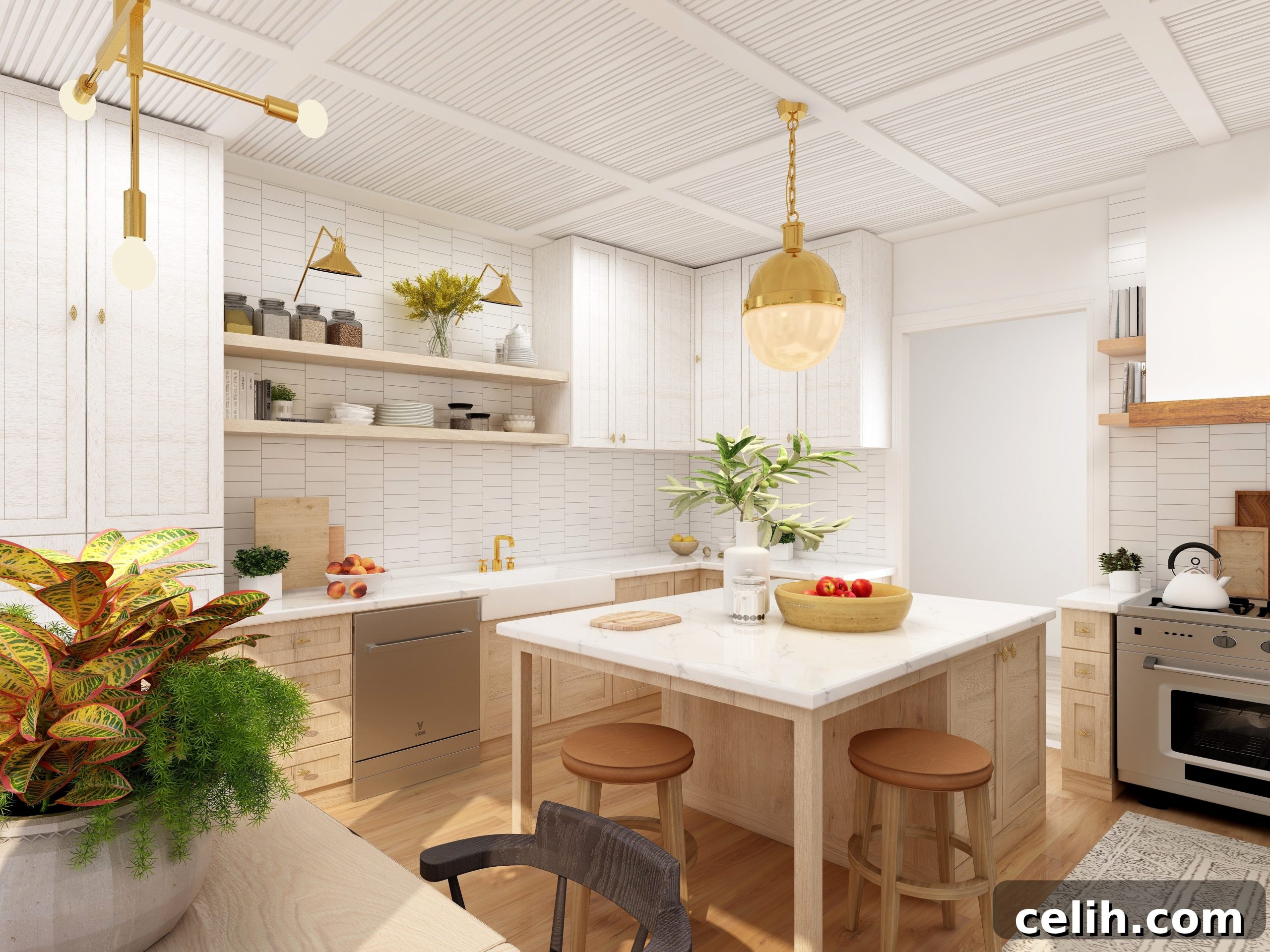
The United Kingdom’s housing market has long been a topic of fervent discussion, and recent times have only intensified the spotlight. While reports suggest the UK might be falling behind other nations in stabilising soaring house prices, prospective buyers still face a landscape shaped by fluctuating interest rates, inflation, and the lingering impact of rapidly rising fuel and energy costs. For many, purchasing a new home feels more challenging than ever. However, for existing homeowners, this dynamic environment presents a unique opportunity. Many have found themselves sitting on a veritable goldmine, as property values have steadily climbed, increasing potential resale values significantly. If you’re contemplating re-entering the marketplace and selling your home in the UK, understanding how to navigate this climate is crucial. This comprehensive guide will walk you through the essential steps to not only attract eager buyers but also to maximise your property’s value and secure a successful, swift sale.
1. The Foundation for Success: Essential Repairs and Maintenance
The very first and arguably most critical step in preparing your home for sale is to conduct a thorough assessment of its current condition. Approach your property with a critical eye, as if you were a potential buyer, scrutinising every corner. Create a detailed list of all necessary repairs, no matter how minor they may seem. You might be surprised by the number of issues you uncover. These can range from easily rectifiable annoyances like creaking doors, dripping taps, minor plumbing glitches, and faulty light fixtures, to more significant structural concerns such as persistent damp, warped floorboards, or signs of subsidence. While it’s tempting to overlook small flaws, remember that buyers often perceive them as indicators of deeper, more costly problems, potentially leading to lower offers or prolonged negotiation.
Once you’ve compiled your comprehensive list, the next crucial step is to prioritise. Categorise repairs into ‘must-do’ (safety hazards, structural issues, anything that could prevent a mortgage offer), ‘should-do’ (minor cosmetic fixes that significantly improve appeal), and ‘nice-to-do’ (small enhancements if budget and time permit). Develop a realistic plan for tackling each item, considering whether you can complete it yourself or if professional help is required. Budgeting for these repairs is essential; even a modest investment in fixing visible imperfections can yield a significant return by boosting buyer confidence and ensuring your property stands out in a competitive market.
2. Maximising Your Property’s Potential: Strategic Renovations and Upgrades
Beyond essential repairs, strategic renovations can dramatically increase your home’s appeal and, more importantly, its resale value. Even relatively simple home improvement projects can have a significant impact on resale value, but the key is to prioritise those that offer the highest return on investment (ROI). Focus on renovations that are broadly appealing and address common buyer desires.
High-Impact Renovation Ideas for UK Homes:
- Kitchen and Bathroom Upgrades: These are often considered the heart of a home and can make or break a sale. You don’t always need a full overhaul; sometimes, updating fixtures, refreshing cabinets with paint, replacing countertops, or modernising tiles can make a huge difference. When planning a bathroom renovation, consider visiting bathroom showrooms to identify popular trends, focusing on clean lines, efficient layouts, and contemporary finishes to increase the perceived value and luxury of your space.
- Energy Efficiency Improvements: With rising energy costs, buyers are increasingly conscious of a home’s energy performance. Upgrading insulation, installing double glazing, replacing an old boiler with a modern, efficient one, or even adding solar panels can significantly enhance your property’s desirability and command a higher price. These improvements not only save buyers money in the long run but also contribute to a greener profile.
- Extensions and Conversions: Adding usable space is almost always a winner. Garage conversions into extra bedrooms, home offices, or gyms, and loft conversions into master suites or additional living areas, are highly sought after. Conservatories and extensions that seamlessly blend with the existing architecture can also add significant square footage and appeal, provided they are well-built and complement the home’s style.
- Landscaping and External Development (Curb Appeal): First impressions are everything. A well-maintained garden, attractive pathways, fresh paint on exterior walls, and a welcoming front door can instantly boost your home’s curb appeal. Research trends in garden design and landscaping to create an inviting outdoor space that buyers can easily envision enjoying. Simple additions like outdoor lighting or a tidy patio can make a world of difference.
- Redecoration: A fresh coat of neutral paint can transform a space, making it feel cleaner, brighter, and more spacious. Opt for colours like off-whites, greys, or muted tones that appeal to a wide range of tastes, allowing potential buyers to easily visualise their own furnishings and style within the space.
Before embarking on any major renovation, research local property values and consult with estate agents to understand which improvements are most valued in your specific area. Balance the cost of renovations against the potential increase in sale price, ensuring your investment is wise and yields a strong return.
3. Crafting a Blank Canvas: Decluttering and Depersonalization
When preparing your home for viewings, the goal is to allow potential buyers to envision themselves living in the space, rather than feeling like they are intruding on someone else’s life. This is where decluttering and depersonalisation become paramount. Start by thoroughly cleaning and de-cluttering every room. This isn’t just about tidiness; it’s about creating an illusion of space and light.
Key Steps for Decluttering and Depersonalisation:
- Remove Personal Possessions: Pack away family photographs, diplomas, unique art, and any items that strongly reflect your personal taste or lifestyle. The less ‘you’ there is in the home, the easier it is for others to project ‘themselves’ into it. This also includes religious or political items.
- Clear Surfaces: Kitchen countertops, bedside tables, and bathroom vanities should be as clear as possible. Store away appliances, toiletries, and excessive decor. This makes spaces appear larger and more functional.
- Organise and Store: Don’t just move clutter from one room to another. Consider renting a storage unit for items you don’t need access to daily. Organise wardrobes, cupboards, and drawers – buyers will often peek inside, and a well-organised space suggests a well-maintained home.
- Deep Clean Everything: Beyond decluttering, a professional deep clean can work wonders. Sparkling windows, clean carpets, fresh-smelling rooms, and grime-free bathrooms and kitchens signal a cared-for property. Pay attention to often-overlooked areas like skirting boards, light fixtures, and grout.
The aim is to present your property as an organised, fresh, and inviting new home, rather than a lived-in second-hand space. This helps potential buyers form an emotional connection with the property, which is often a significant factor in their decision-making process.
4. The Art of Presentation: Professional Home Staging
If your budget allows, considering professional home staging services or hiring an interior designer can be one of the most effective strategies to get the most out of your property. Home staging is the process of preparing a house for sale by making it appealing to the highest number of potential buyers, thereby selling it more quickly and for a better price. It transforms your property into a showroom house, allowing buyers to see its full potential.
Why Home Staging Works:
- Creates a Lifestyle: Stagers don’t just decorate; they create an aspirational lifestyle. They highlight the best features of your home and demonstrate how each space can be used effectively.
- Enhances Photography: Staged homes photograph exceptionally well, which is crucial for online listings – often a buyer’s first point of contact. High-quality, professionally staged photos stand out from the crowd.
- Maximises Space and Light: Experts know how to arrange furniture and use lighting to make rooms feel larger, brighter, and more inviting, even if they’re not particularly big.
- Broadens Appeal: Stagers use neutral, contemporary styles that appeal to a wide demographic, avoiding personal tastes that might alienate potential buyers.
The good news is that home staging doesn’t always require a hefty investment in new furniture or fixtures. Often, it entails expert rearrangement of existing items, supplemented with rented accessories, art, and minimal new pieces. A professional stager can advise on colour palettes, furniture placement, lighting, and accessories that will best showcase your home’s unique selling points and appeal to the modern UK buyer.
5. The Final Steps: Pricing, Marketing, and Negotiation
Once your home is in pristine condition, beautifully staged, and ready for viewings, the final phase involves smart pricing and effective marketing. This stage is just as critical as the preparation itself.
Key Considerations:
- Accurate Valuation: Obtain valuations from several reputable local estate agents. They possess invaluable local market knowledge and can provide a realistic appraisal of your property’s worth, considering recent sales of comparable homes in your area. Avoid overpricing; while it’s tempting to aim high, an overpriced property can languish on the market, eventually requiring price reductions that signal desperation.
- Choose the Right Estate Agent: Select an agent with a strong track record, excellent communication skills, and a clear marketing strategy. Discuss their approach to online listings, professional photography, virtual tours, and open house events.
- Professional Photography and Virtual Tours: This cannot be stressed enough. In today’s digital age, high-quality photos and immersive virtual tours are non-negotiable. They are your property’s shop window online and will significantly influence the number of enquiries and viewings you receive.
- Be Flexible and Responsive: Once your property is on the market, be prepared for viewings and maintain your home’s immaculate condition. Be responsive to feedback and flexible with viewing times.
- Negotiation: Your estate agent will be your guide through the negotiation process. Be prepared for offers and counter-offers, and aim for a fair price that reflects your home’s value and the market conditions.
Selling a home in the UK housing market can be a complex journey, but with careful planning and strategic execution, it can also be incredibly rewarding. By focusing on essential repairs, smart renovations, meticulous decluttering, professional presentation, and intelligent marketing, you empower yourself to maximise your property’s value and achieve a swift, successful sale. Each step is an investment in your future, paving the way for your next chapter.
Featured image credit: Collov Home Design on Unsplash