
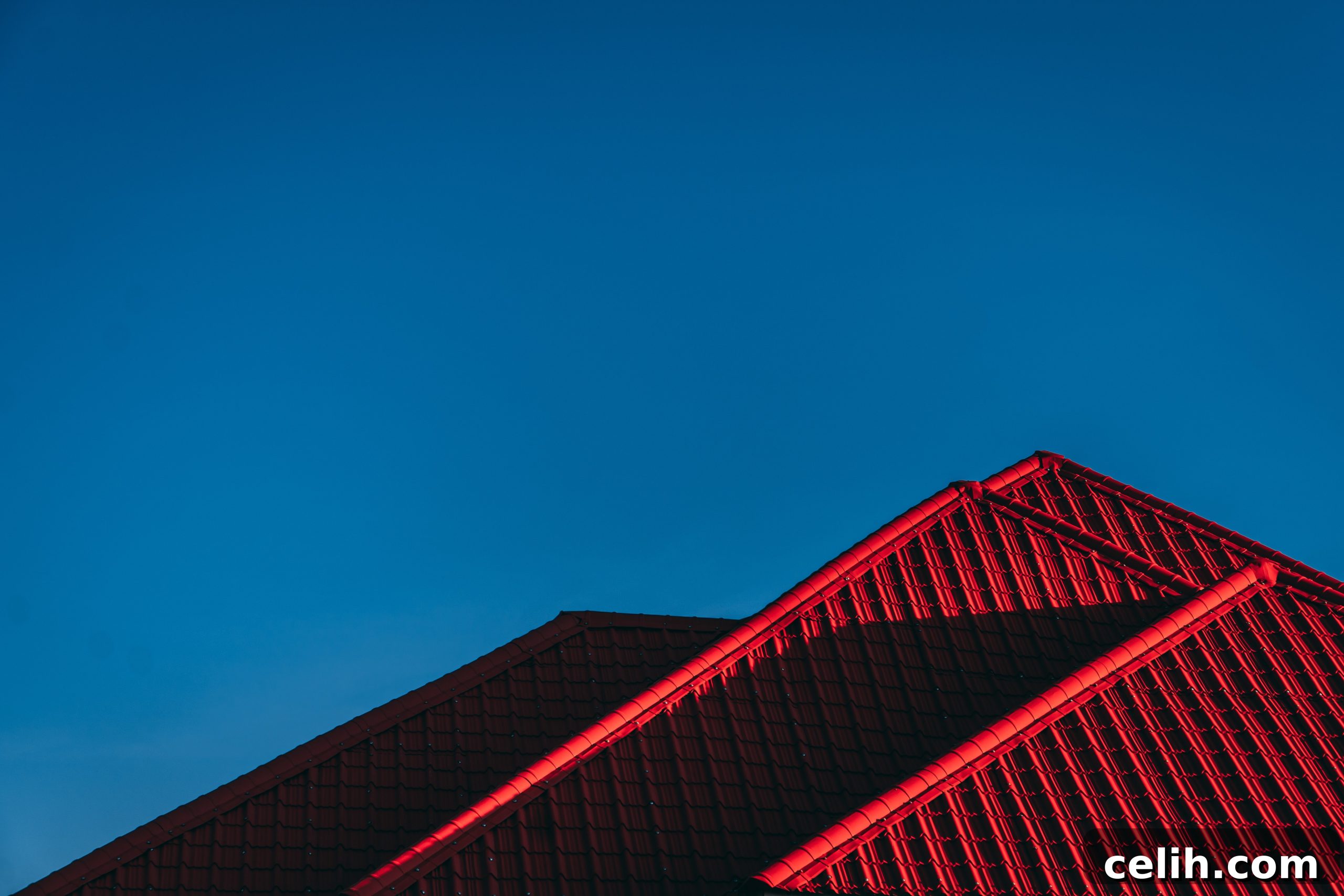
In recent years, the landscape of residential roofing has seen a significant shift, with a growing number of homeowners turning their attention to metal roofing solutions. According to the influential 2020 Dodge Report, the demand for metal roofs has not only surged but is also projected to continue its upward trajectory. This remarkable increase in popularity is largely attributable to metal roofing’s unparalleled ability to perform exceptionally well even in the most challenging environmental conditions, alongside a myriad of other compelling benefits that make it an astute choice for modern homes.
For any discerning homeowner contemplating a new roof or considering an upgrade, understanding the core advantages and characteristics of metal roofing is crucial. Far from being a niche product, metal roofing has evolved into a versatile and highly sought-after option. To help you make an informed decision and demystify this robust roofing material, here are nine essential facts to consider about metal roofing, highlighting its practicalities, durability, and long-term value.
1. Metal Roofs Can Be Installed Directly Over Existing Roofs
One of the most appealing aspects of metal roofing, particularly for renovation projects, is its lightweight nature. Unlike many traditional roofing materials that necessitate a complete tear-off of the old roof, metal roofs are often light enough to be installed directly over existing asphalt shingles or other suitable substrates. This “re-roofing” approach can offer significant advantages, including reduced labor costs, faster installation times, and less waste sent to landfills, making it an environmentally friendlier option. However, for a successful overlay installation, several critical factors must be addressed. It’s imperative to consult local building codes and ordinances in your area to ensure such an installation is permitted. Additionally, the underlying existing roof must be structurally sound and free from significant damage, rot, or excessive unevenness. To mitigate potential issues such as trapped moisture vapor and ensure proper ventilation, it’s highly recommended to either extensively research how to install metal roofing with precision or, ideally, hire certified roofing professionals. Their expertise will ensure the correct preparation, adequate airflow, and secure fastening, preventing future problems associated with moisture buildup between the old and new roofing layers and guaranteeing the longevity of your investment.
2. Metal Roofs Are Surprisingly Quiet
A prevalent misconception surrounding metal roofs is that they are excessively noisy, especially during rain or hail storms. This often leads homeowners to overlook an otherwise superior roofing solution. However, the reality is quite different. Modern metal roofing systems are engineered to be no noisier—and often even quieter—than other types of roofing materials like asphalt shingles or tiles. The reason for this quiet performance lies in the typical installation method. Metal roofing is almost always installed over a solid substrate, such as plywood decking or an existing roof, which already acts as a significant sound buffer. Furthermore, the combination of a robust sub-deck, an insulated attic space, and various underlayment materials between the metal panels and the deck creates a highly effective acoustic barrier. Many contemporary metal roofing profiles, including those with intricate designs, standing seams, or stone coatings, are specifically designed to dampen sound further, ensuring that the pitter-patter of rain or the impact of hail is barely noticeable from inside your home. This debunks the myth, allowing homeowners to enjoy the numerous benefits of metal roofing without concerns about unwanted noise.
3. Metal Roofs Do Not Attract Lightning
Another widespread myth that often deters homeowners from choosing metal roofing is the belief that it acts as a magnet for lightning strikes. This particular concern has been definitively addressed and dispelled by experts, including the Metal Construction Association. The truth is that a metal roof, being a non-combustible material and an excellent electrical conductor, does not increase the risk of your home being struck by lightning. In fact, should lightning strike a home with a metal roof, the electrical charge is safely dissipated. Because metal is conductive, it allows the electrical current to travel harmlessly through the roof system, down the building’s frame, and into the ground, provided the structure has a proper grounding system. This contrasts sharply with combustible roofing materials, which can ignite upon a direct lightning strike. Far from posing a danger, a properly installed metal roof can actually enhance safety during a lightning event by providing a clear, conductive path to ground, minimizing potential damage to the structure and reducing the risk of fire. Therefore, homeowners can rest assured that choosing a metal roof does not invite lightning; rather, it provides a resilient and safe covering.
4. Metal Roofs Offer Exceptional Resistance to Extreme Weather
For homeowners residing in regions prone to severe weather conditions, such as strong winds, heavy snow, or hurricanes, the durability of their roofing material is paramount. Metal roofs stand out as an incredibly viable and robust choice due to their superior resistance to extreme environmental forces. Engineered with interlocking panels and robust fastening systems, metal roofs are designed to hold tight against powerful uplift forces. Evidence from tests conducted by Underwriters Laboratory (UL) consistently demonstrates that most metal roofing systems can withstand wind gusts reaching up to 140 miles per hour, an impressive feat equivalent to the intensity of a Category Four hurricane. This remarkable resilience means metal roofs are less likely to peel, crack, or suffer damage from high winds, airborne debris, or sudden temperature changes that can compromise other roofing types. Their inherent strength also makes them highly resistant to hail impact and heavy snow loads, preventing leaks and structural damage. Investing in a metal roof provides peace of mind, knowing your home is protected by a material designed to endure nature’s harshest elements, potentially leading to lower insurance premiums and enhanced property value.
5. Metal Roofs Are Highly Energy Efficient
In an era where energy conservation and reducing utility bills are top priorities for homeowners, the energy efficiency of a roofing system plays a crucial role. Metal roofs are celebrated for being exceptionally energy-efficient, primarily due to their excellent ability to reflect solar radiant heat. Unlike darker, absorptive roofing materials that trap heat and transfer it into the attic and living spaces, metal roofs bounce a significant portion of the sun’s rays away from your home. This “cool roof” effect can dramatically reduce the need for air conditioning, especially in warmer climates. Homeowners in hot regions can further maximize these cooling benefits by opting for metal roofs with lighter colors or by applying specialized granular or shiny coatings. Many metal roofing products are ENERGY STAR rated, meaning they meet strict energy performance standards. This high reflectivity and thermal emissivity (the ability to release absorbed heat) translate directly into lower cooling costs, often resulting in substantial savings on energy bills throughout the hot summer months. Moreover, some jurisdictions offer tax credits or rebates for installing energy-efficient roofing, further enhancing the financial appeal of metal roofing.
6. Metal Roofs Provide Astounding Long-Term Value
When embarking on a significant home improvement project like building your first home or extensively renovating an existing property, the importance of investing in a roof that promises longevity and minimal maintenance cannot be overstated. Metal roofing genuinely lives up to these expectations, offering an unparalleled long-term return on investment that distinguishes it from almost all other roofing materials. The primary driver of this value is its incredible lifespan:
- Metal roofs are renowned for lasting significantly longer than traditional asphalt shingles, often exceeding forty, fifty, or even seventy years with proper care. This extended durability provides decades of reliable protection, eliminating the need for frequent roof replacements and delivering exceptional time value for your initial investment.
- Beyond mere age, metal roofs are inherently impervious to common forms of degradation that plague other materials. They are resistant to rot, mildew, and algae growth, and perhaps most crucially, they offer superior protection against insect infestations and rodent damage, which can compromise the structural integrity of other roofing types.
- Furthermore, metal roofs are classified as non-combustible. This means they are not easily damaged by fire, offering an additional layer of safety and potentially qualifying homeowners for reduced insurance premiums. Their low maintenance requirements—often only needing periodic cleaning—further contribute to their long-term cost-effectiveness, making metal roofing a truly intelligent and lasting investment for any property owner.
7. Metal Roofing Adapts Beautifully to Low-Slope Roofs
Contrary to the belief that metal roofing is exclusively suited for steep-sloped roofs, its versatility extends to a wide range of architectural designs, including structures with low-pitched or nearly flat roofs. The sophisticated engineering behind modern metal roofing systems makes them an excellent choice for roofs with gentle inclinations. This capability is largely due to the specific design of metal panels, such as standing seam systems, which feature raised seams and interlocking mechanisms that effectively seal out water. Unlike traditional asphalt shingles, which rely heavily on gravity and overlapping layers to shed water and can struggle on very low slopes, metal panels create a continuous, watertight surface. These systems prevent water from pooling or seeping beneath the roofing material, efficiently guiding it towards the gutters. As long as there is a minimal, gentle slope to facilitate water run-off and prevent ponding, metal roofing can perform flawlessly, making it a highly practical and aesthetically pleasing option for a vast majority of contemporary homes and commercial buildings that often feature low-pitch designs. This adaptability ensures that homeowners don’t have to compromise on style or performance, regardless of their roof’s unique architectural characteristics.
8. Incredible Versatility in Styles and Aesthetics
One of the most exciting developments in metal roofing is its incredible evolution beyond the utilitarian appearance of traditional corrugated sheets. Today’s metal roofing systems offer an astonishing array of styles, colors, and finishes, allowing homeowners to achieve virtually any aesthetic vision for their property. Far from being limited to industrial or agricultural looks, modern metal roofs can replicate the appearance of traditional materials with remarkable accuracy and enhanced performance. You can find metal roofing panels designed to mimic the classic beauty of wood shakes, the elegant texture of slate tiles, the timeless appeal of clay tiles, or the clean lines of architectural shingles. This versatility means that whether your home boasts a contemporary design, a rustic farmhouse charm, or a classic traditional facade, there’s a metal roofing option that will complement and elevate its curb appeal. Available in a vast spectrum of colors, from vibrant reds and deep blues to earthy browns and sophisticated grays, and with various finishes, including matte, glossy, and textured, metal roofing allows for complete customization. This ability to integrate seamlessly with diverse architectural styles, while simultaneously offering superior protection and longevity, makes metal roofing a preferred choice for homeowners who value both function and high-end design.
9. A Sustainable and Eco-Friendly Choice
As environmental consciousness continues to grow, homeowners are increasingly seeking sustainable building materials that reduce their ecological footprint. Metal roofing stands out as an exceptionally eco-friendly option throughout its entire lifecycle. Firstly, metal roofs often contain a high percentage of recycled content, with some panels made from up to 95% recycled aluminum or steel. This significantly reduces the demand for virgin resources and conserves energy associated with primary material production. Secondly, due to their extraordinary durability and longevity, metal roofs produce far less waste over time compared to asphalt shingles, which typically need replacement every 15-20 years and contribute billions of pounds of debris to landfills annually. When a metal roof eventually reaches the end of its exceptionally long service life—which could be 50-70 years or more—it is 100% recyclable. This ensures that the material can be repurposed again, completing a truly circular economy model. Furthermore, the energy-efficient properties of metal roofs, as discussed earlier, contribute to reduced energy consumption and lower greenhouse gas emissions from heating and cooling. By choosing metal roofing, homeowners are not only investing in a superior protective covering for their home but also making a responsible and impactful choice for the planet.
Endnote: Embrace the Future of Roofing with Metal
The perception of metal roofing has undergone a dramatic transformation. No longer considered a niche product reserved solely for high-end architectural marvels or industrial structures, this resilient and aesthetically versatile roofing option has firmly entered the mainstream. Today, metal roofing stands as a top choice for a growing number of savvy homeowners, captivated by its extensive array of advantages. From its unparalleled durability and exceptional energy efficiency to its impressive resistance against severe weather and its significant long-term value, metal roofing offers a comprehensive solution for modern living. Its adaptability to various roof slopes and its vast stylistic options further cement its position as a leading material in the construction industry. By understanding these key benefits, homeowners can confidently consider metal roofing as an intelligent, sustainable, and truly value-adding investment that will protect their property for generations to come, embodying both cutting-edge performance and timeless appeal.