
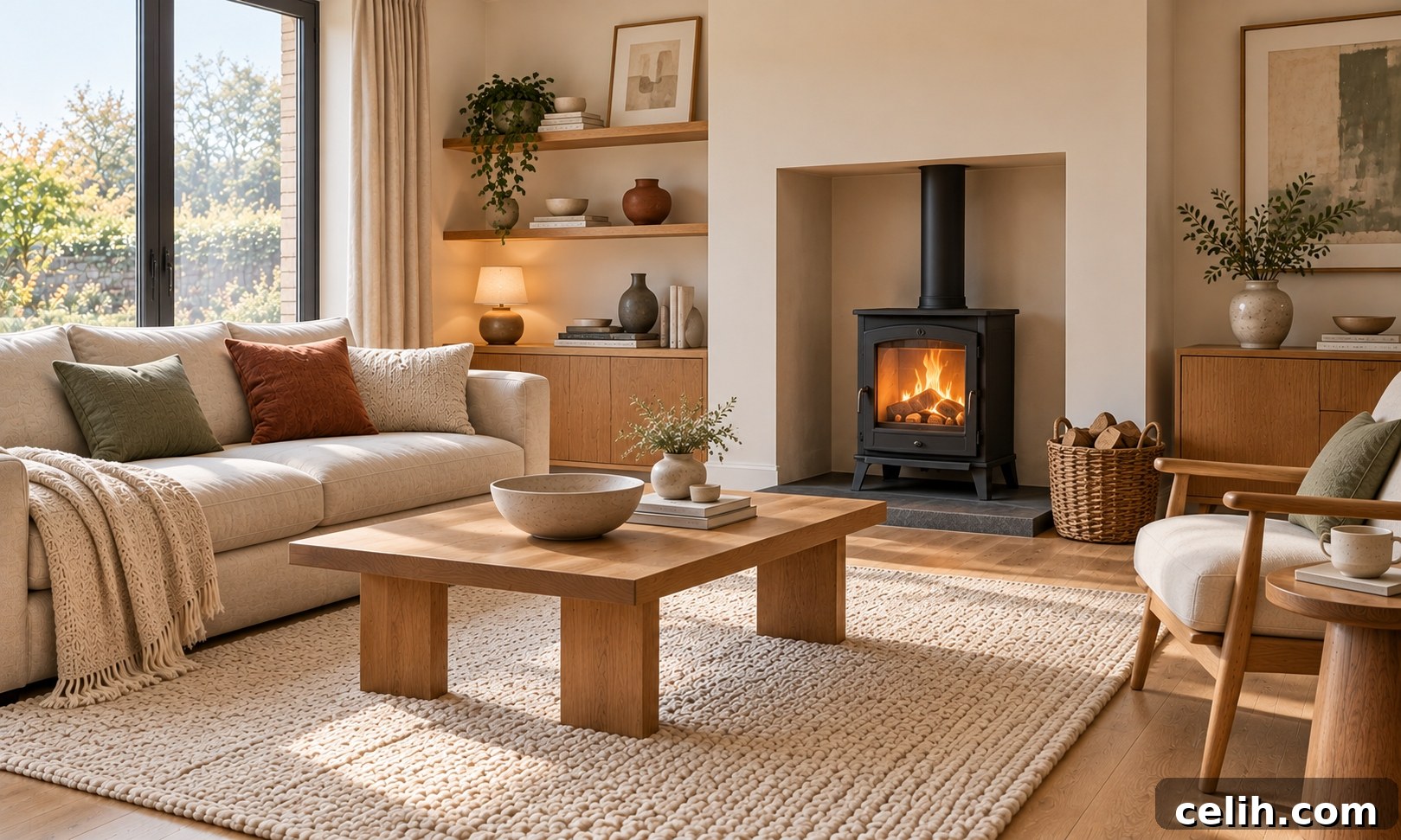
A minimalist home feels calm, practical and welcoming when every element has a purpose. Clean lines create visual order, while natural materials, layered lighting and efficient heating keep the space from feeling cold or sterile.
The key is balancing simplicity with everyday comfort. Storage should be straightforward and accessible, furniture must support how you live, and practical fixtures need to fit the overall aesthetic. The steps below explain how to build a pared-back interior that stays warm, functional and personal.
Table of Contents
Defining the Minimalist Aesthetic
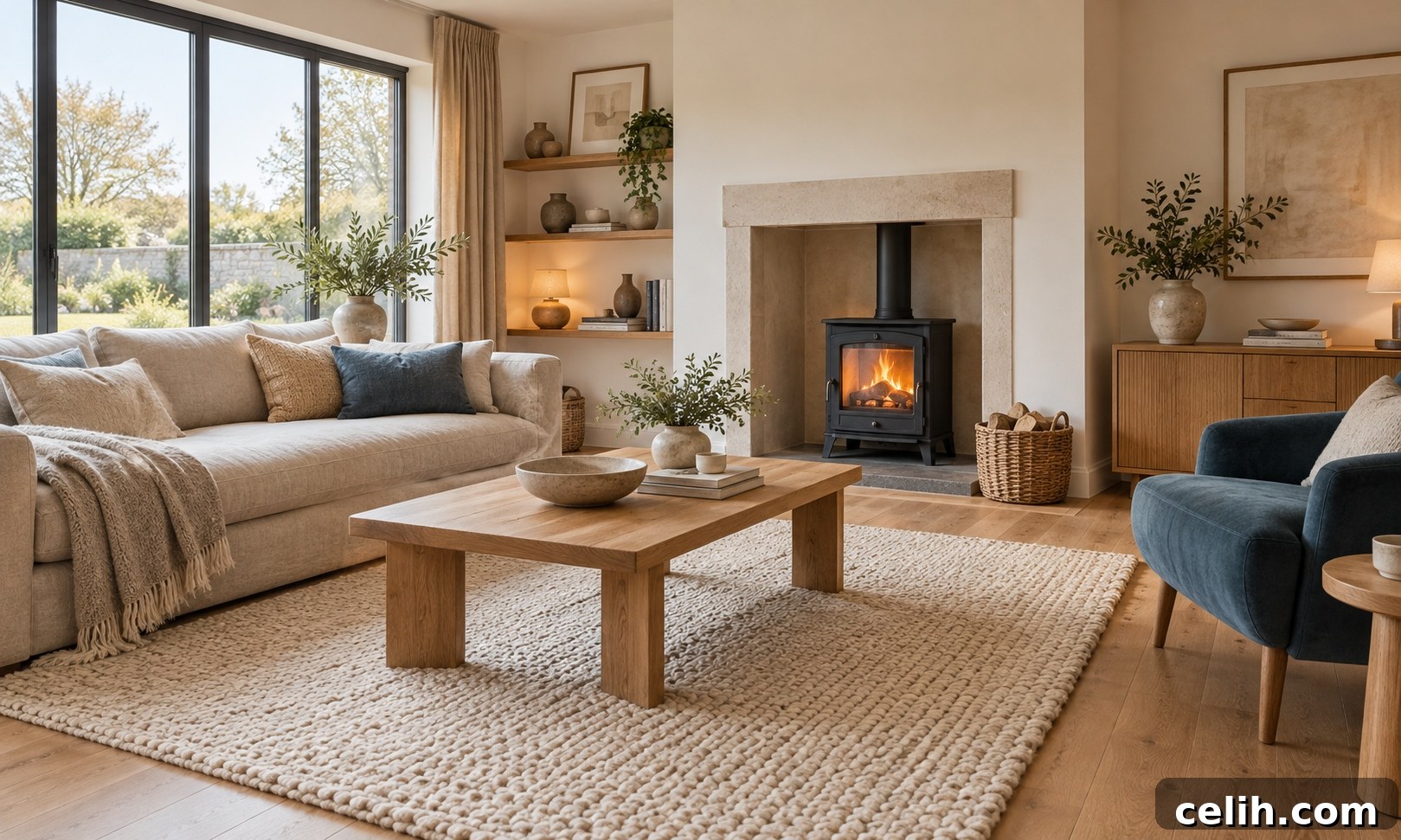
Minimalism starts with clear decisions about what each room needs to do. For example, a living room may be a place for conversation, reading and occasional television; once those functions are clear, you can choose furniture and fittings that meet them without filling every corner.
Core minimalist principles rely on simplicity, careful craftsmanship and a close link between an object’s appearance and its purpose. In practice this means simple shapes, restrained decoration and enough empty space for individual pieces to be appreciated.
Stick to a limited material palette. Pale timber, wool, linen and matte ceramics introduce texture without visual noise. Repeat two or three materials across a room to create continuity: an oak shelf might echo chair legs, while a neutral rug picks up warmer tones in wood.
Choose colours that support the mood you want. Soft white, stone, clay and muted green provide a calm base, but minimalism doesn’t demand a fully neutral scheme. A single deep-blue chair or a well-placed artwork can provide focus—use a small number of meaningful accents and leave space around them so they feel intentional.
Functionality as Form in Design
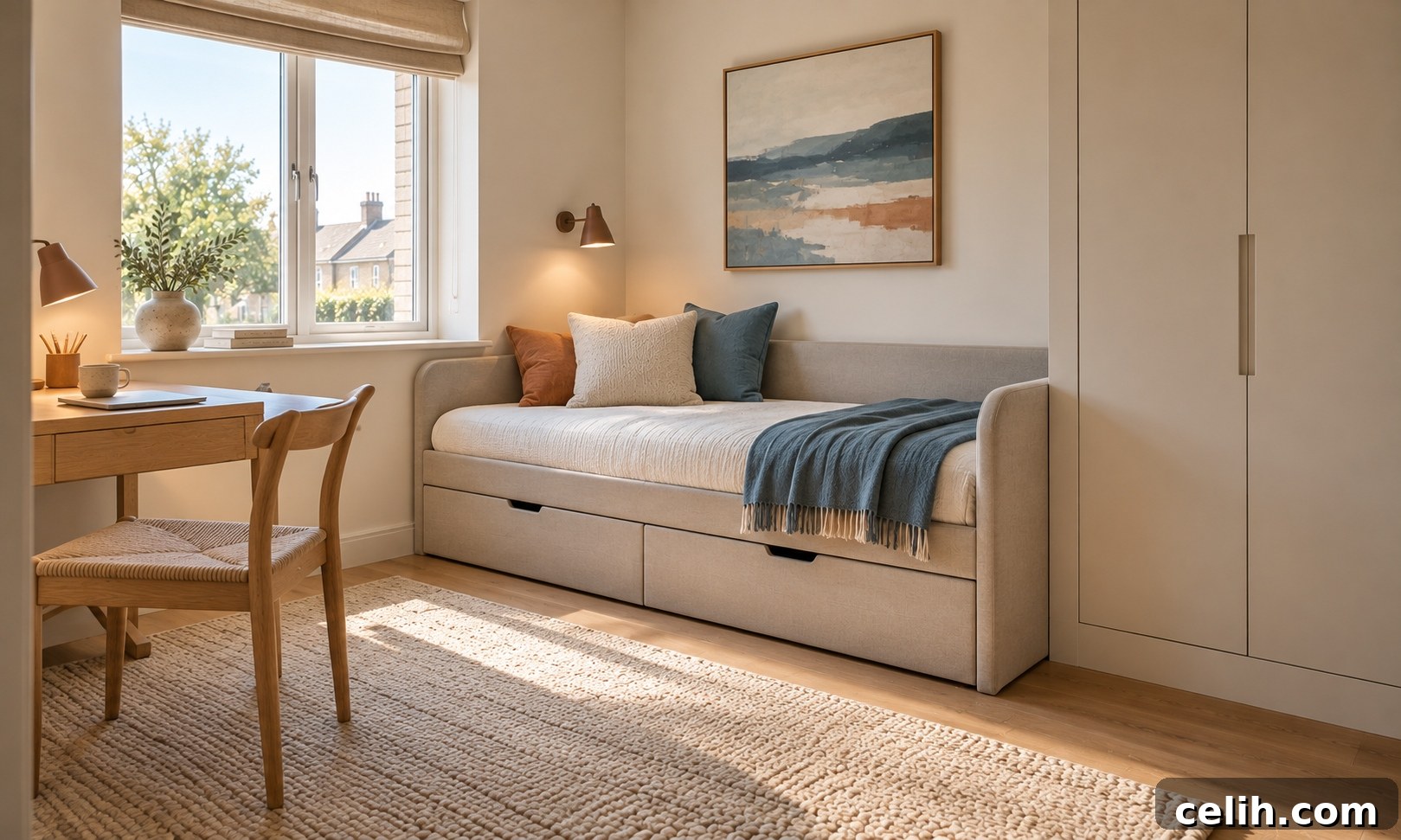
Good minimalist spaces reveal how they work. A well-proportioned table, an adjustable reading lamp or a low storage bench look right because their design follows their purpose. Apply this test at home: before buying, decide where an item will go, how often you’ll use it and what problem it solves.
Avoid pieces that become clutter magnets. A slim console by the door can be useful for keys, but without a drawer or tray it often turns into a dumping ground. Choose models with concealed storage when you need the surface to stay tidy.
Multi-functional furniture is valuable in smaller spaces, but only if each function works. Consider a storage bench for spare bedding, a dining table with an extension leaf or a side table that slides under a sofa. Measure the intended position and mark the footprint on the floor with low-tack tape before you order—this simple check shows how furniture affects walking routes and door clearance.
Comfort matters as much as looks. A beautiful chair that offers poor support will soon be ignored. Test seating where possible, check table heights against your chairs and consider how finishes cope with spills, heat and everyday cleaning.
Choosing Heating for a Clean Look
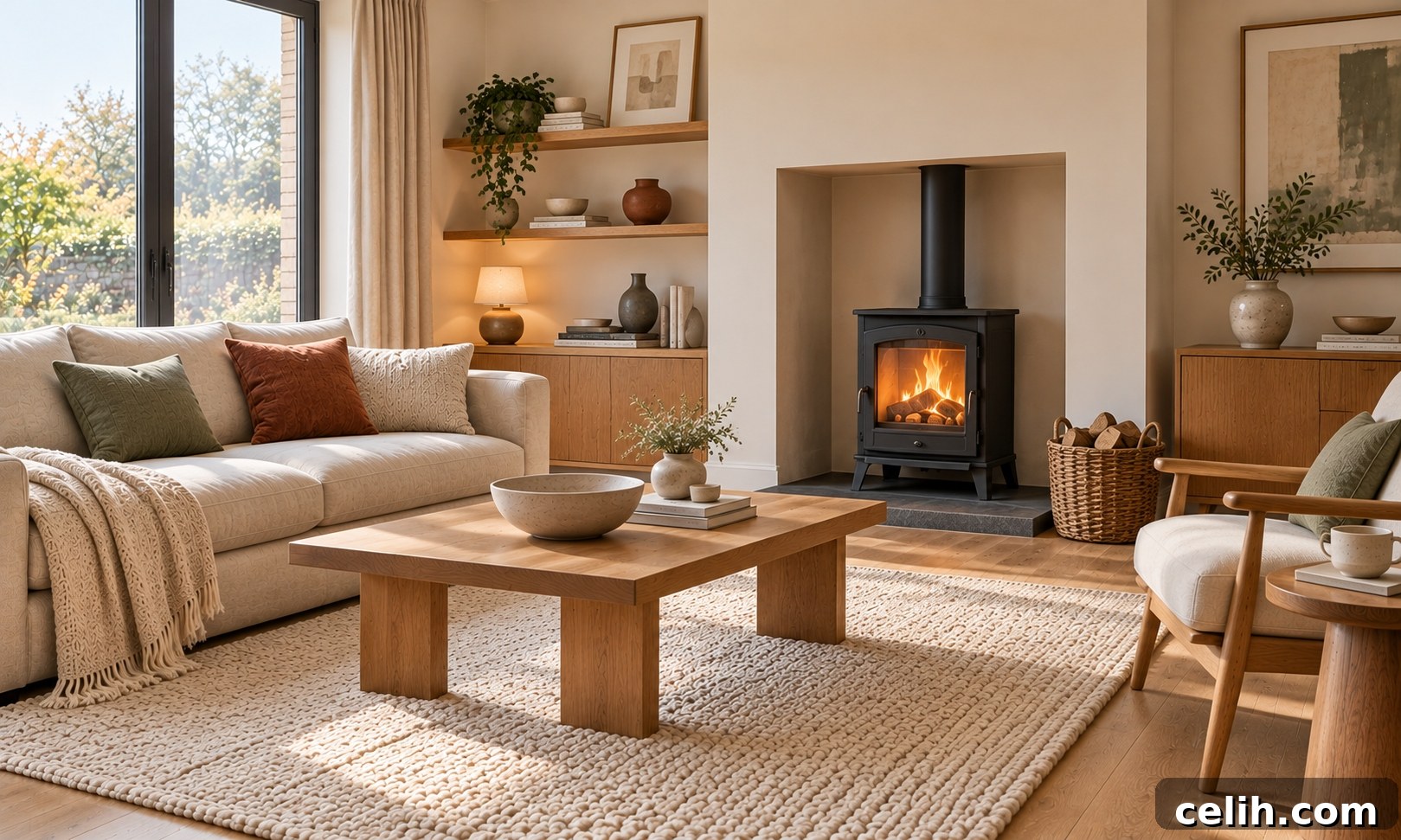
Plan heating early in a renovation. The position of a heat source affects furniture placement, floor finishes and wall construction; leaving the decision until decorating can create visible cables, awkward gaps or a focal feature that feels disconnected.
For a strong architectural centrepiece, consider a modest wood-burning stove in a restrained shape and appropriate heat output. Check installation requirements, ventilation, flue diameter and clearances before choosing a model, and consult a qualified installer to confirm local regulations and safe installation.
Scale is as important as style. A small stove feels lost on a wide wall, while an oversized unit will dominate a modest sitting room. Sketch the elevation or mark proposed dimensions with masking tape and include the hearth and clearance so you judge the finished composition.
Other options can keep the look clean: slim radiators matched to the wall colour, or underfloor heating to free vertical surfaces. Regardless of system, avoid hiding controls in inconvenient cupboards just to preserve lines—place a discreet thermostat where it can accurately read the room temperature for consistent comfort.
Think of warmth as part of the room’s composition. Heating, lighting and furniture layout should work together so seating faces a pleasant focal area without blocking circulation of heat.
Decluttering for Visual Peace
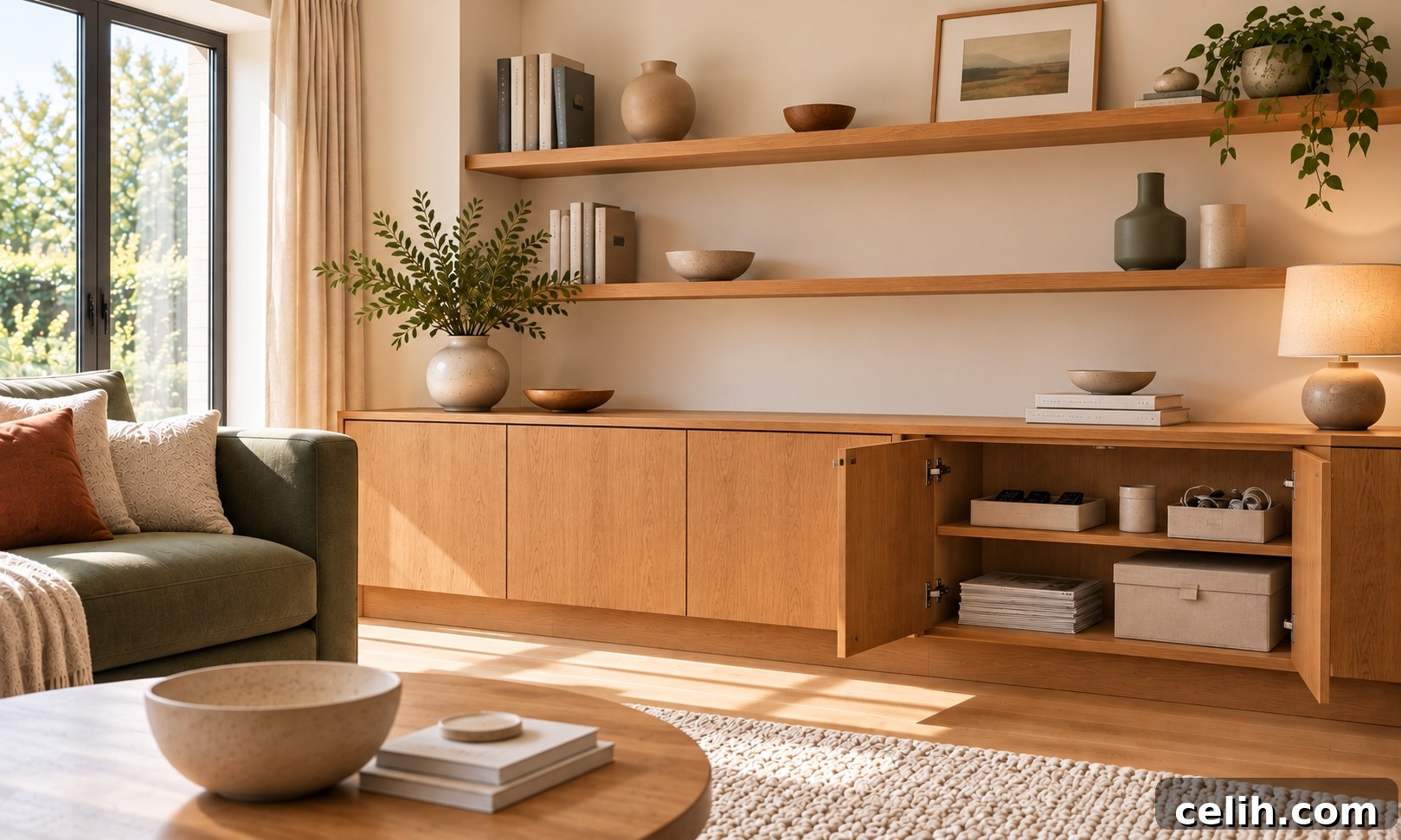
Decluttering should prioritise access and storage, not an arbitrary item count. Keep frequently used belongings easiest to reach, store occasional items higher or further back, and responsibly donate or recycle things that no longer suit your life.
Work through one area at a time. Clearing a single kitchen drawer, bedside table or bathroom cabinet in 20–30 minutes gives a satisfying result and prevents the disruption of emptying the whole house at once.
Group like items and assign each group a clear home. Use a shallow tray for remote controls, keep chargers together and give incoming post a dedicated slot. Closed cabinets hide mixed shapes and colours, while open shelves suit a limited selection of books, ceramics or framed photos.
Leave some shelves partly empty to give the eye a resting point and to make cleaning easier. Avoid buying organisers before reviewing what you own—containers can mask duplicates without solving the underlying issue. Measure the items you intend to keep, then choose inserts, baskets or boxes that fit the contents and the cupboard. Repeat one container style where it will be visible for a more ordered appearance.
Introduce a short weekly reset once the room is working well. Returning objects to their places takes far less time than repeating major clear-outs every few months.
Smart Integration of Home Elements
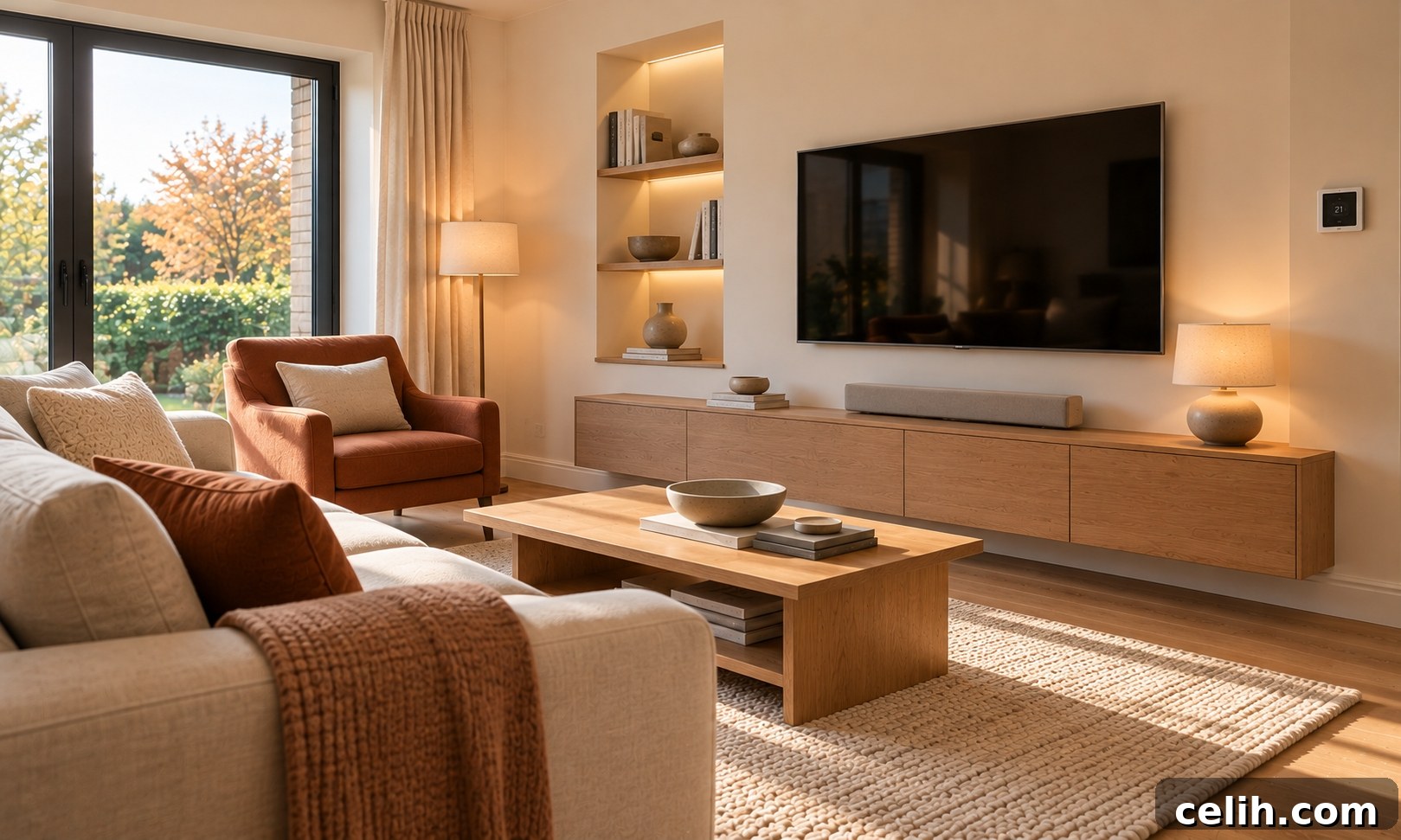
Smart technology supports minimalism best when it reduces friction and stays simple to use. Focus on functions that solve recurring problems—like lights left on in a hallway or heating that runs when no one is home—instead of adding devices without a clear purpose, which only creates more apps and cables.
Plan sockets, switches and charging points before decorating. A socket inside a bedside drawer keeps charging leads off the floor, and a recessed outlet behind a wall-mounted television reduces visible wiring. Never overload sockets or place power equipment where heat and airflow could be compromised; have electrical changes carried out by a qualified professional.
Layer lighting for flexibility: general ceiling illumination, focused lamps for reading or cooking, and low-level light for evenings. Warm, dimmable bulbs soften a restrained palette after dark. Use scenes to adjust multiple fittings together, but retain physical switches so visitors and household members can use the room without an app.
Natural textures and gentle colours help integrate technical elements. Consistent finishes allow controls, speakers and fittings to sit comfortably within the scheme rather than standing out. Finally, check the room from its entrance: visible cables, crowded surfaces and poorly placed controls are easiest to spot from this viewpoint. Tidy those details, then live with the space for a few weeks before adding anything else. The most successful minimalist rooms support real routines without losing their sense of order.