
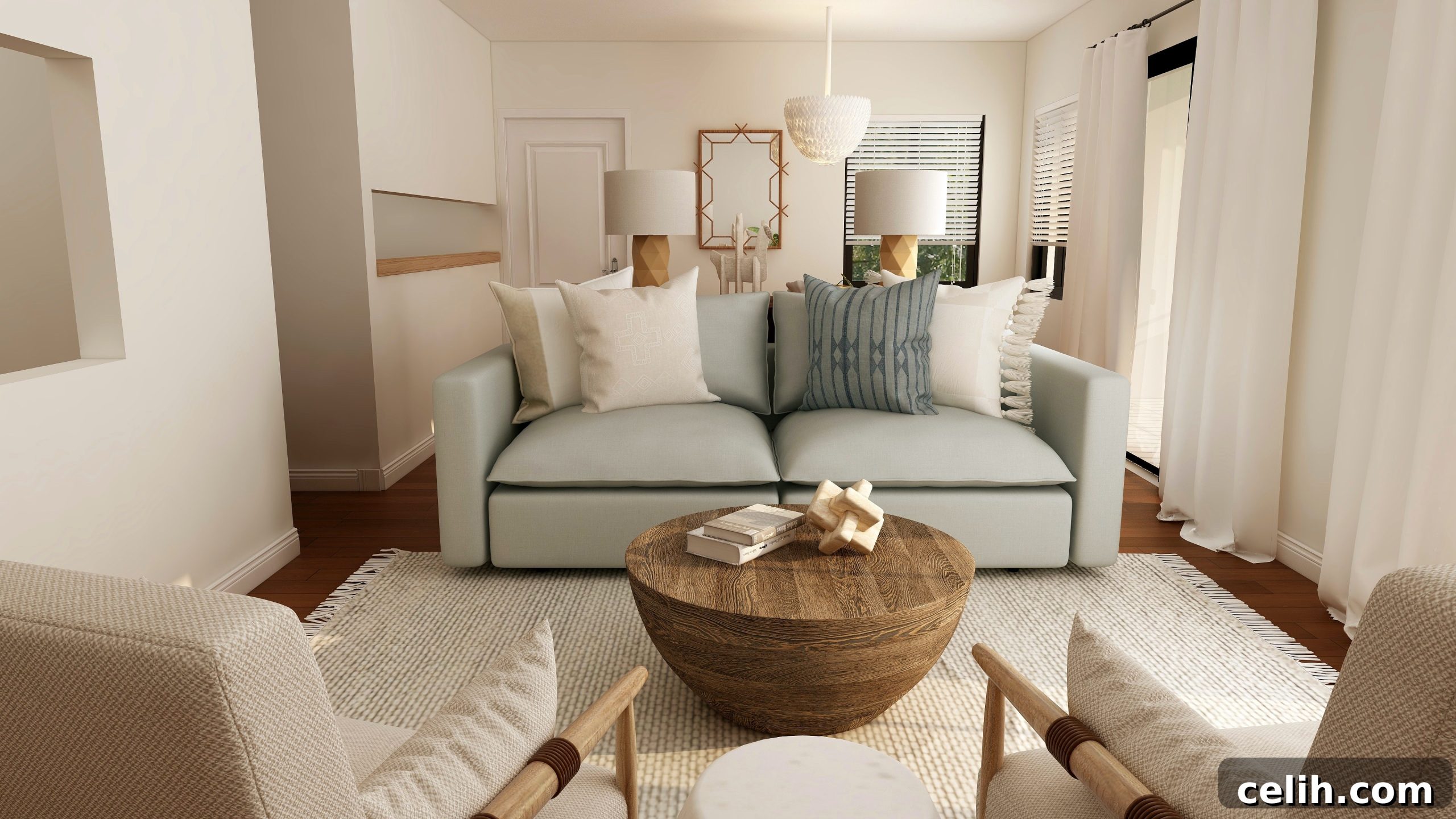
Retirement marks a wonderful new chapter in life, offering more time to pursue passions, enjoy loved ones, and perhaps, finally, create the dream home you’ve always envisioned. When considering a home renovation during these golden years, a mindful approach focusing on long-term comfort, enhanced accessibility, and timeless style is paramount. This guide provides essential tips for designing a living space that not only meets your current needs but also gracefully adapts to your future requirements, ensuring every corner of your home is a source of joy and ease. From thoughtful design choices that support “aging in place” to smart updates that boost your property’s value, we’ll explore how to transform your house into the ultimate sanctuary for your retirement years.
Why Embark on a Home Renovation in Retirement?
Many individuals find that retirement presents the perfect opportunity to tackle home improvement projects that have been on hold for years. The most significant advantage is the newfound abundance of free time. Without the daily grind of work, you can approach renovations at a relaxed pace, overseeing every detail without the pressure of a tight deadline. This allows for more considered decisions, better quality control, and the enjoyment of the process rather than rushing through it.
Beyond time, retirement often brings a shift in financial priorities and resources. Many retirees have more disposable income available, whether through accumulated savings, pension funds, or by strategically leveraging their home equity. For those over 50, opting for an equity release from their homes can unlock significant funds. This financial flexibility allows you to invest in high-quality materials, hire skilled professionals for complex tasks, or even treat yourself to luxurious upgrades, such as that bespoke garden furniture set you’ve admired for years. A well-planned renovation isn’t just about aesthetics; it’s about investing in your long-term comfort, well-being, and the future value of your most significant asset.
Furthermore, renovating in retirement allows you to future-proof your home. As we age, our needs change, and proactive modifications can significantly enhance your quality of life. Instead of reacting to challenges as they arise, you can design a space that supports your mobility and lifestyle for decades to come, ensuring your home remains a comfortable and safe haven.
Prioritizing Accessibility: Designing for “Aging in Place”
One of the most crucial aspects of retirement home renovation is integrating accessibility features. As individuals age, mobility often becomes a concern, making everyday tasks that were once simple, like climbing stairs, reaching high shelves, or getting in and out of a bathtub, increasingly challenging. Proactive design ensures your home remains comfortable and safe, allowing you to age in place gracefully and independently.
Bathroom Modifications: Safety and Ease
The bathroom is a prime area for accessibility improvements. Consider replacing traditional bathtubs with walk-in showers or walk-in baths, which eliminate high thresholds and reduce the risk of falls. Installing sturdy grab bars near toilets and in showers provides crucial support. Non-slip flooring is a must, and adjustable-height showerheads can accommodate various needs. Raised toilet seats or comfort-height toilets also make sitting and standing easier, significantly enhancing daily comfort and safety.
Kitchen Enhancements: Practicality and Reach
In the kitchen, designing for ease of use is key. Opt for lower countertops, particularly in key prep areas, or consider adjustable-height surfaces. Pull-out shelves, drawer organizers, and pantry systems can make items more accessible without requiring deep reaching or bending. Wall ovens installed at chest height eliminate the need to bend down, while lever-style faucet handles are easier to operate than traditional knobs. Adequate, bright lighting throughout the kitchen also improves visibility and safety, particularly when handling sharp objects or hot liquids.
Navigating Your Home: Stairs and Doors
Stairs can become a significant barrier over time. Investing in a stairlift can provide effortless access to upper floors, ensuring all areas of your home remain usable. If space allows, converting a downstairs room into a primary bedroom suite can create a single-level living option. Widening doorways to at least 32 inches can accommodate wheelchairs or walkers, while replacing traditional doorknobs with lever handles makes opening doors easier for hands with limited dexterity. Eliminating unnecessary rugs and ensuring clear pathways throughout your home also prevents tripping hazards.
Smart Home Technology: A Modern Solution
Modern technology offers innovative solutions for accessibility. Smart home systems can control lighting, thermostats, and even door locks through voice commands or a simple tablet interface. Automated blinds, smart kitchen appliances, and advanced security systems can further enhance convenience, safety, and peace of mind, allowing you to manage your home with minimal physical effort.
Cultivating a Serene and Stylish Ambiance
Beyond functionality, your retirement home should be a sanctuary – a place that reflects your personality, evokes peace, and provides comfort. The aesthetic choices you make, particularly regarding color and decor, play a pivotal role in achieving this desired ambiance.
The Power of Subtle Color Palettes
Changing up your home’s color palette to more subtle, calming hues can dramatically transform its atmosphere. Soft neutrals like gentle grays, warm beiges, serene blues, and muted greens create a sense of sophistication and tranquility. These colors are not only timeless and elegant but also require less upkeep than vibrant, bright walls or carpets that may show wear and fade over time. Subtle colors create a harmonious backdrop, allowing your personal touches and cherished possessions to stand out without overwhelming the space. They also tend to make rooms feel larger and more inviting, promoting a sense of calm and well-being.
While subtle colors form the foundation, remember that your home should always reflect your unique personality and life’s journey. Integrate plenty of homely touches: display photographs of your grandchildren, showcase cherished ornaments that evoke treasured memories, or incorporate artwork that brings you joy. These personal elements add warmth and character, making your home a true reflection of you and a comforting sanctuary for your later years.
Thoughtful Furniture Choices for Unparalleled Comfort
Furniture in a retirement home needs to strike a perfect balance between comfort, support, and ease of use. The goal is to create spaces where you can relax without strain and move with confidence.
Ergonomic Seating: Sofas and Armchairs
When selecting seating, prioritize pieces that offer excellent ergonomic support. Consider a sofa suite or armchair specifically designed for ease of mobility, often featuring a slightly higher seat height and firmer cushions. Reclining options, especially those with power-lift mechanisms or remote controls, are incredibly beneficial. These allow you to adjust positions effortlessly and stand up much easier without straining your back or knees. Look for armrests that are sturdy and at a comfortable height to aid in getting in and out of the chair. Fabrics should be durable, easy to clean, and soft to the touch, adding to the overall comfort.
Bedroom Sanctuary: Restful Retreats
In the bedroom, the height of your bed is crucial. A bed that is too low or too high can make getting in and out difficult. Aim for a height that allows your feet to comfortably touch the floor when sitting on the edge. Invest in a high-quality mattress that provides optimal support and comfort for a good night’s sleep. Ensure bedside tables are within easy reach and large enough to hold necessities like a lamp, water, and any medications, ideally with easy-to-open drawers.
Don’t forget the importance of outdoor comfort. If you enjoy spending time in your garden, ensure you have comfortable, supportive outdoor furniture. A sturdy patio set with cushions, a comfortable lounger, or a gentle rocking chair can transform your garden into a perfect spot for reading a book, enjoying a cup of tea, or simply soaking in the fresh air without compromising your comfort.
Creating Welcoming Spaces for Family and Loved Ones
Retirement often means more opportunities to spend quality time with family, especially grandchildren. Designing your home to accommodate these cherished gatherings ensures everyone feels comfortable and welcome, creating lasting memories.
Expanding Living Areas
If your household regularly hosts family for events like Christmas dinner or weekend visits, consider renovations that create more communal space. An extension, such as a conservatory or an expanded dining room, can provide ample room for everyone to gather comfortably without feeling cramped. Open-plan living concepts can also facilitate better flow and interaction during family get-togethers. These larger spaces not only enhance social experiences but also make your home feel more expansive and inviting.
Dedicated Play and Guest Zones
Beyond mere space, think about the specific needs of your visitors. If grandchildren are frequent guests, designating a safe play area where they can enjoy themselves without the worry of knocking over precious ornaments or delicate furniture is invaluable. This could be a corner of a living room, a dedicated playroom, or even a section of a converted basement or attic. Ensure these areas are child-friendly with durable, easy-to-clean surfaces and soft furnishings.
Similarly, a comfortable guest bedroom ensures visitors have their own private retreat. This space should be thoughtfully furnished with a comfortable bed, adequate storage, and perhaps even its own small en-suite bathroom if feasible. Creating these welcoming spaces not only makes your family feel cherished but also enriches your own retirement experience by fostering deeper connections and enjoyable visits.
Smart Renovations to Enhance Your Home’s Value
While the primary goal of retirement renovations is often personal comfort and accessibility, it’s also wise to consider how these improvements might add value to your home. Whether you plan to sell in the distant future or eventually pass the property on to your children, strategic renovations can significantly boost its market appeal and financial worth.
Kitchen and Bathroom Upgrades: High ROI
Kitchens and bathrooms are consistently recognized as the rooms that offer the highest return on investment. Even minor updates, such as replacing worn cupboard doors, upgrading to modern, energy-efficient appliances, or installing new fixtures and fittings, can dramatically enhance their appeal. Consider timeless, neutral finishes that will appeal to a broad range of buyers. Adding accessible features in these areas, as discussed earlier, can also be a unique selling point for an increasing demographic of buyers looking for “future-proofed” homes.
Flooring and Finishes: Modern Appeal
Simple things like ditching old, worn carpets for stylish, low-maintenance laminate flooring, engineered wood, or even modern tile can instantly modernize your home. A fresh coat of paint throughout, in those subtle, calming colors, can brighten rooms and make them feel larger and cleaner. Updating light fixtures, door hardware, and even electrical outlets can contribute to a more polished and contemporary look, signaling that the home has been well-maintained and thoughtfully updated.
Energy Efficiency Improvements: A Green Investment
Investing in energy-efficient upgrades is a smart move for both your wallet and your home’s value. Replacing old, drafty windows with double- or triple-glazed units, improving attic and wall insulation, or installing a smart thermostat can reduce utility bills and attract environmentally conscious buyers. These improvements not only save you money in retirement but also add a tangible asset to your home’s profile.
Finally, don’t underestimate the power of general maintenance and curb appeal. A well-maintained exterior, a tidy garden, and a welcoming front entrance create a strong first impression and convey that the home has been loved and cared for. By blending personal comfort with an eye for market value, your retirement home renovation becomes a truly smart and satisfying investment.
Embracing retirement with a home designed for comfort, accessibility, and personal joy is one of the greatest gifts you can give yourself. By thoughtfully planning your renovations, you can transform your house into a haven that perfectly supports your lifestyle, accommodates your loved ones, and continues to be a valuable asset for years to come. Start planning your dream retirement home today, creating a space where every day feels like a peaceful retreat.
Featured image credit: Photo by Collov Home Design on Unsplash