
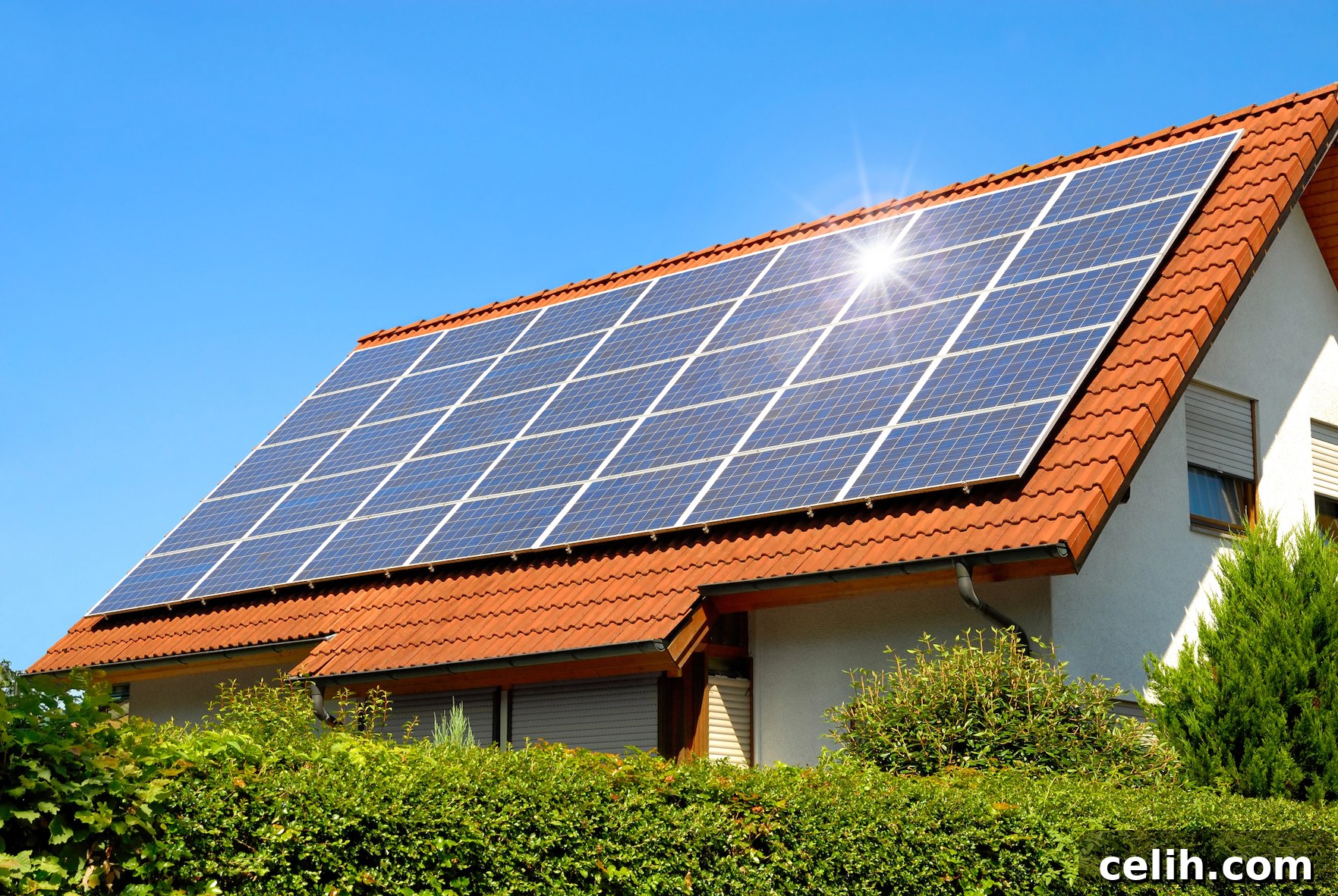
In an era defined by growing environmental consciousness and the urgent need for climate action, the pursuit of sustainable living has moved from niche interest to mainstream imperative. At the forefront of this movement are energy-efficient homes, rapidly gaining traction for their profound ability to significantly reduce our collective carbon footprint while simultaneously delivering substantial savings on power costs. With global warming and climate change dominating global discussions, there’s an undeniable shift towards integrating sustainable methods into every aspect of residential property construction and existing home upgrades. This comprehensive approach ensures that our living spaces are not just comfortable, but also responsible stewards of our planet.
The strategic integration of advanced solar power systems and intelligent energy storage solutions stands out as one of the most effective and transformative approaches to designing and maintaining truly energy-efficient homes. While the initial investment might seem considerable, the long-term benefits are overwhelmingly compelling, encompassing not only a dramatic reduction in monthly electric bills but also a vital contribution to fostering a sustainable, resilient, and eco-friendly environment for future generations. This article delves into the transformative power of solar energy and the indispensable role of smart storage in shaping the homes of tomorrow.
Harnessing the Sun: Solar Power for Residential Homes
Solar power represents one of humanity’s most promising and accessible renewable energy sources. By harnessing the abundant, free energy from the sun, solar panels convert sunlight directly into electricity, providing a clean, sustainable, and reliable power source for our homes. This not only diminishes our reliance on fossil fuels but also empowers homeowners to achieve greater energy independence. The fundamental process involves photovoltaic (PV) cells capturing photons from sunlight, generating direct current (DC) electricity, which is then converted into alternating current (AC) by an inverter for use in household appliances and connection to the grid.
For those hesitant about the upfront costs associated with solar panel installation, innovative financing models have emerged, such as the Power Purchase Agreement (PPA). Under a PPA, homeowners can enjoy the benefits of solar energy without any initial investment. Instead, a solar provider installs, owns, and maintains the solar panel system on your property. In return, you agree to purchase the solar-generated electricity from them at a fixed, often significantly lower, rate over a specified period – typically 10 to 20 years. This model makes solar power an attractive and readily viable option, allowing you to save money from day one while contributing to a greener planet, free from the burdens of maintenance or performance worries.
Unpacking the Multifaceted Benefits of Solar Power
Adopting solar power for your home brings a wealth of advantages that extend far beyond simple energy generation. It’s a strategic investment in your financial future, the environment, and your overall quality of life.
- Significant Reduction in Energy Bills: This is arguably the most immediate and tangible benefit. By generating your own electricity, you dramatically reduce the amount of power you need to purchase from the utility grid. A well-designed and optimally positioned solar system can generate enough electricity to cover a significant portion, or even all, of your home’s energy needs, leading to substantial savings that accumulate over the system’s long lifespan. Many regions also offer “net metering” programs, allowing you to sell excess electricity generated back to the grid, further offsetting costs or even generating credits.
- Environmental Stewardship and Reduced Carbon Footprint: Unlike traditional energy sources that rely on burning fossil fuels and release harmful greenhouse gases, solar energy production generates zero emissions. By switching to solar, you actively help combat climate change, reduce air pollution, and minimize your home’s overall carbon footprint. This commitment to clean energy plays a crucial role in preserving natural resources and fostering a healthier planet.
- Enhanced Energy Independence and Security: Solar power grants homeowners a degree of insulation from volatile energy markets and rising electricity prices. With your own power source, you’re less susceptible to grid outages and price fluctuations, ensuring a more stable and predictable energy future. This self-sufficiency is particularly appealing in areas prone to severe weather events or an aging power grid.
- Increased Property Value: Homes equipped with solar panel systems are increasingly attractive to potential buyers. Studies consistently show that solar installations can significantly increase a home’s market value, making it a valuable asset should you decide to sell. Buyers appreciate the long-term energy savings and environmental benefits that come with a pre-installed solar system.
- Access to Government Incentives and Rebates: To encourage the adoption of renewable energy, many governments and local municipalities offer a variety of financial incentives. These can include federal tax credits, state and local rebates, property tax exemptions, and performance-based incentives (PBIs). These programs can significantly lower the net cost of installation, making solar power more affordable and accessible.
Beyond Generation: The Essential Role of Smart Storage Solutions
While solar energy promises a greener living environment and energy independence, smart energy storage solutions are the crucial component that unlocks the full potential and efficiency of this power. Intermittency is an inherent characteristic of solar power – the sun doesn’t shine at night or on heavily overcast days. This is where modern battery storage systems come into play, serving as intelligent reservoirs for electricity. Whether it’s storing surplus solar energy generated during peak sunshine hours or drawing power from the mainstream grid during off-peak periods when electricity rates are lowest, these advanced systems are designed to optimize energy use, maximize self-consumption of renewables, and significantly control household costs.
These sophisticated systems typically consist of high-capacity batteries (most commonly lithium-ion), an inverter, and a smart energy management system. The management system uses algorithms and real-time data to make intelligent decisions about when to store energy, when to use it, and when to feed it back to the grid. This level of automation and control ensures that your home always has access to the most economical and sustainable power source available.
Key Advantages of Smart Energy Storage Systems
Integrating smart energy storage into your home offers a suite of benefits that enhance comfort, resilience, and financial savings, making it an indispensable partner to solar power.
- Empowering Homeowner Control and Energy Optimization: Smart storage systems give homeowners unprecedented control over their energy consumption. With increased use of solar-generated electricity, stored energy allows you to use your own clean power even when the sun isn’t shining. The system can be programmed to perform ‘peak shaving,’ drawing from stored energy during expensive peak demand hours instead of buying from the grid. It can also utilize ‘load shifting,’ charging batteries during off-peak hours when electricity is cheaper and discharging them during peak times, significantly reducing energy costs.
- Reliable Backup Power During Outages: One of the most compelling advantages of smart storage is its ability to provide seamless backup power. In the event of a grid blackout, your stored energy can automatically kick in, powering essential household functions like lighting, refrigeration, heating/cooling systems, and critical appliances. This ensures continuity and comfort, turning what would typically be an inconvenient and potentially costly disruption into a minor blip.
- Enhanced Grid Resilience and Stability: While primarily benefiting individual homeowners, widespread adoption of smart storage also contributes to the stability of the broader electrical grid. By reducing demand during peak hours and potentially feeding stored renewable energy back to the grid (in some utility programs), these systems help balance supply and demand, reducing strain on infrastructure and facilitating a smoother transition to a renewable energy future.
- Maximizing Self-Consumption of Renewable Energy: For homes with solar panels, smart storage ensures that nearly all the clean energy you produce is utilized. Instead of sending excess solar back to the grid for minimal credit, you store it for later use, maximizing the financial and environmental return on your solar investment. This high self-consumption rate further accelerates your path to energy independence.
The Powerful Synergy: Solar Power and Smart Storage United
The true revolution in residential energy efficiency doesn’t lie solely in solar power or smart storage, but in their seamless integration. When solar panels and battery storage solutions work in tandem, they create a highly efficient, resilient, and virtually self-sufficient home energy ecosystem. Solar panels generate clean electricity during the day, powering your home and simultaneously charging the battery bank. When the sun sets or adverse weather conditions limit solar production, the smart storage system automatically discharges its stored energy to meet your home’s needs. This intelligent management ensures a continuous supply of clean energy, day and night, regardless of external conditions.
This integrated approach offers unparalleled benefits: maximum utilization of renewable energy, enhanced protection against power outages, significant long-term cost savings, and a greatly reduced environmental footprint. It transforms a house into an active participant in the energy landscape, capable of generating, storing, and intelligently managing its own power supply. This synergy is the cornerstone of modern energy-efficient home design, moving beyond simple power generation to holistic energy management.
The Future Landscape of Energy-Efficient Homes
To keep pace with the demands of a rapidly changing world and an ever-growing population, homes of the future are undeniably destined to rely heavily on advanced renewable energy sources like solar power and sophisticated energy storage methods. While the initial investment in high-quality solar panels and smart storage systems can be a significant consideration, the long-term financial, environmental, and lifestyle benefits are unequivocally profound and continue to grow. These innovative green technologies offer incredibly exciting prospects for homeowners actively seeking practical, economical, and responsible ways to build and inhabit truly sustainable living spaces.
Energy-efficient homes, powered by integrated solar systems and smart storage solutions, are far more than a fleeting trend—they represent a fundamental and accelerating movement towards comprehensive environmental stewardship, unwavering sustainability, and intelligent, connected living. As these critical technologies continue to mature, improve in efficiency, and become increasingly cost-effective, our residential homes will remain a vital testing ground for advanced concepts in sustainable living. We can confidently expect the entire landscape of residential housing to continually evolve, enthusiastically embracing the frontier of renewable energy generation and the indispensable power of smart storage solutions to create a greener, more resilient future for all.