
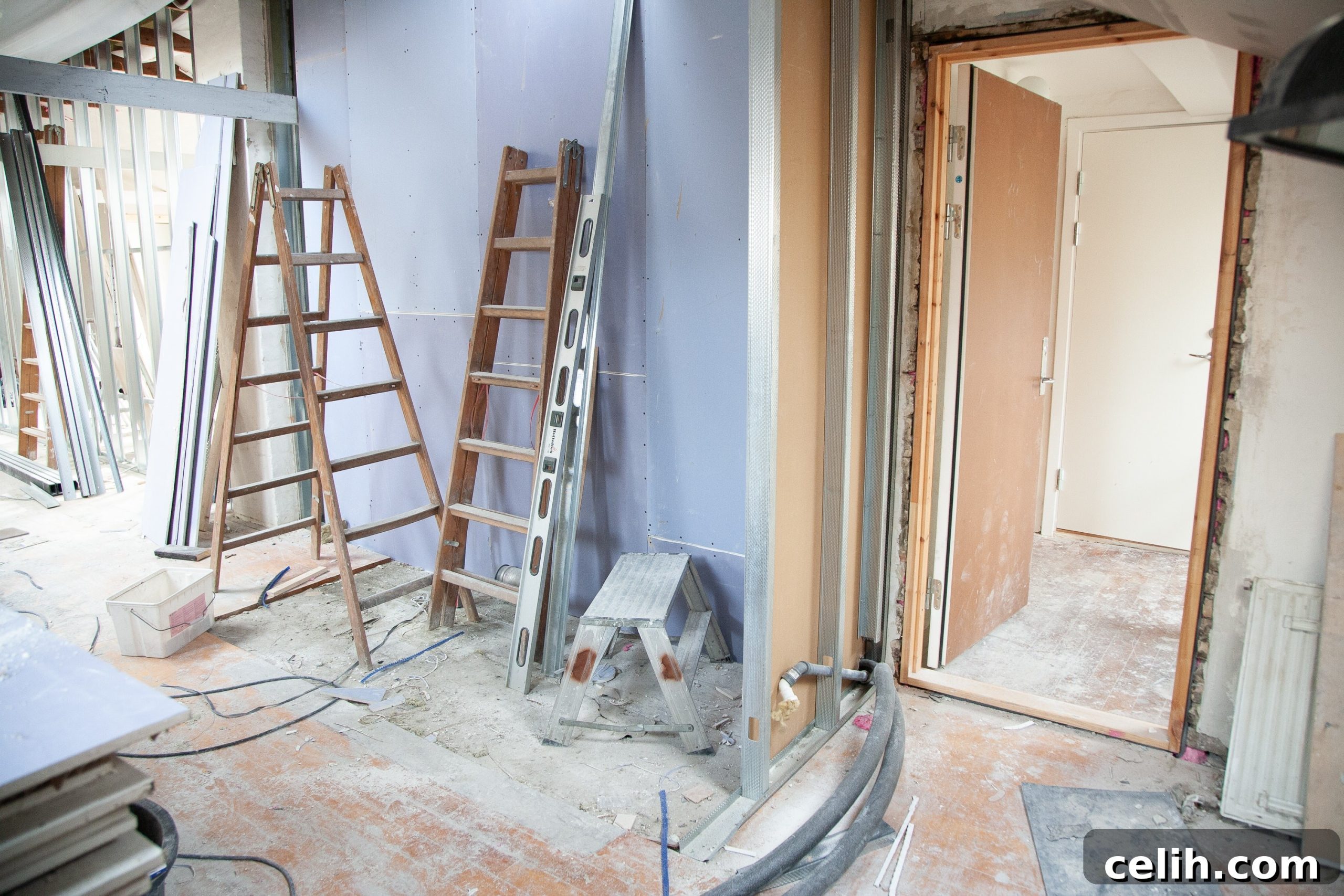
London, a global financial hub and cultural epicentre, is renowned for many things, including its vibrant lifestyle, iconic landmarks, and unfortunately, its exceptionally high property prices. For homeowners navigating this competitive market, the challenge isn’t just acquiring a property, but maintaining and enhancing its value amidst soaring competition. While the dream of a significant property uplift might seem daunting, especially with budget constraints, there’s a proven, cost-effective strategy that consistently delivers: property refurbishment.
Refurbishment is far more than just a lick of paint; it’s a transformative process that breathes new life into an existing property. Whether your goal is to refresh a tired aesthetic, enhance daily comfort, or strategically position your home for a lucrative sale, a well-executed refurbishment can be the most intelligent way to significantly increase your property’s market value without necessitating a complete rebuild. It’s an investment that pays dividends, making your London property not only more desirable but also more valuable.
Unlocking Value: Understanding Different Types of London Property Refurbishments
Embarking on a property refurbishment journey in London requires a clear vision of your objectives and the scope of work involved. Refurbishments aren’t one-size-fits-all; they range from minor cosmetic updates to extensive structural overhauls, each with its own benefits, costs, and potential return on investment. Understanding these distinctions is crucial for planning an effective and budget-conscious project that truly maximises your property’s appeal and market worth.
Cosmetic Refurbishments: Quick Wins for London Homes
If your primary aim is to refresh the appearance of your flat or house without delving into major structural changes, a cosmetic refurbishment is often the ideal choice. These projects focus on aesthetic improvements that enhance visual appeal and create a more inviting atmosphere. They are generally less expensive and quicker to complete, yet they can significantly impact how potential buyers perceive your property.
Examples of highly effective cosmetic refurbishments include:
- Internal Redecoration: A fresh coat of paint in neutral, modern colours can instantly brighten rooms and make them feel larger and cleaner. Updating wallpaper or adding stylish feature walls also falls into this category.
- Flooring Updates: Replacing worn carpets with contemporary alternatives, sanding and varnishing original wooden floors, or installing new laminate or engineered wood flooring can dramatically improve a room’s aesthetic and perceived value.
- Minor Kitchen/Bathroom Facelifts: Rather than a full overhaul, consider replacing cabinet doors, updating worktops, retiling splashbacks, regrouting, or installing new taps and showerheads. These smaller changes can give these crucial rooms a fresh, modern look at a fraction of the cost of a complete renovation.
- Lighting Upgrades: Modern light fixtures, dimmer switches, and strategic task lighting can transform the ambience and functionality of any space.
- Exterior Enhancements: Rendering, exterior painting, or simply tidying up the facade can boost curb appeal, which is vital for first impressions in the competitive London property market.
Cosmetic refurbishments are particularly popular for London flats and smaller houses where space is at a premium and every detail counts. They are an excellent strategy for homeowners looking to sell quickly or simply enjoy a refreshed living environment without a significant financial outlay.
Structural Refurbishments: Long-Term Value and Major Transformations
When the condition of your property demands more than just aesthetic fixes, or if you aim for a substantial increase in living space and functionality, a more extensive structural refurbishment is necessary. This type of work involves significant changes to the property’s layout, services, or fundamental elements. While more expensive and time-consuming, structural refurbishments often yield the highest return on investment, especially in high-value areas across London.
Key examples of structural property refurbishments include:
- Kitchen or Bathroom Fitting: A complete redesign and installation of a new kitchen or bathroom suite. This involves relocating plumbing, electrical wiring, and potentially walls to create modern, highly functional spaces. A contemporary kitchen or bathroom is often a top priority for London homebuyers.
- New Windows and Doors: Upgrading to double or triple-glazed windows and energy-efficient doors not only enhances insulation and reduces noise but also improves security and the overall aesthetic of the property.
- Flat Roof Replacement: A critical maintenance item, replacing an old or damaged flat roof ensures structural integrity, prevents leaks, and improves insulation, adding significant long-term value.
- Layout Reconfiguration: Removing or adding internal walls to create open-plan living areas, divide existing rooms, or carve out new bedrooms or studies. This can drastically improve flow and functionality, making a property more appealing to modern families or professionals.
- Loft Conversions: Converting an unused attic space into a bedroom, office, or extra living area is one of the most effective ways to add substantial value and living space to a London home without extending its footprint.
- Property Extensions: Building a side return, rear extension, or even a multi-story addition can transform a property, creating valuable extra square footage, especially in land-scarce London.
- Electrical Rewiring and Plumbing Updates: For older properties, updating the electrical system and plumbing infrastructure is not just an improvement but a safety necessity that adds considerable value and peace of mind.
Deciding which type of refurbishment is right for your home in London depends on a multitude of factors: your allocated budget, the current condition of your property, your personal preferences and lifestyle needs, and crucially, the potential for increasing market value in your specific area. Thorough planning, detailed budgeting, and careful consideration of local planning regulations are paramount to the success of any refurbishment project.
Budgeting for Your Refurbishment
Regardless of the scale, setting a realistic budget and diligently sticking to it is perhaps the most critical aspect of any property refurbishment. Overspending is a common pitfall. Always allocate a contingency fund (typically 10-20% of your total budget) for unexpected issues that often arise, especially in older London properties. Get multiple quotes from different suppliers and contractors to ensure you’re getting the best value for money without compromising on quality.
Navigating the London Property Market: Maximising Your Renovation ROI
In London’s dynamic property market, certain refurbishments consistently deliver higher returns on investment. Understanding these trends can help homeowners make strategic decisions to maximise their property’s value. Focus on areas that matter most to potential buyers:
- Kitchens and Bathrooms: These are often considered the most important rooms in a house. Modern, well-designed, and highly functional kitchens and bathrooms can add significant value and are often a deal-breaker for buyers.
- Adding Space: Loft conversions and extensions (e.g., side return extensions common in London terraced houses) are powerful value enhancers, as they directly increase the habitable square footage, which is a premium commodity in London.
- Curb Appeal: First impressions matter. A well-maintained exterior, attractive front garden, and inviting entrance can boost your property’s perceived value even before a buyer steps inside.
- Energy Efficiency: Upgrading insulation, installing modern double glazing, and updating heating systems can improve your property’s Energy Performance Certificate (EPC) rating, making it more attractive to eco-conscious buyers and reducing running costs.
Research local property values and trends. What features are highly sought after in your specific London borough? Tailoring your refurbishment to meet these local demands can significantly enhance your property’s marketability and value.
Expert Guidance: Hiring Reputable Contractors for Your London Refurbishment
Unless you possess exceptional DIY skills and ample free time, a successful property refurbishment in London almost always hinges on hiring the right professionals. Specialist refurbishment companies and individual tradespeople bring expertise in various areas, from intricate painting and wallpapering to complex plumbing, electrical work, and structural carpentry. They can manage the project from conception to completion, ensuring high-quality results and adherence to regulations.
What to Look for in a London Refurbishment Contractor:
- Reputation and Experience: Always prioritise contractors with a strong track record. Ask friends, family, and neighbours for recommendations, particularly for projects similar to yours. Online reviews on platforms like Checkatrade, Trustpilot, or Google My Business can also provide valuable insights into a company’s customer service and workmanship.
- Specialisation: Ensure the contractor has specific experience in the type of refurbishment you’re undertaking. If you’re planning a complex flat refurbishment London, for example, look for companies that specialise in multi-trade residential renovations.
- Portfolio of Previous Work: A reputable contractor should be able to provide a comprehensive portfolio of their past projects. This allows you to assess the quality of their workmanship, understand their style, and see examples that align with your vision.
- Qualifications and Accreditation: Verify that tradespeople hold the necessary certifications for their respective fields (e.g., Gas Safe registered for gas work, NICEIC or Part P registered for electrical work). Membership in professional bodies can also indicate adherence to industry standards.
- Insurance: Crucially, confirm that the contractor holds adequate public liability insurance and employer’s liability insurance (if they have staff). This protects you in case of accidents or damage during the project.
- Detailed Quotes: Obtain at least three detailed quotes from different companies. Ensure these quotes break down costs for labour, materials, and any other associated fees. This allows for clear comparison and helps avoid hidden charges later on.
- Clear Contract and Payment Schedule: Once you’ve chosen a contractor, ensure all agreed terms are put in writing. A comprehensive contract should outline the scope of work, timeline, payment schedule (usually staged payments linked to project milestones), warranties, and a clear dispute resolution process. Avoid paying a large upfront sum; reputable contractors typically require a smaller initial deposit.
- Communication: Good communication is vital. The contractor should be responsive, transparent, and keep you informed of progress and any potential issues.
- Project Management: For larger projects, inquire about their project management approach. Will there be a dedicated project manager? How will different trades be coordinated?
The Refurbishment Process: From Planning to Completion
A well-managed refurbishment project follows a clear process:
- Initial Consultation and Design: Discuss your vision, budget, and requirements with potential contractors. This may involve architects or interior designers for more complex projects.
- Detailed Planning and Permissions: Secure all necessary planning permissions and building regulations approvals from your local London council. This is critical for structural changes, extensions, or loft conversions.
- Contract Signing: Formalise the agreement with your chosen contractor, ensuring all details are meticulously outlined.
- Execution: The physical work begins. Regular site visits and communication with your contractor are important to monitor progress and address any emerging issues promptly.
- Quality Checks and Snagging: As the work nears completion, conduct thorough inspections. Create a ‘snagging list’ of any minor defects or unfinished items that need rectifying before final payment.
- Final Payment and Handover: Once you are completely satisfied with the quality and completion of the work, make the final payment. Ensure you receive all relevant certifications (e.g., electrical safety certificates, gas safety certificates).
Refurbishing your London home is an excellent strategy to boost its value, enhance its comfort, and align it with contemporary living standards. However, success hinges on meticulous research, careful planning, and the astute selection of experienced professionals. By following these comprehensive guidelines, you can navigate the complexities of property refurbishment with confidence, ensuring optimal results and a significant return on your investment in the competitive London property market.