
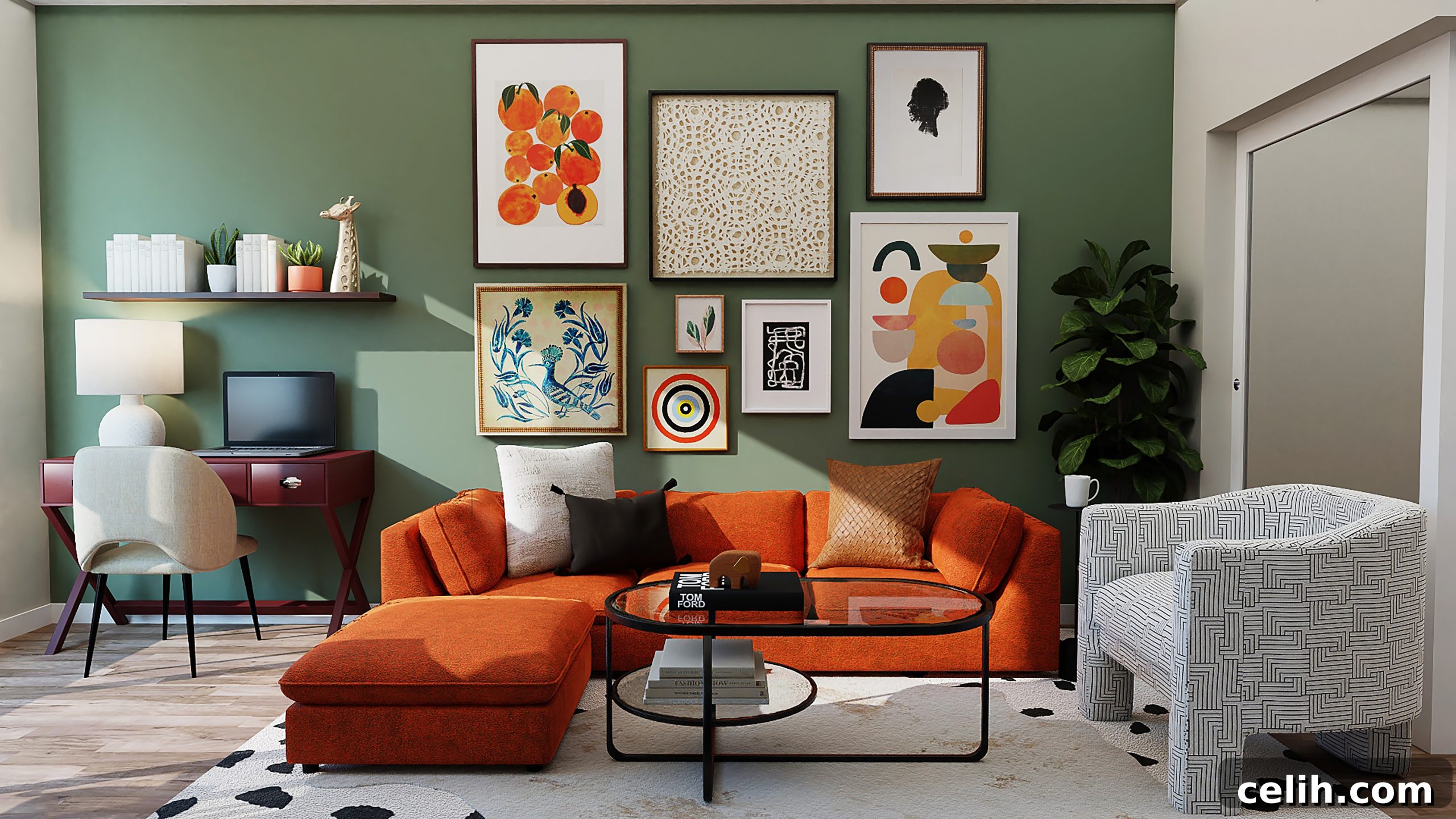
Transform Your Home: The Ultimate Guide to Interior Design and Home Improvements
Embarking on a journey of home improvement is a deeply rewarding experience, transforming mere spaces into reflections of personal style and comfort. It’s no wonder that a staggering £83 billion is invested annually in the UK alone on various home enhancements. This significant expenditure underscores a universal desire to refine our living environments, making them more functional, beautiful, and attuned to our evolving needs. Whether it’s a minor refresh or a major overhaul, the impulse to improve our homes is a shared one, perhaps more so now than ever before.
The recent past, marked by extended periods spent indoors, particularly during lockdowns, ignited a widespread passion for interior home improvements. Many found themselves re-evaluating their surroundings, seeking solace, functionality, and aesthetic pleasure within their own four walls. If you’re feeling this newfound enthusiasm or are on the verge of commencing your own home transformation project, you’ve landed in the perfect spot. This guide is crafted to empower aspiring interior designers and homeowners alike, providing actionable insights and creative inspiration.
To assist you in achieving the interior of your dreams, we’ve meticulously compiled a list of essential tips and considerations. These insights are designed to guide you through the exciting process of home improvement, ensuring that every decision contributes to a cohesive and inviting space. From subtle stylistic tweaks to complete interior overhauls, our advice is versatile, catering to diverse design ambitions and budget constraints. We are confident that within these pages, you will discover valuable ideas that resonate with your personal vision and help bring your ideal home to life.
Prepare to be inspired, gain confidence, and get ready to pick up that paintbrush or start planning your next big project!
Essential Interior Design Tips for Your Home Transformation
1. Master the Art of Lighting: Setting the Mood and Functionality
Lighting is arguably one of the most powerful tools in interior design, capable of dramatically altering the atmosphere, perception of space, and overall ambience of any room. It’s far more than just illumination; it’s about crafting an experience. Before making any decisions, consider the primary function and desired mood for each space. Do you envision a vibrant, energy-filled kitchen bathed in bright, natural light, or a cozy, intimate living room with soft, warm undertones? Your answer will inform every subsequent lighting choice.
There are three fundamental layers of lighting to consider: ambient, task, and accent. Ambient lighting provides general illumination, filling the room with a base level of light. This could be achieved through overhead fixtures, recessed lights, or large windows allowing ample natural light. Incorporating luxury blinds allows you to control the intensity of natural light, offering privacy and protection from glare while still benefiting from daylight’s mood-boosting effects. For comprehensive guidance on selecting and installing blinds, resources like Make My Blinds offer detailed information on various types and fitting techniques.
Task lighting is crucial for specific activities, such as reading, cooking, or working. Think pendant lights over a kitchen island, desk lamps, or floor lamps positioned beside an armchair. The goal here is to provide focused, glare-free light to prevent eye strain. Finally, accent lighting is used to highlight specific features or create visual interest. This might include spotlights on artwork, uplights showcasing architectural details, or decorative lamps that serve as sculptural elements themselves. Layering these three types of lighting ensures a dynamic and functional space, allowing you to adjust the mood for different times of day and activities.
Beyond natural light and functional fixtures, consider the colour temperature of your artificial lighting. Warm white (2700K-3000K) typically creates a cozy, inviting feel, ideal for bedrooms and living rooms. Cool white (3500K-4500K) is more invigorating, suitable for kitchens, bathrooms, and home offices where focus is key. Smart lighting systems offer unparalleled flexibility, allowing you to change colour, intensity, and even create pre-set scenes with a simple command, truly mastering the ambiance of your home.
2. The Power of Colour: Paint and Wallpaper Choices
The colours you choose for your walls, whether through paint or wallpaper, profoundly influence the emotional tone and visual perception of a room. Much like lighting, colour can instantly transform a space, making it feel expansive or intimate, calm or energetic. The current trend often leans towards serene, neutral tones – whites, greys, and muted pastels – which create a tranquil backdrop, promoting a sense of spaciousness and timeless elegance. These foundational colours also offer incredible flexibility, allowing you to introduce pops of vibrant colour through accessories and furnishings that can be easily updated.
However, if your personality gravitates towards the bold and expressive, don’t shy away from a more vibrant colour scheme. A striking feature wall in a deep jewel tone or a playful wallpaper pattern can serve as a magnificent focal point, injecting character and a ‘wow’ factor that leaves a lasting impression on guests. This is your opportunity to truly express your individuality and make your home uniquely yours.
The most effective way to ensure you’re making the right choice is through extensive testing. Colour can appear vastly different under various lighting conditions – natural daylight versus artificial evening light – and even change depending on the time of day. Testing different types of paint and shades on small sections of your walls is not just recommended; it’s essential. Most retailers offer sample pots, making it easy and affordable to experiment. Paint several swatches in different areas of the room, observe them throughout the day, and see how they interact with your existing furniture and decor. This diligent approach guarantees you’ll find the perfect hue that aligns with your vision and enhances your home’s aesthetic.
Beyond solid paint colours, consider the transformative potential of wallpaper. From subtle textures that add depth to bold geometric patterns and lush botanical prints, wallpaper can create an instant statement. Modern wallpapers are often easier to install and remove than their predecessors, making them a less daunting commitment. You could opt for a feature wall to introduce a pattern without overwhelming the space, or choose a delicate, all-over print for a more traditional, layered look. Don’t forget the impact of paint finish: matte paints absorb light for a sophisticated, velvety look, while satin or eggshell finishes offer a subtle sheen and are more durable, ideal for high-traffic areas. Gloss finishes are perfect for trim and doors, adding a touch of crispness and reflectivity.
3. Thoughtful Furniture Selection: Function, Style, and Flow
Furniture forms the backbone of any interior design scheme, dictating not only the functionality but also the aesthetic appeal and comfort of a room. Its selection is paramount, as the right pieces can elevate a space, while ill-chosen items can disrupt its harmony and flow. When considering furniture, it’s crucial to think about scale, proportion, and how each piece will contribute to the overall colour scheme and desired atmosphere. Will you invest in entirely new furniture, or are you planning to breathe new life into existing pieces through reupholstering, painting, or clever styling?
For those embarking on a complete interior overhaul, the world of furniture offers endless possibilities. Explore different styles—from sleek modern and minimalist designs to cozy rustic and traditional aesthetics. Consider how each piece interacts with others to create a cohesive narrative. Beyond individual items, think about the overall layout and how furniture arrangement influences traffic flow. Ensure there’s ample space to move around comfortably, avoiding cluttered pathways that can make a room feel cramped and uninviting.
Budget constraints often play a significant role in home improvement projects. If a full suite of new furniture isn’t feasible, consider the transformative power of upcycling and refurbishing. A fresh coat of paint, new hardware, or updated upholstery can completely rejuvenate an old dresser, chair, or sofa, giving it a bespoke look for a fraction of the cost of buying new. This approach is not only budget-friendly but also environmentally conscious, contributing to sustainable living by reducing waste.
Moreover, think about multi-functional furniture, especially if you’re working with smaller spaces. Ottomans with storage, sofa beds, extendable dining tables, and nesting tables can maximize utility without compromising on style. These clever solutions help maintain an uncluttered appearance while offering practical benefits. Regardless of whether you’re completely refurnishing or simply refreshing, meticulous planning and careful consideration of each furniture piece will ensure your home improvements result in a space that is both beautiful and highly functional.
4. Redefining Space: Optimizing Room Layout and Flow
Sometimes, the most impactful home improvement doesn’t involve buying new items, but rather re-imagining how existing elements interact within a space. Changing the layout of a room can dramatically enhance its functionality, comfort, and aesthetic appeal. This became particularly evident for many during the work-from-home era, where makeshift offices at the dining table highlighted the need for more dedicated and organized living areas. A thoughtful layout considers how you use a room, ensuring optimal traffic flow and designating specific zones for different activities.
Begin by assessing your current layout. Are there areas that feel cramped or underutilized? Does the flow from one area to another feel natural or obstructed? Even simple adjustments, like rotating your sofa to face a different wall or repositioning a rug, can create a fresh perspective and improve spatial dynamics. For open-plan living areas, consider creating distinct zones for dining, lounging, and working. This can be achieved through clever furniture placement, using an area rug to define a seating arrangement, or even employing strategic lighting to delineate different functions.
For those needing to establish clear boundaries within a larger room, especially for a home office, room dividers offer elegant and practical solutions. There are numerous options available for splitting a room, ranging from freestanding screens that offer portability and design flair, to permanent built-in shelving units that double as storage and a visual barrier. Sliding panels, curtains, or even large plants can also serve as soft dividers, maintaining an open feel while providing a sense of separation. These solutions are particularly valuable for busy individuals who need to mentally and physically separate their work life from their home life, even within the same physical space.
When planning a new layout, sketching out ideas on paper or using online room planner tools can be incredibly helpful. This allows you to experiment with different arrangements without the physical effort of moving heavy furniture. Pay attention to focal points—a fireplace, a large window, or a piece of art—and arrange furniture to complement them. Ensure that electrical outlets are accessible and that there’s a balance in furniture distribution to avoid making one side of the room feel heavier than the other. A well-planned layout not only enhances daily living but also boosts your home’s overall appeal and value.
Your Journey to a Beautiful Home Begins Now
These detailed suggestions offer a robust starting point for anyone looking to undertake home improvements. Remember, transforming your living space is a creative journey, unique to your style and needs. We hope this guide has not only provided practical tips but also sparked your imagination and left you feeling deeply inspired.
As you progress through your projects, no matter how big or small, take immense pride in your efforts. Each decision, every stroke of paint, and every thoughtfully placed piece of furniture contributes to creating a home that truly reflects who you are. Embrace the process, enjoy the transformation, and revel in the satisfaction of bringing your dream interior to glorious completion!