
Every homeowner eventually faces the universal dilemma: to tackle home maintenance tasks yourself or to hire a professional? This seemingly simple question underpins countless decisions, from fixing a leaky faucet to embarking on major renovations. Over the years, I’ve found myself continually balancing self-reliance with seeking expert help, a journey that has taught me invaluable lessons about effective home upkeep, personal capabilities, and the true cost of both approaches. Mastering this balance isn’t just about saving money; it’s about making smart, safe, and sustainable choices that ensure your home remains a comfortable, functional, and secure sanctuary.
Learning Through Hands-On Home Repair Experiences
My first apartment presented a series of “learning opportunities” in the realm of DIY home repair. The most memorable was a persistently leaky faucet in the kitchen. What started as a minor nuisance quickly escalated into a test of my budding DIY spirit. Armed with a basic wrench set, a dimly lit YouTube tutorial on “how to fix a dripping tap,” and an abundance of youthful optimism, I ventured beneath the sink. My initial attempts were, to put it mildly, catastrophic. I tightened the wrong nuts, loosened others, and managed to turn a slow drip into a steady stream. For several frustrating days, my kitchen sink became a monument to my overzealous amateurism, and my patience wore thinner than the washer I was trying to replace.
This experience was a profound lesson in humility and the importance of knowing one’s limitations. After hours of wrestling with pipes, scouring increasingly complex online tutorials, and even attempting to fabricate a makeshift gasket, I finally conceded defeat. A quick call brought a seasoned plumber to my doorstep, who, with a few precise movements, the right specialized tools, and years of honed expertise, remedied the situation in less than fifteen minutes – a task that had consumed nearly a week of my amateur efforts. The immediate relief was palpable, not only from the silence of the now-fixed faucet but also from the anticipated reduction in my water bill. This costly lesson ingrained in me the crucial understanding that sometimes, the true cost of DIY isn’t just materials, but also wasted time, increased frustration, and the potential for greater damage.
Yet, not all early DIY endeavors ended in surrender. That leaky faucet, despite its initial frustrations, also taught me the value of observation, systematic problem-solving, and the critical importance of proper research. Over time, I began to recognize patterns in common household issues. Simple tasks like replacing a burnt-out light bulb, clearing a clogged drain with a plunger, or even cleaning the gutters on a sunny afternoon transformed from daunting chores into manageable improvements. Each successful small project, no matter how minor, built a foundation of practical know-how and, more importantly, a surge of confidence. This accumulation of positive experiences allowed me to approach new challenges with a growing sense of assurance, rather than immediate apprehension, fostering a genuine interest in effective and proactive home maintenance.
The Undeniable Advantages and Rewards of DIY Projects
Beyond the potential for significant saving money on labor costs, there’s an immense, unique satisfaction that comes from successfully completing a DIY project. The tangible result of your own labor – whether it’s assembling a sturdy piece of furniture, applying a fresh coat of paint that revitalizes a room, or even installing a new smart thermostat – cultivates invaluable practical skills and offers an unparalleled sense of achievement. These moments aren’t just about the task; they’re about personal growth, problem-solving, resilience, and the profound pride of ownership that deepens your connection to your living space. You become not just an inhabitant but a creator, a dedicated maintainer, and an active improver of your most personal environment.
One particularly rewarding DIY home improvement project involved refurbishing an old, neglected wooden dining table. It was a hand-me-down, full of character but scarred by years of use, almost destined for the curb. Though I had never tackled such a substantial woodworking project before, I eagerly embraced the challenge. The comprehensive process involved meticulous sanding to remove old finishes and imperfections, filling minor dents and scratches, applying several coats of rich wood stain to bring out the natural grain, and finally, a durable protective varnish. Each step, though labor-intensive and requiring immense patience, brought me closer to my vision. The transformation was remarkable: the worn-out, uninspiring piece evolved into an elegant, functional centerpiece for my dining room, a true testament to its renewed life. The feeling of gathering friends and family around that beautifully restored table, knowing I had personally brought it back to life, was incredibly gratifying. Few feelings truly compete with the profound pride of saying, “I did that myself, and it looks fantastic.”
Another triumph came with a recent smart home upgrade. I wanted to integrate intelligent lighting and a new video doorbell system throughout my house. Instead of calling an electrician for every minor installation, I invested time in researching compatible devices, diligently understanding wiring diagrams, and watching numerous step-by-step installation guides. This careful preparation allowed me to confidently install most components myself, only needing professional assistance for a single, more complex electrical connection point that directly impacted the main power supply. This hybrid approach showcased the flexibility of DIY – tackling what you can safely and effectively, and outsourcing what truly requires specialized expertise – further solidifying my understanding of when a task genuinely moves beyond my immediate capacity, especially when dealing with critical systems like a furnace or major electrical upgrades. Knowing when to consult a professional for specialized services, such as a full furnace repair service, is crucial for both comfort and, more importantly, safety.
These home-crafted triumphs, whether grand or modest, are more than just finished projects; they are stories woven into the very fabric of your home. Each endeavor comes with its own narrative of trial and perseverance, whispered memories infused into the very grooves of the workbench, the freshly painted walls, and the custom-built shelving. The subtly scuffed corner of a newly installed shelf, the slight imperfection in a lovingly sanded surface – these aren’t flaws, but unique markers of your effort, your learning, and your personal touch. This blend of nostalgia, practical skill, and creative expression continuously inspires new projects, fostering a dynamic and evolving relationship with your living environment, making your house truly feel like a home built with heart and hands.
The Indispensable Role of Professional Home Services
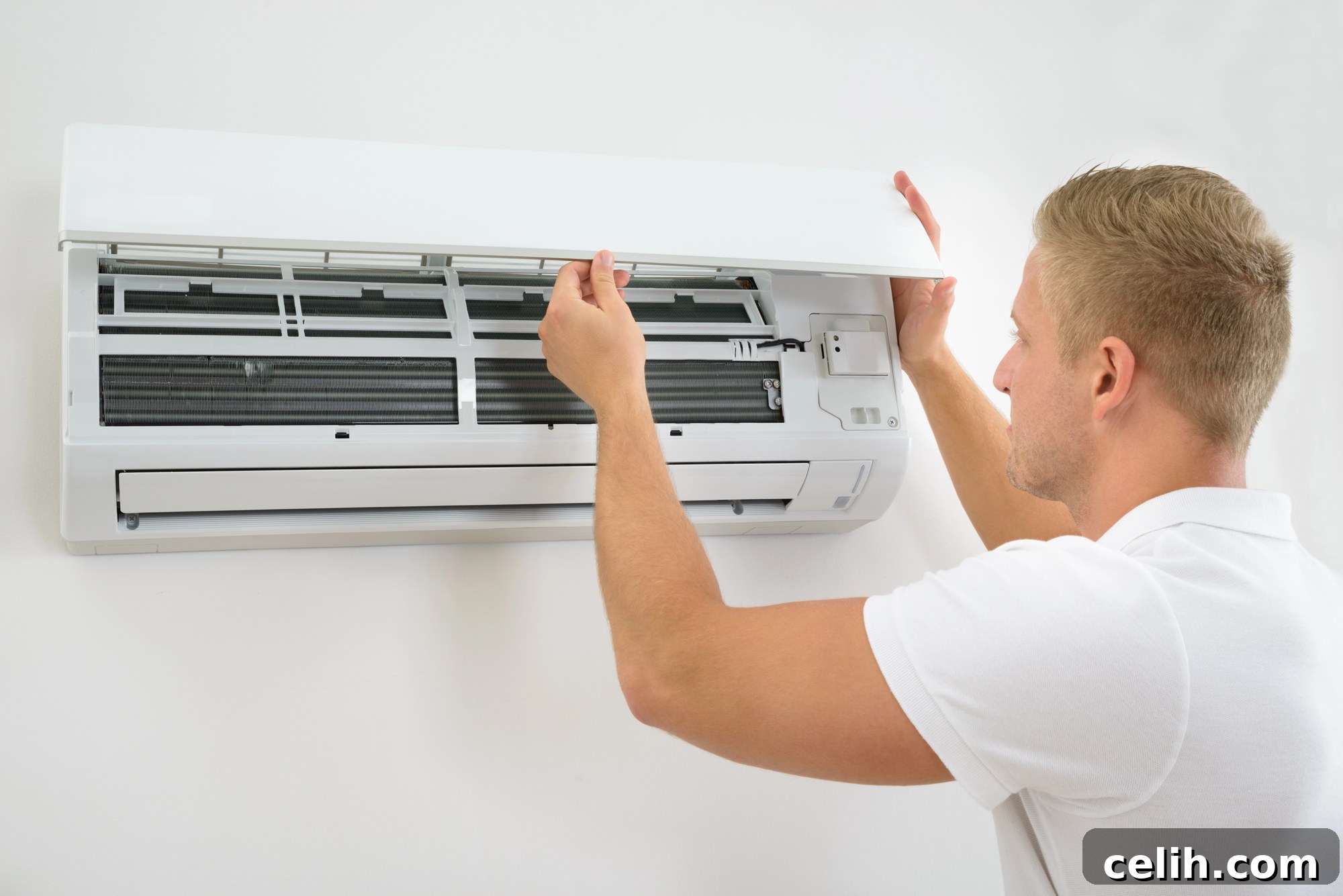
While the allure of DIY is undeniably strong, it’s vital to recognize that not every task should be relegated to a weekend project. Some areas of home maintenance demand highly specialized expertise and carry inherent risks that no amount of YouTube tutorials or online forums can adequately mitigate. When I started hearing a strange, persistent grinding hum emanating from my outdoor air conditioning unit, my first instinct wasn’t to grab a screwdriver and start tinkering. HVAC systems involve complex refrigeration cycles, high-voltage electrical components, and often pressurized gases. Attempting repairs without proper training, specialized tools, and safety certifications isn’t just ineffective; it’s genuinely dangerous, risking severe injury, costly damage to the unit, or even a potential fire hazard. Electrical systems, in particular, are not to be trifled with; electricity demands the utmost respect and professional handling.
Engaging certified professionals for such critical repairs offers far more than just convenience. It provides the invaluable comfort of guaranteed results, backed by deep expertise, comprehensive warranties, and often, liability insurance. Beyond preventing avoidable disasters and ensuring the paramount safety of your life and the integrity of your property, professionals bring a wealth of specialized tools, advanced diagnostic equipment, and years of hands-on experience to the table. A licensed HVAC technician swiftly diagnosed the issue with my AC unit as a worn-out compressor bearing, replacing the part efficiently and restoring comfort to my home within hours. The service fee, in this context, wasn’t merely an expense but a wise investment in safety, energy efficiency, the long-term health of a crucial home appliance, and most importantly, my peace of mind.
Moreover, reputable professionals stay meticulously updated on the latest building codes, safety regulations, and emerging technologies within their fields. This vigilance is particularly important for tasks involving structural integrity, gas lines, major electrical work, roofing, or complex plumbing systems. Mistakes in these critical areas can have severe and long-lasting consequences, ranging from structural failures and widespread property damage to serious health hazards, and can even void homeowner’s insurance policies or negatively impact the resale value of your property. Cultivating a trusted network of local professionals – including skilled plumbers, licensed electricians, certified HVAC technicians, and experienced general contractors – has become an indispensable part of my overall home maintenance strategy. Knowing I have reliable experts to call in a pinch ensures that genuine emergencies are less daunting and complex projects are managed effectively and safely. This profound sense of peace of mind allows me to embrace smaller, more manageable DIY projects with increased courage and enthusiasm, secure in the knowledge that professional help is merely a phone call away when truly needed.
Striking the Ideal Balance: A Strategic Framework for Decision-Making
So, how do we effectively draw the line between tackling a task ourselves and calling in the experts for home maintenance and repair? The optimal balance is rarely static; it dynamically evolves with your accumulated skills, the specific demands of the project at hand, and your current life circumstances. To make truly informed and responsible decisions, consider a few key factors through a strategic framework:
- Complexity and Risk Assessment: Begin by honestly evaluating the inherent difficulty of the task. Does it involve hazardous materials (e.g., asbestos, lead paint, gas)? Does it interact directly with critical home systems such as high-voltage electrical wiring, pressurized gas lines, or structural components that bear significant weight? If your assessment points to high complexity, significant safety risks, or potential for extensive damage, professional intervention is almost always the smarter, safer, and ultimately more cost-effective choice.
- Required Tools, Skills, and Expertise: Do you genuinely possess the necessary skills, foundational knowledge, and any specialized tools required to complete the job safely and effectively? Investing in expensive, niche tools for a single, one-off job might negate any potential cost savings from DIY. Conversely, if you genuinely enjoy learning new skills, and the tools have future utility for other projects, then DIY might be a worthwhile endeavor.
- Time and Opportunity Cost: Honestly estimate how much time this project will realistically consume from start to finish. Is your valuable time better spent on other responsibilities, work, or cherished leisure activities? What is the potential cost of your mistakes – both financially (e.g., buying wrong parts repeatedly, causing more extensive damage, needing emergency repairs) and in terms of lost time, increased stress, or significant frustration? Sometimes, the money paid to a professional saves you invaluable time and prevents significant headaches and unforeseen expenditures.
- Warranties, Regulations, and Insurance: Will attempting a DIY repair potentially void an appliance warranty, an existing home insurance policy, or the overall warranty on a newer installation? Are there specific local building codes, permits, or regulations that legally require licensed professionals for certain types of work, especially electrical, plumbing, or major structural alterations? Adhering to these is absolutely crucial for safety, legal compliance, and protecting your home’s value.
- Personal Enjoyment and Learning Goals: Is this a project you genuinely want to undertake? Do you find deep satisfaction in the process of learning, problem-solving, and actively “doing” with your own hands? If it’s a passion project, where the intrinsic rewards of creation and mastery outweigh the potential challenges, then DIY is undoubtedly a rewarding path.
Consider my neighbor, an experienced retired electrician. For him, rewiring a circuit or troubleshooting a complex electrical fault is a weekend hobby, a testament to his extensive background, specialized training, and unwavering expertise. He can safely and efficiently handle tasks that would be incredibly risky and frankly terrifying for someone without his decades of experience. For me, without that specialized knowledge and practical training, attempting similar electrical work would be irresponsible, likely leading to dangerous outcomes or, at best, a quick, sheepish call to a professional electrician after realizing my grave limitations – effectively donating my hard-earned money to professional services after wasting my own precious time and resources, and potentially creating a hazardous situation.
Ultimately, striking this optimal balance is about cultivating a dynamic understanding of your evolving capabilities and the specific demands of your home. It’s about being resourceful and proactive but also realistic and safety-conscious. While we may start cautiously, often with simpler tasks, continuous learning becomes an imperative part of our home maintenance journey. As we consistently assess our skills, available resources, and the inherent risks of each task, a harmonious blend of curiosity and caution fuels our decisions, creating a sustainable synergy between self-reliance and expert assistance. This adaptive, thoughtful approach ensures our homes remain safe, functional, beautiful, and a true reflection of our dedication and smart decision-making.
Conclusion: Empowering Your Home Maintenance Decisions for Long-Term Value
Navigating the complex world of home maintenance by balancing DIY initiatives with professional services boils down to knowing your personal limits, intelligently managing priorities, and continuously learning from every experience – both triumphant successes and valuable setbacks. While challenging your own abilities through DIY projects is commendable and often profoundly rewarding, the accompanying responsibility should never lead to unnecessary risk, especially when dealing with safety-critical systems like electrical, plumbing, or HVAC. Whether you pick up a tool yourself with confidence or wisely decide to call in the professionals for their specialized expertise, the paramount goal remains ensuring a safe, smart, durable, and cost-effective solution for your cherished home.
For me, this journey of discovery and decision-making has been truly transformational. Understanding precisely when to step back, put down the wrench, and make that crucial call for expert help has proven invaluable – saving not only potential extensive damage and unforeseen expenses but, at times, nothing short of being a lifesaver. Embrace the continuous learning process, trust your well-honed judgment, and always prioritize safety, quality, and long-term value in all your home maintenance and improvement endeavors. A well-maintained home is a lasting testament to wise decisions, both self-made and professionally guided, ensuring it remains a comfortable and secure haven for years to come.